
- Origin: Greenlandic
- Meaning: “cowberry; lingonberry.”
- Gender: Female
The name is from the Greenlandic and means “cowberry; lingonberry.”
Sources
The name is from the Greenlandic and means “cowberry; lingonberry.”
Sources
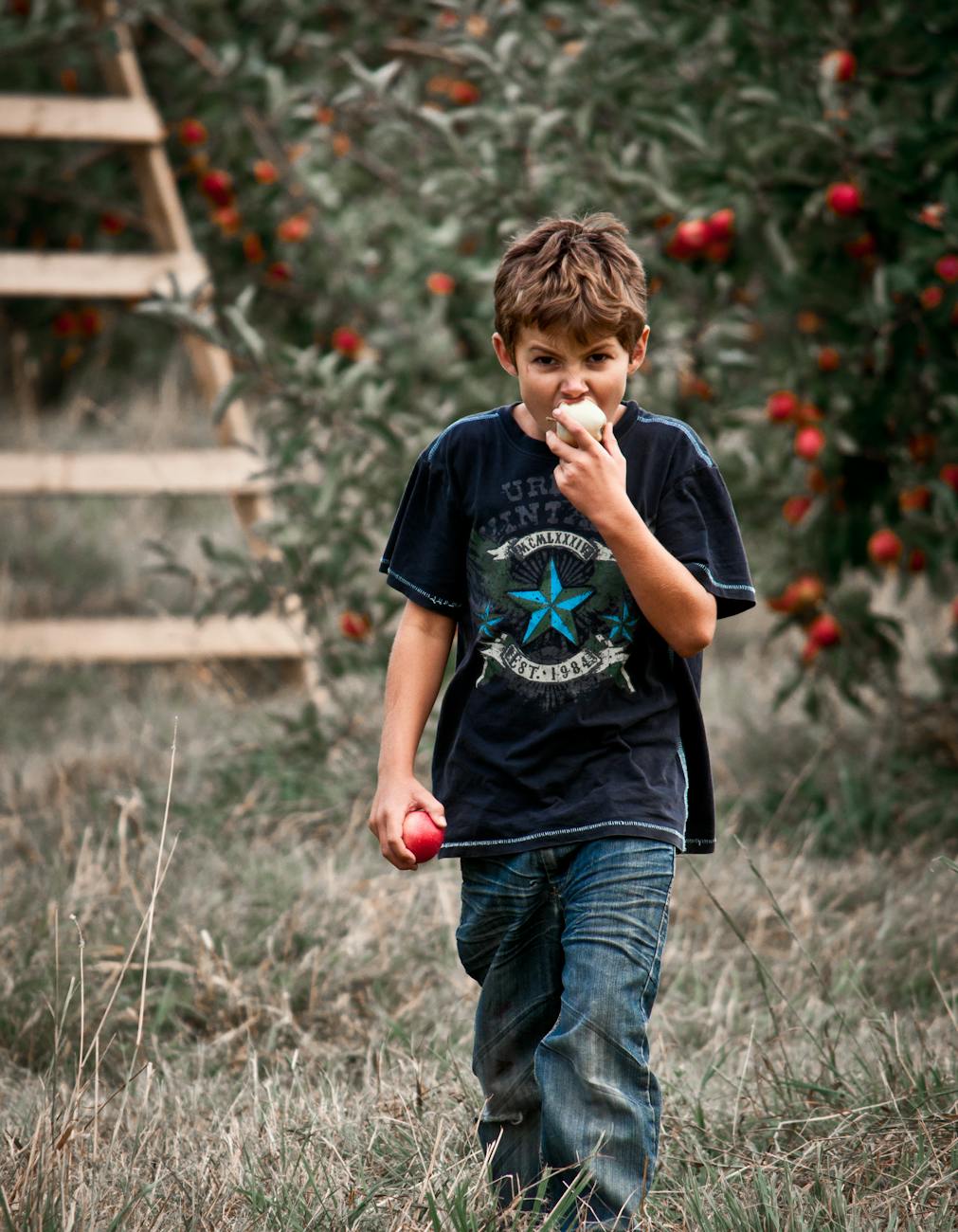
From the Welsh afal, meaning “apple,” Afallach is the name of a male deity in early Welsh mythology. He is described as a god of the Otherworld and of healing—figures sometimes link him to the Isle of Apples (Ynys Afallach), the mythic realm better known to us as Avalon. Through this association, Afallach is regarded as the mythic progenitor of the name Avalon, the legendary paradise of Arthurian lore.
Avalloc is its Anglicized form. Other Anglicized forms includem Evelake, and Aflach.
It has seldom use, if at all, as a given-name in the modern era, but it’s a bold, evocative choice pulled straight from Welsh mythology. It is ideal for those drawn to ancient, nature-infused names with literary and mystical resonance or those who want a pagan inspired name.
Sources
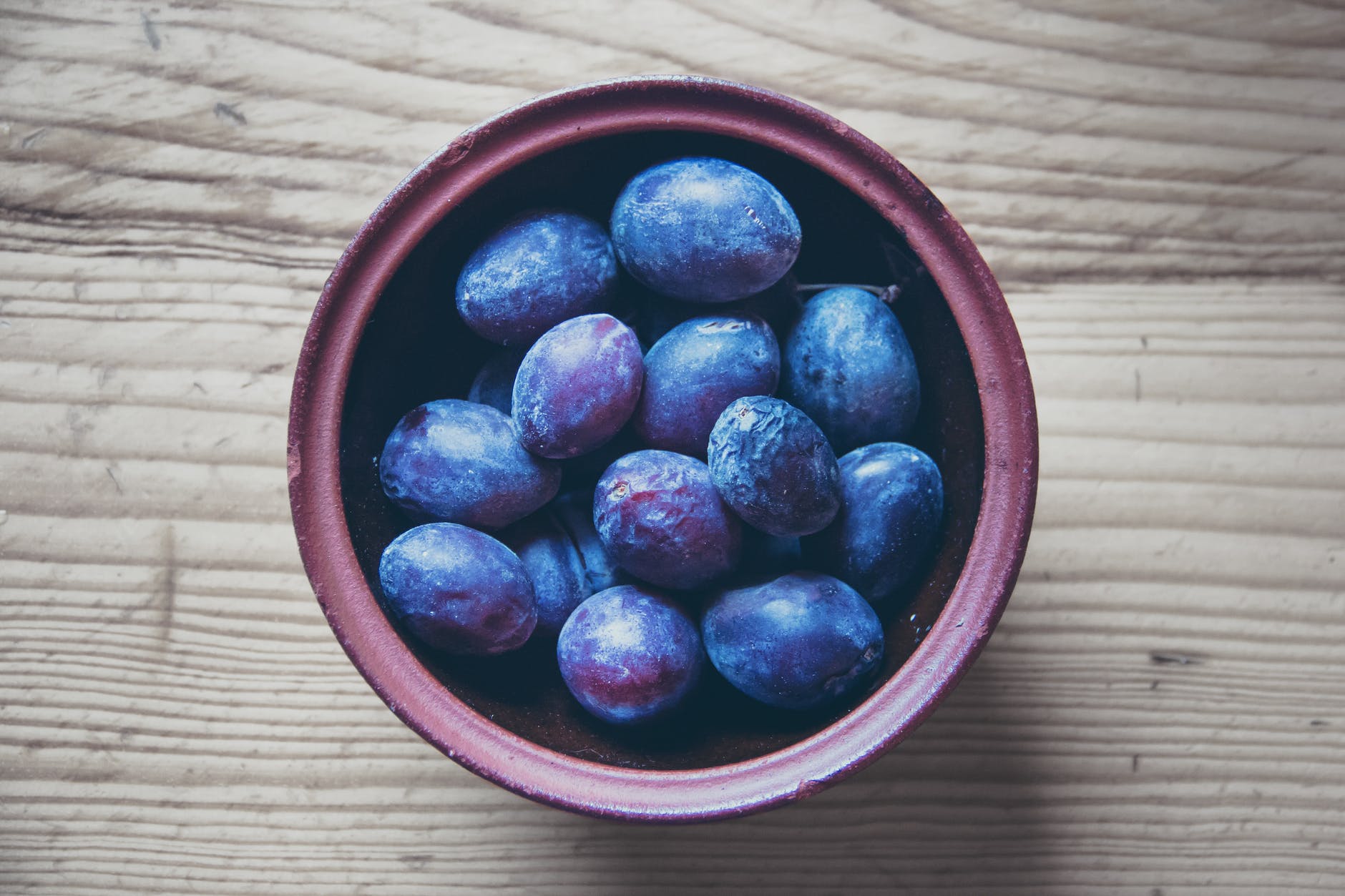
The name is a transliteration of the Chinese unisex name 冬梅 (winter plum). This is the most popular form. Other character combinations for this name are possible, which then alters the meaning and in some cases, the gender. There is 东 dong (east) & 梅 mei (plum; apricot); or 东 mei (little sister) or 美 mei (beautiful). There are numerous other character combinations that will alter the meaning.
Sources

The name can be of several different origins and meanings.
It is a Biblical male name that occurs in 2 Samuel 23:25 as the name of Elika the Harodite, one of David’s 37 special warriors. In this case, אֵַליקָא (Eli’ka), may mean “vomit of God” or “Congregation of God.” Some sources also list this as meaning “pelican of God.” In English, the name would be pronounced ee-LYE-kuh.
Pronounced, EH-lee-KAW الیکا, it is a Persian female name that derives from the Mazanderani language, meaning, “wild cherry.” However, it’s use in Iran may be influenced by an identical sounding Indian female name, which is derived from the Sanskrit एलीका (Elika), meaning “small cardamom.” It is also the name of a village in northern Iran of the same aforementioned Mazanderani etymology.
Elika is also a Nordic female name of uncertain etymology, it’s earliest use is recorded in 18th-century Iceland. It may derive from the the Frisian diminutive name, Alike, which is a diminutive form of any name beginning in the Adal- element, or the Frisian unisex diminutive name Elike, which is a short form of any name beginning in the EGG- element.
It may also be linked with a Greenlandic female name of uncertain etymology.
It’s Nordic form has been in use in Finland & Estonia, as well as all of Scandinavia & Iceland. It should be noted that Elike has occurred in use as a unisex name in Norway and Friesland.
Swedish and Frisian female variations include Eliko & Eliken.
Alternately, it is a Mari female name, but is of uncertain meaning, it may be a variation of Evika, meaning “slender.”
It is also the Hawaiian translation of Elisa, Eliza, Erica & Eric.
Sources
 The name has several illusive origins and meanings.
In Hittite mythology, Inara is the name of the Hittite goddess of wild animals of the steppe and daughter of the storm-god Teshub/Tarhant. In this case, the etymology of the name is unknown.
In Latvia, the name is first recorded in 1922 as Ināra. It is believed to be an elaborated form of Ina, –āra is a popular feminine diminutive suffix in Latvian names. Its masculine form of Inārs came later. It is borne by Ināra Mūrniece (b.1970) speaker of the 12th Latvian Saeima. In Latvia, Ināra’s designated name-day is May 12th.
The inara melon, known locally as nara, is the name of a type of melon only found in Namibia.
In popular culture, the name is borne by a character on the American TV series Firefly (2002-2003).
Sources
 Origin: French
Meaning: uncertain
Gender: Feminine
Fr. (KOH-hrah-LEEN); Eng. (CORE-e-LINE)
The name is most likely a French diminutive form of Cora, (Grk. maiden), or Coralie that eventually spun off as an independent given name.
In both France and England, the name has been in use since the early 19th-century.
The French opera by Adolphe Adam Le toréador, ou L’accord parfait (1849) probably helped put this name on the map.
It is also the name of a French genus of apple that was bred for the first time in 2002.
In the Mediterranean, coraline is the name of a type of felucca used to hunt coral.
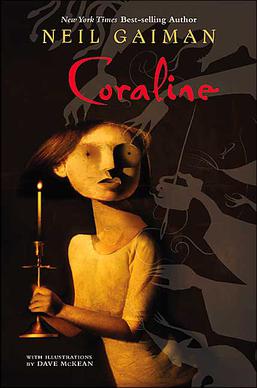
Its recent usage in the English-speaking world was no doubt brought back to life by Neil Gaiman’s 2002 novel Coraline, which was adapted into a film in 2009. Gaiman claimed that the character’s name was originally meant to be Caroline, but Coraline was a typo that just stuck.
Alternately, if spelled Coralline it is the name of a genus of red algae.
Another form is the Italian Coralina and the Russian and Polish form, albeit rare, is Koralina Коралина.
The name has also been in use in the Netherlands since the 19th-century.
Coraline has been in the U.S. Top 1000 Most Popular Female Names since 2012 and is currently the 602nd most popular female name in the United States (2016).
Sources
 Gender: Feminine
Origin: Latin
Meaning: “garden.”
Eng (HORE-tense); Fre (or-TAWNS)
In the English-speaking world, she is considered being one of the most hated baby names, on par with Bertha and Beulah; but at one time, Hortense was very much-loved in the United States, and she is still favored abroad.
Hortense appeared in the U.S. top 1000 between 1880 and 1941. The highest she ranked within those years was at # 375 in 1903. By 1942, she disappeared from the U.S. top 1000 never to be seen again.
Though the sound in contemporary English may not be so pleasant, Hortense has many redeemable qualities. She is derived from the Roman family name, Hortensius, which is derived from the Latin, hortus, meaning, “garden.” Hence horticulture! Her Latin derivative shares its name with the scientific designation of the hydrangea plant. Hortensia is also the name of a type of pear.
Hortense sounds completely different in French, in fact, it sounds rather pleasant. She appears in the French top 500 coming in as the 335th most popular female name in 2010.
 Other forms of the name include:
Notable bearers include:
 Gender: Feminine
Origin: French
Meaning: “plum.”
(Pronunciation)
The name comes directly from the French word for plum. It has been in usage since the 18th-century when it appeared on the Revolutionary Calendar under the name-days of October 5 and June 8th, coinciding with the feast of St. Flora. The name fell out of usage after the Napoleonic era, but seems to be going through a vogue again. Its recent resurgence may have something to do with the 1970s French-Swiss Soap-Opera, Prune.
She appears in the French top 500, coming in as the 446th most popular female name in France, (2009).
Not only is Prune the name of the fruit in French, but it is also used to describe a colour and it is a slang in a few French dialects. The meanings are as follows:
 Gender: Masculine
Origin: debated
Meaning: debated
Eng (AHL-ih-VER); Fre (oh-LEE-vyay)
This name has a very interesting past. Its origins and meaning are debated, despite its obvious similarity with the word “olive”, many sources believe that is is either derived from one or two Old Norse names, Alfihar or Oleifr. Alfihar meaning “elf army” or Oleifr meaning “ancestral relic,” while other sources argue that it is indeed related to the Latin word oliverus meaning “olive tree.”
The name first appears in the French epic poem, Le Chanson de Roland. Olivier is the one of the better retainers of Roland. The name was introduced into England by the Normans and was consequently anglicized as Oliver.
The name has been in and out of usage in the English-speaking world since the Middle Ages. There was a time in England when the name went out of favor due to the bloody exploits of Oliver Cromwell. It was revived in the 19th-century due to Dicken’s lovable orphaned character of Oliver Twist.
In recent years, the name has seemed to go through a revival in both the United States and the United Kingdom. In 1979, Oliver ranked in at # 396 for the most popular male names in the United States, in 2010, however, he cracked into the top 100, making it all the way up to # 88. No doubt thanks to the popularity of its seemingly feminine form of Olivia.
As of 2010, he was the most popular male name in England/Wales. His rankings in other countries are as follows:
The name is used throughout continental Europe. Its French form of Olivier is still fairly common in France and it is occassionally found in the Bayous of Louisiana among Cajun families, along with its lovely accented drawled out pronunciation of (oh-LIV-ee-AY).
In Poland it is rendered as Oliwer pronounced the same way as in English though the final R is rolled. In Iceland the popular male name of Olafur may be related. Pronounced (OH-lahf-ER), it has a feminine form of Olafia (OH-lah-FEE-ah).
Popular English nicknames are Ollie and the less common Noll.
Its designated name day is July 12.
Other forms include:
 Gender: Feminine
Origin: Finnish
Meaning: “cloudberry.”
(HEEL-lah)
The name was initially used as a form of Hilda or Hilja, but became even more popular in Finland due to the fact that it translates as, “cloudberry.”
As of 2011, Hilla was the 42nd most popular female name in Finland.
Other forms of the name include: