 The name could be from the Hebrew נעים meaning, (pleasant) or the Arabic نعیم (tranquil).
As of 2009, Naïm (Maghrebin orthograph) was the 182nd most popular male name in France.
A feminine form is Naima.
The name could be from the Hebrew נעים meaning, (pleasant) or the Arabic نعیم (tranquil).
As of 2009, Naïm (Maghrebin orthograph) was the 182nd most popular male name in France.
A feminine form is Naima.
 Gender: Masculine
Origin: Arabic سامي
Meaning: “high; elevated; supreme.”
(SAH-mee)
The name is derived from the Arabic meaning, “high; elevated; supreme.”
However, it could also be a Finnish short form of Samuel. In Finland, it has often been used as an independent given name and in recent years is most likely used in reference to the language and ethnic group which is found in Finland, Norway and Russia, perhaps among people of Sami heritage. Sami is also the name of a lake in Finland.
As of 2009, Sami was the 183rd most popular male name in France while in 2010 he came in as the 193rd most popular male name in the Netherlands.
A feminine form of the Arabic is Samia.
 Gender: Masculine
Origin: French
(Pronunciation)
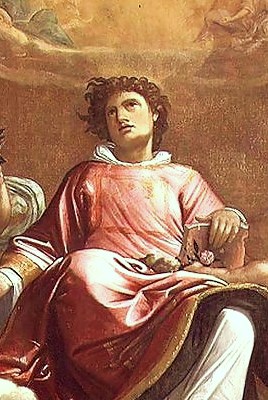
I felt Étienne deserved a post all of his own. Yes, he is the standard French form of Stephen, being an evolution of the Medieval French, Estienne, this form makes slightly more sense.
As of 2009, Étienne was the 214th most popular male name in France.
An obscure feminine form is Étiennette.
 Gender: Masculine
Origin: Greek Ανατολιος
Meaning: “sunrise.”
The name is derived from the Greek, Anatolios Ανατολιος, which is derived from the word anatole ανατολη (sunrise). The name was borne by a 3rd-century Christian saint, philosopher and martyr.
The name was borne by several other saints.
An anatole is also a musical term employed in jazz.
The name was one of the most popular male names throughout the Soviet Union, before the October Revolution, the name was only used among monks and priests. The name no longer appears in Russia’s top 10.
Its French form of Anatole is 234th most popular male name in France, (2009).
Other forms of the name include:
 Gender: Feminine
Origin: Arabic/Berber
Meaning: “soothsayer.”
Ber/Arab (kah-HEE-nah); Fre (kah-EE-nah)
The name is derived from the Arabic al-Kāhinat, meaning (the soothsayer), a nickname used by Muslim opponents for the Berber Warrior Queen, Dihya.
Dihya or Kahina is a symbol of Berber nationalism, she was a 7th-century Berber woman who led a rebellion against Islamic expansionism in North Africa. Though she was eventually defeated, her nickname Kahina has stuck over the centuries, and parents of Berber extraction have bestowed it upon their daughters in her honour. She gained the nickname al-Kāhinat as it was rumored that she was a prophetess.
As of 2009, Kahina was the 422nd most popular female name in France. The franconized form of Kaïna comes in as the 473rd most popular female name in France.

Origin: Arabic حفصة
Meaning: “lioness.”
The name is borne by the daughter of Umar and a wife of the Prophet Mohammed. She is considered one of the Mothers of Believers.
It was also borne by Hafsa Hatun Sultan (1479-1534), Ottoman Sultan Selim I’s wife and the mother of Süleyman the Magnificent.
As of 2009, Hafsa was the 431st most popular female name in France, while in 2010, she was the 432nd most popular female name in the Netherlands.
Other forms of the name include:
 Gender: Feminine
Origin: Greek
Meaning: “God appears; manifestation of God; epiphany.”
Eng (TIFF-uh-NEE); (thee-o-FAH-nee-ah)
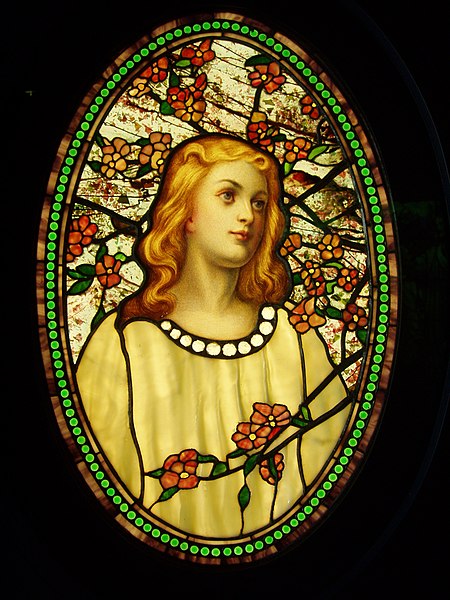
Tiffany, now considered a name of the 80s, is actually an early English Medieval form of the Greek female name Theophania, which means “God appears”, being composed of the Greek elements, θεος (theos), meaning, “God” and φανης (phanes), meaning “appears.”
The name was usually bestowed upon girls born on the feast of the Epiphany (January 6), which celebrates when the Three Wise Men visited the Christ Child.
The name was popular in Medieval England and fell out of usage, being introduced into England via the Normans in the form of Tiphaine.
A few English matronymic surnames developed from it, Tiffany being the most notable, becoming one of very few female given names to appear in an English surname. A few other female names being: Alice, Isemay and Maude.
At of the turn of the last century, the name came to be associated with Tiffany & Co, which was founded by Charles Lewis Tiffany in 1837.
The name may have caught the public attention via the company, but most likely, its popularity was sparked after the publication of the Truman Capote novella, Breakfast at Tiffany’s (1958), which was later made into a film, starring Audrey Hepburn, in 1961.
Tiffany appeared in the U.S. top 1000 the following year. In 1962, she was the 783rd most popular female name. The highest she peaked was in 1982, coming in as the 13th most popular female name. She peaked again in 1988, coming in at # 13.
As of 2010, she ranks in as 311th most popular female name in the United States, while in France she ranked in as the 432nd most popular (2009).
Other forms of the name include:
Males forms are:

Looka ® Digital Photo iptcCopyright via http://www.lauriane.ch/photos/photos2005/files/lauriane37.html
Gender: Feminine
Origin: Latin
Meaning: “the laureled one.”
Fre (LOH-hree-AHN)
The name is a French form of Lauriana, a feminine form of the Latin male name, Laurianus meaning, “the laureled one” or “one with laurel leaves.”
As of 2009, Lauriane was the 433rd most popular female name in France.
Other forms include:
A famous bearer is Lauriane Gilliéron, a French-Swiss model crowned Miss Switzerland in 2005.
 Gender: Feminine
Origin: Latin
Meaning: “from Sidon.”
Eng (SIDE-e-NEE; sih-DOH-nee); Fre (SEE-doh-NEE); Germ (Pronunciation)
The name is derived from the Late Latin male name, Sidonius, which means, “from Sidon.” Sidon is the Latin name for what is now Saida, in Lebanon.
Sidony was quite common in Medieval England, its popularity was inspired by the Shroud of Turin, when the meaning of the name was misunderstood to be from the Greek word, sindon (linen). The name fell out of usage by the Renaissance. Sidonie was revived in 18th-century England, and has occasionally been in out of usage in both the UK and the United States.
In fact, the name was fairly prevalent throughout Medieval Europe, being found among royalty and the nobility alike.
The name is found in the French Medieval Prose, Pontus & Sidonie.
In French, Sidonie is technically a prenom épicène (a gender neutral name), however, it is rarely given to males and has been far more common on females since Medieval times. As of 2009, Sidonie was the 438th most popular female name in France.
Sidonie is also used in German-speaking countries (strictly feminine).
The male form of Sidonius was borne by a 5th-century bishop and saint.
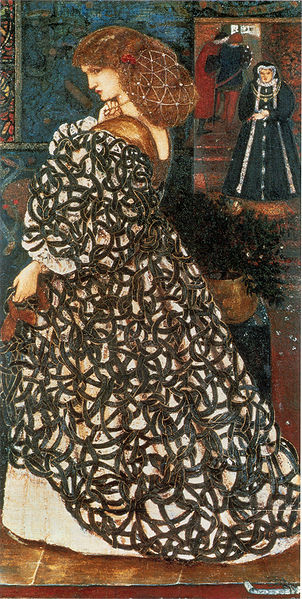 The name was also borne by the legendary Sidonia von Borcke (1548–1620), a Pomeranian noblewoman who was tried and executed for witchcraft, she became the much the subject in English literature and art during the 19th-century.
Other forms of the name include:
 Gender: Feminine
Origin: Latin
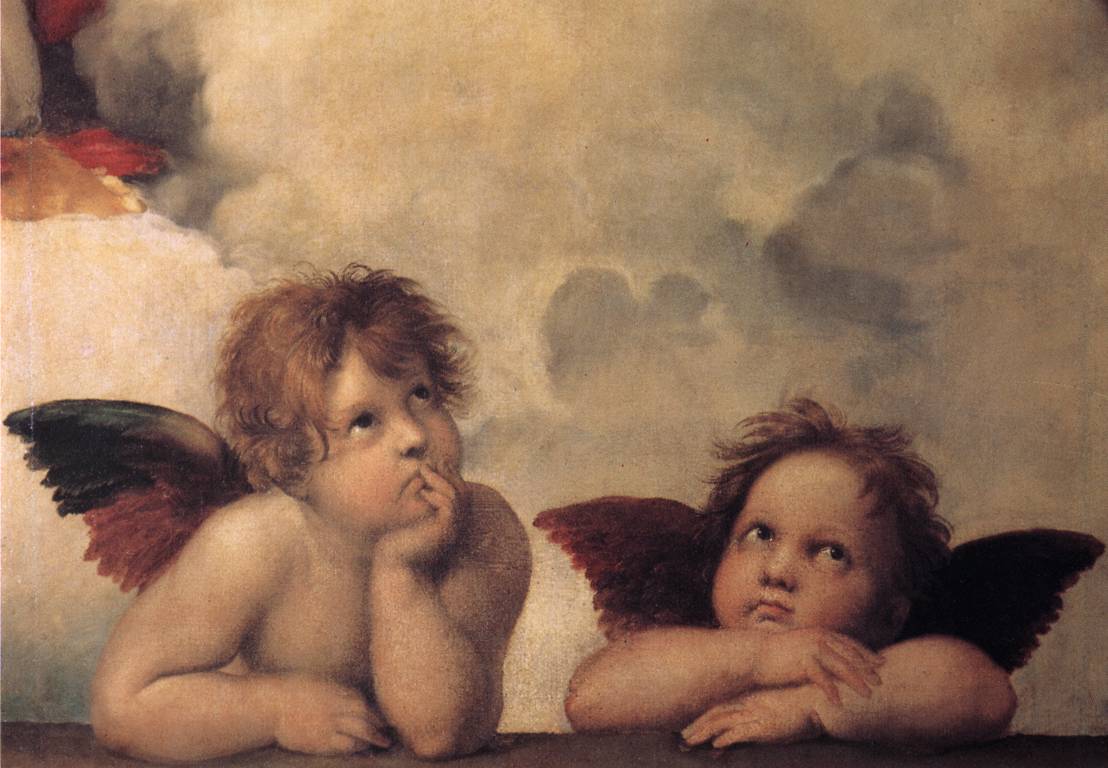
Meaning: “angelic.”
Eng (AN-jel-ik-ah), It/Pol (ahn-JAY-lee-kah); Germ (ahn-GAY-lee-kah); Sp (ahn-HAY-lee-lah) Swe/Nor (ahn-YAY-lee-kah); Fre (Pronunciation)
The name is derived from the Latin angelicus meaning “angelic” and is ultimately derived from the Greek, άγγελος (ángelos) meaning, “messenger.” The name was used by the 16th-century, Italian poets, Boiardo and Aristo for their Orlando poems, in which it is the name of Orlando’s love interest.
In England, Angelica has been used as a given name since the 18th-century.
Angelica is also the name of a type of herb.
As of 2010, Angelica stood as the 345th most popular female name in the United States, while the French form of Angélique came in as the 439th most popular female name in France, (2009) and the 627th most popular in the United States, (2010).
As of 2009, its Spanish form of Angélica was the 88th most popular female name in Mexico.
The name is borne by several saints, and was also borne by 18th-century Swiss painter, Angelica Kauffman (1741-1807). Other notable Angelicas include:
Italian opera singer, Angelica Catalani (1780-1849), Stand-in American First Lady, Angelica Van Buren (1818-1877), American nun and TV host, Mother Angelica (b.1923); Angelica Pickles, a popular cartoon character featured on the Rugrats; American actress, Anjelica Huston; Norwegian princess, Maud Angelica Behn (b.2003) .
The Latinate, Angelica form, is used in English speaking countries, Italy, Romania, Norway, Sweden and occasionally Poland. Other forms of the name include:
There is an Italian masculine form, which is Angelico, and the Late Latin masculine form, Angelicus.