
- Origin: Mordvin Эйзюраль
- Meaning: “born in the season of icicles.”
- Gender: Female
A Pre-Christian Mordvin female name, meaning, “born in the season of icicles.”
Source
A Pre-Christian Mordvin female name, meaning, “born in the season of icicles.”
Source

The name is derived from the Mordvin word tele (winter).
Sources

The name comes from the Greenlandic masaut (wet snow), a long with the suffix – na on the end.
Other forms include: Masaatsiaq and Masaitsiaq.
Feminine forms are Masaana, Masaani, Masâne, Masáuna and Masaune.
Sources

From the Sino-Vietnamese 雪 (tuyết), meaning, “snow.”
Sources

The name comes from the Greenlandic word for snowflake or ice crystal.
An older form is Aputsiak.
Sources
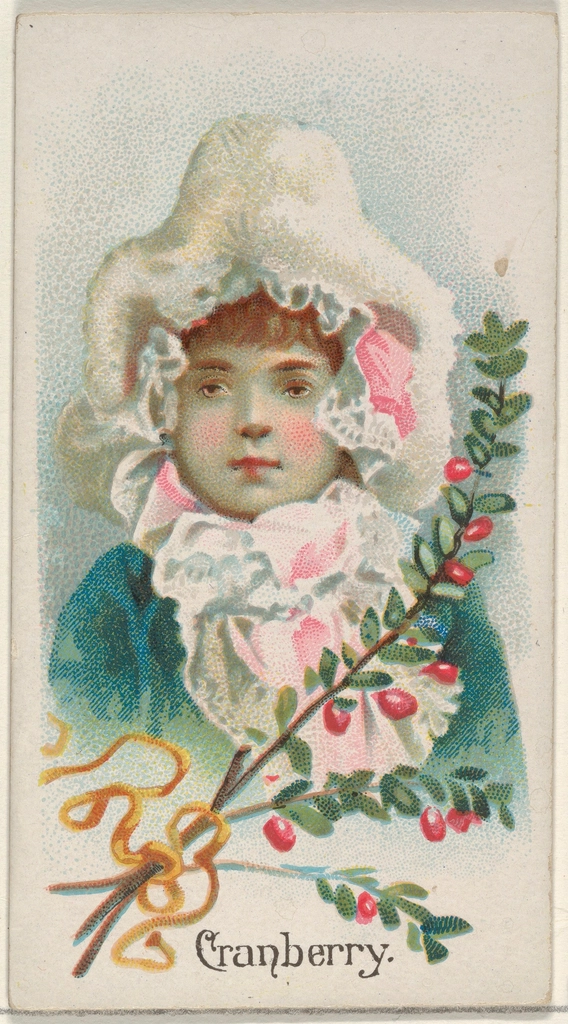
A Pre-Christian Mordvin female name meaning, “cranberry.”
Source

A Gaulic name meaning, “good feast.”
Source

The name is from the Igbo meaning “thanks; gratitude.”
Sources

Nihara is a Sanskrit female name which comes directly from the word for “mist; dew; fog; hoarfrost; snow.”
The masculine form is Nihar.
Another female form is Nihari.
Sources

The Greek name Nyx (Νύξ) means “night.” It comes directly from the Proto-Indo-European root nókʷts, the same ancient word that produced Latin nox, Sanskrit nakta (नक्त)*, and Old English niht → modern English night.
Thus, Nyx and Nox are linguistic sisters — two ancient words expressing the same primordial idea: darkness, mystery, and the cosmic night from which creation emerges.
In Greek mythology, Nyx is the goddess and personification of the Night and Nox the Roman counterpart.
She is said to have arisen directly from Chaos, the void before creation, and is counted among the Protogenoi — the primal deities who gave birth to the cosmos itself.
Nyx was both feared and revered by the Olympians. Even Zeus, king of the gods, hesitated to cross her.
Hesiod’s Theogony (c. 700 BCE) describes her as a shadowy figure dwelling in the western lands of perpetual darkness, near the gates of Tartarus.
In recent years, Nyx has appeared more often as a middle name, to fill a void for a longer first name. Its Latin form of Nox may make an appealing choice for those seeking gender-neutral sounding female names, sounding similar to the trendy male name Knocks. It has recently come into use in the Netherlands as a male name for unknown reasons.
Sources