Phyllodoce

  • Origin: Greek Φυλλοδόκη
  • Modern Greek: Fillodoki
  • Meaning: “receiver of foliage.”
  • Gender: Female
  • Eng pron: FYE-loh-DIS-ee; Grk (Fil-LOH-do-keh)

The name derives from the Ancient Greek elements φύλλον (phyllon), meaning “leaf, foliage,” and δέχομαι (dechomai), “to receive” or “to welcome.”

In Greek mythology, Phyllodoce was one of the Nereids, the fifty sea nymph daughters of Nereus and Doris.

The name Phyllodoce was later adopted in scientific Latin for a genus of mountain heath plants (family Ericaceae), commonly called mountain heathers. These small evergreen shrubs, with delicate purple or pink flowers, grow in alpine and arctic regions.

With its lyrical cadence and mythological roots, Phyllodoce reflects the 18th–19th-century European taste for classical revival names, particularly those drawn from nature and mythology.

Sources

Ladan

  • Origin: Persian لادن or Somali
  • Meaning: “nasturtium;” “healthy; lucky; blessed.”
  • Gender: Female
  • LAH-dahn

In Persian, Ladan (لادن) is a nature name meaning “nasturtium.” The term may derive from ancient Greek ládanon, the word for labdanum, a fragrant resin once used in incense and perfume.

A notable Persian bearer is Iranian actress, Ladan Mostofi (b. 1972).


In Somali, Ladan comes from the native adjective ladan, meaning “healthy,” “prosperous,” “comfortable,” or “blessed.”

A notable Somali bearer is American poet, Ladan Osman.

Sources

Niloufar

  • Origin: Persian نیلوفر
  • Bengali: নিলুফার
  • Urdu: نیلوفر
  • Uzbek: Нилуфар
  • Variant Transcriptions: Nilofar, Nilufar, Nilofer
  • Meaning: “morning glory; water lily; nenuphar”
  • Gender: Female

The name comes directly from the Farsi word نیلوفر (niloufar), meaning, “morning glory; water lily; nenuphar.”

It ultimately derives from Middle Persian nīlōpār, from Sanskrit nīlotpala (नीलोत्पल) meaning blue lotus (nīla “blue” + utpala “lotus”). Through Persian, it spread widely into other languages of the Islamic and Silk Road world. The Greek-Latin loan nénuphar comes from this same root, appearing in medieval botanical and poetic texts to denote the water lily (Nymphaea).

Niloufar has been used as a feminine given name in Iran, Afghanistan, Tajikistan, Azerbaijan, and Turkey (where it appears as Nilüfer).

Notable bearers include:

  • Niloufar Bayani, Iranian conservationist and scholar.
  • Nilüfer Yumlu (known simply as Nilüfer), celebrated Turkish pop singer.
  • Princess Niloufer of Hyderabad (1916–1989), Ottoman princess renowned for her beauty and philanthropy.

International Variations

  • Nunufar Նունուֆար (Armenian)
  • Nilufər (Azeri)

Sources

Numan

  • Origin: Arabic نُعْمان
  • Meaning: “blood; red; bliss; anemone flower.”
  • Transliterations: Nu’man; Nouman (Maghrebi Arabic; Persian); Noman নোমান (Bengali, Tatar, Urdu)
  • Gender: Male
  • Pron (NOO-mahn)

The name comes directly from the Arabic word نُعْمان (nu’man), which is a poetic term describing “blood” as in a type of blood that brings vitality and beauty. It is also the word for the colour crimson and the anemone flower. It is ultimately from the root n–ʿ–m (ن ع م), which shares the same root with Naim نعم (comfort, tranquility, luxury, ease).

Numan ibn al-Munḏir (d. 602 CE) was one of the last Lakhmid kings of al-Ḥīrah, a pre-Islamic Arab Christian kingdom in southern Iraq. He is remembered in Arabic literature for his eloquence and patronage of poets.

In early Islamic history, Numan ibn Bashir al-Ansari (d. 684 CE) was a Companion of the Prophet Muḥammad and a prominent figure in the first Islamic century.

Sources

Mulan

  • Origin: Chinese
  • Meaning: “magnolia.”
  • Gender: Female

The name Mulan (simplified 木兰 / traditional 木蘭) is Chinese, literally meaning “magnolia.”
It is composed of 木 (mù) — “wood; tree,”蘭 / 兰 (lán) — “orchid,” which in full, translates to magnolia.

The name is best known from the Ballad of Mulan (木蘭辭 / 木兰辞), a Northern Wei-era folk poem likely composed between the 5th and 6th centuries CE. It tells the story of a young woman, Hua Mulan (花木蘭), who disguises herself as a man to take her ailing father’s place in the imperial army.

While the Ballad of Mulan is not strictly historical, the story became deeply embedded in Chinese cultural consciousness—an emblem of filial piety (孝, xiào), bravery, and loyalty.
In later retellings, especially during the Tang and Ming dynasties, Hua Mulan was elevated to near-mythic status, blending Confucian and patriotic ideals.

In China, Mulan continues to be used as a poetic and feminine name, admired for its historical depth and symbolism of courage and integrity rather than for commercial associations.

Disney adapted the tale into an animated movie, making the name familiar to Western ears.

Sources

Rudraksha, Rudrakshi

Rudraksha beads
  • Origin: Sanskrit
  • Meaning: “Rudra’s eye’s; also the name of a plant

Rudraksha रुद्राक्ष is a male Sanskrit name. It is the name of a genus of Eleocarpus plant. The seeds are considered sacred to Lord Shiva. They are harvested and dried to be used to create prayer beads in both Hinduism and Buddhism. The etymology is composed of the Sanskrit Rudra and अक्ष (akṣa), meaning “eyes.”

Another masculine for is Rudraksh.

Rudrakshi रुद्राक्षी is the feminine form.

Sources

Rhoswen

  • Origin: Welsh
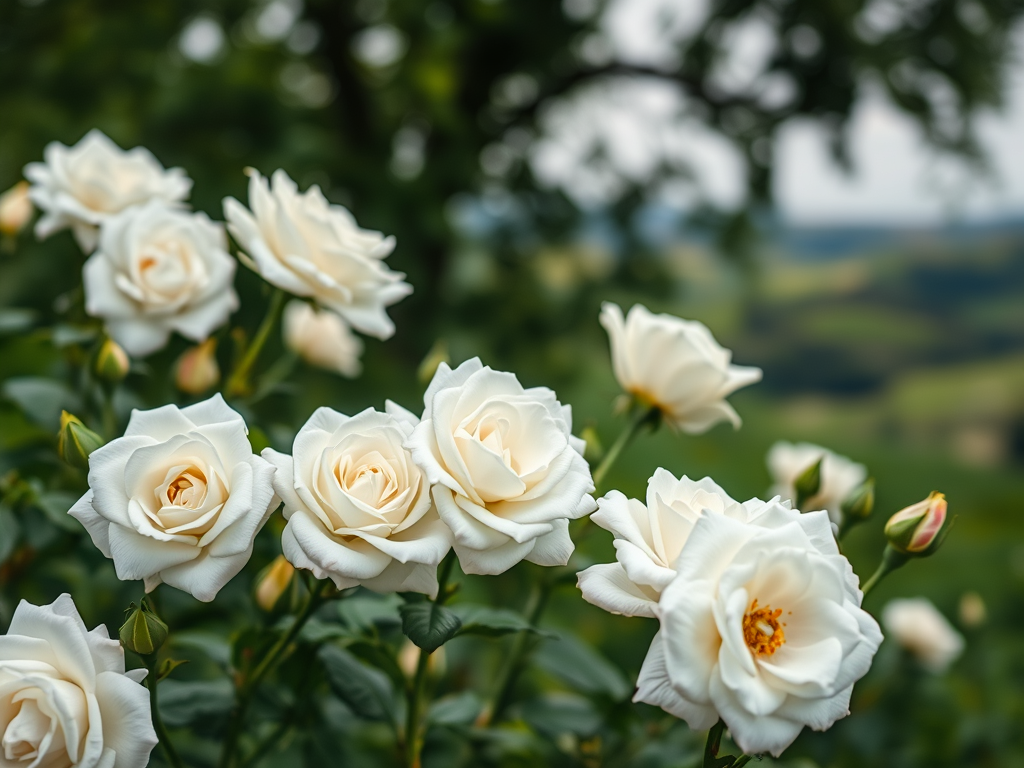
  • Meaning: “white rose.”
  • Gender: Female
  • Pronunciation

The name is composed of the Welsh words, rhos (rose) and gwyn (white; blessed). As a given-name, it first came into use in the mid 19th-century.

Sources

Hanasa

Photo by Guilherme Rossi on Pexels.com
  • Origin: Japanese
  • Kanji: 花咲
  • Katakana: ハナサ
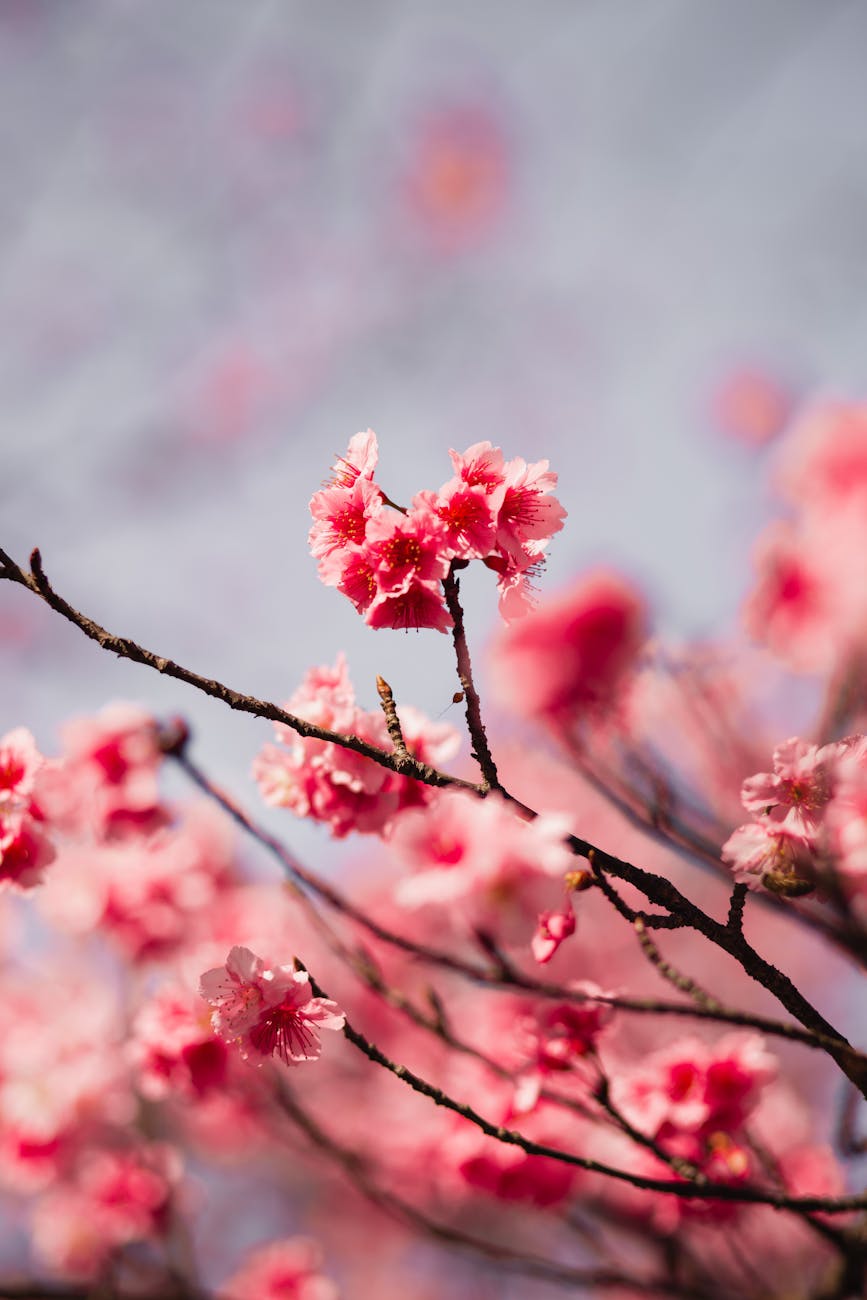
  • Most common meaning: “flower blossom.”
  • Gender: feminine
  • Pron: HAH-nah-SAH

The name is composed of the Kanji 花 (flower) and 咲 (bloom, blossom, flourish). Other Kanji combinations are possible with different meanings.

Sources

Malavika

  • Origin: Sanskrit मालविका
  • Meaning: name of a type of plant
  • Gender: feminine
  • Pron: (MUH-luh-VEE-kuh)

The name comes directly from the Sanskrit word for the St.Thomas lidpod plant, scientific name is Ipomoea turpethum.

A notable bearer is Indian actress, Malavika Mohanon (b. 1993).

Sources

Ruixi

Photo by Pixabay on Pexels.com
  • Origin: Chinese 蕊僖
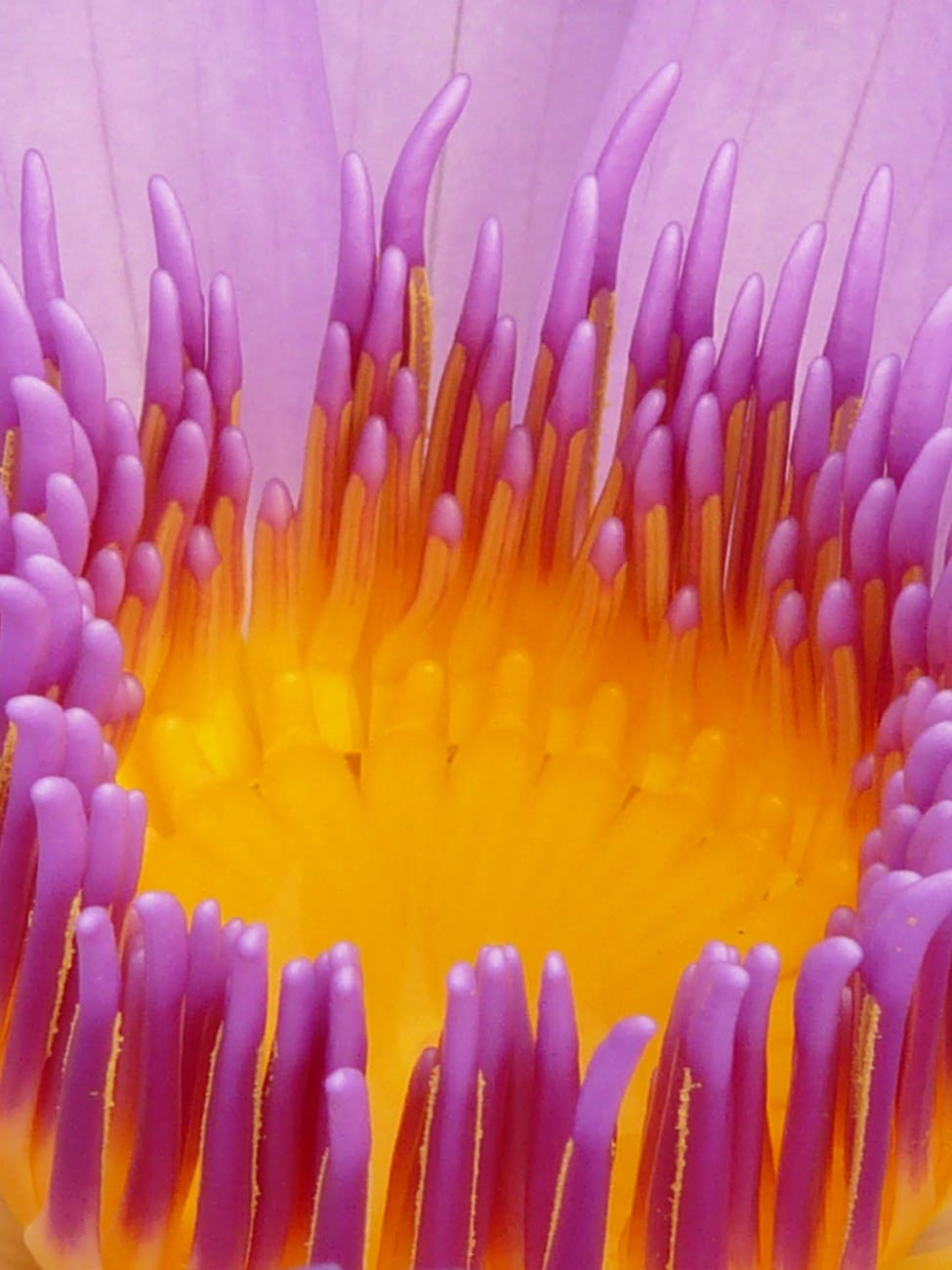
  • Meaning: “joyful stamen; joyful bud; bud of joy.”
  • Gender: feminine
  • Pronunciation: (ROO-SHEE)

The name is composed of the Chinese 蕊 (ruǐ) meaning, (stamen, pistil, bud) and 僖 ()(joy).

Sources