- Origin: Shona
- Meaning: “praises.”
- Gender: feminine

The name comes directly from the Shona plural noun rumbidzai meaning “praises.”
A common short form is Rumbi.
Sources
The name comes directly from the Shona plural noun rumbidzai meaning “praises.”
A common short form is Rumbi.
Sources

Sariyah سارية is from an Arabic word that means “clouds at night.”
It is derived from the Arabic root S-R-A, and can be associated with “night rain” or “night travel.”
Saria and Sarya is the Urdu transliteration and is popular in Pakistan and India among Muslims.
Other forms include:
Sources
The name comes directly from the Arabic word حسام (husam), meaning, “sword.”
Other transliterations include: Hosam, Hossam, Houssam & Hussam.
Sources
The name is composed of the Welsh elements, iôr (lord) and berth (fair; handsome). It is traditionally used as a Welsh form of Edward, though the names are not related.
It is an ancient Welsh name that is found in the Mabinogion and as borne by several Medieval Welsh kings.
A traditional diminutive form, which is also used as an independent given-name, is Iolo (YOH-lo).
Another diminutive form is Iolyn (YOH-lin).
An anglicized form is Yorath.
Sources
The name is derived from the Persian جاود (Javid), meaning “eternal, immortal.”
The name was borne by Azerbaijani poet and playwrite, Huseyn Javid (Hüseyn Cavid) 1882-1941.
Other forms include:
Sources
Ṣadé is from the Yoruba name, Fọláṣadé, which is composed of the elements, fi (use); ọlá (royalty, wealth), ṣe (perform) and adé (crown).
Ṣadé itself, and its anglicized offshoots of Sharday and sometimes Shardae, was popularized in the English-speaking world by Nigerian-British singer, Ṣadé Adu (nee Helen Fọláṣadé Adu, b. 1959).
Ṣadé appeared in the U.S. Top 1000 between 1985-2002, and peaked at #213 in 1986.
Other anglicized offshoots include Chardae and Charday.
Sources
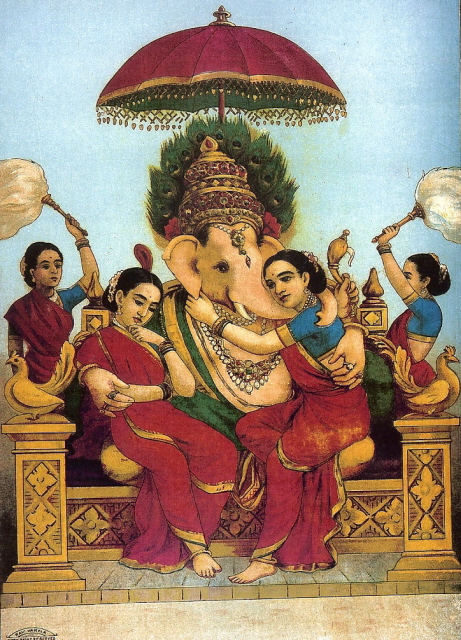
The name comes from the Sanskrit noun सिद्धि (siddhi), meaning “perfection, attainment, accomplishment,” which is a concept that refers to the attainment of magical, paranormal or psychic abilities through meditation and yoga. It is a concept found in Yoga, Buddhism and Hinduism.
In Hinduism, it is the name of one of Lord Ganesha’s wives, the other being named Riddhi.
Sources

The name is composed of the Yoruba elements, sinmi (rest, relax), sí (into) and ọlá (wealth, nobility, success, notability).
It is the title of the 1994 novel by Ruth Wendell.
It is also borne by Simisola Kosoko (b.1988), better known as Simi, a Nigerian singer & actress.
Sources
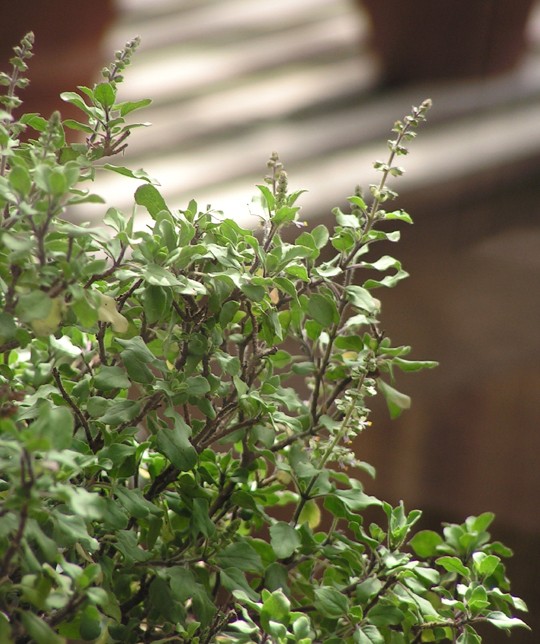
The name is derived from the Sanskrit तुलसी (holy basil). It is the name of a type of perennial plant in the family Lamicae and is endemic to the Indian subcontinent.
Tulsi is considered sacred plant in Hinduism, it is worshipped as an avatar for the goddess Lakshmi and the plant is traditionally planted in the center of courtyards to Hindu houses or next to Hanuman temples.
It is worshipped in Vaishnavism and holds an importance in Ayuverda traditions.
A notable bearer is American politician Tulsi Gabbard (b. 1981).
Sources
The name is composed of the Albanian elements, si (like) and hëna (moon).
The name is borne by Albanian supermodel, Sihana Shalaj.
Sources