
- Origin: Hmong
- Meaning: “pumpkin; gourd.”
- Gender: Female
- IPA(key): /tau̯˥/
The name comes directly from the Hmong word for a pumpkin or gourd.
Sources
The name comes directly from the Hmong word for a pumpkin or gourd.
Sources

The name comes directly from the Manipuri word ꯃꯥꯏꯔꯦꯟ (mairen), meaning “pumpkin.”
Sources

The name is derived from the Mordvin word mijal, meaning, “beaver.”
Sources

From the Shona word tenda or kutenda (to give thanks), it is technically unisex but slightly more common for boys.
Sources

From the Nahuatl word ayotli (pumpkin, gourd, squash) or directly from the Nahuatl word, ayotzin (turtle, tortoise).
It was borne by a Chichimec ruler but modern use in Mexico is exclusively feminine.
Sources
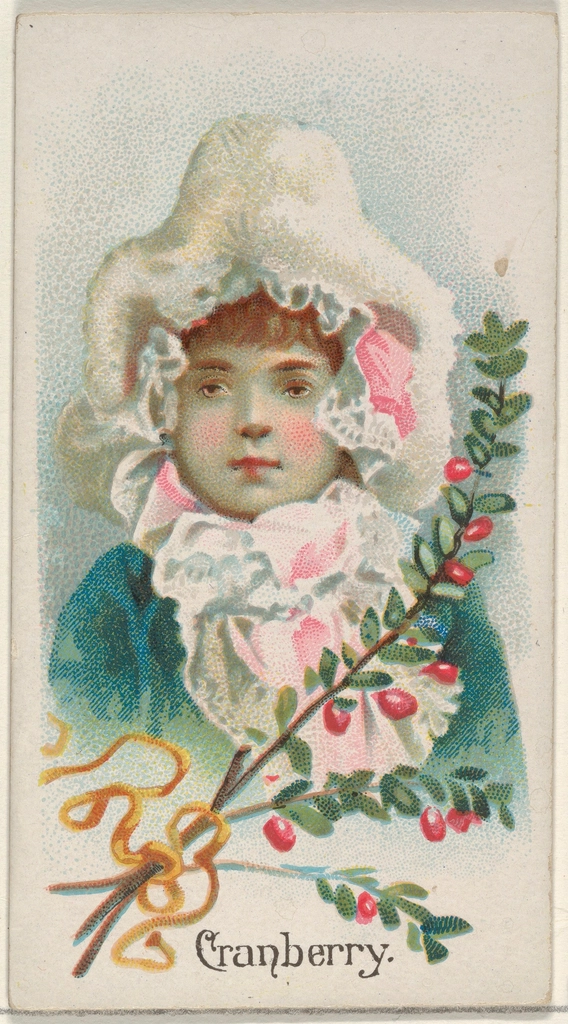
A Pre-Christian Mordvin female name meaning, “cranberry.”
Source

The name comes from the Tswana word for gratitude.
Sources

A popular Old Germanic name element, derived from the Old High German “thanc,” meaning “to thank.” Some early records list Thance as a male name, more likely pronounced the German way, it may make a unique alternative to Vance when pronounced the English way.
The name later evolved into Tanco, Tanko, Danco and Danko.
Female forms include: Tenca and Thenca.
Source

The name is derived from the Mordvin word, kile (birch tree).
Sources

The name is from the Greenlandic and means “cowberry; lingonberry.”
Sources