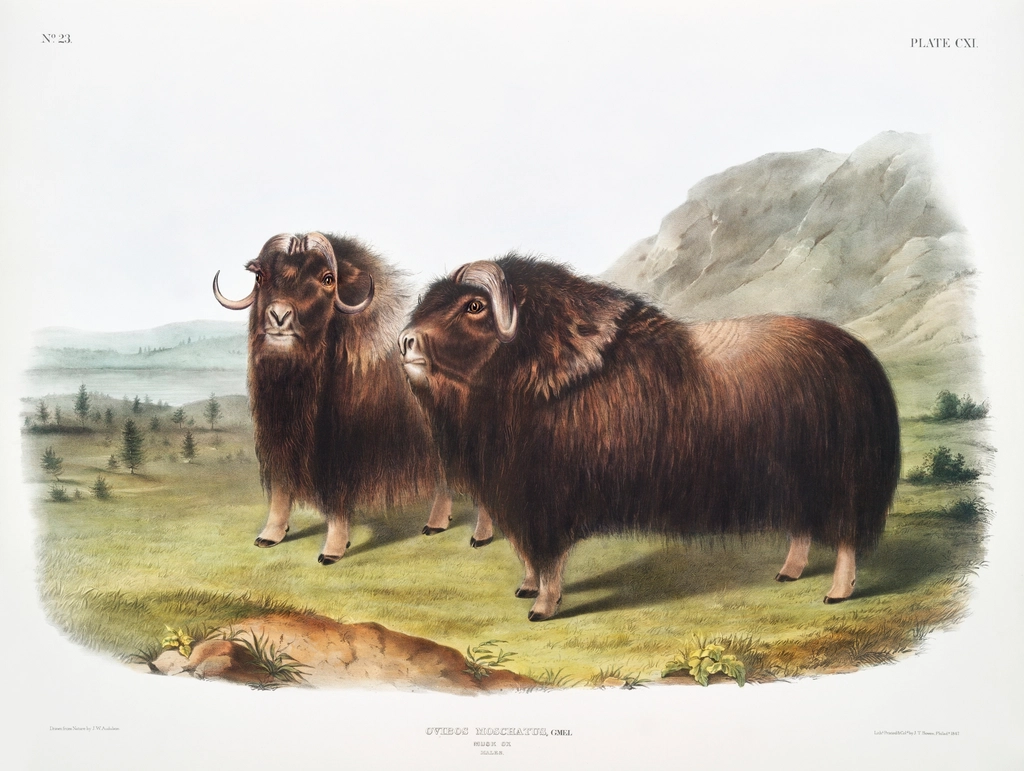
The name is derived from the Arabic لأًى (laʾan) “wild ox,” which can also have the euphemism of a shield or protector. Interestingly enough, it may share the same etymological root as the Hebrew female name, Leah.
The name is borne by Lu’ayy ibn Ghalib (3rd-century C.E.) who was the ancestor of the Islamic prophet Muhammed.
The name comes from the ancient Semitic root √W-Z-N / √ʾ-Z-N, meaning “to weigh, measure, or balance.”
Its Arabic use is from mīzān (ميزان) → “balance, scales,” appearing throughout the Qur’an as the mīzān al-ʿadl — the scales of divine justice and its Geʽez / Amharic use comes from mäzan / mizan (መዛን), meaning “measure, equilibrium, fairness.”
Compare to Hebrew moznaim (מאזניים) “the balances,” also symbolizing moral and cosmic fairness and the name of the astrological sign of Libra, though it is not used as a given-name.
In the Islamic world, Mizan represents the moral equilibrium of the universe — the balance by which every soul’s deeds are weighed.
In Ethiopian usage, Mizan retains the literal sense of “measure” but has become a spiritual and philosophical name, expressing inner balance and moral clarity. It’s also a familiar place name — as in Mizan Teferi, “Prince of Balance,” a town in southwest Ethiopia.
An Arabic male name derived from the verb ʿazza (عزّ) meaning “to be mighty, strong, honored.”
In Islam, al-Muʿizz (ٱلْمُعِزّ) — “The Bestower of Honor” — is one of the 99 Names of Allah.
The most notable bearer is al-Muʿizz li-Dīn Allāh (953 – 975 CE), the fourth Fatimid caliph, renowned for founding the city of Cairo (al-Qāhira) in 969 CE.
It is used throughout the Islamic world, but is particularly common among Muslims in Nigeria.
The name comes directly from the Arabic لمِيس (lamīs), meaning “soft; tender; soft to the touch.”
An Urdu and Bengali form is Lamisa.
Alternately, it appears in Greek mythology, in the epic Dionysiaca by Nonnus of Panopolis as the name of one of the leaders of the satyrs who joined the army of Dionysus in his campaign against India. In that context, the meaning of the name is not clarified and the mythological reference is very obscure.
The name is from the Arabic word مَوَدَّة (mawaddah), meaning, “affection; love; friendship.” It has the same sense as the Greek word and name, Agape. It is ultimately derived from the Arabic root و-د-د (w-d-d), meaning, “love; affection; compassion.”
From the Arabic verb تَمايَدَ (tamayada), meaning “to sway gracefully, to move with a gentle or elegant motion.” It comes from the triliteral root م ي د (m-y-d), which carries connotations of swaying, oscillating, or walking with poise and pride.
It is mainly used in the Levant, Gulf Countries and Sudan.
Two notable bearers are Syrian singer singer, Mayada El-Hennawy (b. 1959) and Palestinian-German runner, Mayada Al-Sayad (b. 1992).
The name comes directly from the Arabic word نُعْمان (nu’man), which is a poetic term describing “blood” as in a type of blood that brings vitality and beauty. It is also the word for the colour crimson and the anemone flower. It is ultimately from the root n–ʿ–m (ن ع م), which shares the same root with Naim نعم (comfort, tranquility, luxury, ease).
Numan ibn al-Munḏir (d. 602 CE) was one of the last Lakhmid kings of al-Ḥīrah, a pre-Islamic Arab Christian kingdom in southern Iraq. He is remembered in Arabic literature for his eloquence and patronage of poets.
In early Islamic history, Numan ibn Bashir al-Ansari (d. 684 CE) was a Companion of the Prophet Muḥammad and a prominent figure in the first Islamic century.
Sabih صبيح is a masculine Arabic name which comes directly from the Arabic word, صَبيح (ṣabīḥ), meaning, “comely; beautiful; handsome; graceful.” It is ultimately derived from the Arabic root word, صبح (ṣabuḥa) “to be beautiful; to be radiant; to beam.”
Sabiha صبيحة is its feminine form. It’s feminine form was borne by Sabiha Sultan (1894-1971) an Ottoman princess, the third and last daughter of Sultan Mehmed VI; the first Turkish female sculptor, Sabiha Bengütaş (1904-1992); and Turkish combat pilot, Sabiha Gökçen (1913-2001).