Photo by Guilherme Almeida on Pexels.com
- Origin: Yoruba
- Meaning: “I see joy; I found joy.”
- Gender: feminine
- Pronunciation: moh-RYE-o
The name is composed of the Yoruba words mo (I), rí (see, find) & ayo (joy).
Sources
The name is composed of the Yoruba words mo (I), rí (see, find) & ayo (joy).
Sources

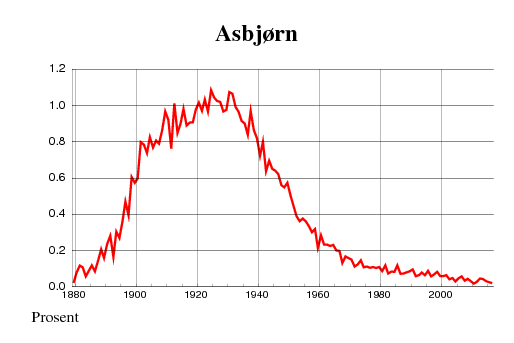
Osborn and Asbjørn are both composed of the Norse elements áss (god) & bjǫrn (bear), essentially meaning “divine bear.” Osborn is the modern Anglo-Saxon equivalent of Osbeorn, the latter of which was prevalent in Anglo-Saxon England and survived into the Norman period as Osbern, later developing into the common English patronymic surnames of Osbourne & Osbourn. Its Scandinavian equivalents still survive today in the forms of Esben (Danish), Espen (Danish, Norwegian) and still Asbjørn (Norwegian); and Asbjörn & Esbjörn (Swedish).
Osbeorn was borne by the son of Siward of Northumbria (circ. 11th-century CE) and one of the fallen of the Battle of the Seven Sleepers in Scotland. It was also borne by Osbern de Crépon (circ. 11th-century CE), one of the stewards of the Duke of Normandy. There are several other famous Anglophone personages who bear it as a surname and forename.
Asbjørn appeared in the Norwegian Top 100 Male Names between between 1945 & 1967, it peaked at #35 in 1946-7, while Espen appeared in the Top 100 in Norway between 1957-2004, peaking at #8 in 1982.
The designated name-day for Asbjörn is May 10th in Sweden.
General Scandinavian diminutive forms used in all Norse countries are Ebbe, Bjarne & Bjarni.
Short forms in English include Oz(z), Ozzie & Ozzy.
Other forms include:
Sources
The name comes from the Igbo meaning “father’s mother,” it is sometimes given to girls who families believe the father’s mother has been reincarnated.
Sources

The name is an Urhobo unisex name meaning “God is worship-worthy.” Common short forms are Oghene & Tega.
Sources
The name comes directly from the Hebrew adjective meaning “pretty; pleasant,” and a Hebrew verb meaning “to want; to desire.”
It may be a direct translation of the traditional Ashkenazi name Shayna or the Mizrahi/Sephardi name, Jamila. However, the word has more of the meaning of someone who is “enticing” or “alluring” vs just “beautiful” as other sites have translated.
The term is found in the Song of Songs 2:14, but was not used as a given-name until after the creation of the modern state of Israel.
Sources
Both names are derived from the Sanskrit मिष्ट meaning “sweet; savory; dainty” and can also refer to a type of sweetmeat.
Mishti is the name of a character on the Australian soap series, Neighbors and is borne by Indian actress Mishti (nee Indrani Chakraborty 1992).
Perhaps a perfect name for a child born during Diwali.
Sources
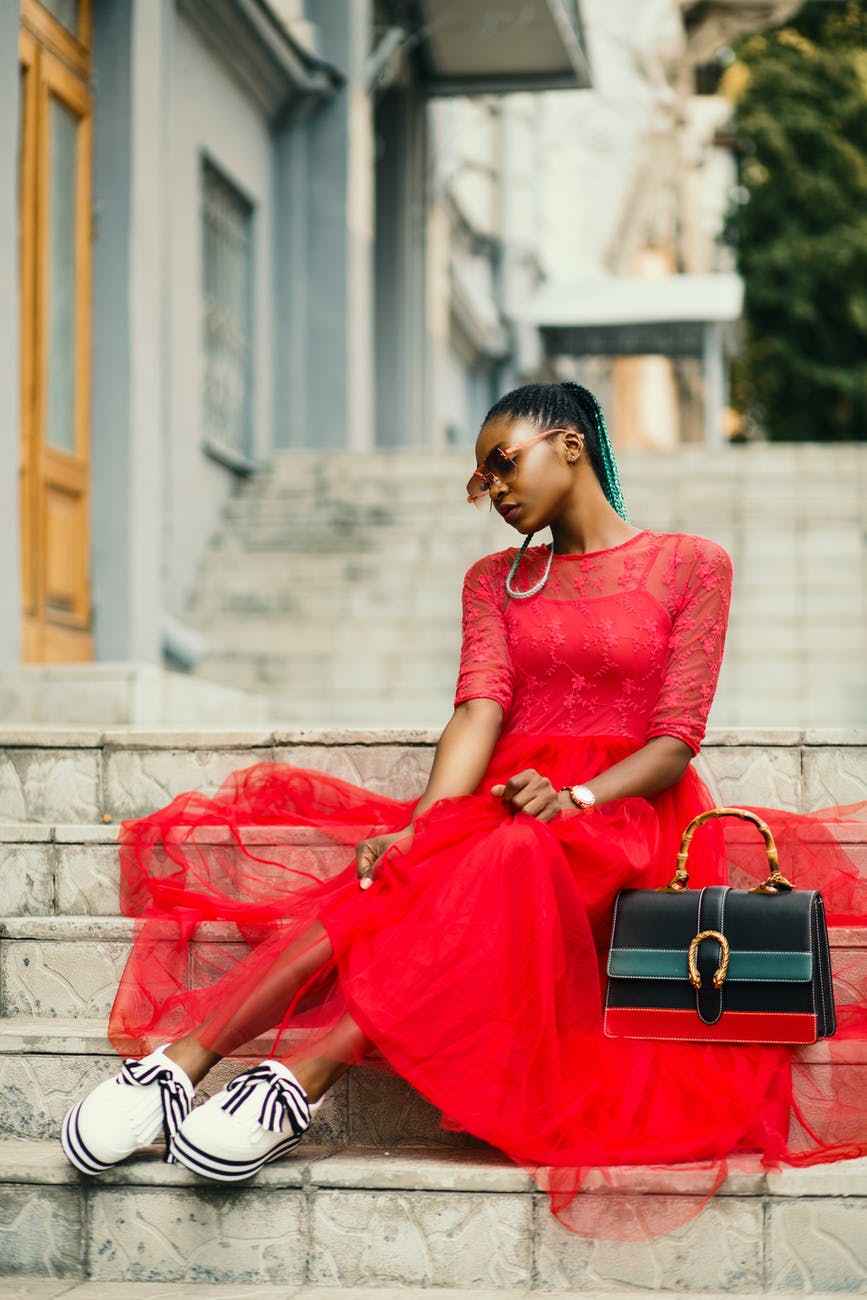
The name is composed of the Yoruba words ômô (child) and öröôlá (wealth).
It is often shortened to Lola.
A notable bearer is British actress, Lola Young (nee Margaret Omolola), Baroness Young of Hornsey (b. 1951).
Sources

The name is from the plural of the Arabic word rabwah meaning “hill.”
Other transliterations are Rooba, Roba & Rubaa
Sources
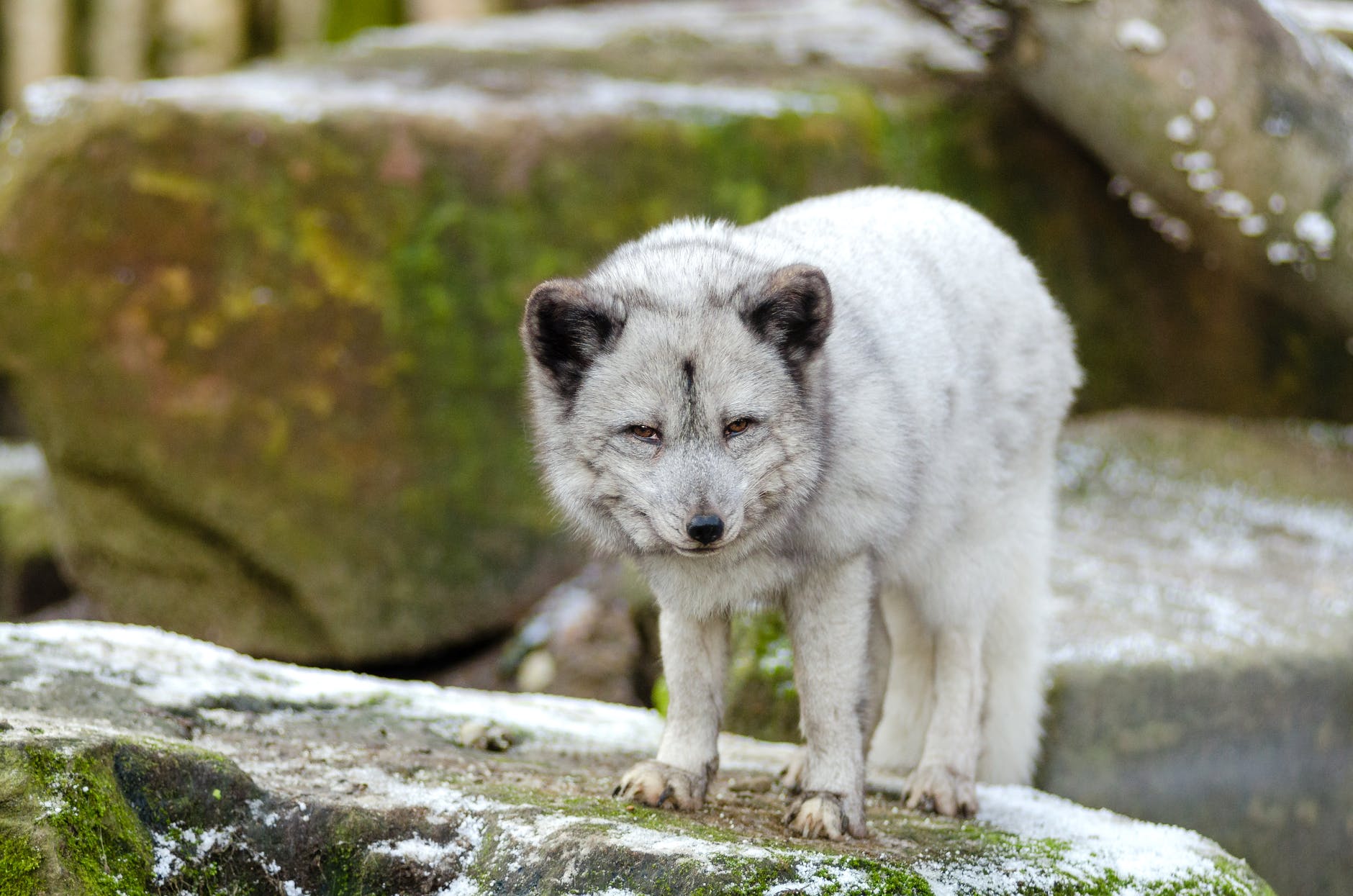
The name is derived from the Gaelic, faol, meaning “wolf” and the diminutive suffix –án. It is borne by 3 Medieval Saints from Ireland, 2 who settled in Scotland and another that did missionary work in Frankish Brabant.
There is a Cathedral dedicated to St. Foillan of Brabant in Aachen, Germany.
It is the ancestor of several Irish and Scottish surnames, such as Fylan, Hyland, MacClellan, MacClelland, Mac Giolla Fhaoláin, McClellan, McClelland, Ó Faoláin, Phelan, Whalen & Whelan.
Fillan is also the name of a place in Norway, but the name is probably of a separate etymology.
Other forms include:
Sources
The name is derived from the Sanskrit प्रीति (prīti), which means, “love; joy; kindness; pleasure; favor; affection; sweetheart.” Another form is Pritika.
It is sometimes transliterations as Preeti & Preetika.
A notable bearer is British Secretary of State for the Home Department, Priti Patel (b. 1972).
Sources