
- Origin: Shona
- Meaning: “to be thankful.”
- Gender: Unisex
- TEN-dye
From the Shona word tenda or kutenda (to give thanks), it is technically unisex but slightly more common for boys.
Sources
From the Shona word tenda or kutenda (to give thanks), it is technically unisex but slightly more common for boys.
Sources
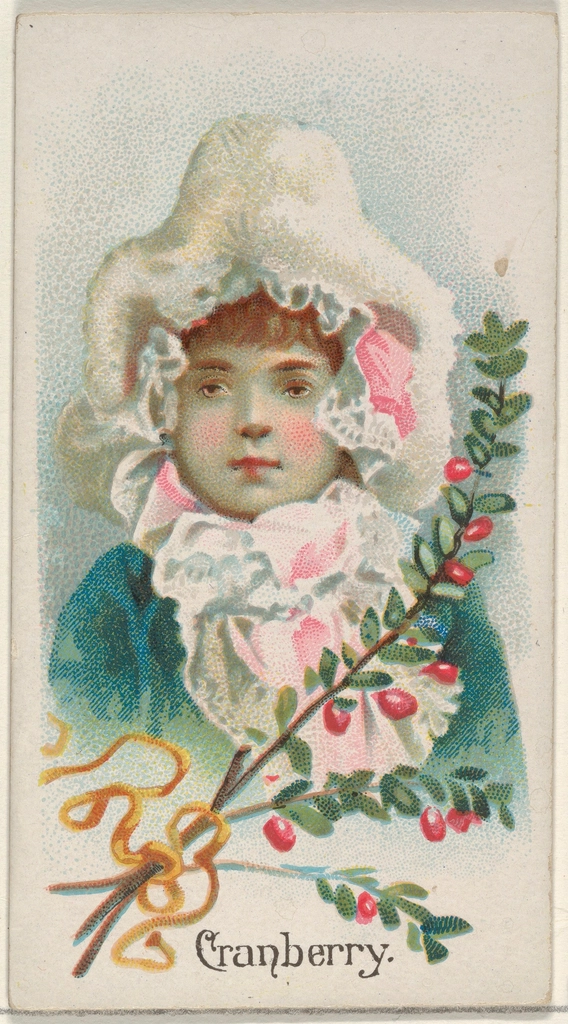
A Pre-Christian Mordvin female name meaning, “cranberry.”
Source

The name comes from the Tswana word for gratitude.
Sources

A Gaulic name meaning, “good feast.”
Source

The name is from the Igbo meaning “thanks; gratitude.”
Sources

The name comes directly from the Turkmen word for “a feast” or “a gathering.”
The name is also sometimes spelled Meilis.
A notable bearer is Turkmen chess champion, Meylis Annaberdiyev (b. 1985).
Sources

The masculine name Kaldi and the feminine Kalda is derived from the Old Norse meaning, “cold; chill.”
Sources

The name comes directly from the Arabic word فِضَّة (fiddah), meaning “silver”, it is sometimes transliterated as Fizzah.
Another form is Fizziyah فِضِّيَّة, which means “silvery.” Also transliterated as Fiddiyah.
Fizzi فِضِّي is a unisex variation.
It is the same word in Maltese, but spelled Fidda. It is not used as a given-name in Malta, but may hypothetically make a nice Maltese female name since it is already used as a legitimate Arabic female name in other parts of the world.
Other forms include:
Other transliterations include: Feda, Fedda, Fedha, Feza, Fezza, Fidda, Fida & Fidha.
Sources

The name comes directly from the Sanskrit word हिमानी meaning, “a mass of collection of snow; snow dirft.”
Sources
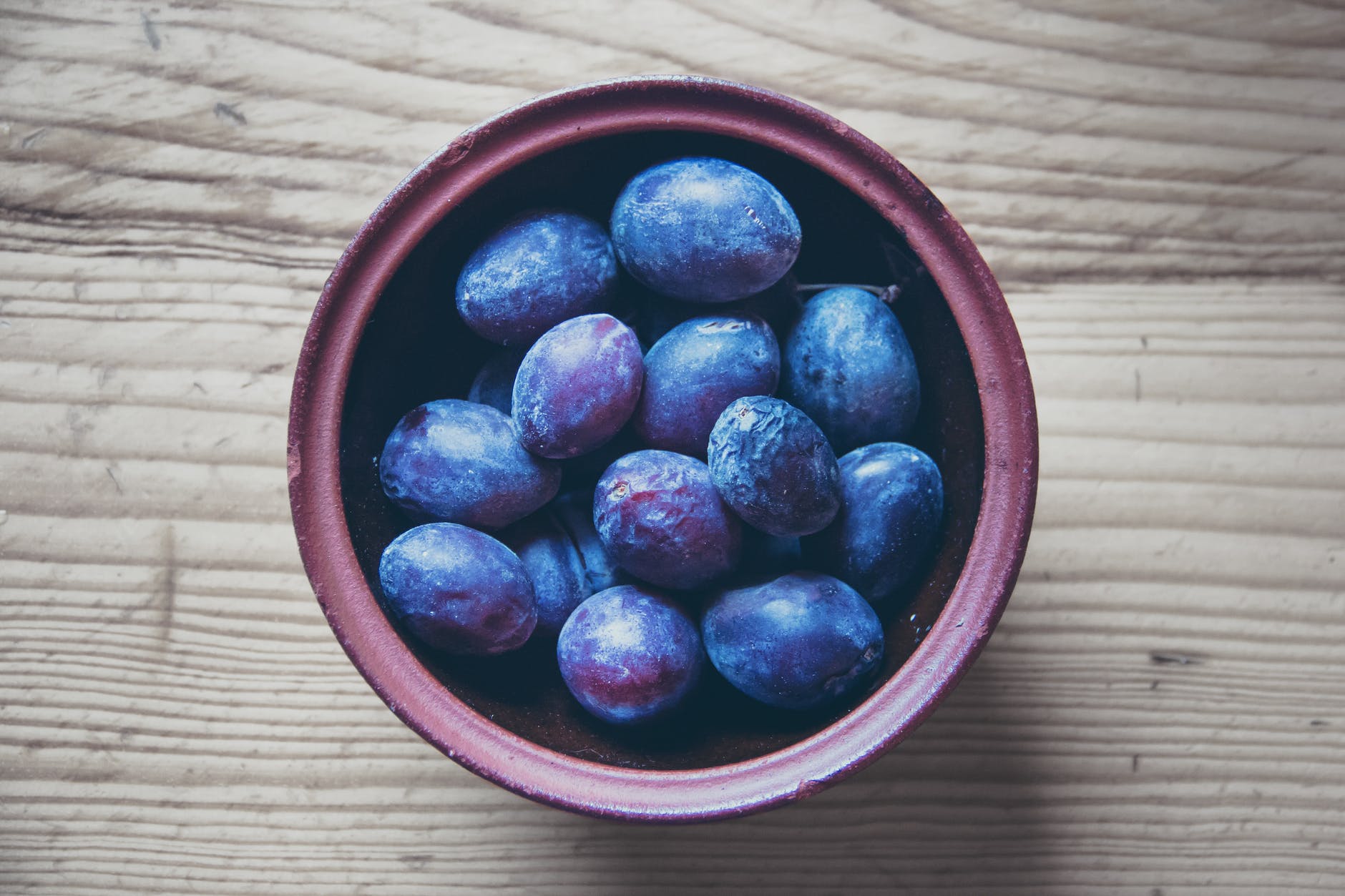
The name is a transliteration of the Chinese unisex name 冬梅 (winter plum). This is the most popular form. Other character combinations for this name are possible, which then alters the meaning and in some cases, the gender. There is 东 dong (east) & 梅 mei (plum; apricot); or 东 mei (little sister) or 美 mei (beautiful). There are numerous other character combinations that will alter the meaning.
Sources