Silver, Silvère

Gender: Masculine
Origin: Latin
Meaning: “woods”
Fre (seel-VARE)

The name is derived from the Latin, Silverius, which may possibly be from the Latin word, silva, meaning “forest; woods.”

Its occasional modern usage in English speaking countries is more likely due to its association with the English for the precious metal of the same name.

The name was borne by a few early saints, the most notable be Pope Saint Silver (536-537).

Other forms of the name include:

Siveri (Catalan)
Silverije (Croatian)
Silver (English/Estonian)
Silverio (Galician/Italian/Spanish)
Sylweriusz (Polish)
Silvério (Portuguese)
Silveriu (Romanian)

The designated name-days are June 20 (France) and December 31 (Estonia).

A feminine form is the Spanish/Italian Silveria.

Sources

  1. http://www.behindthename.com/comment/search.php?terms=silver

Květa

Gender: Feminine
Origin: Czech
Meaning: “flower.”
(KFYEH-tah)

The name comes directly from the Czech word kvet meaning “flower” and was originally used as a vernacular form of the Latin, Flora.

In the Czech Republic, the designated name-day is June 20.

Another form, albeit rare, is the Polish, Kwieta.

Sources

Tycho

Gender: Masculine
Origin: Greek
Meaning: debated
Eng (TIE-ko); Dutch (TEE-ko)

The name is derived from the Greek, Tychon (Τυχων) meaning, “hitting the mark.” Another etymology is that it could be derived from the Greek, tyche, meaning “luck.”

The name was borne by a Greek saint, but its most notable bearer was Danish astronomer, Tycho Brahe (1546-1601).

The name has enjoyed widespread usage throughout Northern Europe. It is believed that the name may have started off as a Latinized equivalent for the Old Norse, Toki, meaning “jerk; simpleton”, or as a Latinized form of Torkel.

The designated name-day in Greece is June 16.

Other forms of the name include

  • Tyge (Danish)


  • Tycho (Dutch/German/Latin)


  • Teiko (Finnish)


  • Tyyko (Finnish)


  • Tyko (Norwegian/Swedish)


  • Tikhon Тихон (Russian)


  • Tage (Swedish)


Sources

  1. http://www.behindthename.com/name/tycho
  2. http://www.nordicnames.de/wiki/Tycho

Germain, Germaine

Origin: French/Latin
Meaning: “seed”

The names are derived from the Roman cognomen, Germanus, which is derived from the Latin, germen, meaning “seed.” The meaning may have been synonymous with “brother; relative” or “blood relation.”

Germain is the French masculine form while Germaine (jer-MANE) Eng; (zhare-MEHN) Fre, is the feminine form.

St. Germaine Cousin was a 16th-century French saint and shepherdess. She was said to have suffered from a debilitating form of Tuberculosis, which crippled her, and she was also physically abused by her stepmother. She was renowned for her piety.

After her death, several miracles were attributed to the saint, and she has been venerated ever since, being canonized by the Catholic Church in 1867.

In France, the designated name-day is June 15.

Other forms of the name include:

    Germana (Italian/Polish/Portuguese/Spanish)
    Zermena (Latvian)

Another masculine form is the Italian/Spanish/Portuguese, Germano. A Polish masculine form is German.

Sources

  1. http://en.wikipedia.org/wiki/Catholic_Encyclopedia
  2. http://www.behindthename.com/name/germanus

Guy

Gender: Masculine
Origin: French
Meaning: “wood; wide.”
Eng (GIE); Fre (GEE)

The name is derived from the early Germanic name Wido which is possibly derived from the Germanic element, widu, either meaning, “wood” or “wide.”

The name was introduced into England after the Norman Conquest, but after the infamy of 16th-century Guy Fawkes the name went out fashion. It was, however, always a very common name among French-Americans, especially among the French Acadians of Louisiana.

The Italian form is Guido, which has been a fairly common name among Italian-Americans but is now associated with a controversial term describing a middle class Italian-American from the East Coast of the United States. This was especially brought to attention after the 2009 reality tv show, Jersey Shore. However, it is uncertain if the term used to describe a particular class of people within the Italian community is related to the given name or to a different etymological source.

The name was borne by a Sicilian saint and martyr.

The designated name-day in France is June 12.

Other forms of the name include:

  • Guiu (Catalan)
  • Vid (Croatian/Hungarian/Slovene)
  • Vít (Czech/Slovak)
  • Vitus (Danish/Dutch/German/Hungarian)
  • Gwijde (Dutch)
  • Guy (English/French)
  • Guidon (French)
  • Gui (French)
  • Wide (Frisian)
  • Guido (German/Italian)
  • Veit (German)
  • Wido/Wito (German)
  • Cino (Italian)
  • Guidarello (Italian)
  • Guidino (Italian)
  • Guidolino (Italian)
  • Guidone/Guittone (Italian)
  • Guidotto (Italian)
  • Guiduccio (Italian)
  • Guittoncino (Italian)
  • Gvidas/Gvidonas (Lithuanian)
  • Gwido (Polish)
  • Wit (Polish)
  • Guidas (Romansch)
  • Guidi (Slovene)
  • Gvido/Gvidon (Slovene)
  • Vito (Spanish)

French masculine diminutives include: Guitou, Guiton, GuiGui & Guy-Guy

Feminine offshoots include:

  • Vita (Danish)
  • Guyenne (French)
  • Guyette (French)
  • Guyonne (French)
  • Vida (Hungarian/Slovene)
  • Guida (Italian/Romansch)
  • Guidetta (Italian)
  • Gvida (Slovene)
  • Gvidica (Slovene)

Sources

  1. http://www.behindthename.com/php/related.php?name=guy
  2. http://www.askoxford.com/firstnames/guy?view=uk

Saintly Sunday

Since I have been behind in my posts, I thought my readers deserved an extra feature this weekend. Saints names. Sure, we are all familiar with Bernadette, Margaret Mary, Theresa, Peter and Luke, but the Catholic Church’s Calender of Saints offers us a huge variety of unique names, whether you are Catholic, Orthodox or just looking for an interesting name to bestow upon your child, the below list offers a wide range of unique yet very legitimate names.

Each name of the saint is divided by nationality (m) stand for Male while (f) stands for Female.

Some interesting Saint’s name that might be of interest to the expectant parent:

Armenian

  • Arsen (m)
  • Barak (m)
  • Beemen (m)
  • Khoren (m)
  • Mamwell (m)
  • Mesrob (m)
  • Narek (m)
  • Nouneh/Nune (f)
  • Pakos (m)
  • Yeprem (m)

Breton

  • Azenor (f)
  • Canna (f)
  • Clervie (f)
  • Derrien (m)
  • Enora (f)
  • Fragan (m)
  • Gobrien (m)
  • Gwenfrewi (f)
  • Kirio (m)
  • Koupaïa (f)
  • Maclou (m)
  • Mael (m)
  • Malo (m)
  • Milio (m)
  • Morwenna (f)
  • Noyala/Noyale (f)
  • Nolwenn (f)
  • Onenne (f)
  • Peran (m)
  • Rittan (m)
  • Samzun (m)
  • Trillo (m)
  • Urielle (f)

Bulgarian

  • Astion (m)
  • Boyan (m)
  • Kamen (m)
  • Kiril (m)
  • Naum (m)
  • Raiko (m)

Catalan

  • Eulàlia (f)
  • Just (m)
  • Ot (m) (might make a cool one syllable middle name)
  • Pacian (m)
  • Sever (m)

Cornish

  • Austell (m)
  • Brychan (m)
  • Burian (f)
  • Croidan (m)
  • Endellion (f)
  • Keyne (f)
  • Kigwe (f) KIG-wee
  • Levin (m)
  • Mabyn (f)
  • Marwenna (f)
  • Minver (f)
  • Newlina (f)
  • Salom (m)

Croatian

  • Kvirin (m)

Danish

  • Ansgar (m)
  • Thøger (m)

Dutch

  • Aleydis (f)
  • Alina (f)
  • Falco (m)
  • Godelieve (f)

Egyptian

  • Abanoub (m)
  • Abraam (m)
  • Ashraf (m)
  • Bishoi (m)
  • Demiana (f)
  • Lot (m)
  • Paisi (f)
  • Pamin (m)
  • Piama/Piamun (f)
  • Potamina (f)
  • Maysoon (f)
  • Samia (f)
  • Talida (f)

English

  • Alban (m)
  • Anselm (m)
  • Averil (f)
  • Bede (m)
  • Billfrith (m)
  • Birin (m)
  • Boswell (m)
  • Britwin (m)
  • Caedmon (m)
  • Credan (m)
  • Day (m)
  • Dotto (m)
  • Dunstan (m)
  • Ebba (f)
  • Elstan (m)
  • Enswith (f)
  • Eskil (m)
  • Fursey (m)
  • Ina (f)
  • Ivo (m)
  • Lewina (f)
  • Merwinna (f)
  • Modwen (f)
  • Odo (m)
  • Osana (f)
  • Rumon (m)
  • Sanctan (m)
  • Sebbi (m)
  • Swithun (m)
  • Sythe (f)
  • Tanco (m)
  • Tetta (f)
  • Tibba (f)

French

  • Bond (m)
  • Céronne (f)
  • Césarie (f)
  • Cloud (m)
  • Dreux (m)
  • Emérance (f)
  • Evronie (f)
  • Fare (f)
  • Faustine (f)
  • Fingen (m)
  • Gauthier (m)
  • Gibrien (m)
  • Grimonie (f)
  • Harvey (m)
  • Ismérie (f)
  • Julienne (f)
  • Meldon (m)
  • Namadie (f)
  • Néomaye (f) ney-oh-may
  • Noémoise (f) no-ey-mwahz
  • Pepin (m)
  • Quitterie (f) pronounced keet-teh-hree
  • Reine (f)
  • Ségolène (f)
  • Solange (f)
  • Soline (f)
  • Tressan (m)
  • Vigor (m)
  • Vitaline (f)
  • Wivine (f)

Galician

  • Aldara (f)
  • Gonzalo (m)
  • Paio (m)

German

  • Afra (f)
  • Alto (m)
  • Ambet (f)
  • Anno (m)
  • Attalia (f)
  • Bardo (m)
  • Benno (m)
  • Brito (m)
  • Coloman (m)
  • Cordula (f)
  • Hazeka (f)
  • Odilia (f)
  • Oranna (f)
  • Roswitha (f)
  • Sturm (m)

Greek

  • Anastasia (f)
  • Anthusa (f)
  • Anysia (f)
  • Apollos (m)
  • Basilissa (f)
  • Calliope (f)
  • Cleopatra (f)
  • Emmelia (f)
  • Ephraim (m)
  • Jerome (m)
  • Lybe (f)
  • Menodora (f)
  • Myrope (f)
  • Nicon (m)
  • Orestes (m)
  • Photine (f)
  • Philemon (m)
  • Philo (m)
  • Philothea (f)
  • Theone (f)
  • Timon (m)

Hungary

  • Emeric
  • Laszlo

Irish

  • Balin (m)
  • Becan (m)
  • Benen (m)
  • Brogan (m)
  • Caimin (m)
  • Cainder (f)
  • Ciara (f)
  • Coca (f)
  • Colman (m)
  • Conall (m)
  • Cormac (m)
  • Dallan (m)
  • Dymphna (f)
  • Edana (f)
  • Ermina (f)
  • Fedelma (f)
  • Finian (m)
  • Fintan (m)
  • Foila (f)
  • Ita (f)
  • Kenan (m)
  • Kennera (f)
  • Kilian (m)
  • Kinnia (f)
  • Lelia (f)
  • Loman (m)
  • Macallan (m)
  • Macartin (m)
  • Machai (m)
  • Mella (f)
  • Modan (m)
  • Monessa (f)
  • Odran/Odrian (m)
  • Phiala/Piala (f)
  • Scottin (m)
  • Thomian (m)
  • Trea (f)
  • Trien (m)

Italian

  • Aldobrandesca (f)
  • Archanegla (f)
  • Asteria (f)
  • Bacco (m)
  • Caio (m)
  • Carissima (f)
  • Caro (m)
  • Celestina (f)
  • Chiara (f)
  • Dulcissima (f)
  • Fina (f)
  • Fosca (f)
  • Franca (f)
  • Giovina (f)
  • Grata (f)
  • Gaudenzia (f)
  • Gemma (f)
  • Messalina (f)
  • Nereo (m)
  • Nilo (m)
  • Panacea (f)
  • Pierina (f)
  • Oronzo (m)
  • Rocco (m)
  • Romola (f)
  • Sofronia (f)
  • Verdiana (f)
  • Vilana (f)
  • Vincenza (f)
  • Zita (f)

Latin/Roman

  • Asella (f)
  • Caius (m)
  • Cassius (m)
  • Cyra (f)
  • Dafrosa (f)
  • Emiliana (f)
  • Fabiola (f)
  • Flavia (f)
  • Galla (f)
  • Juliana (f)
  • Julitta (f)
  • Lucian (m)
  • Marana (f)
  • Marcellina (f)
  • Martial (m)
  • Maximus (m)
  • Montanus (m)
  • Pastor (m)
  • Prisca (f)
  • Serapia (f)
  • Vissia (f)

Lebanese

  • Appian (m)
  • Charbel (m)
  • Habib (m)
  • Rafka (f)
  • Sabas (m)

Polish

  • Aniela (f)
  • Faustina (f)
  • Michalina (f)
  • Salomea (f)

Portuguese

  • Alexandrina
  • Jacinta

Romanian

  • Calinic (m)
  • Theotim (m)

Scottish

  • Blane (m)
  • Conwall (m)
  • Kennera (f)
  • Kevoca/Quivoca (f)
  • Nathalan (m)
  • Rule (m)
  • Thanea (f)
  • Thaneva (f)

Spanish

  • Amunia (f)
  • Aurea  (f)
  • Casilda (f)
  • Florentina (f)
  • Garcia (m)
  • Inigo (m)
  • Madrona (f)
  • Marciana (f)
  • Millán (m)
  • Oria (f)
  • Orosia (f)
  • Pelayo (m)
  • Soledad (f)
  • Urbicio (m)

Welsh

  • Aled (f)
  • Baglan (m)
  • Brannock (m)
  • Cai (m)
  • Caian (m)
  • Crallo (m)
  • Dwynwen (f)
  • Elined (f)
  • Eiliwedd (f)
  • Kanten (m)
  • Madoc (m)
  • Madrun (f)
  • Maelrhys (m)
  • Melangell (f)
  • Teilo (m)
  • Tysilio (m)

Ugandan

  • Kizito (m)

So, which country offers the coolest selection of saint’s names?

Sources

  1. http://chrsouchon.free.fr/saintsbe.htm
  2. http://www.britannia.com/bios/saints/
  3. http://www.paradoxplace.com/Photo%20Pages/UK/British%20History/English_Saints_&_Kings.htm
  4. http://celticsaints.org/
  5. http://www.skete.com/index.cfm/fuseaction/product.display/product_id/1516/index.cfm
  6. http://www.catholic.org/saints/stindex.php
  7. http://www.catholic.org/saints/

Monica

Gender: Feminine
Origin: unknown
Meaning: unknown
Eng (MAHN-ih-kuh)

The name is of uncertain origin or derivation, but some have connected it with the Latin monere meaning “to advise” or the Greek monos meaning, “one.”

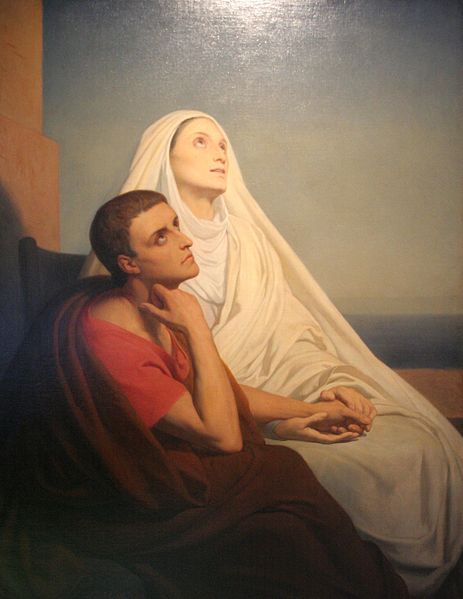
The name was popularized by St. Monica of Hippo (the mother of St. Augustine) who was believed to have been of Berber extraction but was also a citizen of Carthage. For these reasons, many have suggested that the name is actually a name of North African or Phoenician origins and its meaning has been lost to history.

Monica has been a very popular saint amongst Catholics since the early Middle Ages, so the name has always been in usage in Catholic countries. In the English-speaking world, the name did not really catch on until the 18th-century. In 1977, she peaked in the U.S. popularity charts, coming in as the 39th most popular female name. Currently, she is the 34oth most popular female name (2009). Her rankings in other countries are as follows:

  • # 72 (Slovenia, 2005)
  • # 10 (Slovakia, 2004)
  • # 94 (Spain, 2008)

Other forms of the name include:

  • Mònica (Catalan)
  • Monika (Amazigh/Croatian/Czech/Estonian/German/Kabyle/Latvian/Lithuanian/Maltese/Norwegian/Polish/Slovak/Slovene/Swedish)
  • Monica (Danish/Dutch/English/Italian/Romanian/Romansch/Swedish)
  • Moonika (Estonian)
  • Mooni (Estonian)
  • Monique (French)
  • Mónika (Hungarian)
  • Mônica (Portuguese)
  • Mónica (Spanish)

German short forms are Mona and Moni and a Polish diminutive is Monia.

The designated name-days are: May 4 (Hungary/Lithuania/Poland/Sweden), May 7 (Slovakia), May 21 (Czech Republic), June 13 (Estonia), August 27 (Germany), October 6 (Latvia).

Sources

  1. http://www.askoxford.com/firstnames/monica?view=uk
  2. http://www.behindthename.com/name/monica

Tamar, Tamara

Gender: Feminine
Origin: Hebrew
Meaning: “date palm, palm tree.”
Тамара
თამარ

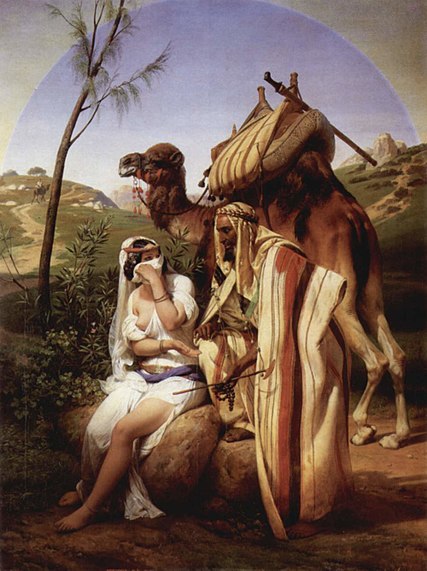
The name was borne in the Old Testament by a daughter-in-law of Judah (Genesis 38) and also by the daughter of King David (2 Samuel 13) .

The name is derived from the Hebrew meaning, “date palm” or “palm tree.”

Since both characters are involved in some seamy controversy, the name was never historically a common name among Jews or Christians. Its popularity may have been awakened when it was introduced into the Western World via the Ballet Russe where a few Russian ballerinas of Georgian descent bore the name. Its popularity may have been further realized via Polish cubist painter Tamara de Lempicka (born Maria Gorska) 1898-1980.

The name had always been common in Russia, Armenia and Georgia, but in this case, the name seems to have been borne by a sky goddess in Georgian mythology and was also the name of a famous Georgian queen and saint and therefore has no relation to the Biblical name.

During the 1940s-50s, the spin-off diminutive form of Tammy became popular as a given name in its own right, most likely due to the popularity of the Tammy movies. In 1966, it was the 8th most popular female name, as of recent years, she does not appear in the U.S. top 1000.

Tamara’s popularity has spread outside of Russia and Georgia. Her rankings in other countries are as follows:

  • # 52 (Chile, 2006)
  • # 147 (Germany, 2009)
  • # 57 (Hungary, 2008)
  • # 59 (Slovenia, 2005)

The designated name-days are: January 26 (Slovakia), March 22 (Latvia), April 28 (Russia), May 1 (France), May 2 (Russia), June 3 (Czech Republic/Poland), December 29 (Hungary).

Tamara also happens to coincide with a Sanskrit word for spice and in Malayalam and Tamil, Tamara means “lotus flower.”

Other forms of the name include:

  • T’amar (Georgian)
  • Tamari (Georgian)
  • Tamro (Georgian)
  • Tamuna თამუნა (Georgian)
  • Tamwili (Georgian)
  • Tako (Georgian)
  • Támár (Hungarian)

An Armenian diminutive is Tamarig and a  Russian short form is Toma.

Sources

  1. http://www.askoxford.com/firstnames/tamara?view=uk
  2. http://www.behindthename.com/php/find.php?name=tamara
  3. http://en.wikipedia.org/wiki/Tamar_of_Georgia

Peter

Gender: Masculine
Origin: Greek
Meaning: “rock.”
Eng (PEE-ter)

The name is derived from the Greek Πετρος (Petros) meaning, “rock.”

The name is found in the New Testament as a vernacular translation for the Aramaic Cephas (rock) a nickname designated to the Apostle Simon Bar-Jonah by Jesus. He is known as St. Peter, and Catholics traditionally attribute him as being the first Pope.  Among other denominations, he is considered to be one of Christ’s most prominent apostles.

Due to the associations with the apostle, Peter became an extremely prevalent male name throughout the Christian world.

The name seems to have been in usage in England since early times, but became especially popular after the Norman invasion. During this period, the form of Piers was preferred, being gradually replaced in popularity by Peter over the centuries.

Currently, Peter is 191st most popular male name in the United States, (2009). He has been steadily declining in the United States for the past 10 years, in 2000 he ranked in at # 125. His rankings in other countries, however, has not faltered. His rankings including his vernacular forms are as follows:

  • # 7 Pedro (Brazil, 2009)
  • # 9 Petar (Bulgaria, 2008)
  • # 15 Petr (Czech Republic, 2009)
  • #38 Pierre (France, 2006)
  • # 3 (Greenland, 2003-2004)
  • # 8 (Hungary, 2008)
  • # 33 Petur (Iceland, 2008)
  • # 70 (Ireland, 2008)
  • # 25 Pietro (Italy, 2007)
  • # 8 Pēteris (Latvia, 2005)
  • # 9 Petar (Macedonia, 2006)
  • # 10 Piotr (Poland, 2008)
  • # 3 (Slovakia, 2004)
  • # 59 (Slovenia, 2005)
  • # 50 Pedro (Spain, 2008)

Other forms of the name include:

  • Petrus (Afrikaans/Dutch/German/Indonesian/Latin/Limburgish/Plattdeutsch/Swedish)
  • Pieter (Afrikaans)
  • Pjetër/Pjetri (Albanian)
  • Ṗeṭros ጴጥሮስ (Amharic/Ethiopian)
  • Pero (Aragonese)
  • Bedros/Pedros Պետրոս (Armenian)
  • Botros/Boutros/Butros بطرس (Arabic/Coptic)
  • Pedru (Asturian/Konkoni)
  • Pyotr (Azeri)
  • Betiri (Basque)
  • Kepa (Basque)
  • Peio (Basque)
  • Peru (Basque)
  • Petri (Basque)
  • Piatro Пятро (Belarusian)
  • Piotr Пётр (Belarusian/Polish)
  • Pêr (Breton)
  • Pierrick (Breton)
  • Penko Пенко (Bulgarian)
  • Petar Петар (Bulgarian/Croatian/Macedonian/Serbian)
  • Pere (Catalan)
  • Peder (Cornish/Danish/Lombard/Norwegian)
  • Petru (Corsican/Romanian/Sicilian)
  • Pyè (Creole)
  • Pero (Croatian/Serbian)
  • Petar Петар (Croatian/Macedonian/Serbian/Slovene)
  • Petr (Czech)
  • Pelle (Danish/Norwegian/Swedish: originally a diminutive, now occasionally used as an independent given name. PEL-le)
  • Peer (Danish/Dutch/German)
  • Per (Danish/Faroese/Norwegian/Swedish)
  • Peter (Danish/Dutch/English/German/Luxembourgish/Norwegian/Slovak/Swedish)
  • Peeter (Estonian)
  • Peiru (Extramadura)
  • Pætur/Petur (Faroese)
  • Patras پطرس (Farsi)
  • Pekka (Finnish)
  • Petteri (Finnish)
  • Petri (Finnish)
  • Pietari (Finnish)
  • Pierre (French)
  • Piter/Pier/Pit (Frisian)
  • P’et’re პეტრე (Georgian)
  • Petros Πέτρος (Greek)
  • Pathros (Hindi)
  • Péter (Hungarian)
  • Petres (Hungarian)
  • Peto (Hungarian)
  • Pétur (Icelandic)
  • Peadar (Irish-Gaelic)
  • Pietro (Italian/Albanian)
  • Petronius (Latin)
  • Pēteris (Latvian)
  • Petras (Lithuanian)
  • Pir (Luxembourgish)
  • Petre Петре (Macedonian/Romanian)
  • Pathrose (Malayalam)
  • Pietru (Maltese)
  • Peddyr (Manx)
  • Petera (Maori)
  • Petter (Norwegian/Swedish)
  • Pèir/Pèire/Pèr (Occitanian)
  • Pedro (Portuguese/Spanish)
  • Pêro (Portuguese: archaic)
  • Pidru (Quecha)
  • Peadar/Peader/Peder/Peidar/Peider (Romansch)
  • Pyotr Пётр (Russian)
  • Pedru/Perdu/Pretu (Sardinian)
  • Peadar/Peadair (Scottish-Gaelic)
  • Pyjter/Piter (Silesian)
  • Pětr (Sorbian)
  • Petero (Swahili)
  • Pär (Swedish)
  • Pethuru (Tamil)
  • Raayappar (Tamil)
  • Petro Петро (Ukrainian)
  • Piter (Uzbek)
  • Piero (Venetian)
  • Piitre (Vöro: an Eastern Estonian dialect)
  • Pedr (Welsh)

In French, Pierre is used in a number of compound names. Some of the most common include:

Some common Italian compound names include: Piergiuseppe, Pietropaolo, Pierpaolo, Pietrantonio, Pierantonio, Pierluigi , Piergiorgio , Pietrangelo, Pierangelo, Pierce, Pierfrancesco, Piermaria and Piersilvio

Its feminine form of Petra was once a very popular name in German-speaking countries, but is now considered rather dated. Throughout Central Europe, however, she is experiencing a strong trend. Her current rankings are as follows:

  • # 46 (Czech Republic, 2009)
  • # 9 (Hungary, 2008)
  • # 46(Slovenia, 2005)

Feminine forms include:

  • Peta (Afrikaans/English)
  • Penka Пенка (Bulgarian)
  • Petra(Bulgarian/Croatian/Czech/Dutch/Finnish/German/Greek/Hungarian/Scandinavian/Serbian/Slovak/Slovene/Spanish)
  • Petrina (Croatian/German)
  • Pernille (Danish/Norwegian)
  • Petrea (Danish)
  • Petrine (Danish/German/Norwegian)
  • Petronella (Danish/Norwegian/Swedish)
  • Pietronella (Dutch)
  • Parnel/Pernel (English: archaic)
  • Peronel (English: archaic)
  • Petronel (English: archaic)
  • Petriina (Finnish)
  • Pernelle (French)
  • Pernette (French)
  • Péroline (French)
  • Péronelle (French)
  • Perrenotte (French)
  • Perrette (French)
  • Perrine (French)
  • Pétronelle (French)
  • Peyronne (French)
  • Pierrine/Pierrette (French)
  • Pétronille (French)
  • Peekje (Frisian)
  • Peterke (Frisian)
  • Petje (Frisian)
  • Petke (Frisian)
  • Pierke/Pierkje (Frisian)
  • Pieterke (Frisian)
  • Pietje/Piertje (Frisian)
  • Petrónia (Hungarian)
  • Petronia (Italian/Latin/Polish)
  • Petronilla (Italian/Latin)
  • Piera/Pierina (Italian)
  • Pieretta (Italian)
  • Pieruccia (Italian)
  • Pietra/Pietrina (Italian)
  • Pietruccia (Italian)
  • Petronela (Polish/Romanian)
  • Petrona (Spanish)
  • Pernilla (Swedish)

Italian female compound forms include: Pierangela and Pieranna.

Common German pet forms are: Pedi, Petzi and Pezi

The designated name-days are: April 29 (Hungary) and June 29 (Hungary, Germany, Slovakia, Sweden).

Sources

Květoslav

Gender: Masculine
Origin: Czech
Meaning: “flower glory.”
(KFYEH-to-SLAHV)

The name is composed of the Slavic elements, květ meaning “flower” and slav (glory). Some sources list it as a vernacular form of the Latin, Florian.

The feminine form is Květoslava. The Polish forms are Kwiatosław (m) and Kwiatosława (f).

In the Czech Republic, the designated name-day is May 4.

Sources

  1. http://pl.wikipedia.org/wiki/Kwiatosław