Raymond

Gender: Masculine
Origin: German
Meaning: “advice protector.”
(RAY-mund)

The name is composed of the Germanic elements ragin (advice) and mund (protector). It was introduced to England via the Normans. It was borne by several saints.

Currently, Raymond is the 225th most popular male name in the United States, (2010).

Other forms of the name include:

  • Remund (Aragonese)
  • Erramun (Basque)
  • Raimon (Catalan)
  • Raimondu (Corsican)
  • Rejmond Рејмонд (Croatian/Serbian)
  • Rajmund (Czech/Hungarian)
  • Raimund (Danish/Finnish/Norwegian/Romanian/Swedish)
  • Ramund (Danish)
  • Raymundus (Dutch/Latin)
  • Raymond (Dutch/English/French)
  • Raimo (Finnish)
  • Reima (Finnish)
  • Reemt (Frisian)
  • Réamann (Gaelic)
  • Redmund/Redmond (Irish)
  • Raimund (German)
  • Reimund (German)
  • Raimundur (Icelandic)
  • Raimondo (Italian)
  • Raimonds (Latvian)
  • Remao (Limburgish)
  • Mao (Limburgish)
  • Raimondas (Lithuanian)
  • Reimund (Norman)
  • Raginmund (Old German)
  • Rajmund (Polish/Slovene)
  • Ramun (Romansch)
  • Arrammundu (Sardinian)
  • Ramundu (Sardinian)
  • Rámon (Spanish)
  • Raimundo (Spanish/Portuguese)
  • Raymundo (Spanish/Brazilian Portuguese)
A common English short form is Ray.

Feminine forms include:

  • Ramona (English/Hungarian/Portuguese/Romanian/Spanish)
  • Raymonde (French)
  • Raimunde (German)
  • Raimonda (Italian)
  • Raimondina (Italian)
  • Rajmunda (Polish)
  • Ramuna (Romansch)
Source

Walter

Gender: Masculine
Origin: German
Meaning: “ruler of an army.”

The name is composed of the Old High German elements, wald (ruler) and hari (army). The name was used in England pre-Norman invasion in the Anglo-Saxon form of Wealdhere but was soon replaced with the Normanized Walter. It was borne by a legendary Visigothic king who appears in several Medieval poems and epics.

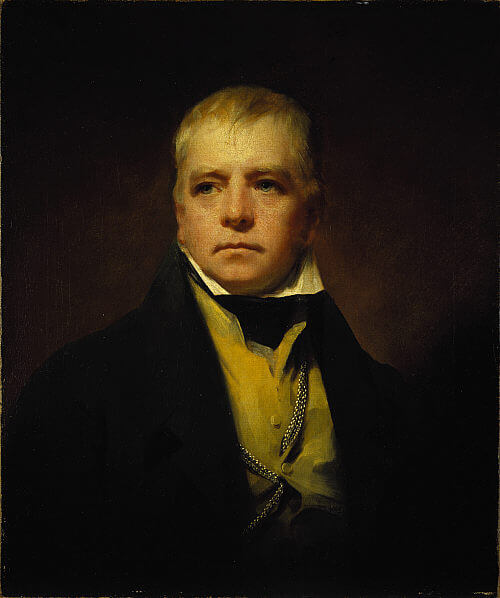
There have been several other notable bearers throughout history, one of the most famous being Sir Walter Scott (1771-1832).

Currently it is the 332nd most popular male name in the United States, (2010).

Other forms include:

  • Wealdhere (Anglo-Saxon)
  • Valter (Czech/Finnish/Italian/Hungarian/Norwegian/Russian/Slovak/Slovene/Swedish)
  • Valder (Danish/Norwegian)
  • Wouter (Dutch)
  • Walter (English/German/Italian/Polish/Scandinavian)
  • Valterri (Finnish)
  • Gauthier/Gautier (French)
  • Wolter (Frisian)
  • Waldhar (German: archaic)
  • Walther (German)
  • Valtier (Hungarian)
  • Gaulterio (Italian)
  • Gaultero (Italian)
  • Gaultiero (Italian)
  • Gaulterius (Late Latin)
  • Valters (Latvian)
  • Valtare (Norwegian)
  • Walthari (Old High German)
  • Wöltje (Plattdeutsch)
  • Guálter (Portuguese)
  • Gualtério (Portuguese)
  • Bhaltair (Scottish)
  • Bhàtair (Scottish)
  • Volter (Swedish)
  • Gwallter (Welsh)

Diminutives include:

  • Woidda (Bavarian)
  • Valte (Danish)
  • Wout (Dutch)
  • Wally (English/German)
  • Walt (English)
  • Wat (English)
  • Wate (Frisian)
  • Watse (Frisian)
  • Valkó (Hungarian)
  • Valtika (Hungarian)
  • Valle (Swedish)
  • Wale/Wali/Walo (Swiss-German)
  • Walti (Swiss-German)
  • Wädi/Wädu (Swiss-German)

Feminine forms include:

  • Woutera (Dutch)
  • Wouterina (Dutch)
  • Waltera (German)
  • Gaultiera (Italian)
  • Gaultierina (Italian)
  • Valterina (Italian)

Source

  1. http://www.behindthename.com/name/walter

Lawrence

Gender: Masculine
Origin: Latin
Meaning: “from Laurentum.”
Eng (LAW-rents)

The name is derived from the Latin cognomen Laurentius meaning “from Laurentum.” It was popularized by an early Roman deacon, martyr and saint who was roasted alive when he refused to turn over church property to the Roman authorities. According to legend, he is the patron saint of comedians because when he was being roasted he told his torturers “turn me over, I am done on this side.”

It was borne by several other saints.

Lawrence has been a popular given name since Medieval times and it consistently appeared in the U.S. top 100 from 1880-1971. By 1972 it mysteriously and suddenly fell completely out of popularity and it has been so since. It is currently only the 457th most popular male name, (2010).

Other forms include:

  • Nadja/Nadjeh (Arabic: used among Arab Christians)
  • Toufiq  لورنس (Arabic: used among Arab Christians)
  • Loren (Aragonese)
  • Lorient (Aragonese)
  • Lari (Basque)
  • Lawrencij Лаўрэнцій (Belarusian)
  • Laorañs (Breton)
  • Llorenç (Catalan)
  • Larenzu (Corsican)
  • Lovrenco (Croatian)
  • Lovre (Croatian. Currently the 58th most popular name in Croatia, 2010)
  • Lovro (Croatian)
  • Vavřinec (Czech/Slovak: literally from the Czech word for laurel, it has been used as the proper cognate for Lawrence since Christianity was introduced to the area)
  • Laurits/Lauritz (Danish/Estonian/Icelandic/Norwegian)
  • Lasse (Dutch/Norwegian/Swedish. LAHS-se)
  • Laurens (Dutch)
  • Loris (Dutch/French/German/Italian. Currently the 100th most popular male name in France, 2009)
  • Rens (Dutch. Currently the 79th most popular male name in the Netherlands)
  • Larkin (English: a Medieval diminutive form of Lawrence)
  • Lauri (Estonian/Finnish)
  • Lars (Finnish/Norwegian/Swedish. Currently the 14th most popular male name in the Netherlands, the 23rd most popular in Belgium and the 57th most popular in Norway)
  • Lassi (Finnish)
  • Laurent (French)
  • Laurentin (French)
  • Lourens (Frisian)
  • Labhrás (Gaelic) 
  • Loenso (Genovese)
  • Laurenzius (German: archaic)
  • Lenz (German)
  • Lorenz (German)
  • Lavrentios Λαυρεντιος (Greek)
  • Lőrinc (Hungarian)
  • Lárus (Icelandic)
  • Lorenzo (Italian/Spanish. Currently the 5th most popular male name in Italy and 52nd most popular in France (2009). It is also the 187th most popular in the Netherlands and the 322nd most popular in the United States, 2010)
  • Laurentius (Latin)
  • Lau (Limburgish)
  • Lor (Limburgish)
  • Laurynas (Lithuanian)
  • Lawrenz (Maltese)
  • Laurys (Manx)
  • Louothains (Norman)
  • Lavrans (Norwegian)
  • Laurenç (Occitanian)
  • Lleurant (Occitanian)
  • Laurencjusz (Polish)
  • Laurenty (Polish)
  • Wawrzyniec (Polish: literally from the Polish word for laurel, it has been used as the proper cognate for Lawrence since Christianity was introduced to the area)
  • Lourenço (Portuguese)
  • Laurențiu (Romanian)
  • Lavrentie (Romanian)
  • Lurintg (Romansch)
  • Lavrenti Лаврентий ლავრენტი (Russian/Georgian)
  • Larentu (Sardinian)
  • Labhrainn (Scottish)
  • Lovrenc (Slovene)
  • Laurisch (Sorbian)
  • Lorencio (Spanish: Medieval)
  • Lorens (Swedish)
  • Lavrentij Лаврентій (Ukrainian)
  • Lorenso (Venetian)
A common English diminutive is Larry a less common one Laurie
  • Toufiqia (Arabic)
  • Laurendia (Basque)
  • Laurenza (Corsican)
  • Laurenzia (Corsican)
  • Laurentien (Dutch)
  • Renske (Dutch)
  • Laurence (French)
  • Laurentine (French)
  • Lavrentia Λαυρεντία (Greek)
  • Lorentina (Italian)
  • Lorenza (Italian/Spanish)
  • Lorenzina (Italian)
  • Larentia (Latin)
  • Laurentina (Latin)
  • Laurencja (Polish)
  • Laurentyna (Polish)
Source

Neil, Nigel

Gender: Masculine
Origin: Gaelic
Meaning: debated
Eng (NEEL)

An anglicized form of the Gaelic Niall, the name is of debated meaning, it could either mean “cloud”, “champion” or “passion.”

It was borne by Niall of the Nine Hostages, a 6th-century Irish king and eponymous ancestor of the Uí Néill clan who ruled Ireland from the 6th-century to the 10th-century.

The name caught on among Viking settlers in the form of Njal and it was brought back to Iceland and became popular in other areas of Europe with large viking settlements. It was through the Normans, (descendants of Viking settlers), that the name was first introduced to England and it came to be Latinized as Nigellus later evolving into the common British  name, Nigel.

Nigellus is actually derived from the Latin word niger (black) but was only ever used as a form of Niel. It was incorrectly believed by the early Norman clerics that the Norman form of Néel was from the Norman word for black. The common Middle English spelling was Neal.

Currently Neil is the 683rd most popular male name in the United States, (2010). Its original Gaelic form of Niall (NIE-all) is the 91st most popular male name in Ireland (2010) and the 95th most popular in Northern Ireland (2010). Meanwhile, its late Latin equivalent of Nigel is the 932nd most popular male name in the United States and the 239th most popular in the Netherlands (2010).

A feminine offshoot is the floral, Nigella, borne by British TV chef, Nigella Lawson. It is also the scientific name for the plant known as Love-in-the-Mist.
Other feminine forms include the Scottish Neilina, the Icelandic Njála and the continental Scandinavian Nilsine.

Other masculine forms include:

Nils (Danish/Swedish)
Nigel (English)
Njáll (Icelandic)
Néel (Norman)
Njål (Norwegian)

Source

  1. http://www.behindthename.com/name/neil

Hugh, Hugo

Gender: Masculine
Origin: German
Meaning: “heart; mind; spirit
(HYOO); (HYOO-go)

The name is derived from the Germanic element, hug, meaning “heart; mind; spirit” or even “memory.” The original meaning of the name seems to refer to abstract consciousness.

It appears in Norse mythology in the form of Hugin(n), (thought), the name of one of Odin’s messenger ravens who would fly around Midgård and bring Odin messages. The other raven’s name was Muninn (memory).

It was a very popular name among the Franks and was introduced into England after the Norman invasion. It was borne by an early British saint, Hugh of Lincoln. The name’s popularity spread across the British Isles, often being Gaelicized in Ireland as Aodh and in Scotland as Ùisdean.

It was borne by a 10th-century French monarch, Hugh Capet, founder of the Capetian dynasty.

Hugh is currently the 963rd most popular male name in the United States, while it’s Latin cognate of Hugo ranks significantly higher at # 441. Hugo is currently a very trendy name across Europe. Its rankings in other countries are as follows:

#4 (Spain, 2010)
#6 (Sweden, 2010)
#8 (France, 2008)
# 12 (Catalonia, Spain, 2009)
#13 (Belgium, 2008)
#50 (the Netherlands, 2o1o)
#86 (Australia, NSW, 2010)

Other forms of the name include:

Hugo (Catalan/Czech/Dutch/English/Estonian/Finnish/French/German/Hungarian/Icelandic/Latvian/Polish/Portuguese/Romanian/Scandinavian/Slovak/Slovene/Spanish)
Hugh (English)
Hugues (French)
Hauke (Frisian)
Huguo (German)
Ughetto (Italian)
Ughino (Italian)
Ugo (Italian)
Ugolino (Italian)
Ugone (Italian)
Uguccione (Italian)
Hugas (Lithuanian)
Hudde/Hud (Middle English)
Huginn (Old Norse/Icelandic)
Hugon (Polish)
Ugu (Sardinian)
Shug (Scottish)
Hugolín (Slovak)
Huw (Welsh)

Common English diminutives are: Hewie and Hughie.

Feminine forms include, Huguette (French), Uga (Italian), Ughetta (Italian), Ugolina (Italian).

The designated name-days are: Febuary 3 (Estonia), April 1 (Estonia/Hungary/Poland/Slovakia), April 29 (Germany/Poland), November 3 (Sweden), November 17 (Latvia/Poland).

The rest of its bearers are too numerous to list.

Sources

  1. http://www.behindthename.com/name/hugo
  2. Ernst Förstemann, Altdeutsches namenbuch (1900), page 923

Ralph

Gender: Masculine
Origin: Old Norse
Meaning: wolf counselor
British English (RAFE); American English (RELF)

The name is derived from the Norse male name, Raðulfr, which is composed of the elements, rað (counsel) and ulfr (wolf). The name has been in usage in England since Anglo-Saxon times, due to viking settlers and remained common even after the Norman conquest. Throughout the centuries, the name has gone through an evolution. In Medieval times it was often rendered as Ralf, then by the 17th-century it was commonly spelled Rafe to reflect the proper pronunciation and by the turn of the century Ralph became a household name (pronounced RELF) in the United States. Within the United States, it was also commonly used as a diminutive form of Raphael or at least as an English equivalent by various immigrants.

The highest the name has ever ranked in U.S. naming history was between 1914 and 1917, consecutively ranking in at # 21. As of 2010, it was the 968th most popular male name. It is currently the 447th most popular male name in the Netherlands (2010).

Its Latin equivalent of Raul ranked in significantly higher, it was the 336th most popular male name in the United States (2010), the 48th most popular in Catalonia (2009) and the 32nd most popular in Spain (2010)

Other forms of the name include:

Raül (Catalan)
Rafe (English)
Ralf (English/German/Scandinavian)
Raul (Estonian/Italian/Portuguese)
Raoul (French)
Radulf (German)
Raulo (Italian)
Rault (Old French)
Raoult (Old French)
Roul (Old French)
Raðulfr (Old Norse)
Raou (Occitanian)

Raúl (Spanish)

Ralphie is a common diminutive form in the English-speaking world.

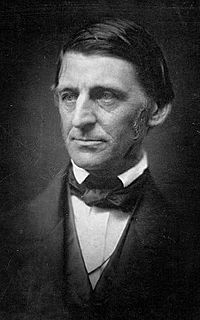
The name was borne by a 12th-century male saint. It is also borne by Ralph Waldo Emerson.

Designated name-days are: March 7 (Estonia), March 27 (Sweden) July 7 (France), August 27 (Sweden)

Raul is also the name of a volcanic island in the Kermadec archipelago.

Sources

  1. Ernst Förstemann, Altdeutsches namenbuch (1900), page 1219
  2. http://www.behindthename.com/name/ralph

Alan, Alain

Gender: Masculine
Origin: Breton
Meaning: debated

The name is of uncertain derivation but is most likely of Breton Celtic origins as the name has been in usage in Brittany as early as the 6th-century.

Some theories suggest that it is derived from a Celtic root word meaning “little rock” or from a Celtic word meaning, “handsome.”

Others have even suggested that it is a Celtic corruption of the Latin given name, Aelius.

Another popular theory is that it comes from the name of a tribe of Indo-European people who settled the Loire Valley.

The name was borne by several early Christian saints, and has been quite popular in both England and France since the Middle Ages.

In England, the name was first introduced during the Norman Conquest in the 11th-century.

In the United States, the name’s popularity peaked in the Mid-20th century. In 1951, it was the 4oth most popular male name in the United States. Today, it stands as the 142nd most popular male name, (2009).

His rankings in other countries is as follows:

# 56 (Chile, 2006)
# 64 (Ireland, 2009)

Other forms of the name include:

Alan (Breton/Czech/English/Irish-Gaelic/Polish/Scottish/Slovak)
Alanig/Lanig (Breton)
Alen (Croatian/Slovene)
Allan (Danish/English/Finnish/Norwegian/Swedish)
Alain (French)
Alán (Hungarian)
Alano (Italian)
Alanus (Late Latin)
Alun (Welsh)

A common English short form is Al.

Notable bearers include: Alan Shepherd (1923-1998), the first American in space and the fifth man to walk on the moon. Alan Alda, American comedian.

The designated name days are: March 8 (Slovakia), August 15 (Czech Republic), September 9 (France) and October 14 (Poland)

Feminine forms include:

Alanez (Breton)
Naig/Nezig (Breton)
Alaine (French)
Alana (Irish/Scottish)

Sources

  1. http://www.behindthename.com/php/find.php?name=alain
  2. http://en.wikipedia.org/wiki/Alan_(name)

Rose

Gender: Feminine
Origin: English/French

The name was originally a Norman form of the Germanic name Rohese/Roese, which was composed of the elements hrod meaning “fame” and heid meaning “kind, sort, type.”

The name was revived in the 19th-century by which time it was associated with the flower. In the floral case, the word is derived from the Latin rosa.

Consequently, it is also the word for pink in several European languages.

In the United States, Rose is probably one of the most common middle names given to baby girls, but as a first name, it is rather unusual. Currently, Rose only ranked as the #343rd most popular female name, (2008).

Her rankings in other countries are as follows:

  • # 92 (Australia, 2008)
  • # 91 (France, 2006)

In the Netherlands, Rosa was the 89th most popular female name (2008); and in Ireland, its vernacular form of Róisin ranked in as the 28th most popular female name, (2008).

Other forms of the name include:

  • Arrosa (Basque)
  • Ruža (Bosnian/Croatian/Slovene: common diminutive is Ružica)
  • Rozenn (Breton)
  • Roza Роза (Bulgarian/Croatian/Serbian/Slovene/Russian)
  • Ruzha Ружа (Bulgarian/Macedonian)
  • Rosa (Catalan/Dutch/English/Finnish/Galician/German/Italian/Portuguese/Romanian/Scandinavian/Spanish)
  • Rosen (Cornish)
  • Růže (Czech)
  • Roos (Dutch/Limburgish/Estonian: ROWS)
  • Roosje (Dutch: originally a diminutive form, occasionally used as an independent given name. RO:-shə)
  • Rohesia (English/Latin: Latinized version of Rohese. ro-HEE-zee-uh; ro-HEE-zhuh)
  • Rose (English/French/Scandinavian)
  • Royse (English: a Medieval Cognate, the name was actually a feminine given name, but due to its associations with Royce, it is often mistaken for a male name)
  • Roosa/Ruusa/Ruusu (Finnish)
  • Roseline (French)
  • Roselle (French)
  • Rosette (French)
  • Rosine (French)
  • Róza (Hungarian)
  • Rozina (Hungarian)
  • Rozita (Hungarian)
  • Rózsa (Hungarian: RO;jaw: Rózsi is the diminutive)
  • Rós (Icelandic)
  • Róis/Róise (Irish-Gaelic)
  • Róisin (Irish-Gaelic: ro-SHEEN; ROSH-een; ROW-sheen)
  • Rosella/Rossella (Italian)
  • Rosellina/Rossellina (Italian)
  • Rosetta (Italian)
  • Rosina (Italian)
  • Rosinella (Italian)
  • Rožė (Lithuanian: ROO-zhey)
  • Róža (Polish: ROO-zhah)
  • Rosita (Spanish: originally a diminutive form, occasionally used as an independent given name)
  • Rhosyn (Welsh)
  • Raisa (Yiddish: RYE-zah)
  • Raisel (Yiddish)

Common Italian compound names include: Annarosa, Mariarosa, Rosangela, Rosanna and Rosamaria.

Common English/French compounds are: Rosanne, Rosemary and Rosemarie.

A common English pet form is Rosie.

Italian masculine forms include: Roso, Rosello, Rosino and Rosetto.

Vernacular forms

These are names found in other languages that literally mean “rose” but which are also not related to the Latin/Germanic form of Rose/Rosa.

  • Qızılgül (Azeri)
  • Gul (Farsi)
  • Vardo (Georgian)
  • Vered וֶרֶד (Hebrew)
  • Mawar (Indonesian)
  • Kolab (Khmer)
  • Kulap (Thai)
  • Gül (Turkish)
  • Hòng (Vietnamese)
  • Huòng (Vietnamese: can also mean pink)

An Armenian masculine form is Vartan.

The name is also borne by a few Catholic saints.

The designated name-days are: August 23 (France), July 2 (Sweden).

Sources

  1. http://www.behindthename.com/namedays/search.php?terms=rosa
  2. http://www.askoxford.com/firstnames/rose?view=uk

Alice, Allison

Gender: Feminine
Origin: debated
Meaning: debated
Eng (AL-is)

The name is of debated origin and meaning, and is usually narrowed down to two possible origins and meanings, one, the most popular theory, is that it is a French Norman form of Alaïs, which is an old French form of the Germanic, Adalheid, meaning, “noble; high.” Other sources like to link the name with a Greek source, meaning, “truth”, however, though this is a popular etymology, I was never able to confirm it.

Alice was quite popular in Medieval Europe, as were her offshoots: Alicia, Alix and Alison.

In 1880, Alice was the 8th most popular female name in the United States, today, Alice stands at a meagre # 326, being replaced by her more modern sounding counterparts: Alicia and Allison.

Allison is the 32nd most popular female name in the United States, (2008).

Contrary to popular belief, Allison/Alison is a very old feminine given name, which can be traced all the way back to the Normans. Its was originally a diminutive form of Aalis, (the Norman form of Alice), and was introduced into England during the 11th-century. Allison/Alison disappeared at the end of the Middle Ages, and was revived in the 20th-century. She first appeared in the U.S. top 1000 in 1946, coming in as the 903rd most popular female name.

Another very current version is Alicia, which is actually fading in popularity. As of 2008, she was the # 178th most popular female name in the United States, but back in 1983, she was the 41st most popular female name.

The Alice is form is not just relegated to English-speaking countries. Her usage is found in France, pronounced, (ah-LEES), in Italy as (ah-LEE-che), in the Czech Republic as (ah-LEET-seh). She is also used in German-speaking countries, Portuguese-speaking countries and in Scandinavia. Her current rankings are as follows:

  • # 99 (Australia, 2008)
  • # 58 (Belgium, 2006)
  • # 46 (England/Wales, 2008)
  • # 358 (Germany, 2009)
  • # 85 (Ireland, 2008)
  • # 10 (Italy, 2006)
  • # 488 (the Netherlands, 2008)
  • # 1 (Sweden, 2009)

Her Latinate counterpart of Alicia is also very transcultural, her rankings are as follows:

  • # 97 (Australia, 2008)
  • # 62 (Belgium, 2006)
  • # 95 (England/Wales, 2008)
  • # 94 (Germany, 2009)
  • # 110 (the Netherlands, 2008)
  • # 17 Alicja (Poland, 2008)
  • # 90 (Scotland, 2008)
  • # 43 (Spain, 2008)
  • # 29 (Sweden, 2009)

Other forms of the name include:

  • Alizia (Aragonese)
  • Licia (Asturian)
  • Alike (Basque)
  • Alícia (Catalan/Spanish: ah-LEE-thee-ah Spanish European. ah-LEE-see-ah Latin American Spanish)
  • Alice (Czech/Danish/Dutch/English/French/German/Icelandic/Italian/Norwegian/Swedish)
  • Alicia (English/Galician/German/Italian: ah-LEE-shuh in English and ah-LEE-chah in Italian)
  • Aila/Aile (Estonian)
  • Aili (Estonian/Scottish)
  • Aliise (Estonian)
  • Aliisa (Finnish)
  • Alison (French)
  • Alix (French: ah-LEEKS)
  • Aliki/Alíkē Aλίκη (Greek: Modern)
  • Aliz (Hungarian)
  • Ailís (Irish-Gaelic: AY-leesh)
  • Alise (Latvian)
  • Alicija (Lithuanian)
  • Ealee (Manx)
  • Ealish (Manx)
  • Aalis (Norman)
  • Alicja (Polish: ah-LEET-syah)
  • Alisa Алиса (Russian)
  • Aileas (Scots-Gaelic)
  • Alica (Slovakian: ah-LEET-sah)
  • Allis (Swedish)
  • Alis (Welsh)

An obscure Italian masculine form is  Alicio.

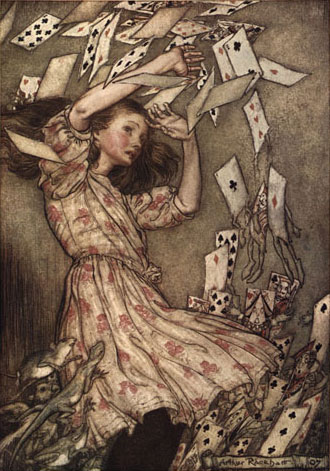
In popular fiction, it is borne by the protagonist of Lewis Carroll’s Alice’s Adventures in Wonderland (1865).

Designated name-days are Janury 15 (Czech Republic), June 23rd (Sweden), September 16 (Estonia) and December 16 (France).

Mary, Maria, Miriam

Mary and its various forms has to be one of the quintessential, classic female names of all time, she has been used in Protestant England in the form of Mary, in the Islamic world as Maryam, in Jewish communities in the form of Miriam and in the Catholic world as Maria, Marie or Mary.

In the United States, she has never quite detracted from the top 100, if Mary is not in fashion then it is usually one of her other forms that may take her place, such as Molly, Mariah, Maria or Mia, all depending on the flavor of the day.

Currently, Mary is the 97th most popular female name in the United States, (2008). Mary’s rankings in other countries are as follows:

  • # 7 (Armenia, 2008)
  • # 57 (Ireland, 2007)

Its French form of Marie is popular outside the Hexagon, she currently ranks in as the 546th most popular female name in the United States, but in other countries, she appears in the top 10. Her rankings are as follows:

  • # 9 (Armenian, 2008)
  • # 4 (Belgium, 2008)
  • # 17 (Czech Republic, 2008)
  • # 24 (Denmark, 2008)
  • # 20 (France, 2009)
  • # 9 (Germany, 2009)
  • # 270 (the Netherlands, 2008)

The continental form of Maria is extremely popular across Europe and Latin America, her rankings in other countries are as follows:

  • # 4 (Argentina, 2009)
  • # 8 (Basque Country, Spain, 2008)
  • # 3 (Belarus, 2005)
  • # 3 (Bulgaria, 2008)
  • # 89 (Canada, B.C., 2008)
  • # 6 (Catalonia, Spain, 2008)
  • # 8 (Chile, 2008)
  • # 91 (England/Wales, 2008)
  • # 6 (Estonia, 2007)
  • # 4 (Faroe Islands, 2008)
  • # 59 (Germany, 2009)
  • # 1 (Greece, 2004)
  • # 90 (Hungary, 2008)
  • # 5 (Iceland, 2004-2007)
  • # 49 (Ireland, 2008)
  • # 1 (Israel, among Christian girls, 2004)
  • # 9 Marija (Latvia, 2005)
  • # 1 Marija (Macedonia, 2006)
  • # 1 (Malta, 2008)
  • # 39 (the Netherlands, 2008)
  • # 14 (Norway, 2008)
  • # 17 (Poland, 2009)
  • # 1 (Portugal, 2008)
  • # 2 (Romania, 2008)
  • # 2 (Russia, 2007)
  • # 99 (Scotland, 2008)
  • # 1 (Slovakia, 2004)
  • # 2 (Spain, 2008)
  • # 96 (Sweden, 2008)
  • # 7 (Ukraine, 2009)
  • # 64 (United States, 2008)

Her diminutive offshoot of Mia, has also been quite trendy the last 10 years, as of 2008, she was the 14th most popular female name in the United States. In other countries, her rankings are as follows:

  • # 1 (Australia, 2008)
  • # 25 (Canada, B.C., 2008)
  • # 44 (Chile, 2006)
  • # 11 (England/Wales, 2008)
  • # 1 (Germany, 2009)
  • # 23 (Ireland, 2008)
  • # 5 (Isle of Man, 2009)
  • # 350 (the Netherlands, 2008)
  • # 24 (New Zealand, 2009)
  • # 12 (Norway, 2008)
  • # 26 (Scotland, 2008)
  • # 46 (Slovenia, 2005)
  • # 3 (Switzerland, among Romansch-speakers, 2008)

Another common diminutive offshoot, is Molly, which is mostly used in the English speaking world, but has also shifted over to some of the Scandinavian countries. Her rankings in other countries are as follows:

  • # 57 (Australia, 2007)
  • # 84 (Canada, B.C., 2008)
  • # 32 (England/Wales, 2008)
  • # 25 (Ireland, 2008)
  • # 33 (New Zealand, 2009)
  • # 39 (Scotland, 2008)
  • # 11 (Sweden, 2008)
  • # 104 (United States, 2008)

Miriam is another common choice which is popular throughout Europe and the Middle East. Her rankings are as follows:

  • # 1 Mariam (Georgia, 2008)
  • # 6 Maryam (Iran, 2007)
  • # 4 Maryam (Israel, among Muslim girls, 2004)
  • # 6 Maryam (Pakistan)
  • # 48 Miriam (Spain, 2008)
  • # 1 Mariam (Tunisia, 2005)
  • # 309 Miriam (United States, 2008)

As for its meaning and derivation, though the its origins can be traced back to the Bible, its lingustic and etymological meaning has long been debated. Many hypothesis include that the name could be a derivative of the Hebrew meri, ‘rebel’ related to the Hebrew verb MRH, mara or Marah which means’ to be “rebellious.” Or that it is related to the Hebrew word מרא (MRA, mara) which means ‘well-fed’, something which would have been considered a comely attribute in Biblical times.

One of the most popular etymological theories is its association with the Hebrew מר (MR, mar), meaning. “bitter” or “bitterness, and another very well established hypothesis suggests that it is from an Egyptian source, mry “beloved” or mr meaning “love.”

Other possible theories include:

That is it a combination of the Hebrew words מר (MR, mar), meaning “bitter” or the Hebrew (mar) meaning, “drop”; or (mor) meaning, “myrrh” or ” (mari ) meaning “mistress’.

The name is borne by several female characters in both the Old and New Testament.

Among Jews, the name was originally used in honour of the sister of Aaron, Miriam the Prophetess.

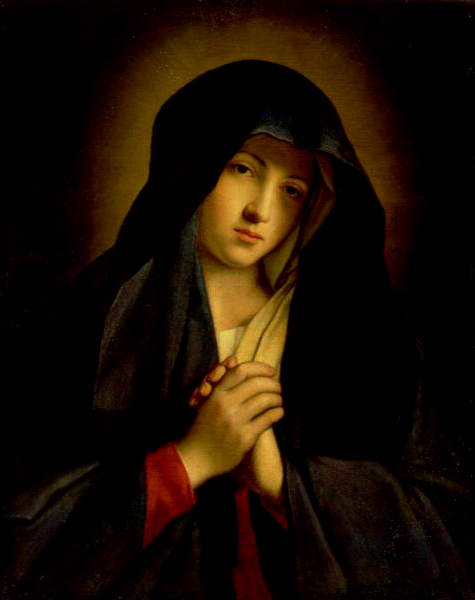
Among Muslims and Christians, (particularly Catholics and Eastern Orthodox), the name is usually used in honour of the Virgin Mary, the mother of Jesus.

However, in certain eras and cultures, Mary or Maria was considered too sacred of a name to use on a child, and in other cultures, the name Maria is so honorable to have, that it is even bestowed upon males, usually in conjunction with a male name or as a middle name. This is especially so in Spanish-speaking countries, French speaking countries and occasionally done in other predominate Catholic countries such as Ireland, Poland and in Bavaria, Germany.

The name has made is presence known in British royalty as well as in the continental ruling houses. Other forms are as follows:

Latinate Forms
Forms used in Latin-based languages

  • Marieta (Catalan: originally a diminutive form, used as an independent given name in Spanish-speaking countries)
  • Miryam (Catalan: archaic form from the 13th-century)
  • Maria (Corsican/Italian/Occitanian/Portuguese/Romanian/Romansch/Latin)
  • Manon (French: originally a diminutive form of Marie, the name has been used as an independent given name for centuries. In fact, it currently ranks in as the 7th most popular female name in Belgium (2006), the 4th most popular female name in France (2006), and the 184th most popular female name in the Netherlands (2008). Pronunciation can be heard here: http://www.forvo.com/search/Manon/)
  • Marie (French: she is one of the most popular middle names in the English speaking world. In French, this form is bestowed on males in conjunction with other male names or as a middle name. There are several common French female names used in conjunction with Marie, as well. Those of which, I will save for future postings).
  • Marielle (French: originally a diminutive form of Marie, now used exclusively as an independent given name)
  • Mariette (French: a diminutive form of Marie, occasionally used as an independent given name, now considered dated in French-speaking countries).
  • Mariolle(French: obscure, very old diminutive form of Marie, the inspiration of the Polish offshoot, Mariola).
  • Marion (French: a medieval French diminutive form of Marie, now exclusively used as an independent given name, the name was borne in legend by the love interest of Robin Hood, Maid Marion, and is borne by French actress, Marion Cotillard. In France, it is the 59th most popular female name (2006)
  • Myriam (French: form of the Biblical, Miriam, she ranks in as the 95th most popular female name in France (2006)
  • Mariella (Italian: originally a diminutive form of Maria, now exclusively used as an independent given name)
  • Marietta (Italian: a diminutive form of Maria, occasionally used as an independent given name).
  • Marigia (Italian: obscure)
  • Mariuzza/Maruzziella (Italian: obscure)
  • Mariana (Portuguese: Mariana is usually considered a name of a seperate etymology, but is used in Portuguese and Spanish as a form of Miriam. She is the 73rd most popular female name in Chile, 2006).
  • María (Spanish/Galician).
  • Marita (Spanish: a diminutive form of Maria, now often used as an independent given name)
  • Maritza (Spanish: a Latin American spin-off of Maria, originally a diminutive form, now a trendy given name, especially among Mexican-Americans, she is currently the 560th most popular female name in the United States).
  • Mareye (Walon)

An Italian diminutive form is Mimi. A Portuguese diminutive form is Mariazinha.

Masculine forms are:

  • Mari (Catalan)
  • Mariu (Corsican)
  • Mario (Italian/Galician)
  • Marius (Latin/French/Romanian)
  • Mário (Portuguese)

Germanic Forms
Forms used in Germanic-speaking countries

  • Maiken/Majken (Danish/Norwegian/Swedish: originally a diminutive form of Maria, now used exclusively as an independent given name).
  • Maria (Danish/Dutch/English/Faroese/Frisian/German/Norwegian/Swedish)
  • Marie (Danish/German/Norwegian/Swedish: a borrowing from the French)
  • Mari (Danish)
  • Maaike/Maike (Dutch/Frisian/German: originally a diminutive form, used exclusively as an independent given name. In 2008, it was the 98th most popular female name in the Netherlands)
  • Marieke(Dutch: originally a diminutive form, now exclusively used as an independent given name. In 2008, it was the 188th most popular female name in the Netherlands)
  • Marijke (Dutch: mah-RYE-keh)
  • Marike (Dutch: originally a diminutive form of Maria, now used exclusively as an independent given name, pronounced mah-REE-keh)
  • Marja (Dutch/Faroese/Gothic/Limburgish: MAHR-yah).
  • Meike (Dutch/German: originally a diminutive form, now used as an independent given name, it was the 53rd most popular female name in the Netherlands of 2008.)
  • Mia (Dutch/German/English/Scandinavian: originally a diminutive form, now used as an independent given name)
  • Mieke (Dutch/Limburgish: originally a diminutive form, used exclusively as an independent given name MEE-keh)
  • Miep(Dutch: a diminutive form, but occasionally used as an independent given name MEEP).
  • Miet (Dutch: originally a diminutive form, occasionally used as an independent given name MEET).
  • Mirjam (Dutch/German/Swedish: form of the Biblical Miriam).
  • Mariel (English: just an anglicized form of the French, Marielle).
  • Mariota (English: archaic, form used in the 13th-century)
  • Mary (English)
  • Molly/Mollie (English: originally a diminutive form, now used more often as an independent given name)
  • Polly (English: originally a diminutive form, now used more often as an independent given name)
  • Marý(Faroese)
  • Mareike (Frisian/German: originally a diminutive form of Maria, now used exclusively as an independent given name)
  • Maja (German/Scandinavian: originally a diminutive form of Maria, used exclusively as an independent given name. It is the 2nd most popular female name in Sweden, (2008)
  • Mariele(German: originally diminutive form of Maria, used exclusively as an independent given name, pronounced mah-REE-leh).
  • Miriam(German/English: Biblical form, often used in German and English speaking countries)
  • Mitzi (German/English: not really used as an independent given name in German speaking countries, but experienced a short usage of popularity as an independent given name in the United States).
  • Ria(German/Dutch: originally diminutive forms, occasionally used as independent given names)
  • Mæja (Icelandic: originally a diminutive form of Maria, used exclusively as an independent given name)
  • María(Icelandic)
  • Mies (Limburgish: diminutive form of Maria, used as an independent given name in the Netherlands. MEES)
  • Mathie (Normand: mah-TEE)
  • My(Swedish: originally a diminutive form of Maria, now used as an independent given name MEE. In 2007, it was the 79th most popular female name in Sweden).
  • Mirele מִירֶעל(Yiddish: a form of Miriam. MEER-eh-leh)

Common English diminutives include May, Mayme, Mare, Mia, Molle, Molly, Moll and Polly, German diminutive forms are Mariechen and Mitzi.

Masculine forms include:

  • Marius (Dutch/German/English/Norwegian/Swedish)
  • Marjus (Faroese)
  • Maríus (Icelandic)

Baltic Forms
Variations used in Baltic countries.

  • Maaja (Estonian)
  • Maare/Maari (Estonian)
  • Maarika (Estonian/Finnish)
  • Maaria/Maarja (Estonian)
  • Maie/Maiu (Estonian: initially diminutive forms, now used as independent given names, MY-eh, MY-oo)
  • Maila/Maili/Mailu (Estonian: Maili is pronounced somewhat like Miley)
  • Mari (Estonian/Finnish)
  • Marjam (Estonian)
  • Marje/Marjen (Estonian)
  • Marjette (Estonian)
  • Mary (Estonian)
  • Maija/Maiju (Finnish)
  • Maikki (Finnish: a Finnicized form of the Sweden and Danish Majken, pronounced somewhat like Mikey)
  • Maaria/Maria (Finnish)
  • Marika (Finnish)
  • Maritta (Finnish)
  • Marjatta (Finnish: can also mean “without a berry” in Finnish, and is the name of a character in the Kalevala, but is often used as a variation of Maria; also used in Estonia)
  • Marjo (Finnish)
  • Marjukka (Finnish)
  • Marjut (Finnish)
  • Miia (Finnish)
  • Mirja (Finnish: translation of Miriam)
  • Mirjam/Mirjami (Finnish)
  • Maija (Latvian)
  • Maila (Latvian: MY-lah)
  • Mairita/Mairīta/Mairīte (Latvian)
  • Mairuta (Latvian)
  • Mare (Latvian: final E is pronounced)
  • Mareka (Latvian)
  • Mareta/Māreta (Latvian)
  • Marī (Latvian)
  • Mārica (Latvian)
  • Mariela (Latvian)
  • Mārieta (Latvian)
  • Marija (Latvian/Lithuanian)
  • Mārika (Latvian)
  • Marite/Mārita/Mārīte/Marīte (Latvian)
  • Marjama (Latvian)
  • Maruta/Māruta/Marute (Latvian)
  • Mare (Lithuanian)
  • Maryte (Lithuanian)

Masculine forms are:

  • Maarius/Mairo/Mario (Estonian)
  • Marijus/Marius (Lithuanian)

Slavic Forms
Forms used in Slavic countries

  • Merjem (Bosnian)
  • Mirjana (Bosnian/Croatian/Serbian/Slovene: translation of Miriam)
  • Mariya (Bulgarian/Russian/Ukrainian)
  • Marija (Croatian/Macedonian/Serbian/Slovene)
  • Marie (Czech: MAHR-yeh)
  • Maria (Polish)
  • Marieta (Polish)
  • Mariola (Polish: mahr-YOLE-ah)
  • Marita (Polish)
  • Maryla (Polish: mah-RIH-lah)
  • Marzena (Polish: not really etymologically related, but has had a historical usage as a variation of Maria in Poland. The name is actually the name of an ancient Polish goddess and it may be linked with the either Polish word for “hope; dream” or with the Old Slavonic word for “death.” mahr-ZHEH-nah, diminutive form is Marzenka).
  • Mária (Slovakian)
  • Marika (Slovakian)
  • Marica (Slovene: initially a diminutive form, used as an independent given name in Slovenia, but is also used as a diminutive form in Bosnian, Croatian, Serbian, Czech and Slovakian, mah-REET-sah).
  • Mojca (Slovene: initially a diminutive form, now used exclusively as an independent given name in Slovenia. MOY-tsah)
  • Marya Марья (Russian)

Czech and Slovak diminutive forms are: Mája, MáňaMaruška and Maryška. Serbian and Slovene diminutives are Maša. Russian diminutives are Manya, Masha, Mashenka and Mashka. Polish diminutives are MasiaMarysia (mah-RISH-ah) and Maryska.

Masculine forms are:

  • Marian (Polish)
  • Mariusz (Polish)
  • Marij/Mario (Slovene)

Celtic Forms
Forms used in Celtic Languages

  • Mari (Breton)
  • Mallaidh (Irish-Gaelic: translation of Molly)
  • Maira/Máire (Irish-Gaelic)
  • Mairenn/Máirín (Irish-Gaelic)
  • Muire (Irish-Gaelic)
  • Mariod/Mariot (Manx)
  • Moirrey/Voirrey (Manx)
  • Màiri (Scotch-Gaelic)
  • Mhari (Scotch-Gaelic)
  • Mhairi/Mhairie (Scotch-Gaelic)
  • Moire (Scotch-Gaelic)
  • Mair (Welsh)

Other Forms
Forms used in other languages not listed in the above

  • Maria (Albanian/Kiswahili)
  • Maryam مريم (Arabic)
  • Mariam (Armenian)
  • Məryəm (Azeri)
  • Maia (Basque)
  • Miren (Basque)
  • Mariam (Coptic/Egyptian)
  • Mariami (Georgian)
  • Maria Μαρία (Greek: Modern)
  • Maroula/Roula (Greek: Modern: initially diminutive forms)
  • Malia (Hawaiian/Zuni)
  • Mária (Hungarian)
  • Maria (Indonesian)
  • Meryem (Kurdish/Turkish)
  • Mariam/Mariamma/Mariamme (Malayalam)
  • Marija (Maltese)
  • Mere (Maori)
  • Miriama (Maori)

The name has several name-days.