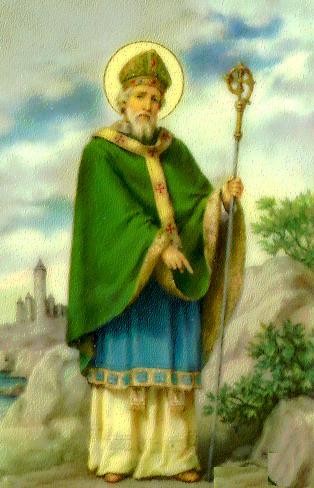
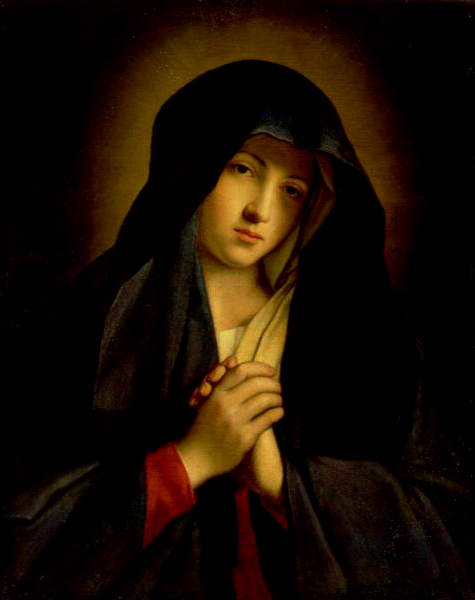
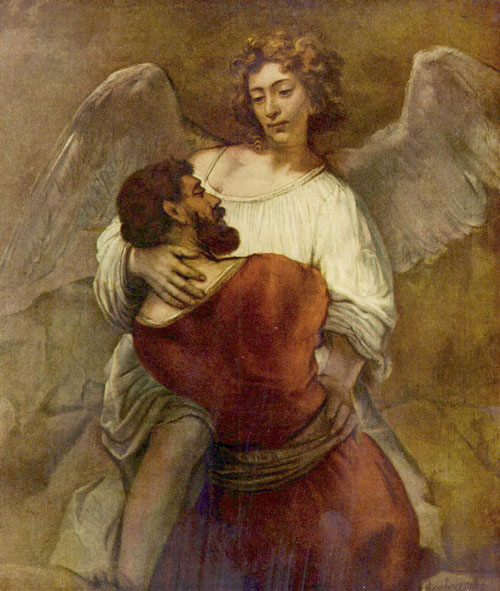
Edward

Gender: Masculine
Origin: Anglo-Saxon
Meaning: “wealthy guardian.”
Eng (ED-werd; ED-word)

The name is composed of the Anglo-Saxon elements, ead (rich; waelthy) and weard (guard). Due to the popularity of St. Edward the Confessor, the name was one of the few Anglo-Saxon names to have survived the Norman Conquest and to have spread to non-Anglo-Saxon countries.

The name has remained common in the British Royal Family.

As of 2010, Edward was the 43rd most popular male name in England/Wales. His rankings in other countries, in his various forms, are as follows:

  • # 3 (Eetu, Finland, 2011)
  • # 20 (Duarte, Portugal, 2010)
  • # 21 (Eduard, Romania, 2009)
  • # 28 (Edoardo, Italy, 2010)
  • # 61 (Australia, NSW, 2010)
  • # 72 (New Zealand, 2010)
  • # 79 (Eduardo, Spain, 2010)
  • # 94 (Eduard, Catalonia, 2010)
  • # 97 (Edvard, Norway, 2010)
  • # 136 (United States, 2010)
  • # 153 (Eduardo, United States, 2010)
  • # 169 (Scotland, 2010)
  • # 226 (Édouard, France, 2009)

Other forms of the name include:

  • Eduard Էդվարդ Эдуард ედუარდ Эдуард Едуард (Afrikaans/Albanian/Armenian/Belarusian/Bosnian/Catalan/Croatian/Czech/Dutch/Estonian/Georgian/German/Romanian/Romansch/Russian/Slovak/Ukrainian)
  • Ēadƿeard (Anglo-Saxon)
  • Idward إدوارد (Arabic: used primarily among Christians)
  • Edorta (Basque)
  • Edvard Эдвард Эдвард Едвард (Belarusian/Czech/Faroese/Finnish/Russian/Scandinavian/Serbian/Slovene)
  • Edouarzh (Breton)
  • Eduardu (Corsican/Sardinian)
  • Edward (English/German/Polish)
  • Eetu (Finnish)
  • Eetvartti (Finnish)
  • Etuate (Fijian)
  • Édouard (French)
  • Edo (Frisian)
  • Edzard (Frisian)
  • Eide (Frisian/Plattdeutsch)
  • Eido (Frisian)
  • Eduardos Εδουάρδος (Greek)
  • Ekewaka (Hawaiian)
  • Eduárd (Hungarian)
  • Edvárd (Hungarian)
  • Eðvarð(ur) (Icelandic)
  • Játvarður (Icelandic)
  • Éadbhard (Irish)
  • Éamonn (Irish)
  • Edoardo (Italian)
  • Eduardo (Italian/Spanish/Portuguese)
  • Odoardo (Italian: Tuscan)
  • Eduards (Latvian)
  • Edvards (Latvian)
  • Eduardas (Lithuanian)
  • Edvardas (Lithuanian)
  • Eruera (Maori)
  • Dwardu (Maltese)
  • Duarte (Portuguese)
  • Eideard (Scottish)
  • Eudard (Scottish)
Common diminutives include:
  • Edi (Albanian/Bosnian/Croatian/Slovene/Spanish)
  • Ed (Dutch/English/German/Scandinavian)
  • Eddie (English/German/Scandinavian)
  • Ned (English)
  • Ted (English)
  • Teddy (English)
  • Edek (Polish)
  • Dadu (Portuguese)
  • Du (Portuguese)
  • Edu (Portuguese)
  • Lalo (Spanish)
In recent years, especially in the United States, the name has possibly risen in popularity due to the Twilight Series, in which one of the protagonists is named Edward.
There are a few feminine forms, namely the Spanish and Italian, Eduarda, which I shall save for another post.

Iva

Gender: Feminine
Origin: Slavic Ива
Meaning: “goat willow; pussy willow.”
Eng (I-vuh); Slav (EE-vah).

The name can have a few different etymologies. It could be a short form of Ivana, or a feminine form of Ivo; or it could be derived from the general Slavic word for the pussy willow.

It is also the name of a genus of plant in the Asteraceae family and its the name of a type of tree.

In the English-speaking world, this name was fairly common at the beginning of the 20th-century. The highest it ranked in U.S. naming history was in 1890, coming in as the 113th most popular female name.

As of 2009, Iva was the 10th most popular female name in Croatia. Her rankings in other countries are as follows:

  • # 58 (Slovenia, 2010)
  • # 64 (Bosnia & Herzegovina, 2010)

The name also appears in Polynesian Mythology as the name of the underworld, and is a fairly common female name in Maori culture.

Paul

Gender: Masculine
Origin: Latin
Meaning: “short; small; humble; few.”
Eng (PAWL)

The name is derived from the Latin Roman family name, Paulus, which could translate as meaning, “small, short; humble; few.”

Paul and his various forms has to be one of the most common male names used throughout the Christian world. It has been used equally among Orthodox Christians, Roman Catholics and Protestants.

Its most famous bearer was Paul of Tarsus, whose real name was Saul. St. Paul, as referred to by the Roman Catholic and Eastern Orthodox Churches, is attributed as being the author of much of the New Testament.

The name was borne by several popes, royals and saints thereafter.

Currently, its Germanic form of Paul is the 8th most popular male name in Germany, (2011). His rankings in other countries are as follows:

  • # 13 (Austria, 2010)
  • # 22 (France, 2009)
  • # 41 (Romania, 2009)
  • # 90 (Ireland, 2010)
  • # 130 (Scotland, 2010)
  • # 178 (United States, 2010)
  • # 485 (Netherlands, 2010)
His foreign equivalents rankings are as follows:
  • # 3 (Pablo, Spain, 2010)
  • # 4 (Páll, Faroe Island, 2010)
  • # 4 (Pau, Catalonia, 2010)
  • # 17 (Paweł, Poland, 2010)
  • # 26 (Pablo, Chile, 2010)
  • # 29 (Pavel, Czech Republic, 2010)
  • # 31 (Pablo, Catalonia, 2010)
  • # 44 (Pau, Spain, 2010)
  • # 91 (Pál, Hungary, 2010)
  • # 144 (Pablo, France, 2009)
  • # 202 (Paolo, France, 2009)
  • # 361 (Pablo, United States, 2010)

Other forms of the name include:

  • Pali (Albanian)
  • Paulë (Albanian)
  • Boulos/Bulos بولس (Arabic)
  • Faulus (Aramaic)
  • Boghos Պողոս (Armenian)
  • Poghos Պողոս (Armenian)
  • Paul (Basque/Dutch/English/Estonian/German/French/Romanian/Scandinavian/Silesian)
  • Paweł Павeл (Belarusian/Polish)
  • Polus (Berber)
  • Paol (Breton)
  • Pavel Павел (Bulgarian/Czech/Russian/Slovene)
  • Pavolo (Calabrian)
  • Pavulu (Calabrian)
  • Pau (Catalan/Occitanian)
  • Pawl (Cornish/Welsh)
  • Paulu (Corsican/Sardinian/Sicilian)
  • Pavao (Croatian)
  • Pavle პავლე Павле (Croatian/Georgian/Macedonian/Serbian)
  • Pavo (Croatian)
  • Palle (Danish)
  • Poul (Danish)
  • Pauwel (Dutch)
  • Paavel (Estonian)
  • Paavo (Estonian/Finnish)
  • Páll (Faroese/Icelandic)
  • Paavali (Finnish)
  • Pauli (Finnish)
  • Pol (Flemmish/Romansch)
  • Paale (Frisian)
  • Pals (Frisian)
  • Paulus पौलुस (Frisian/Hindi/Latin)
  • Pay (Frisian)
  • Powles (Frisian)
  • Pouw (Frisian)
  • Pauli (Fruilian)
  • Pódhl (Gaelic)
  • Pól (Gaelic)
  • Paulo (Galician)
  • Pavlos Παυλος (Greek)
  • Pāl पॉल (Hindi)
  • Pál (Hungarian)
  • Pósa (Hungarian)
  • Paolo (Italian/Portuguese)
  • Paolino (Italian/Portuguese)
  • Paulinus (Latin)
  • Pāvils (Latvian)
  • Paulius (Lithuanian)
  • Povilas (Lithuanian)
  • Paol (Lombard)
  • Paulose (Malayalam)
  • Pawl (Maltese)
  • Pawlu (Maltese)
  • Payl (Manx)
  • Paora (Maori)
  • Pål (Norwegian/Swedish)
  • Pavel (Romanian)
  • Paulin (Romansch)
  • Polet (Romansch)
  • Polin (Romansch)
  • Pulegn (Romansch)
  • Pàl (Scots-Gaelic)
  • Pawůł (Silesian)
  • Pavol (Slovak)
  • Pawoł (Sorbian)
  • Pablo (Spanish)
  • Paoro (Tahitian)
  • Pàul (Tuscan)
  • Pavlo Павло (Ukrainian)

For a Reference a Female forms See Paula and Paulina (soon to come)

Peter

Gender: Masculine
Origin: Greek
Meaning: “rock.”
Eng (PEE-ter)

The name is derived from the Greek Πετρος (Petros) meaning, “rock.”

The name is found in the New Testament as a vernacular translation for the Aramaic Cephas (rock) a nickname designated to the Apostle Simon Bar-Jonah by Jesus. He is known as St. Peter, and Catholics traditionally attribute him as being the first Pope.  Among other denominations, he is considered to be one of Christ’s most prominent apostles.

Due to the associations with the apostle, Peter became an extremely prevalent male name throughout the Christian world.

The name seems to have been in usage in England since early times, but became especially popular after the Norman invasion. During this period, the form of Piers was preferred, being gradually replaced in popularity by Peter over the centuries.

Currently, Peter is 191st most popular male name in the United States, (2009). He has been steadily declining in the United States for the past 10 years, in 2000 he ranked in at # 125. His rankings in other countries, however, has not faltered. His rankings including his vernacular forms are as follows:

  • # 7 Pedro (Brazil, 2009)
  • # 9 Petar (Bulgaria, 2008)
  • # 15 Petr (Czech Republic, 2009)
  • #38 Pierre (France, 2006)
  • # 3 (Greenland, 2003-2004)
  • # 8 (Hungary, 2008)
  • # 33 Petur (Iceland, 2008)
  • # 70 (Ireland, 2008)
  • # 25 Pietro (Italy, 2007)
  • # 8 Pēteris (Latvia, 2005)
  • # 9 Petar (Macedonia, 2006)
  • # 10 Piotr (Poland, 2008)
  • # 3 (Slovakia, 2004)
  • # 59 (Slovenia, 2005)
  • # 50 Pedro (Spain, 2008)

Other forms of the name include:

  • Petrus (Afrikaans/Dutch/German/Indonesian/Latin/Limburgish/Plattdeutsch/Swedish)
  • Pieter (Afrikaans)
  • Pjetër/Pjetri (Albanian)
  • Ṗeṭros ጴጥሮስ (Amharic/Ethiopian)
  • Pero (Aragonese)
  • Bedros/Pedros Պետրոս (Armenian)
  • Botros/Boutros/Butros بطرس (Arabic/Coptic)
  • Pedru (Asturian/Konkoni)
  • Pyotr (Azeri)
  • Betiri (Basque)
  • Kepa (Basque)
  • Peio (Basque)
  • Peru (Basque)
  • Petri (Basque)
  • Piatro Пятро (Belarusian)
  • Piotr Пётр (Belarusian/Polish)
  • Pêr (Breton)
  • Pierrick (Breton)
  • Penko Пенко (Bulgarian)
  • Petar Петар (Bulgarian/Croatian/Macedonian/Serbian)
  • Pere (Catalan)
  • Peder (Cornish/Danish/Lombard/Norwegian)
  • Petru (Corsican/Romanian/Sicilian)
  • Pyè (Creole)
  • Pero (Croatian/Serbian)
  • Petar Петар (Croatian/Macedonian/Serbian/Slovene)
  • Petr (Czech)
  • Pelle (Danish/Norwegian/Swedish: originally a diminutive, now occasionally used as an independent given name. PEL-le)
  • Peer (Danish/Dutch/German)
  • Per (Danish/Faroese/Norwegian/Swedish)
  • Peter (Danish/Dutch/English/German/Luxembourgish/Norwegian/Slovak/Swedish)
  • Peeter (Estonian)
  • Peiru (Extramadura)
  • Pætur/Petur (Faroese)
  • Patras پطرس (Farsi)
  • Pekka (Finnish)
  • Petteri (Finnish)
  • Petri (Finnish)
  • Pietari (Finnish)
  • Pierre (French)
  • Piter/Pier/Pit (Frisian)
  • P’et’re პეტრე (Georgian)
  • Petros Πέτρος (Greek)
  • Pathros (Hindi)
  • Péter (Hungarian)
  • Petres (Hungarian)
  • Peto (Hungarian)
  • Pétur (Icelandic)
  • Peadar (Irish-Gaelic)
  • Pietro (Italian/Albanian)
  • Petronius (Latin)
  • Pēteris (Latvian)
  • Petras (Lithuanian)
  • Pir (Luxembourgish)
  • Petre Петре (Macedonian/Romanian)
  • Pathrose (Malayalam)
  • Pietru (Maltese)
  • Peddyr (Manx)
  • Petera (Maori)
  • Petter (Norwegian/Swedish)
  • Pèir/Pèire/Pèr (Occitanian)
  • Pedro (Portuguese/Spanish)
  • Pêro (Portuguese: archaic)
  • Pidru (Quecha)
  • Peadar/Peader/Peder/Peidar/Peider (Romansch)
  • Pyotr Пётр (Russian)
  • Pedru/Perdu/Pretu (Sardinian)
  • Peadar/Peadair (Scottish-Gaelic)
  • Pyjter/Piter (Silesian)
  • Pětr (Sorbian)
  • Petero (Swahili)
  • Pär (Swedish)
  • Pethuru (Tamil)
  • Raayappar (Tamil)
  • Petro Петро (Ukrainian)
  • Piter (Uzbek)
  • Piero (Venetian)
  • Piitre (Vöro: an Eastern Estonian dialect)
  • Pedr (Welsh)

In French, Pierre is used in a number of compound names. Some of the most common include:

Some common Italian compound names include: Piergiuseppe, Pietropaolo, Pierpaolo, Pietrantonio, Pierantonio, Pierluigi , Piergiorgio , Pietrangelo, Pierangelo, Pierce, Pierfrancesco, Piermaria and Piersilvio

Its feminine form of Petra was once a very popular name in German-speaking countries, but is now considered rather dated. Throughout Central Europe, however, she is experiencing a strong trend. Her current rankings are as follows:

  • # 46 (Czech Republic, 2009)
  • # 9 (Hungary, 2008)
  • # 46(Slovenia, 2005)

Feminine forms include:

  • Peta (Afrikaans/English)
  • Penka Пенка (Bulgarian)
  • Petra(Bulgarian/Croatian/Czech/Dutch/Finnish/German/Greek/Hungarian/Scandinavian/Serbian/Slovak/Slovene/Spanish)
  • Petrina (Croatian/German)
  • Pernille (Danish/Norwegian)
  • Petrea (Danish)
  • Petrine (Danish/German/Norwegian)
  • Petronella (Danish/Norwegian/Swedish)
  • Pietronella (Dutch)
  • Parnel/Pernel (English: archaic)
  • Peronel (English: archaic)
  • Petronel (English: archaic)
  • Petriina (Finnish)
  • Pernelle (French)
  • Pernette (French)
  • Péroline (French)
  • Péronelle (French)
  • Perrenotte (French)
  • Perrette (French)
  • Perrine (French)
  • Pétronelle (French)
  • Peyronne (French)
  • Pierrine/Pierrette (French)
  • Pétronille (French)
  • Peekje (Frisian)
  • Peterke (Frisian)
  • Petje (Frisian)
  • Petke (Frisian)
  • Pierke/Pierkje (Frisian)
  • Pieterke (Frisian)
  • Pietje/Piertje (Frisian)
  • Petrónia (Hungarian)
  • Petronia (Italian/Latin/Polish)
  • Petronilla (Italian/Latin)
  • Piera/Pierina (Italian)
  • Pieretta (Italian)
  • Pieruccia (Italian)
  • Pietra/Pietrina (Italian)
  • Pietruccia (Italian)
  • Petronela (Polish/Romanian)
  • Petrona (Spanish)
  • Pernilla (Swedish)

Italian female compound forms include: Pierangela and Pieranna.

Common German pet forms are: Pedi, Petzi and Pezi

The designated name-days are: April 29 (Hungary) and June 29 (Hungary, Germany, Slovakia, Sweden).

Sources

Philip

Gender: Masculine
Origin: Greek
Meaning: “lover of horses.”
ENG (FIL-ip)

The name is derived from the Greek Philippos (Φίλιππος), which is composed of the Greek elements φιλος (philos) meaning “friend; lover” and ‘ιππος (hippos) meaning “horse.”

The name was borne by several illustrious characters throughout history, including Philip of Macedon (the father of Alexander the Great), an apostle of Jesus, several early saints and several French monarchs.

The name has been popular in England since the Middle Ages and never really went out of fashion, even after the Reformation. Though in the United States, he ranks rather low, coming in as the # 378th most popular male name, his rankings in other countries are as follows:

  • # 3 Filip (Croatia, 2009)
  • # 5 Filip (Czech Republic, 2009)
  • # 44 Philip (Denmark, 2009)
  • # 4 Filip (Faroe Islands, 2009)
  • # 18 Philip/Philipp (Germany, 2009)
  • # 95 Filip (Ireland, 2008)
  • # 18 Filippo (Italy, 2007)
  • # 42 Filip (Norway, 2009)
  • # 80 Philip (Norway, 2009)
  • # 7 Filip (Poland, 2008)
  • # 10 Filip (Serbia, 2009)
  • # 26 Filip (Slovenia, 2005)
  • # 24 Filippo (Switzerland, among Italian-speakers, 2008)
  • # 11 Filip (Sweden, 2009)

Other forms of the name include:

  • Philippus (Afrikaans/Latin)
  • Philip Філіп (Belarusian/English/Scandinavian)
  • Fulub/Fulup (Breton)
  • Filip ФилипBulgarian/Croatian/Czech/Dutch/Finnish/Hungarian/Macedonian/Polish/Russian/Romanian/Romansch/Scandinavian/Slovak/Slovene
  • Felip (Catalan)
  • Filippus (Dutch)
  • Philipp (Estonian/German)
  • Vilpas (Finnish)
  • Vilppi/Vilppo/Vilppu (Finnish)
  • Philippe (French)
  • Filipe (Galician/Portuguese)
  • P’ilip’e ფილიპე (Georgian)
  • Filippos Φιλιππος (Greek: Modern)
  • Philippos Φίλιππος (Greek: Ancient)
  • Fülöp (Hungarian)
  • Pilib (Irish-Gaelic)
  • Filippino (Italian: obscure)
  • Filippo (Italian)
  • Filips (Latvian)
  • Pilypas (Lithuanian)
  • Piripi (Maori)
  • Felip (Occitanian)
  • Filippu Фїліппъ (Old Church Slavonic)
  • Felipe (Portuguese/Spanish)
  • Flep (Romansch)
  • Filipp Филипп (Romansch/Russian)
  • Filib (Scottish-Gaelic)
  • Pylyp Пилип (Ukrainian)
  • Fiłipo (Venetian)
  • Ffilip (Welsh)

Dutch diminutives are Flip and Flupke
English short forms are Pip and Phil
French diminutives include: Flit, Flitou, Phil, Philou and Pip
German short forms are Phil and Lips
Italian short forms are: Filo, Firpo, Lippo and Pippo
Polish diminutive is Filipek

Feminine versions include:

  • Filipa Филипа (Breton/Croatian/Polish/Portuguese/Serbian/Slovene)
  • Filippa Филиппа Φιλιππα (Danish/Finnish/Greek/Hungarian/Icelandic/Italian/Russian/Norwegian/Swedish)
  • Philippa (English/German)
  • Pippa (English: originally a diminutive form now occasionally used as an independent given name)
  • Philippina (German: obscure)
  • Hilppa (Finnish)
  • Philippine (French)
  • Filippina (Italian)
  • Filipina (Polish)
  • Felipa (Spanish)

Filippa is the 51st most popular female name in Sweden, (2009)

The name is currently borne by British Monarch, Prince Philip, Duke of Edinburgh (b.1921).

The designated name-day is May 3rd.

Sources

  1. http://www.askoxford.com/firstnames/philip?view=uk
  2. http://www.behindthename.com/php/find.php?name=philipp

Susan, Susannah

Gender: Feminine
Origin: Hebrew
Meaning: “lily; rose.”

Susannah is the anglicized form of the Biblical Greek Sousanna (Σουσαννα) which in turn, is a translation of the Biblical Hebrew שׁוֹשַׁנָּה (Shoshannah). Shoshannah is derived from the Hebrew word ששון (shoshan) which means “lily” in ancient Hebrew, but in modern Hebrew has evolved to mean “rose.”

The Hebrew word of shoshan has been traced to the ancient Egyptian element, sšn meaning “lotus” and is also believed to be linked with the Hebrew word ששון (sasson) meaning, “joy”.

It is also interesting to note that in modern Farsi, the word for lily is sausan compare to shoshan.

The ancient place name of Susa is also believed to be related to the Semitic botanical word, due to the so-called abundance of lilies that used to thrive in the area.

In the Old Testament (or Apocrypha) the name is borne by a woman falsely accused of adultery. She is rescued by the prophet Daniel who tricks her accusers and reverses the accusations against them.

It is also borne in the New Testament by a companion of Mary and a disciple of Christ. She is revered as a saint in the Catholic and Eastern Orthodox Churches.

Susan is a Middle English knock off, most likely influenced by the French Suzanne, which might have been introduced by the Norman conquerors in the 11th-century.

Currently, Susannah does not appear in the U.S. top 1000, (2008), but she has become especially trendy in many Central and Eastern European countries (in her various vernacular forms of course).

Her rankings in other countries are as follows:

  • # 22 Zuzana (Czech Republic, 2009)
  • # 96 Zsuzsanna (Hungary, 2009)
  • # 8 Suzana (Macedonia, 2006)
  • # 3 Zuzanna (Poland, 2008)
  • # 3 Zuzana (Slovakia, 2004)

In the English-speaking world, Susan was especially popular after World War II. In the United States, it is often considered dated and is usually associated with someone in their early 60s to late 50s. In fact, she remained a staple among the Baby-Boom Generation all the way to the early beginnings of the Generation Xers. She remained strong in the top 10 for over 20 years. The highest she peaked was between 1957 and 1960, coming in as the second most popular female name. Currently, she stands at a meagre #711.

Other forms of the name include:

  • Sawsan (Arabic)
  • Shushan (Armenian)
  • Sjusanna (Bulgarian)
  • Zulisja (Bulgarian)
  • Susanna (Catalan/Estonian/Finnish/German/Italian/Romansch/Swedish/Ukrainian)
  • Suzana (Croatian/Macedonian/Romanian/Serbian/Slovene)
  • Zuzana (Czech/Slovak/Lithuanian)
  • Sanna/Sanne (Danish/Dutch/Finnish/Norwegian/Swedish)
  • Susanne (Dutch/German/Norwegian/Swedish)
  • Susan (English)
  • Soosan سوسـن (Farsi)
  • Suzanne (French)
  • Suzette (French: originally a diminutive, but long regarded as an independent given name)
  • Šušanik შუშანიკ (Georgian)
  • Sousanna Σουσαννα (Greek)
  • Susann (German/Scandinavian)
  • Shoshana שושנה (Hebrew: Modern)
  • Zsuzsanna (Hungarian: ZHOO-zhawn-naw)
  • Zane (Latvian)
  • Zuzanna (Latvian/Polish: zoo-ZAHN-nah; zoo-ZAHN-ne-nah)
  • Sosamma (Malayalam)
  • Huhana (Maori)
  • Żużanna (Polish: archaic, possibly based off the Hungarian form. zhoo-ZHAHN-ne-nah)
  • Susana (Portuguese/Spanish)
  • Sana (Romansch)
  • Susauna (Romansch)
  • Sjusanna Сюзанна (Russian)
  • Suzan (Turkish)

Bulgarian diminutives include: Susa, Suzanka and Susak
Czech/Slovak short for is Zuza
English short forms are: Sue, Suzie and occasionally, Sukie/Sookie.
French affectionate forms include: Suzelle/Suzel, Suzette, Suzie and Suzon
Hungarian short forms are: Zsazsa, Zsuzsa and Zsuzsi.
Lithuanian diminutives are: Zune and Zuze
Polish diminutives include: Zanna, Żanna, Zanka, Zańka, Zuchna, Zula, Zuzia and Zużka
Spanish diminutives are: Susanita & Susi

The designated name-day is August 11 in (Estonia, Finland and Sweden).

Sources

Patrick, Patricia

Origin: Latin
Meaning: “patrician.”

Patrick is derived from the Latin designation, patricius, meaning “patrician” or “nobleman.” Its usage as a given name started after the fame and cult of St. Patrick of Ireland.

St. Patrick was believed to have been a Romanized Briton who was captured by Irish raiders and enslaved. After six years of slavery, he was able to return to his homeland, but felt a call to return to Ireland to bring Christianity. He was able to establish a bishopric in Armagh. He is considered a national folk hero for the Irish and is also considered the patron saint and apostle of Ireland. Many legendary miracles were attributed to him during his life.

It is also believed that Patrick (or Patricius) was a nickname or title given to him by the Druid chieftans and that his real name was Succat.

St. Patrick’s Day which falls on March 17 is a national holiday in Ireland and also a popular festival in the United States and other English-speaking countries with large Irish immigrant populations.

Patrick is still a very common name in Ireland. As of 2008, he ranked in as the 19th most popular male name. His rankings in other countries are as follows:

  • # 54 (Australia, 2008)
  • # 25 (Hungary, 2008)
  • # 397 (the Netherlands, 2009)
  • # 34 (Slovenia, 2005)
  • # 127 (the United States, 2009)

Other forms of the name include:

  • Patirki (Basque)
  • Padrig (Breton/Welsh)
  • Patrik Патрик (Bulgarian/Croatian/Czech/Hungarian/Russian/Serbian/Slovak/Swedish/Ukrainian)
  • Pitrik Питрик (Bulgarian)
  • Patrici (Catalan)
  • Patrick (Danish/English/Estonian/Finnish/French/German/Norwegian)
  • Pátrikur (Faroese)
  • Patrice (French)
  • Patrikios Πατρίκιος (Greek: Modern)
  • Patrícius (Hungarian)
  • Patrekur (Icelandic)
  • Patrizio (Italian)
  • Pádraic/Pádraig (Irish-Gaelic: PAW-dric; PAW-drig)
  • Patricius (Latin)
  • Patriks (Latvian)
  • Patrikas (Lithuanian)
  • Patrizju (Maltese)
  • Paden (Manx)
  • Pherick (Manx)
  • Patariki (Maori)
  • Patryk (Polish: more common form)
  • Patrycjusz (Polish: rare)
  • Patrício (Portuguese)
  • Patrique (Portuguese)
  • Patriciu (Romanian)
  • Patritziu (Sardinian)
  • Pàdraig (Scots-Gaelic)
  • Patricio (Spanish)

Common male French diminutives include: Pat, Patoche, Patou and Patounet.

Common English diminutives are Pat, Paddy (Irish) and occasionally Rick.

Patricia is its Latin feminine equivalent and is used in Danish, English, French, German, Hungarian, Norwegian, Portuguese, Spanish and Swedish. At one time, Patricia was one of the most popular female names in the United States, peaking at # 3 between 1937 and 1952. Currently, she ranks in at a measly # 498 (2008). In other countries, her rankings are as follows:

  • # 67 (Hungary, 2008)
  • # 15 (Poland, 2008)
  • #50 Patricija (Slovenia, 2005)
  • # 52 (Spain, 2008)

Other feminine forms include:

  • Patricija (Croatian/Slovene)
  • Patricie (Czech: pah-TREET-sye)
  • Patrizia (German/Italian: pah-TREET-see-ah)
  • Patrizie (German)
  • Patrícia (Hungarian/Portuguese/Slovak: pah-TREET-syah in Slovak)
  • Pádraigín (Irish-Gaelic: PAW-drig-EEN)
  • Patrizja (Maltese)
  • Patrycja (Polish: pah-TRITS-yah)

Common English diminutive are: Pat, Patsy, Patty, Tricia and Trish. In the English-speaking world, Tricia is occasionally used as an independent given name.

German short forms are Patti and Patze. A common Spanish short form is Patti.

The Polish diminutive is usually Tysia.

The designated name-day is March 17.

Sources

  1. Elizabeth Gidley Withycombe, The Oxford Dictionary of English Christian Names (1945)
  2. Kálmán Béla,  A nevek világa
  3. http://www.askoxford.com/firstnames/patrick?view=uk
  4. http://www.behindthename.com/php/find.php?name=patrick

Mary, Maria, Miriam

Mary and its various forms has to be one of the quintessential, classic female names of all time, she has been used in Protestant England in the form of Mary, in the Islamic world as Maryam, in Jewish communities in the form of Miriam and in the Catholic world as Maria, Marie or Mary.

In the United States, she has never quite detracted from the top 100, if Mary is not in fashion then it is usually one of her other forms that may take her place, such as Molly, Mariah, Maria or Mia, all depending on the flavor of the day.

Currently, Mary is the 97th most popular female name in the United States, (2008). Mary’s rankings in other countries are as follows:

  • # 7 (Armenia, 2008)
  • # 57 (Ireland, 2007)

Its French form of Marie is popular outside the Hexagon, she currently ranks in as the 546th most popular female name in the United States, but in other countries, she appears in the top 10. Her rankings are as follows:

  • # 9 (Armenian, 2008)
  • # 4 (Belgium, 2008)
  • # 17 (Czech Republic, 2008)
  • # 24 (Denmark, 2008)
  • # 20 (France, 2009)
  • # 9 (Germany, 2009)
  • # 270 (the Netherlands, 2008)

The continental form of Maria is extremely popular across Europe and Latin America, her rankings in other countries are as follows:

  • # 4 (Argentina, 2009)
  • # 8 (Basque Country, Spain, 2008)
  • # 3 (Belarus, 2005)
  • # 3 (Bulgaria, 2008)
  • # 89 (Canada, B.C., 2008)
  • # 6 (Catalonia, Spain, 2008)
  • # 8 (Chile, 2008)
  • # 91 (England/Wales, 2008)
  • # 6 (Estonia, 2007)
  • # 4 (Faroe Islands, 2008)
  • # 59 (Germany, 2009)
  • # 1 (Greece, 2004)
  • # 90 (Hungary, 2008)
  • # 5 (Iceland, 2004-2007)
  • # 49 (Ireland, 2008)
  • # 1 (Israel, among Christian girls, 2004)
  • # 9 Marija (Latvia, 2005)
  • # 1 Marija (Macedonia, 2006)
  • # 1 (Malta, 2008)
  • # 39 (the Netherlands, 2008)
  • # 14 (Norway, 2008)
  • # 17 (Poland, 2009)
  • # 1 (Portugal, 2008)
  • # 2 (Romania, 2008)
  • # 2 (Russia, 2007)
  • # 99 (Scotland, 2008)
  • # 1 (Slovakia, 2004)
  • # 2 (Spain, 2008)
  • # 96 (Sweden, 2008)
  • # 7 (Ukraine, 2009)
  • # 64 (United States, 2008)

Her diminutive offshoot of Mia, has also been quite trendy the last 10 years, as of 2008, she was the 14th most popular female name in the United States. In other countries, her rankings are as follows:

  • # 1 (Australia, 2008)
  • # 25 (Canada, B.C., 2008)
  • # 44 (Chile, 2006)
  • # 11 (England/Wales, 2008)
  • # 1 (Germany, 2009)
  • # 23 (Ireland, 2008)
  • # 5 (Isle of Man, 2009)
  • # 350 (the Netherlands, 2008)
  • # 24 (New Zealand, 2009)
  • # 12 (Norway, 2008)
  • # 26 (Scotland, 2008)
  • # 46 (Slovenia, 2005)
  • # 3 (Switzerland, among Romansch-speakers, 2008)

Another common diminutive offshoot, is Molly, which is mostly used in the English speaking world, but has also shifted over to some of the Scandinavian countries. Her rankings in other countries are as follows:

  • # 57 (Australia, 2007)
  • # 84 (Canada, B.C., 2008)
  • # 32 (England/Wales, 2008)
  • # 25 (Ireland, 2008)
  • # 33 (New Zealand, 2009)
  • # 39 (Scotland, 2008)
  • # 11 (Sweden, 2008)
  • # 104 (United States, 2008)

Miriam is another common choice which is popular throughout Europe and the Middle East. Her rankings are as follows:

  • # 1 Mariam (Georgia, 2008)
  • # 6 Maryam (Iran, 2007)
  • # 4 Maryam (Israel, among Muslim girls, 2004)
  • # 6 Maryam (Pakistan)
  • # 48 Miriam (Spain, 2008)
  • # 1 Mariam (Tunisia, 2005)
  • # 309 Miriam (United States, 2008)

As for its meaning and derivation, though the its origins can be traced back to the Bible, its lingustic and etymological meaning has long been debated. Many hypothesis include that the name could be a derivative of the Hebrew meri, ‘rebel’ related to the Hebrew verb MRH, mara or Marah which means’ to be “rebellious.” Or that it is related to the Hebrew word מרא (MRA, mara) which means ‘well-fed’, something which would have been considered a comely attribute in Biblical times.

One of the most popular etymological theories is its association with the Hebrew מר (MR, mar), meaning. “bitter” or “bitterness, and another very well established hypothesis suggests that it is from an Egyptian source, mry “beloved” or mr meaning “love.”

Other possible theories include:

That is it a combination of the Hebrew words מר (MR, mar), meaning “bitter” or the Hebrew (mar) meaning, “drop”; or (mor) meaning, “myrrh” or ” (mari ) meaning “mistress’.

The name is borne by several female characters in both the Old and New Testament.

Among Jews, the name was originally used in honour of the sister of Aaron, Miriam the Prophetess.

Among Muslims and Christians, (particularly Catholics and Eastern Orthodox), the name is usually used in honour of the Virgin Mary, the mother of Jesus.

However, in certain eras and cultures, Mary or Maria was considered too sacred of a name to use on a child, and in other cultures, the name Maria is so honorable to have, that it is even bestowed upon males, usually in conjunction with a male name or as a middle name. This is especially so in Spanish-speaking countries, French speaking countries and occasionally done in other predominate Catholic countries such as Ireland, Poland and in Bavaria, Germany.

The name has made is presence known in British royalty as well as in the continental ruling houses. Other forms are as follows:

Latinate Forms
Forms used in Latin-based languages

  • Marieta (Catalan: originally a diminutive form, used as an independent given name in Spanish-speaking countries)
  • Miryam (Catalan: archaic form from the 13th-century)
  • Maria (Corsican/Italian/Occitanian/Portuguese/Romanian/Romansch/Latin)
  • Manon (French: originally a diminutive form of Marie, the name has been used as an independent given name for centuries. In fact, it currently ranks in as the 7th most popular female name in Belgium (2006), the 4th most popular female name in France (2006), and the 184th most popular female name in the Netherlands (2008). Pronunciation can be heard here: http://www.forvo.com/search/Manon/)
  • Marie (French: she is one of the most popular middle names in the English speaking world. In French, this form is bestowed on males in conjunction with other male names or as a middle name. There are several common French female names used in conjunction with Marie, as well. Those of which, I will save for future postings).
  • Marielle (French: originally a diminutive form of Marie, now used exclusively as an independent given name)
  • Mariette (French: a diminutive form of Marie, occasionally used as an independent given name, now considered dated in French-speaking countries).
  • Mariolle(French: obscure, very old diminutive form of Marie, the inspiration of the Polish offshoot, Mariola).
  • Marion (French: a medieval French diminutive form of Marie, now exclusively used as an independent given name, the name was borne in legend by the love interest of Robin Hood, Maid Marion, and is borne by French actress, Marion Cotillard. In France, it is the 59th most popular female name (2006)
  • Myriam (French: form of the Biblical, Miriam, she ranks in as the 95th most popular female name in France (2006)
  • Mariella (Italian: originally a diminutive form of Maria, now exclusively used as an independent given name)
  • Marietta (Italian: a diminutive form of Maria, occasionally used as an independent given name).
  • Marigia (Italian: obscure)
  • Mariuzza/Maruzziella (Italian: obscure)
  • Mariana (Portuguese: Mariana is usually considered a name of a seperate etymology, but is used in Portuguese and Spanish as a form of Miriam. She is the 73rd most popular female name in Chile, 2006).
  • María (Spanish/Galician).
  • Marita (Spanish: a diminutive form of Maria, now often used as an independent given name)
  • Maritza (Spanish: a Latin American spin-off of Maria, originally a diminutive form, now a trendy given name, especially among Mexican-Americans, she is currently the 560th most popular female name in the United States).
  • Mareye (Walon)

An Italian diminutive form is Mimi. A Portuguese diminutive form is Mariazinha.

Masculine forms are:

  • Mari (Catalan)
  • Mariu (Corsican)
  • Mario (Italian/Galician)
  • Marius (Latin/French/Romanian)
  • Mário (Portuguese)

Germanic Forms
Forms used in Germanic-speaking countries

  • Maiken/Majken (Danish/Norwegian/Swedish: originally a diminutive form of Maria, now used exclusively as an independent given name).
  • Maria (Danish/Dutch/English/Faroese/Frisian/German/Norwegian/Swedish)
  • Marie (Danish/German/Norwegian/Swedish: a borrowing from the French)
  • Mari (Danish)
  • Maaike/Maike (Dutch/Frisian/German: originally a diminutive form, used exclusively as an independent given name. In 2008, it was the 98th most popular female name in the Netherlands)
  • Marieke(Dutch: originally a diminutive form, now exclusively used as an independent given name. In 2008, it was the 188th most popular female name in the Netherlands)
  • Marijke (Dutch: mah-RYE-keh)
  • Marike (Dutch: originally a diminutive form of Maria, now used exclusively as an independent given name, pronounced mah-REE-keh)
  • Marja (Dutch/Faroese/Gothic/Limburgish: MAHR-yah).
  • Meike (Dutch/German: originally a diminutive form, now used as an independent given name, it was the 53rd most popular female name in the Netherlands of 2008.)
  • Mia (Dutch/German/English/Scandinavian: originally a diminutive form, now used as an independent given name)
  • Mieke (Dutch/Limburgish: originally a diminutive form, used exclusively as an independent given name MEE-keh)
  • Miep(Dutch: a diminutive form, but occasionally used as an independent given name MEEP).
  • Miet (Dutch: originally a diminutive form, occasionally used as an independent given name MEET).
  • Mirjam (Dutch/German/Swedish: form of the Biblical Miriam).
  • Mariel (English: just an anglicized form of the French, Marielle).
  • Mariota (English: archaic, form used in the 13th-century)
  • Mary (English)
  • Molly/Mollie (English: originally a diminutive form, now used more often as an independent given name)
  • Polly (English: originally a diminutive form, now used more often as an independent given name)
  • Marý(Faroese)
  • Mareike (Frisian/German: originally a diminutive form of Maria, now used exclusively as an independent given name)
  • Maja (German/Scandinavian: originally a diminutive form of Maria, used exclusively as an independent given name. It is the 2nd most popular female name in Sweden, (2008)
  • Mariele(German: originally diminutive form of Maria, used exclusively as an independent given name, pronounced mah-REE-leh).
  • Miriam(German/English: Biblical form, often used in German and English speaking countries)
  • Mitzi (German/English: not really used as an independent given name in German speaking countries, but experienced a short usage of popularity as an independent given name in the United States).
  • Ria(German/Dutch: originally diminutive forms, occasionally used as independent given names)
  • Mæja (Icelandic: originally a diminutive form of Maria, used exclusively as an independent given name)
  • María(Icelandic)
  • Mies (Limburgish: diminutive form of Maria, used as an independent given name in the Netherlands. MEES)
  • Mathie (Normand: mah-TEE)
  • My(Swedish: originally a diminutive form of Maria, now used as an independent given name MEE. In 2007, it was the 79th most popular female name in Sweden).
  • Mirele מִירֶעל(Yiddish: a form of Miriam. MEER-eh-leh)

Common English diminutives include May, Mayme, Mare, Mia, Molle, Molly, Moll and Polly, German diminutive forms are Mariechen and Mitzi.

Masculine forms include:

  • Marius (Dutch/German/English/Norwegian/Swedish)
  • Marjus (Faroese)
  • Maríus (Icelandic)

Baltic Forms
Variations used in Baltic countries.

  • Maaja (Estonian)
  • Maare/Maari (Estonian)
  • Maarika (Estonian/Finnish)
  • Maaria/Maarja (Estonian)
  • Maie/Maiu (Estonian: initially diminutive forms, now used as independent given names, MY-eh, MY-oo)
  • Maila/Maili/Mailu (Estonian: Maili is pronounced somewhat like Miley)
  • Mari (Estonian/Finnish)
  • Marjam (Estonian)
  • Marje/Marjen (Estonian)
  • Marjette (Estonian)
  • Mary (Estonian)
  • Maija/Maiju (Finnish)
  • Maikki (Finnish: a Finnicized form of the Sweden and Danish Majken, pronounced somewhat like Mikey)
  • Maaria/Maria (Finnish)
  • Marika (Finnish)
  • Maritta (Finnish)
  • Marjatta (Finnish: can also mean “without a berry” in Finnish, and is the name of a character in the Kalevala, but is often used as a variation of Maria; also used in Estonia)
  • Marjo (Finnish)
  • Marjukka (Finnish)
  • Marjut (Finnish)
  • Miia (Finnish)
  • Mirja (Finnish: translation of Miriam)
  • Mirjam/Mirjami (Finnish)
  • Maija (Latvian)
  • Maila (Latvian: MY-lah)
  • Mairita/Mairīta/Mairīte (Latvian)
  • Mairuta (Latvian)
  • Mare (Latvian: final E is pronounced)
  • Mareka (Latvian)
  • Mareta/Māreta (Latvian)
  • Marī (Latvian)
  • Mārica (Latvian)
  • Mariela (Latvian)
  • Mārieta (Latvian)
  • Marija (Latvian/Lithuanian)
  • Mārika (Latvian)
  • Marite/Mārita/Mārīte/Marīte (Latvian)
  • Marjama (Latvian)
  • Maruta/Māruta/Marute (Latvian)
  • Mare (Lithuanian)
  • Maryte (Lithuanian)

Masculine forms are:

  • Maarius/Mairo/Mario (Estonian)
  • Marijus/Marius (Lithuanian)

Slavic Forms
Forms used in Slavic countries

  • Merjem (Bosnian)
  • Mirjana (Bosnian/Croatian/Serbian/Slovene: translation of Miriam)
  • Mariya (Bulgarian/Russian/Ukrainian)
  • Marija (Croatian/Macedonian/Serbian/Slovene)
  • Marie (Czech: MAHR-yeh)
  • Maria (Polish)
  • Marieta (Polish)
  • Mariola (Polish: mahr-YOLE-ah)
  • Marita (Polish)
  • Maryla (Polish: mah-RIH-lah)
  • Marzena (Polish: not really etymologically related, but has had a historical usage as a variation of Maria in Poland. The name is actually the name of an ancient Polish goddess and it may be linked with the either Polish word for “hope; dream” or with the Old Slavonic word for “death.” mahr-ZHEH-nah, diminutive form is Marzenka).
  • Mária (Slovakian)
  • Marika (Slovakian)
  • Marica (Slovene: initially a diminutive form, used as an independent given name in Slovenia, but is also used as a diminutive form in Bosnian, Croatian, Serbian, Czech and Slovakian, mah-REET-sah).
  • Mojca (Slovene: initially a diminutive form, now used exclusively as an independent given name in Slovenia. MOY-tsah)
  • Marya Марья (Russian)

Czech and Slovak diminutive forms are: Mája, MáňaMaruška and Maryška. Serbian and Slovene diminutives are Maša. Russian diminutives are Manya, Masha, Mashenka and Mashka. Polish diminutives are MasiaMarysia (mah-RISH-ah) and Maryska.

Masculine forms are:

  • Marian (Polish)
  • Mariusz (Polish)
  • Marij/Mario (Slovene)

Celtic Forms
Forms used in Celtic Languages

  • Mari (Breton)
  • Mallaidh (Irish-Gaelic: translation of Molly)
  • Maira/Máire (Irish-Gaelic)
  • Mairenn/Máirín (Irish-Gaelic)
  • Muire (Irish-Gaelic)
  • Mariod/Mariot (Manx)
  • Moirrey/Voirrey (Manx)
  • Màiri (Scotch-Gaelic)
  • Mhari (Scotch-Gaelic)
  • Mhairi/Mhairie (Scotch-Gaelic)
  • Moire (Scotch-Gaelic)
  • Mair (Welsh)

Other Forms
Forms used in other languages not listed in the above

  • Maria (Albanian/Kiswahili)
  • Maryam مريم (Arabic)
  • Mariam (Armenian)
  • Məryəm (Azeri)
  • Maia (Basque)
  • Miren (Basque)
  • Mariam (Coptic/Egyptian)
  • Mariami (Georgian)
  • Maria Μαρία (Greek: Modern)
  • Maroula/Roula (Greek: Modern: initially diminutive forms)
  • Malia (Hawaiian/Zuni)
  • Mária (Hungarian)
  • Maria (Indonesian)
  • Meryem (Kurdish/Turkish)
  • Mariam/Mariamma/Mariamme (Malayalam)
  • Marija (Maltese)
  • Mere (Maori)
  • Miriama (Maori)

The name has several name-days.

William, Liam

Gender: Masculine
Origin: German
Meaning: “desire; helmet protection.”
(WIL-yem)

The name is of Norman origins and is derived from the Old Germanic elements wil meaning “desire” and helm, meaning “helmet; protection.”

In the early Middle Ages, the name was especially popular among Norman nobility and royalty. It was borne by an 8th-century saint, William of Gellone, a monk and cousin of Charlemagne.

The name was introduced into England in the 11th-century by William the Conqueror, and remained an extremely common name in England from thereon.

In the United States, William stands as the 8th most popular male name (2008), the lowest he has ever ranked in U.S. history was in 1992 and then again in 1995 when it came in as the 20th most popular male name.

At the turn of the last century, for 30 years in a row, William remained the 2nd most popular male name in the United States, (1880-1909).

His rankings in other countries is as follows:

# 2 (Australia, 2008)
# 16 (Canada, B.C., 2008)
# 10 (England/Wales, 2008)
# 83 (France, 2006)
# 44 (Ireland, 2007)
# 402 (the Netherlands, 2008)
# 5 (New Zealand, 2009)
# 19 (Norway, 2007)
# 46 (Scotland, 2008)
# 4 (Sweden, 2008)

Another popular up-and-coming form is Liam, which is an Irish contracted form of William. Currently, he stands as the 75th most popular male name in the United States (2008). His rankings in other countries are as follows:

# 17 (Australia, 2007)
# 48 (Belgium, 2006)
# 10 (Canada, B.C., 2008)
# 22 (England/Wales, 2008)
# 26 (Ireland, 2008)
# 82 (the Netherlands, 2008)
# 7 (New Zealand, 2009)
# 4 (Scotland, 2009)
# 13 (Sweden, 2007)

The name is borne by Irish actor, Liam Neeson.

Other cognates of William include:

  • Guildhelm (Afrikaans/Old Dutch)
  • Uilliam (Albanian)
  • Willelm (Anglo-Saxon)
  • Guillén (Aragonese)
  • Gwilherm (Breton)
  • Uiliam Уилиам (Bulgarian)
  • Guillem (Catalan)
  • Vilém (Czech)
  • Vilhelm (Danish)
  • Willem (Dutch)
  • Wim (Dutch)
  • William (English/Scandinavian)
  • Villem/Villu (Estonian)
  • Vilhelmi (Finnish)
  • Vilho (Finnish: contracted form)
  • Viljami (Finnish)
  • Ville (Finnish: contracted form)
  • Guillaume (French)
  • Jelle (Frisian: originally a diminutive form, used as an independent given name)
  • Pim (Frisian: originally a diminutive form, used as an independent given name)
  • Wilke/Wilko (Frisian)
  • Guillerme (Galician)
  • Wilhelm (German/Polish)
  • Gouliélmos Γουλιέλμος (Greek: Modern)
  • Vilmos (Hungarian)
  • Vilhjálmur (Icelandic)
  • Uilleag (Irish-Gaelic)
  • Uilliam (Irish-Gaelic)
  • Ulick (Irish: anglicization of Uilleag)
  • Guglielmo (Italian: most common offshoot)
  • Lemo (Italian: contracted form)
  • Velmo/Velmino (Italian: obscure)
  • Villelmo (Italian: obscure)
  • Villermo (Italian: obscure)
  • Vilio (Italian: obscure)
  • Guilielmus (Latin)
  • Viljams (Latvian)
  • Vilis (Latvian)
  • Wöllem/Wullem/Wum (Limburgish)
  • Vilhelmas (Lithuanian)
  • Vilius/Viliumas (Lithuanian)
  • Wellëm (Luxembourgish)
  • Illiam (Manx)
  • Wiremu (Maori)
  • Gllâome (Norman)
  • Guilhem (Occitanian)
  • Willahelm (Old German)
  • Vilhjálmr (Old Norse)
  • Willken/Wilm/Willm (Plattdeutsch)
  • Guilherme (Portuguese)
  • Zelmino/Zelmo (Romanesque)
  • Vilhelm (Romanian/Scandinavian)
  • Wellem (Ripoarisch)
  • Vilgelm Вильгельм (Russian/Ukrainian)
  • Vėljams (Samogaitian)
  • Uilleam (Scottish-Gaelic)
  • Gugghiermu (Sicilian)
  • Vilim Вилим (Serbian)
  • Viliam (Slovak)
  • Viljem (Slovene)
  • Guillermo (Spanish)
  • Gelmo/Gilmo (Venetian)
  • Gwil (Welsh)
  • Gwilim/Gwilym (Welsh)
  • Velvel װֶעלװֶעל (Yiddish: also the Yiddish word for wolf but commonly used as a diminutive form of Wilhelm)

Notable bearers include: Swiss national folk hero, William Tell (14th-century), Scottish national hero, William Wallace (13th-century).

It was also borne dramatist, William Shakespeare (1564-1616), poet William Blake (1757-1827), dramatist, William Butler Yeats (1865-1939), author William Faulkner (1897-1962), including the current Crown Prince of England, Prince William of Wales (b.1982), and it has also been borne by several U.S. presidents.

Common English diminutives England: Bill, Billy, Will, Willy and Wills/Wils.

Italian diminutives include: Gelmino, Ielmo, Memmo (Tuscan dialectical form), Memo and Lemmo.

Feminine offshoots include Willa, Wilhelmina, Wilma, Mina and Minnie.

Wilhelmina is a German/Dutch form that was briefly used in the United States in the early part of the 20th-century but is in rare use today, in fact, she does not appear in the U.S. top 1000. It is, however, currently the 297th most popular female name in the Netherlands (2008)

Wilhelmina was borne by several Danish princesses, and was extremely common in German and Dutch royalty.

Its contracted English form of Willa, seems like it should be an up-and-comer, but currently does not rank in the U.S. top 1000.

The name was borne by famous American author, Willa Cather (1873-1947) née Wilella, another feminine form of William which should be noted.

Minnie was quite fashionable as a stand alone name at the turn of the 20th-century. In 1880, she was the 5th most popular female name in the United States. She was out of the top 1000 by 1971.

The name is usually associated with the Disney Character and girlfriend of Mickey Mouse, Minnie Mouse, hence is probably why she fell out of usage.

Wilma is another form that has not been in the U.S. top 1000 for quite some time, introduced into the 19th-century by German and Scandinavian immigrants, Wilma is currently very trendy in both Norway and Sweden. More so in Sweden, it is currently the 9th most popular female name (2008).

An early English feminine form that might be appealing to the surname lovers was Wilmot, which appears as early as the 16th-century. It may have been an anglicization of an early French feminine name, Wilmette.

Other feminine forms are:

  • Wilma/Vilma (Czech/English/German/Portuguese/Scandinavian/Slovak/Spanish)
  • Elma (Dutch/German/Slovene: contracted form)
  • Willemina (Dutch)
  • Willemijn (Dutch)
  • Mina (English/German: contraction of Wilhelmina)
  • Minnie (English/German)
  • Velma (English/German)
  • Wilella (English)
  • Willa (English)
  • Willia (English)
  • Wilmot (English)
  • Wilhelmina (English/German/Dutch/Polish)
  • Helmi (Finnish: also means “pearl” see Helmi)
  • Miina (Finnish: contraction of Wilhelmina)
  • Minna (Finnish/German)
  • Vilhelmiina (Finnish)
  • Guillaumette/Guillaumine (French)
  • Guilette (French)
  • Minette (French)
  • Wilhelmine (French/German/Dutch)
  • Wilmette (French)
  • Jeltje/Jeltsje (Frisian: contractions of Wilhelmina)
  • Helma (German: contraction of Wilhelmina)
  • Helmine (German: contraction of Wilhelmina)
  • Vilhelma (Hungarian)
  • Vilhelmina (Hungarian/Scandinavian)
  • Azelma (Italian)
  • Gilma (Italian)
  • Guglielma/Guglielmina (Italian: diminutive forms are Mema and Memma)
  • Velma/Velmina (Italian)
  • Villelma/Vilelma/Villelmina/Villermina (Italian)
  • Vilia/Villa (Italian)
  • Zelma/Zelmina (Italian)
  • Mien (Limburgish: originally a short form of Wilhelmina, now used as an independent given name)
  • Guilhermina (Portuguese)
  • Wilja (Scandinavian)
  • Willamina (Scottish)
  • Guilla/Guillerma/Guillermina (Spanish)
  • Ilma (Spanish: contraction of Guillierma)
  • Gelma/Gelmina (Ventian)
  • Velvela (Yiddish)

A Finnish/Scandinavian diminutive is Mimmi.

A Czech and Polish diminutive is Minka and a popular English diminutive was Billie.

Designated name-days are: January 10 (France/Lithuania/Poland), April 6 (Finland/Hungary/Poland), May 26 (Finland/Lithuania/Poland/Sweden), May 28 (Germany/Latvia/Poland/Slovakia), June 8-24-25 (Hungary/Lithuania/Poland), July 5 (Poland), September 2 (Poland), September 19 (Hungary/Lithuania), October 25 (Poland).

Jacob, James, Jacqueline

Gender: Masculine
Origin: Hebrew
Meaning: debated
Eng: (JAKE-ub); (JAMEZ)

Since it is the beginning of the year, I thought I would start doing the most popular names of 2008.

In the United States, Jacob is currently the most popular male name, coming in at # 1 in 2008.

Actually, Jacob has held on to the number 1 spot, for the last decade, since 1999. The lowest that Jacob has ever ranked in U.S. naming history was back in 1967 ranking in at # 353.

Jacob’s rankings in other countries are as follows:

  • # 21 (Australia, 2007)
  • # 3 (Canada, B.C., 2008)
  • # 20 (England/Wales, 2008)
  • # 94 (Ireland, 2007)
  • # 122 (the Netherlands, 2008)
  • # 89 (Norway, 2007)
  • # 79 (Scotland, 2008)
  • # 29 (Sweden, 2007)

Jacob is a Biblical name of Hebrew origin, borne by an important Jewish patriarch, the meaning of the name is somewhat debated. Though many sources agree that it is derived from the Hebrew ‎עקב (aqabaqav), which means “to seize by the heel”, “to circumvent” or ” to restrain” and may possibly be a word-play of the Hebrew עקבה‎ (iqqebahiqqbah) meaning, “heel,” since in the Bible, Jacob was born holding onto the heel of his twin brother Esau. In Hebrew, the act of holding the heel was associated with deception, so the name has been suggested to take on the meaning of “deception.”

Other sources have suggested it to mean “may God protect”, being a derivative of the Hebrew יַעֲקֹבְאֵל (Ya’aqov’el).

In the Bible, Jacob was the younger twin son of Rebekah and Isaac, by deceiving his elder brother Esau into selling his birthright, Jacob received his father’s blessing before Isaac’s death.

Jacob later became the father of the twelve tribes of Israel.

His episode of dreaming of a ladder to heaven is called “Jacob’s Ladder” and his wrestling with the angel, after which God gave Jacob the name of Israel ,meaning, “struggles with God” or “God contended.”

The name later appears in the New Testament by several other characters, one of them being the name of the Apostle James, (also known as Jacob since both names are related).

In English, both Jacob and James are derived from the Biblical Greek, Ιακωβος (Iakobos) later being latinized to Iacomus, (from which James is an anglicized a corruption).

James and Jacob have been used in England interchangeably since the Middle Ages, James became a common name in English and Scottish royalty.

Currently, James is the 17th most popular male name in the United States, the highest he has peaked was between 1940 and 1952, coming in at # 1. The lowest he has peaked was at # 19 in 1999 and then again in 2001.

James has never detracted from the U.S. top 20.

In other countries, his rankings are as follows:

  • # 8 (Australia, 2007)
  • # 10 (Canada, B.C., 2008)
  • # 9 (England/Wales, 2008)
  • # 5 (Ireland, 2007)
  • # 332 (the Netherlands, 2008)
  • # 5 (Scotland, 2008)

The designated name-days for Jacob are December 20 (France), July 25.

Other forms of both names include:

  • Jakob (Afrikaans/Danish/Dutch/German/Norwegian/Slovene/Swedish: 12th most popular male name in Slovenia-2005; 39th most popular in Norway-2007 and the 3o9th most popular in the United States-2008)
  • Japku/Jakup/Jakub/Jakob/Jakov (Albanian)
  • Ya’eqob (Amharic/Ethiopian)
  • يعقوب Yaʿqūb/Yakub (Arabic)
  • Chaime (Aragonese)
  • Ya`iqob/Ukba/Ukva ያዕቆብ (Aramaic)
  • Hagop/Hakob/Jakob Հակոբ/Յակոբ (Armenian)
  • Aqob/Jakobos (Assyrian)
  • Yəqub (Azeri)
  • Jacobe/Jagoba/Jakes/Jakoma/Yaku/Yagoba/Xanti (Basque)
  • Jåggl (Bavarian)
  • Jakub/Jakaŭ/Jakuš (Bielorusian)
  • Jakub (Bosnian/Polish/Slovak/Slovene/Sorbian: common Polish diminutive forms are Kuba and Kubuś)
  • Jacut/Jagu/Jagut/Jak/Jakez/Jakezig/Jakou (Breton)
  • Yakov/Zhekov Жеков (Bulgarian)
  • Iacovo/Iacoviello/Coviello (Calabrian: Southern Italian dialect)
  • Jacob (Catalan/Dutch/English/Lexumburgish/Limburgish/Portuguese)
  • Jaume/Jaumet (Catalan)
  • Jacca/Jago/Jamma/Jammes (Cornish)
  • Giacumu (Corsican)
  • Jakov/Jako Јаков (Croatian/Serbian/Slovene)
  • Jákob (Czech/Hungarian: Kuba and Kubík are the diminutive forms)
  • Jacobus/Jakobus (Dutch/Limburgish: Jacobus is currently the 233rd most popular male name in the Netherlands-2008)
  • Coos/Kobe/Kobus/Jaap (Dutch: initially diminutive forms, used as independent given names)
  • Coby (English: originally a diminutive form, now used as an independent given name. He currently ranks in as the 832nd most popular male name-2008)
  • Jaagup/Jaak/Jakkab/Jakkob/Jakob (Estonian)
  • Jákup (Faroese)
  • Jaakob/Jaakoppi/Jaakko (Finnish: Jaska is the diminutive form)
  • Jacopo (Florentine: Northern Italian dialectical form, Lapo and Puccio are diminutives)
  • Jacques (French)
  • Iaquet/Jaco/Jacot/Jacquot/Jacquet (French: archaic, medieval forms)
  • Jacquemin/Jacqueminot (French: archaic, medieval forms)
  • Jabbo/Coob (Frisian)
  • Jakip (Frisian)
  • Iacun (Fruilian)
  • Sacun (Fruilian: literally meaning “Saint James.”)
  • Xacobe/Xaime (Galician)
  • Iakob იაკობ (Georgian)
  • Iákovos Ιακωβος/Iakóv Ιακώβ/Yángos Γιάγκος (Greek)
  • Iakopa/Iakopo/Kimo (Hawaiian)
  • Akiba/Akiva עֲקִיבָא (Hebrew)
  • Ya’akov יעקב (Hebrew)
  • Akkoobjee (Hindi)
  • Jakab (Hungarian)
  • Yakob/Yakobus (Indonesian)
  • Seamus/Séamus (Irish-Gaelic: SHAY-mus: Séimí and Séimín are diminutive forms. Currently the 748th most popular male name in the United States)
  • Giacobbe (Italian)
  • Giacomo (Italian: more common form)
  • Jacopo (Italian: archaic form)
  • Aqo/Ya’qub (Kurd)
  • Iacobus/Iacomus/Jacobus (Latin)
  • Jēkabs (Latvian)
  • Jaokob (Limburgish)
  • Cobus/Keub/Keube/Kuub/Kuèb (Limburgish: initially diminutive forms, now used as independent given names)
  • Zjaak/Jaco (Limburgish: initially diminutive forms, now used as independent given names)
  • Jokūbas (Lithuanian)
  • Jakov/Jakle/Jako (Macedonian)
  • Chacko/Yakob (Malayalam)
  • Ġakbu (Maltese)
  • Jayms (Manx)
  • Hemi (Maori)
  • Sak (Mohawk)
  • Jacuvo/Jacuviello/Cuviello (Neopolitan: Southern Italian dialect)
  • Gemme/Gemmes/Jacque (Norman)
  • Jacme (Occitanian/Provençal)
  • Jammes/Jaume (Occitanian)
  • Iakovu Іакѡвъ (Old Church Slavonic)
  • Yaghoub (Persian)
  • Giaco (Piedmontese: Northern Italian dialect)
  • Diogo (Portuguese: variation of Tiago)
  • Iago (Portuguese)
  • Jacó (Portuguese)
  • Jácomo (Portuguese)
  • Jaime (Portuguese/Spanish: Jaime is currently the 321st most popular male name in the United States-2008. He is the 97th most popular in Chile-2006 and the 33rd most popular in Spain-2006)
  • Thiago (Portuguese-Brazilian)
  • Tiago (Portuguese-European: a contraction of the Spanish Santiago, which literally means “Saint James”)
  • Köbes (Ripoarisch)
  • Iacob (Romanian)
  • Jacomo (Romanesque: a Northern Italian dialect spoken in the region of Tuscany)
  • Giachem/Giachen/Jachen (Romansch)
  • Giacumin (Romansch)
  • Yakov Иаков/Яков (Russian: Yasha is a diminutive form)
  • Iakopo (Samoan)
  • Hamish (Scottish-Gaelic: an anglicization of Seumas)
  • Jaikie (Scottish-Gaelic)
  • Jamie (Scottish: low lands Scots contraction, currently the 669th most popular male name in the United States; the 17th most popular male name in Scotland-2008; the 51st most popular in England and Wales-2008; 17th most popular in Ireland-2007; the 12st most popular in the Netherlands and the 96th most popular in Australia)
  • Seumas (Scottish-Gaelic)
  • Simidh (Scottish-Gaelic)
  • Jaka (Slovene: this was the 10th most popular male name in Slovenia-2005)
  • Diego (Spanish: a contraction of Santiago. Diego currently ranks in as the 68th most popular male name in the United States-2008. In Belgium he is the 48th-2006; in Chile, the 7th-2006; in France the 78-2006. In the Netherlands he comes in as the 189th most popular male name-2008 and in Spain he is the 10th most popular male name-2006 )
  • Jacobo (Spanish: archaic form: Jaime or Diego are the preferred forms)
  • Santiago (Spanish: literally meaning “Saint James” the name is usually bestowed in honour of St. James the Apostle. Currently, it is the 171st most popular male name in the United States. In Chile, he is the 55th most popular-2006 and in Spain, the 66th most popular-2006)
  • Yago (Spanish: archaic form)
  • Yakubu (Swahili)
  • Köbi (Swiss-German dialectical diminutive form, occasionally used as an independent given name)
  • Yaqub ܝܰܥܩܽܘܒ (Syrian)
  • Yakup (Turkish: Yascha is a diminutive form)
  • Yakiv Яків (Ukrainian)
  • Iago/Siam (Welsh)
  • Coppel/Kapel/Koppel (Yiddish)
  • Yankev/Yankl/Yankel/Yankele (Yiddish)

Older Polish forms include: Jakub, Jakób, Jakob, Jakow, Jekub, Jokob, Jokub and Jakusz.

Less common Polish diminutive forms include: Jakuszek, Jakubek, Jakubko, Kusz, Kuszęt, Kubek, (in modern Polish this means “cup” and has fallen out of usage as a diminutive form of Jacob), and Jaksa.

English diminutives of Jacob include: Jack, Jake, Jay, Cobb, Coby and Cubby. Diminutives for James include: Jack, Jamie, Jay, Jeb, Jem, Jemmy, Jim and Jimmy.

A Danish and Dutch diminutive form is Ib and Jeppe, Sjaak and Sjakie are also Dutch diminutives.

Slovene diminutive forms include: Jak, Jakec, Jaki, Jaša, Žak and Žaki.

Jacob has spawned various feminine forms that are worth noting.

There is the French, Jacqueline, (said like JACK-eh-lin), in English, but pronounced as (ZHAHK-e-LEEN) in French.

The name has a long history of usage in the English speaking world and is also used the German-speaking world and is occasionally used in Spanish-speaking countries.

Jacqueline is currently the 152nd most popular name for females in the United States. The highest she ranked was in 1961 coming in as the 37th most popular female name.

For Americans, a notable bearer is former First Lady and fashion trend-setter, Jacqueline Bouvier Kennedy Onassis.

A common English diminutive form is Jackie.

Other feminine forms include:

  • Jakuba (Czech)
  • Bine (Danish/German)
  • Jacobine/Jakobine (Danish/Norwegian/German/Swedish)
  • Jacoba/Coba (Dutch)
  • Jacobien (Dutch)
  • Jacomina (Dutch)
  • Jacquetta (English)
  • Jacquemine (French: archaic form)
  • Jacquette (French)
  • Jakoba/Jakobe (German)
  • Yaakova (Hebrew)
  • Giachetta (Italian)
  • Giacobba (Italian)
  • Giacometta (Italian)
  • Giacoma/Giacomina (Italian)
  • Jacobella/Jacomella/Jacovella (Italian: obscure/archaic forms)
  • Iacobina (Latin)
  • Jakubina (P0lish)
  • Żaklina (Polish: corruption of the French, Jacqueline)
  • Jacobina (Romansch)
  • Jacobea (Romansch)
  • Jamesina/Jamesine (Scottish)
  • Jakoba/Jakobina (Slovene)
  • Jakica/Jakovica (Slovene: initially a diminutive forms, used as independent given names yah-KEET-sah, yah-koh-VEET-sah)
  • Žaklin/Žaklina (Slovene: corruptions of the French, Jacqueline zhahk-LEEN; zhahk-LEE-nah)
  • Jacquelina (Spanish: corruption of the French, Jacqueline)