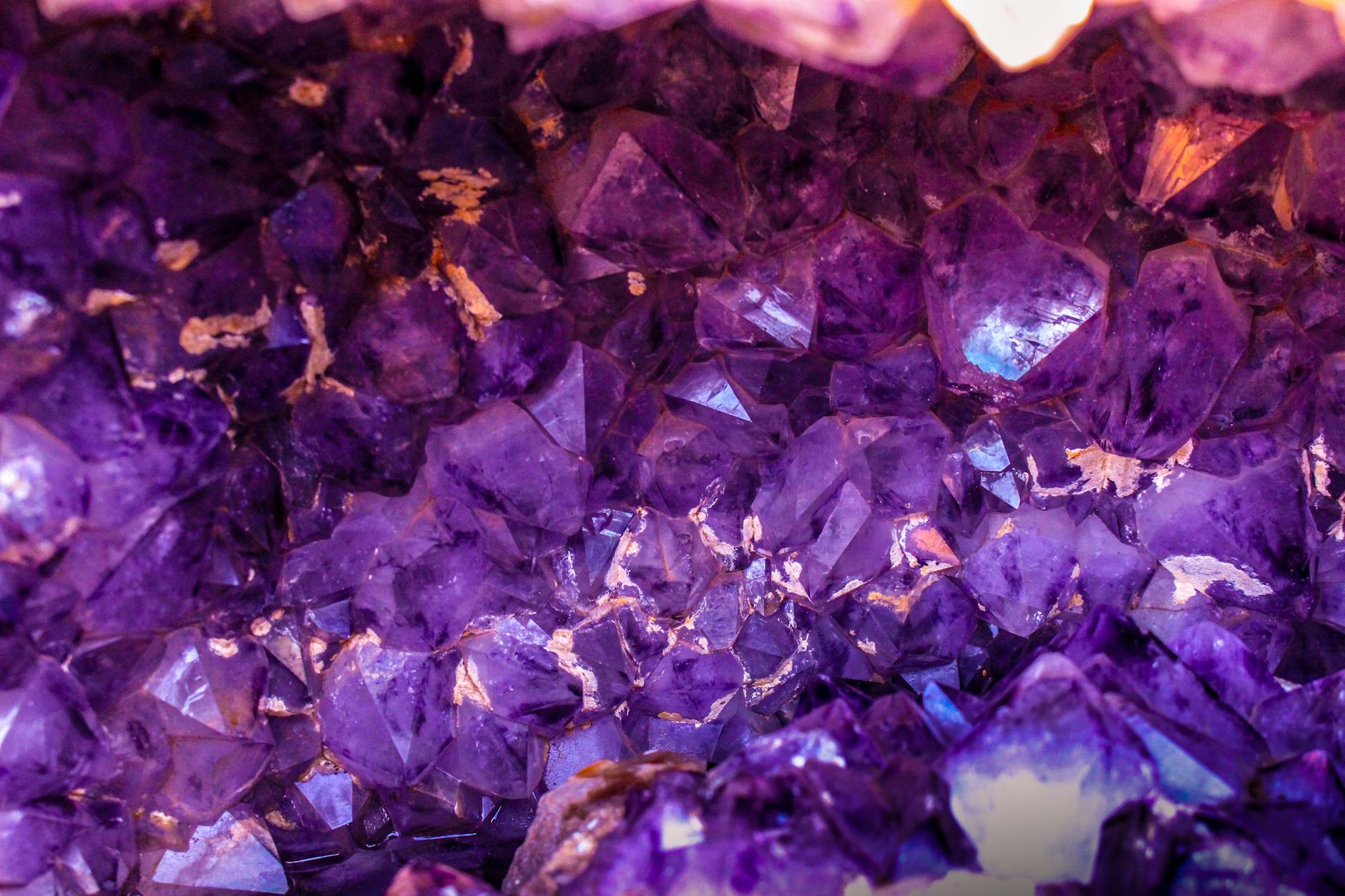
Ngọc

  • Origin: Vietnamese 玉
  • Meaning: “jade; precious stone; gem.”
  • Gender: Unisex
  • Pron: gawk (with the final -c a short stop, not a full “k” release). In IPA: [ŋôk].

Ngọc is a Vietnamese given name and element of compound names, derived from the Sino-Vietnamese reading of the Chinese character 玉 (yù in Mandarin), meaning “jade, precious stone, gem.”

Sources

Glain

Photo by Jonny Lew on Pexels.com
  • Origin: Welsh
  • Meaning: “jewel; gem; bead.”
  • Gender: feminine
  • Pron: GLINE

The name comes directly from the Welsh word for a jewel or decorative bead. It is born by Welsh musical artist, Glain Rhys.

Sources

Safin, Safana, Safina

Safin سَفِين is an Arabic male name that derives from the Arabic root, S-F-N س ف ن meaning, “ship.” Safin itself is the plural form and therefore means “ships.” The singular form of Safina سَفِينة (ship) is used as a female given-name. Another feminine form, which is Safana سَفّانة, literally meaning “boatwright” in modern Arabic derives from the same root but may have had a connotation of a precious gem or pearl in old Arabic and was also used as a term of endearment for a daughter.

The name is used in reference to “سفينة نوح” (safinat Nuh), which is Arabic for Noah’s ark.

Other forms include: Safeen (masculine), Saffanah (feminine), Safanah (feminine) & Safinah (feminine).

A Tatar form is Сәфинә” (Säfinä).

Safina is used throughout the Islamic world.

Sources

Luluah

  • Origin: Arabic لبابة
  • Meaning: “pearl.”
  • Gender: feminine
  • Pronunciation: LOO-loo-wah

The name comes directly from the Arabic word لبابة meaning, “pearl.” It is the name of a famous mosque in Cairo, Egypt, built during the Fatimid Caliphate in the 10th-century, CE.

Other transliterated forms include: Lulua, Lu’lu’ah, Louloua & Lolua.

Sources

Olanna

igbo girl

The name can be Igbo and mean “father’s jewel,” being composed of the Igbo words ọla (jewel; precious thing) and nna (father). It appears as the name of one of the main characters in the Chimamanda Ngozi Adichie novel, Half of a Yellow Sun (2006).

It is also a Scandinavian feminine form of Ole. Other Scandinavian offshoots are Olanne & Oleanna.

Sources

Coral, Coralia

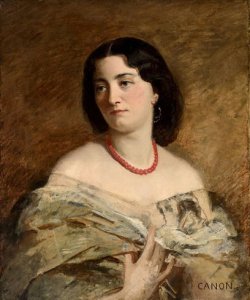
Portrait_of_a_Woman_with_Coral_Beads_by_Hans_Canon


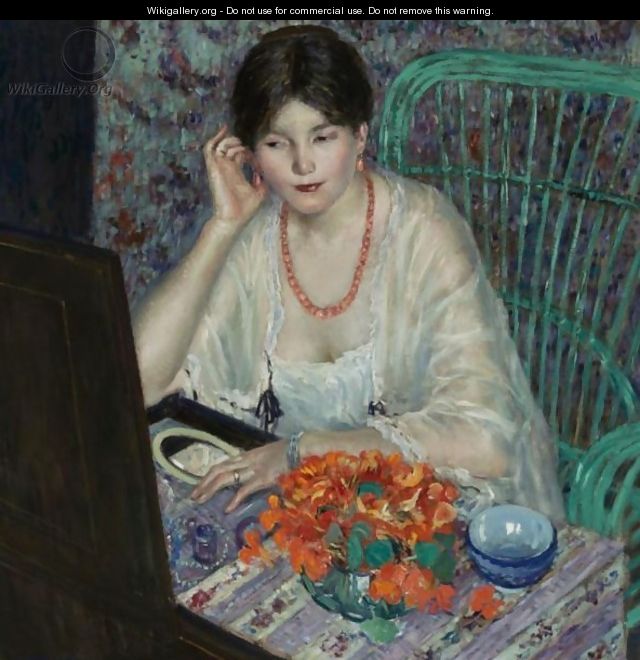
Coral comes directly from the word for the marine invertebrates whose detached exoskeletons have been used for centuries by various cultures to create jewelry. The word itself is derived from the Greek κοραλλιον (korallion).

It is also the name of an orangish-pink colour.

As a given-name, it has been in use for centuries as its Greek form of Koralia (Coralia in Late Latin) was borne by a 4th-century Christian saint and martyr.

There are records for Corilia in 16th-century England, Corelia in 17th-century England Coreyle in 16th-century Württemberg & Corille in 17th-century France.

Coral appeared in the U.S. Top 1000 between 1881 & 1992, peaking at #486 in 1888.


Other forms of the name include:

  • Koraljka (Croatian)
  • Coral (English, Spanish)
  • Coralia (English, Late Latin)
  • Corilia (English)
  • Corail (French)
  • Corille (French, archaic)
  • Coreyle (German, archaic)
  • Koralia Κοραλια (Greek)
  • Korália (Hungarian)
  • Coralla, Corallo (Italian)
  • Koral קורל (Modern Hebrew)

Sources

Onyx

OnyxOrigin: Latin
Meaning: “claw; fingernail”
Gender: Feminine
(AH-niks)

From the name of a gemstone, this name first came into use as a female given name in the 19th-century. Onyx itself derives from the Latin word for “fingernail; claw.”

In the ancient world, the stone was used for cameos, intaglios and vessels. The Onyx was believed to be a remedy against labor pain among Medieval midwives.

Onyx is also used as a synonym for the colour black.

Possible short forms are Oni, Onnie, Nixie or Nyx.

Sources


Diamond

DiamondBelieve it or not, Diamond is a legitimate name, it has been in use as a female given name across Europe since at least early Medieval Times, and it also has its slew of masculine forms.

The name ultimately comes from the Ancient Greek ἀδάμας adámas, meaning “unbreakable,” “proper,” or “unalterable.” It has been used among the Greeks in the form of Adamantine (f) and Adamantos (m) since Ancient Times. The ancient Greeks and Romans believed if worn, the diamond was a ward against evil.

In 13th-century England, there are records for women named Diamanda (the vernacular for most likely being the Anglo-Norman, Diamant). Its usage seemed to have died out by the 15th-century, but was revived once again during the Victorian Era.

In Italy, Diamante was a popular female name between the 13th and 18th-centuries. Notable examples include the Italian poet, Diamante Medaglia Faini (1724-1770) and Italian opera singer, Diamante Maria Scarabelli (1675-1725).

And of course, there is the traditional Arabic female name of Almas (diamond), which has been used across the Islamic world for centuries.

In the United States, Diamond appeared in the U.S. Top 1000 between 2000 and 2014 and peaked at #162 in 2000.

Other forms include:

  • Diamant (Anglo-Norman)
  • Almast Ալմաստ (Armenian)
  • Admantia Αδαμαντία (Greek)
  • Admantine (Greek/French)
  • Diamantō Διαμαντω (Greek)
  • Almas (Arabic)
  • Intan (Indonesian)
  • Diamanda (Late Latin)
  • Adamantis (Latin)
  • Diamantina Διαμαντινα (Greek/Italian)
  • Deimantė (Lithuanian)
  • Elmas (Turkish)

Masculine forms

  • Adamantios Αδαμάντιος (Greek)
  • Diamantino (Italian)
  • Adamantius (Latin)
  • Deimantas (Lithuanian)

Sources

Adiel

Adiel (1)Origin: Biblical Hebrew
Meaning: debated; most likely “ornament/jewel of God.”
Gender: Masculine
(AH-dee-el; ENG. AY-dee-el)

This is the name of 3 minor characters in the Bible, one is the name of the father of Maasai, a Cohen (or Jewish priest), the other is the name of the head of the tribe of Simeon, and the 3rd is the father of Azmaveth who was a treasurer under King David. All of the aforementioned appear in the Book of Chronicles.

As for its meaning, it has traditionally been believed to mean “ornament of God; jewel of God,” being composed of the Hebrew (עדה) adi meaning “ornament” or “jewel” and  אל (‘el) pertaining to elohim. However, the  first element may actually relate to the root word  אל (ad) meaning “witness” and also “forever; eternity,” and “booty.” The same root word also relates to “congregation, community, parish, denomination; swarm, flock.” Somehow, the original root word of all of the above are related. Compare the name to the modern Hebrew Unisex name Adi עדי (jewel, ornament).

Among non-Jews, the name has been in use across Europe since the Protestant Reformation, around the 16th-century. It has been in occasional use in Scandinavia, Finland, the Netherlands, U.K, the Americas and Australia. It has come in recent use in Latin America as well.

Ironically the name was not revived among Jews until modern times. There doesn’t seem to be any records for this name among Jews from Medieval Times to pre-WWII in Europe, the Ottoman Empire or the Middle East. It seems to have become widespread after the creation of Israel in 1948. Since the 1960s, its French feminine form of Adielle has appeared in occasional use among Jews in French-speaking countries such as France and Canada.

Another form is the Dutch Adiël (male) and Adiëlle (female).

Modern Hebrew female forms include Adiela (also Spanish) and Adielit.

Sources
Coralie

Gender: Feminine
Origin: French
Meaning: debated
Fre (Pronunciation)

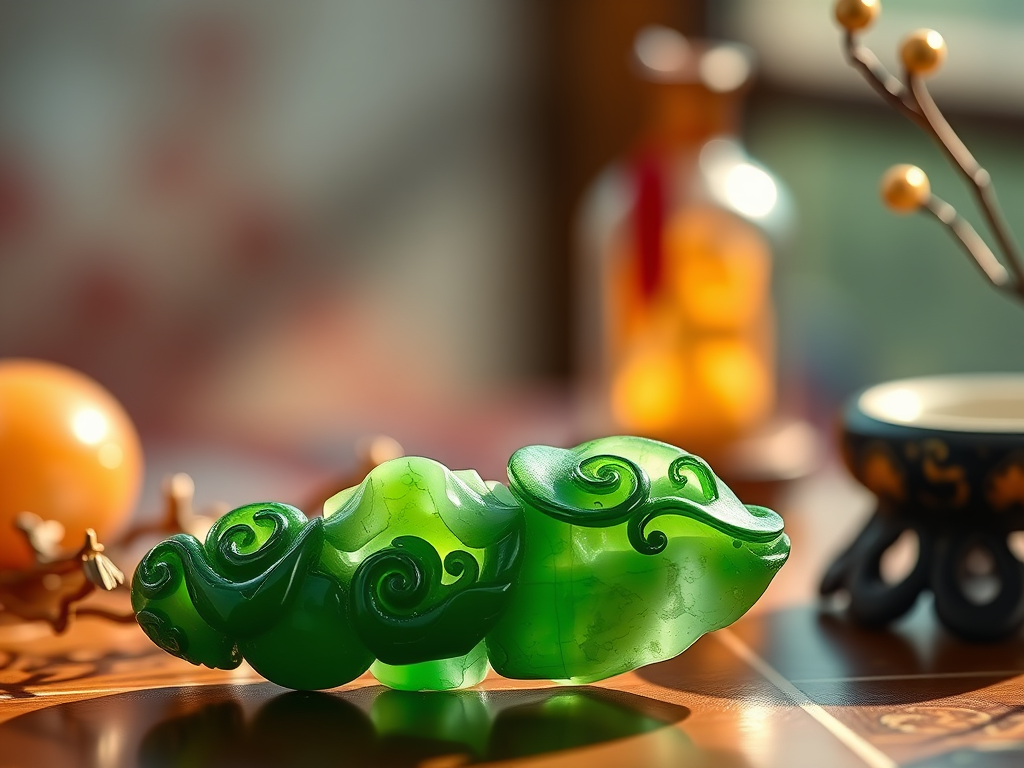
There are a few different theories as to the origins of this name, the most dominant is that it is derived from coral, which is the Old French form of the modern French word, corail (coral). Another theory is that it is an elaboration of Cora.

As of 2010, Coralie was the 240th most popular female name in France.

The name has also had some usage in North America, being somewhat more prevalent in the American South. She has only ever ranked in the U.S. top 1000 two times. The first was in 1880 when she was the 943rd most popular female name, the second was in 1929, being the 892nd most popular female name.

The name appears in Honoré de Balzac’s Illusions perdues (1843)

The name was borne by French First Lady, Coralie Grévy, wife of Jules Grévy (1811-1993). It is currently borne by French singer, Coralie Clément (b.1986).