Victor, Victoria

Origin: Latin
Meaning: “victory.”

Both names are derived from the Latin, meaning, “victory.”

Victoria is the feminine form of Victorius, but it was also the name of the Roman goddess of Victory, the counterpart of the Greek goddess, Nike.

The name was borne by an early North African Christian martyr, its masculine counterpart, was also borne by several early saints, including three popes.

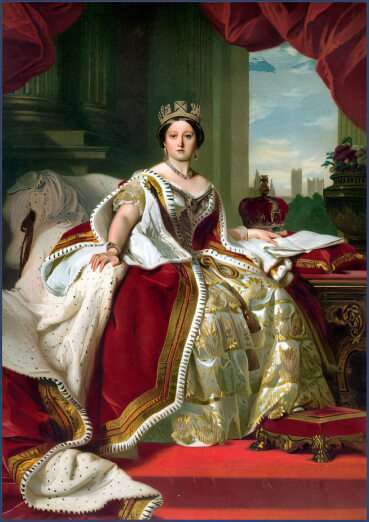
Victoria did not come into use in the English-speaking world till the 19th-century, when Victoria became queen of the British Empire. This period in history, the Victorian Era, was named in her honour, as were several geographic locations throughout the former British Empire.

Currently, in the United States, Victoria is the 27th most popular female name. Her rankings in other countries are as follows:

  • # 41 (Belgium, 2006)
  • # 56 (Canada, B.C., 2008)
  • # 28 (Chile, 2006)
  • # 16 (Czech Republic, 2009)
  • # 17 (Denmark, 2009)
  • # 44 (Germany, 2009)
  • # 10 (Hungary, 2008)
  • # 27 Vittoria (Italy, 2006)
  • # 297 (the Netherlands, 2008)
  • # 26 (Norway, 2009)
  • # 2 Wiktoria (Poland, 2008)
  • # 8 (Russia, Moscow, 2007)
  • # 58 (Spain, 2008)
  • # 92 (Sweden, 2009)

As for its masculine counterpart, Victor, was never a popular choice in the English speaking world, but has always been quite common in Latin American countries and on continental Europe. His rankings are as follows:

  • # 15 (Belgium, 2006)
  • # 37 (Chile, 2006)
  • # 45 (Czech Republic, 2009)
  • # 7 (Denmark, 2009)
  • # 270 (Germany, 2009)
  • # 206 (the Netherlands, 2008)
  • # 9 Wiktor (Poland, 2008)
  • # 8 (Sweden, 2009)
  • # 111 (the United States, 2008)

Other forms of Victoria include:

  • Victòria (Catalan)
  • Viktorie (Czech: diminutive form is Viktorka)
  • Viktoria (Danish/German/Swedish)
  • Victoria (Dutch/English/Finnish/German/Norwegian/Romanian/Spanish/Swedish)
  • Vihtoriina (Finnish)
  • Victoire (French)
  • Victorine (French)
  • Viktória (Hungarian/Slovak)
  • Viktorina (Hungarian)
  • Viktoría (Icelandic)
  • Vittoria (Italian)
  • Vittoriana (Italian)
  • Vittorina (Italian)
  • Viktorija Викторија (Latvian/Lithuanian/Serb0-Croatian/Slovene)
  • Wiktoria (Polish)
  • Vitória (Portuguese)
  • Viktoriya Виктория (Russian/Ukrainian)

Common English diminutives include: Vicky/Vicki or Tori. A Romanian short form is Vica. Vicki/Vikki is also used as a short form in the German speaking countries as well as in Scandinavia.

Wiktorka and Wisia are the Polish short forms.

Male variations include:

  • Viktor (Albanian/Czech/Dutch/Finnish/German/Hungarian/Slovak/Swedish)
  • Vítor (Asturian)
  • Viktar Віктар (Belarusian)
  • Victor (Danish/Dutch/German/English/French/Norwegian/Portuguese/Romanian/Swedish)
  • Vittorio (Italian)
  • Victorius (Latin)
  • Viktoras (Lithuanian)
  • Wiktor (Polish)
  • Vítor (Portuguese)
  • Viktor Виктор (Russian/Ukrainian)
  • Víctor (Spanish)

The name was borne by famous French author, Victor Hugo.

Mary, Maria, Miriam

Mary and its various forms has to be one of the quintessential, classic female names of all time, she has been used in Protestant England in the form of Mary, in the Islamic world as Maryam, in Jewish communities in the form of Miriam and in the Catholic world as Maria, Marie or Mary.

In the United States, she has never quite detracted from the top 100, if Mary is not in fashion then it is usually one of her other forms that may take her place, such as Molly, Mariah, Maria or Mia, all depending on the flavor of the day.

Currently, Mary is the 97th most popular female name in the United States, (2008). Mary’s rankings in other countries are as follows:

  • # 7 (Armenia, 2008)
  • # 57 (Ireland, 2007)

Its French form of Marie is popular outside the Hexagon, she currently ranks in as the 546th most popular female name in the United States, but in other countries, she appears in the top 10. Her rankings are as follows:

  • # 9 (Armenian, 2008)
  • # 4 (Belgium, 2008)
  • # 17 (Czech Republic, 2008)
  • # 24 (Denmark, 2008)
  • # 20 (France, 2009)
  • # 9 (Germany, 2009)
  • # 270 (the Netherlands, 2008)

The continental form of Maria is extremely popular across Europe and Latin America, her rankings in other countries are as follows:

  • # 4 (Argentina, 2009)
  • # 8 (Basque Country, Spain, 2008)
  • # 3 (Belarus, 2005)
  • # 3 (Bulgaria, 2008)
  • # 89 (Canada, B.C., 2008)
  • # 6 (Catalonia, Spain, 2008)
  • # 8 (Chile, 2008)
  • # 91 (England/Wales, 2008)
  • # 6 (Estonia, 2007)
  • # 4 (Faroe Islands, 2008)
  • # 59 (Germany, 2009)
  • # 1 (Greece, 2004)
  • # 90 (Hungary, 2008)
  • # 5 (Iceland, 2004-2007)
  • # 49 (Ireland, 2008)
  • # 1 (Israel, among Christian girls, 2004)
  • # 9 Marija (Latvia, 2005)
  • # 1 Marija (Macedonia, 2006)
  • # 1 (Malta, 2008)
  • # 39 (the Netherlands, 2008)
  • # 14 (Norway, 2008)
  • # 17 (Poland, 2009)
  • # 1 (Portugal, 2008)
  • # 2 (Romania, 2008)
  • # 2 (Russia, 2007)
  • # 99 (Scotland, 2008)
  • # 1 (Slovakia, 2004)
  • # 2 (Spain, 2008)
  • # 96 (Sweden, 2008)
  • # 7 (Ukraine, 2009)
  • # 64 (United States, 2008)

Her diminutive offshoot of Mia, has also been quite trendy the last 10 years, as of 2008, she was the 14th most popular female name in the United States. In other countries, her rankings are as follows:

  • # 1 (Australia, 2008)
  • # 25 (Canada, B.C., 2008)
  • # 44 (Chile, 2006)
  • # 11 (England/Wales, 2008)
  • # 1 (Germany, 2009)
  • # 23 (Ireland, 2008)
  • # 5 (Isle of Man, 2009)
  • # 350 (the Netherlands, 2008)
  • # 24 (New Zealand, 2009)
  • # 12 (Norway, 2008)
  • # 26 (Scotland, 2008)
  • # 46 (Slovenia, 2005)
  • # 3 (Switzerland, among Romansch-speakers, 2008)

Another common diminutive offshoot, is Molly, which is mostly used in the English speaking world, but has also shifted over to some of the Scandinavian countries. Her rankings in other countries are as follows:

  • # 57 (Australia, 2007)
  • # 84 (Canada, B.C., 2008)
  • # 32 (England/Wales, 2008)
  • # 25 (Ireland, 2008)
  • # 33 (New Zealand, 2009)
  • # 39 (Scotland, 2008)
  • # 11 (Sweden, 2008)
  • # 104 (United States, 2008)

Miriam is another common choice which is popular throughout Europe and the Middle East. Her rankings are as follows:

  • # 1 Mariam (Georgia, 2008)
  • # 6 Maryam (Iran, 2007)
  • # 4 Maryam (Israel, among Muslim girls, 2004)
  • # 6 Maryam (Pakistan)
  • # 48 Miriam (Spain, 2008)
  • # 1 Mariam (Tunisia, 2005)
  • # 309 Miriam (United States, 2008)

As for its meaning and derivation, though the its origins can be traced back to the Bible, its lingustic and etymological meaning has long been debated. Many hypothesis include that the name could be a derivative of the Hebrew meri, ‘rebel’ related to the Hebrew verb MRH, mara or Marah which means’ to be “rebellious.” Or that it is related to the Hebrew word מרא (MRA, mara) which means ‘well-fed’, something which would have been considered a comely attribute in Biblical times.

One of the most popular etymological theories is its association with the Hebrew מר (MR, mar), meaning. “bitter” or “bitterness, and another very well established hypothesis suggests that it is from an Egyptian source, mry “beloved” or mr meaning “love.”

Other possible theories include:

That is it a combination of the Hebrew words מר (MR, mar), meaning “bitter” or the Hebrew (mar) meaning, “drop”; or (mor) meaning, “myrrh” or ” (mari ) meaning “mistress’.

The name is borne by several female characters in both the Old and New Testament.

Among Jews, the name was originally used in honour of the sister of Aaron, Miriam the Prophetess.

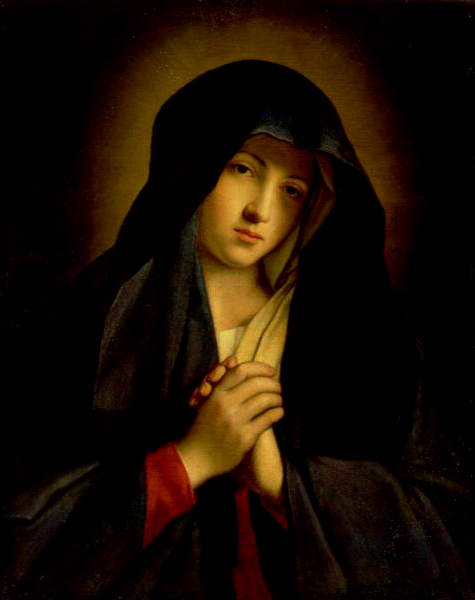
Among Muslims and Christians, (particularly Catholics and Eastern Orthodox), the name is usually used in honour of the Virgin Mary, the mother of Jesus.

However, in certain eras and cultures, Mary or Maria was considered too sacred of a name to use on a child, and in other cultures, the name Maria is so honorable to have, that it is even bestowed upon males, usually in conjunction with a male name or as a middle name. This is especially so in Spanish-speaking countries, French speaking countries and occasionally done in other predominate Catholic countries such as Ireland, Poland and in Bavaria, Germany.

The name has made is presence known in British royalty as well as in the continental ruling houses. Other forms are as follows:

Latinate Forms
Forms used in Latin-based languages

  • Marieta (Catalan: originally a diminutive form, used as an independent given name in Spanish-speaking countries)
  • Miryam (Catalan: archaic form from the 13th-century)
  • Maria (Corsican/Italian/Occitanian/Portuguese/Romanian/Romansch/Latin)
  • Manon (French: originally a diminutive form of Marie, the name has been used as an independent given name for centuries. In fact, it currently ranks in as the 7th most popular female name in Belgium (2006), the 4th most popular female name in France (2006), and the 184th most popular female name in the Netherlands (2008). Pronunciation can be heard here: http://www.forvo.com/search/Manon/)
  • Marie (French: she is one of the most popular middle names in the English speaking world. In French, this form is bestowed on males in conjunction with other male names or as a middle name. There are several common French female names used in conjunction with Marie, as well. Those of which, I will save for future postings).
  • Marielle (French: originally a diminutive form of Marie, now used exclusively as an independent given name)
  • Mariette (French: a diminutive form of Marie, occasionally used as an independent given name, now considered dated in French-speaking countries).
  • Mariolle(French: obscure, very old diminutive form of Marie, the inspiration of the Polish offshoot, Mariola).
  • Marion (French: a medieval French diminutive form of Marie, now exclusively used as an independent given name, the name was borne in legend by the love interest of Robin Hood, Maid Marion, and is borne by French actress, Marion Cotillard. In France, it is the 59th most popular female name (2006)
  • Myriam (French: form of the Biblical, Miriam, she ranks in as the 95th most popular female name in France (2006)
  • Mariella (Italian: originally a diminutive form of Maria, now exclusively used as an independent given name)
  • Marietta (Italian: a diminutive form of Maria, occasionally used as an independent given name).
  • Marigia (Italian: obscure)
  • Mariuzza/Maruzziella (Italian: obscure)
  • Mariana (Portuguese: Mariana is usually considered a name of a seperate etymology, but is used in Portuguese and Spanish as a form of Miriam. She is the 73rd most popular female name in Chile, 2006).
  • María (Spanish/Galician).
  • Marita (Spanish: a diminutive form of Maria, now often used as an independent given name)
  • Maritza (Spanish: a Latin American spin-off of Maria, originally a diminutive form, now a trendy given name, especially among Mexican-Americans, she is currently the 560th most popular female name in the United States).
  • Mareye (Walon)

An Italian diminutive form is Mimi. A Portuguese diminutive form is Mariazinha.

Masculine forms are:

  • Mari (Catalan)
  • Mariu (Corsican)
  • Mario (Italian/Galician)
  • Marius (Latin/French/Romanian)
  • Mário (Portuguese)

Germanic Forms
Forms used in Germanic-speaking countries

  • Maiken/Majken (Danish/Norwegian/Swedish: originally a diminutive form of Maria, now used exclusively as an independent given name).
  • Maria (Danish/Dutch/English/Faroese/Frisian/German/Norwegian/Swedish)
  • Marie (Danish/German/Norwegian/Swedish: a borrowing from the French)
  • Mari (Danish)
  • Maaike/Maike (Dutch/Frisian/German: originally a diminutive form, used exclusively as an independent given name. In 2008, it was the 98th most popular female name in the Netherlands)
  • Marieke(Dutch: originally a diminutive form, now exclusively used as an independent given name. In 2008, it was the 188th most popular female name in the Netherlands)
  • Marijke (Dutch: mah-RYE-keh)
  • Marike (Dutch: originally a diminutive form of Maria, now used exclusively as an independent given name, pronounced mah-REE-keh)
  • Marja (Dutch/Faroese/Gothic/Limburgish: MAHR-yah).
  • Meike (Dutch/German: originally a diminutive form, now used as an independent given name, it was the 53rd most popular female name in the Netherlands of 2008.)
  • Mia (Dutch/German/English/Scandinavian: originally a diminutive form, now used as an independent given name)
  • Mieke (Dutch/Limburgish: originally a diminutive form, used exclusively as an independent given name MEE-keh)
  • Miep(Dutch: a diminutive form, but occasionally used as an independent given name MEEP).
  • Miet (Dutch: originally a diminutive form, occasionally used as an independent given name MEET).
  • Mirjam (Dutch/German/Swedish: form of the Biblical Miriam).
  • Mariel (English: just an anglicized form of the French, Marielle).
  • Mariota (English: archaic, form used in the 13th-century)
  • Mary (English)
  • Molly/Mollie (English: originally a diminutive form, now used more often as an independent given name)
  • Polly (English: originally a diminutive form, now used more often as an independent given name)
  • Marý(Faroese)
  • Mareike (Frisian/German: originally a diminutive form of Maria, now used exclusively as an independent given name)
  • Maja (German/Scandinavian: originally a diminutive form of Maria, used exclusively as an independent given name. It is the 2nd most popular female name in Sweden, (2008)
  • Mariele(German: originally diminutive form of Maria, used exclusively as an independent given name, pronounced mah-REE-leh).
  • Miriam(German/English: Biblical form, often used in German and English speaking countries)
  • Mitzi (German/English: not really used as an independent given name in German speaking countries, but experienced a short usage of popularity as an independent given name in the United States).
  • Ria(German/Dutch: originally diminutive forms, occasionally used as independent given names)
  • Mæja (Icelandic: originally a diminutive form of Maria, used exclusively as an independent given name)
  • María(Icelandic)
  • Mies (Limburgish: diminutive form of Maria, used as an independent given name in the Netherlands. MEES)
  • Mathie (Normand: mah-TEE)
  • My(Swedish: originally a diminutive form of Maria, now used as an independent given name MEE. In 2007, it was the 79th most popular female name in Sweden).
  • Mirele מִירֶעל(Yiddish: a form of Miriam. MEER-eh-leh)

Common English diminutives include May, Mayme, Mare, Mia, Molle, Molly, Moll and Polly, German diminutive forms are Mariechen and Mitzi.

Masculine forms include:

  • Marius (Dutch/German/English/Norwegian/Swedish)
  • Marjus (Faroese)
  • Maríus (Icelandic)

Baltic Forms
Variations used in Baltic countries.

  • Maaja (Estonian)
  • Maare/Maari (Estonian)
  • Maarika (Estonian/Finnish)
  • Maaria/Maarja (Estonian)
  • Maie/Maiu (Estonian: initially diminutive forms, now used as independent given names, MY-eh, MY-oo)
  • Maila/Maili/Mailu (Estonian: Maili is pronounced somewhat like Miley)
  • Mari (Estonian/Finnish)
  • Marjam (Estonian)
  • Marje/Marjen (Estonian)
  • Marjette (Estonian)
  • Mary (Estonian)
  • Maija/Maiju (Finnish)
  • Maikki (Finnish: a Finnicized form of the Sweden and Danish Majken, pronounced somewhat like Mikey)
  • Maaria/Maria (Finnish)
  • Marika (Finnish)
  • Maritta (Finnish)
  • Marjatta (Finnish: can also mean “without a berry” in Finnish, and is the name of a character in the Kalevala, but is often used as a variation of Maria; also used in Estonia)
  • Marjo (Finnish)
  • Marjukka (Finnish)
  • Marjut (Finnish)
  • Miia (Finnish)
  • Mirja (Finnish: translation of Miriam)
  • Mirjam/Mirjami (Finnish)
  • Maija (Latvian)
  • Maila (Latvian: MY-lah)
  • Mairita/Mairīta/Mairīte (Latvian)
  • Mairuta (Latvian)
  • Mare (Latvian: final E is pronounced)
  • Mareka (Latvian)
  • Mareta/Māreta (Latvian)
  • Marī (Latvian)
  • Mārica (Latvian)
  • Mariela (Latvian)
  • Mārieta (Latvian)
  • Marija (Latvian/Lithuanian)
  • Mārika (Latvian)
  • Marite/Mārita/Mārīte/Marīte (Latvian)
  • Marjama (Latvian)
  • Maruta/Māruta/Marute (Latvian)
  • Mare (Lithuanian)
  • Maryte (Lithuanian)

Masculine forms are:

  • Maarius/Mairo/Mario (Estonian)
  • Marijus/Marius (Lithuanian)

Slavic Forms
Forms used in Slavic countries

  • Merjem (Bosnian)
  • Mirjana (Bosnian/Croatian/Serbian/Slovene: translation of Miriam)
  • Mariya (Bulgarian/Russian/Ukrainian)
  • Marija (Croatian/Macedonian/Serbian/Slovene)
  • Marie (Czech: MAHR-yeh)
  • Maria (Polish)
  • Marieta (Polish)
  • Mariola (Polish: mahr-YOLE-ah)
  • Marita (Polish)
  • Maryla (Polish: mah-RIH-lah)
  • Marzena (Polish: not really etymologically related, but has had a historical usage as a variation of Maria in Poland. The name is actually the name of an ancient Polish goddess and it may be linked with the either Polish word for “hope; dream” or with the Old Slavonic word for “death.” mahr-ZHEH-nah, diminutive form is Marzenka).
  • Mária (Slovakian)
  • Marika (Slovakian)
  • Marica (Slovene: initially a diminutive form, used as an independent given name in Slovenia, but is also used as a diminutive form in Bosnian, Croatian, Serbian, Czech and Slovakian, mah-REET-sah).
  • Mojca (Slovene: initially a diminutive form, now used exclusively as an independent given name in Slovenia. MOY-tsah)
  • Marya Марья (Russian)

Czech and Slovak diminutive forms are: Mája, MáňaMaruška and Maryška. Serbian and Slovene diminutives are Maša. Russian diminutives are Manya, Masha, Mashenka and Mashka. Polish diminutives are MasiaMarysia (mah-RISH-ah) and Maryska.

Masculine forms are:

  • Marian (Polish)
  • Mariusz (Polish)
  • Marij/Mario (Slovene)

Celtic Forms
Forms used in Celtic Languages

  • Mari (Breton)
  • Mallaidh (Irish-Gaelic: translation of Molly)
  • Maira/Máire (Irish-Gaelic)
  • Mairenn/Máirín (Irish-Gaelic)
  • Muire (Irish-Gaelic)
  • Mariod/Mariot (Manx)
  • Moirrey/Voirrey (Manx)
  • Màiri (Scotch-Gaelic)
  • Mhari (Scotch-Gaelic)
  • Mhairi/Mhairie (Scotch-Gaelic)
  • Moire (Scotch-Gaelic)
  • Mair (Welsh)

Other Forms
Forms used in other languages not listed in the above

  • Maria (Albanian/Kiswahili)
  • Maryam مريم (Arabic)
  • Mariam (Armenian)
  • Məryəm (Azeri)
  • Maia (Basque)
  • Miren (Basque)
  • Mariam (Coptic/Egyptian)
  • Mariami (Georgian)
  • Maria Μαρία (Greek: Modern)
  • Maroula/Roula (Greek: Modern: initially diminutive forms)
  • Malia (Hawaiian/Zuni)
  • Mária (Hungarian)
  • Maria (Indonesian)
  • Meryem (Kurdish/Turkish)
  • Mariam/Mariamma/Mariamme (Malayalam)
  • Marija (Maltese)
  • Mere (Maori)
  • Miriama (Maori)

The name has several name-days.

Christopher

Gender: Masculine
Origin: Greek
Meaning: “Christ-bearer.”
(KRIS-te-FER)

A popular male name throughout the Christian world, it is derived from the Greek Χριστόφορος, which is composed of the elements, χριστός (khristós), meaning, “anointed one” or in this case, just “Christ” and φέρειν (phérein), meaning, “to carry.”

The name caught on in the early Middle Ages after the legends of a Saint of the same name became a widespread cult, according to the legend, the name was borne by a giant who carried the Christ child across a river. He is considered the patron saint of travellers and is still revered as a popular saint in both the Eastern Churches and the Roman Catholic Church.

As of 2008, Christopher was the 9th most popular male name in the United States. Between 1979-1994, he was the 2nd most popular male name. The lowest he has ranked in U.S. naming history was in 1931, when he came in as the 360th most popular male name.

The name has always been quite common in Central and Northern Europe.

His rankings in other countries are as follows:

  • # 53 (Australia, 2007)
  • # 65 (Canada, B.C., 2008)
  • # 94 (England/Wales, 2008)
  • # 155 (Germany, 2009)
  • # 61 (Ireland, 2007)
  • # 18 (Poland, Warsaw, 2009)
  • # 52 (Scotland, 2008)
  • # 99 (Sweden, 2008)

Other forms include:

  • Kristofor (Albanian)
  • Krystafer كريستوفر (Arabic: used among Middle Eastern Christian)
  • Khrystafor Хрыстафор (Belarusian)
  • Kristof (Breton)
  • Khristofor/Hristofor Христофор (Bulgarian)
  • Cristòfol (Catalan)
  • Cristofanu (Corsican)
  • Kristofor (Croatian)
  • Kryštof (Czech)
  • Christoffer/Christopher/Kristoffer (Danish)
  • Christoffel/Christoforus (Dutch)
  • Christophe (Dutch/French)
  • Christof/Kristof (Estonian)
  • Tohver/Tohvri (Estonian)
  • Kristofer/Risto (Finnish)
  • Christoph/Christof (German)
  • Khristóphoros Χριστόφορος (Greek: Modern)
  • Kristóf/Krisztofer (Hungarian)
  • Kristófer (Icelandic)
  • Críostóir (Irish-Gaelic)
  • Cristofaro/Cristofero (Italian)
  • Cristofalo/Cristofolo (Italian)
  • Cristofano (Italian)
  • Cristoforo (Italian: most common form)
  • Christophorus (Latin)
  • Kristaps/Kristofs (Latvian)
  • Kristoforas/Kristupas (Lithuanian)
  • Christopher/Kristoffer (Norwegian)
  • Krzysztof (Polish)
  • Cristóvão (Portuguese)
  • Christof/Christofor (Romanian)
  • Khristofor Христофор (Russian/Serbian/Ukrainian)
  • Cristolu (Sardinian)
  • Kester (Scottish)
  • Krištof (Slovak/Slovene)
  • Kito (Sorbian)
  • Cristóbal (Spanish)
  • Christoffer/Kristoffer (Swedish)
  • Kristof (Turkish)
  • Krishtof Криштоф (Ukrainian)
  • Cristoforo (Venetian)

Common English diminutives are Chip, Chris, Christy, Kip, Kit and Topher.

German diminutives are Stoffel and Stoffi.

Polish diminutives are: Krzysiek, Krzysiu, Krzyś, Krzysio, Krzysiaczek, Krzych and Krzychu.

An Italian feminine form is Cristofora and an obscure French/German feminine form is Christophine. Another obscure feminine form is the Polish, Krzysztofa.

Notable bearers include: Christopher Columbus (1451-1506), three Danish Kings which include Christoffer of Bavaria, English playwright, Christopher Marlowe (1564-1593) and the fictional character, Christopher Robin, of Winnie-the-Pooh books.

Jasmine

Gender: Feminine
Origin: Persian
Meaning: unknown, name of a flower

Jasmine is derived from the Persian feminine name, Yasmin, which is the name of a type flower indigenous to the Middle East.

The name was always quite prevalent throughout the Middle East, but didn’t really catch on in the Western World till the late 70s and early 80s. In the early 90s, her popularity was fueled when Disney came out with the hit, animated movie, Aladdin, in which the lady love is named Jasmine.

In 1973, Jasmine entered the top 1000, coming in as the 861st most popular female name in the United States, for that year. In 1993, Jasmine skyrocketed to # 23, and as of 2008, she is the 43rd most popular female name.

Jasmine has been popular in other countries, her rankings are as follows:

  • # 3 (Argentina, 2009)
  • # 21 (Australia, 2007)
  • # 8 Yasmin (Brazil, 2009)
  • # 38 (Canada, B.C., 2008)
  • # 94 Jazmin (Chile, 2006)
  • # 35 (England/Wales, 2008)
  • # 32 Jasmin/Yasmin (Germany, 2009)
  • # 4 Jazmin (Hungary, 2008)
  • # 84 (Ireland, 2007)
  • # 9 Jasmine/Yasmine (Malta, 2007)
  • # 15 Jasmijn (the Netherlands, 2008)
  • # 445 Jasmine (the Netherlands, 2008)
  • # 5 (the Philippines, 2006)
  • # 59 Jasmine (Sweden, 2008)

Other forms of the name include:

  • Yasmeen يسمين (Arabic/Persian)
  • Yasmin (Arabic/German/Persian/Spanish)
  • Yasεmεn (Azeri)
  • Yaasaman/Yaasman (Baloch)
  • Jasmina (Bosnian/Croatian/Macedonian/Serbian/Slovene: diminutive form is Jasminka)
  • Jasmijn (Dutch)
  • Jasmine (English/French/Swedish)
  • Jessamine/Jessamy (English)
  • Jasmiina (Finnish)
  • Jasmin (Finnish/German)
  • Yasiman (Hindi)
  • Jázmin (Hungarian)
  • Jasmín (Icelandic)
  • Gelsomina (Italian)
  • Gelsa/Gelsina (Italian)
  • Jazmina (Lithuanian)
  • Yasmina (Persian)
  • Jaśmina (Polish)
  • Yasaman (Tajik)
  • Yasemin (Turkish)
  • Jazmín (Spanish)

There are a few masculine forms, which include, the Italian, GelsinoGelso and Gelsomino.

A Lithuanian masculine form is Jazminas.

Fabian

Gender: Masculine
Origin: Latin
Meaning: “bean.”

The name is derived from the Roman cognomen, Fabius, which is from the Latin, faba, meaning, “bean.”

The name Fabius was common in the Roman Empire, and was borne by a Roman general who helped delay Hannibal’s advancement into Rome.

Fabian was borne by a 3rd-century pope, martyr and saint. His feast-day and name-day is January 20th.

Currently, Fabian is the # 288th most popular male name in the United States. In 1959, he entered the top 1000, coming in as the 608th most popular male name, that same year, a famous pop singer of the same name had a few hits.

In other countries, his rankings are as follows:

  • # 39 (Chile, 2006)
  • # 25 (Germany, 2009)
  • # 139 (the Netherlands, 2008)
  • #77 (Poland, Warsaw, 2009)
  • # 75 (Sweden, 2008)
  • # 16 (Switzerland, 2008)

His Italian off shoot of Fabio, is currently the 119th most popular male name in Germany, (2009); in 2008, Fabio was the 18th most popular male name in Switzerland.

Other forms of the name include:

  • Fabià (Catalan)
  • Fabijan (Croatian)
  • Fabian (English/German/Polish/Swedish)
  • Fabien (French)
  • Fábián (Hungarian)
  • Fabio/Fabiano (Italian)
  • Fabius/Fabianus (Latin)
  • Fabijonas (Lithuanian)
  • Fabião/Fábio (Portuguese)
  • Fabyan Фабиан (Russian/Ukrainian)
  • Fábian/Fábius (Slovakian)
  • Fabián (Spanish)

Its French feminine offshoot of Fabienne was also very popular in the German-speaking countries between the late 80s and early 90s. Currently, she is the 104th most popular female name in Germany, (2009) and is the 368th most popular in the Netherlands, (2008).

Other feminine forms include:

  • Fabiënne (Dutch)
  • Fabienne (French/German)
  • Fabia (Italian/Latin)
  • Fabiana (Italian/Latin/Portuguese/Spanish)
  • Fábia (Portuguese/Slovakian)
  • Fabiána (Slovakian)

There is also the Latin diminutive of Fabiola, which has been used as an independent given name since at least the Middle Ages. The name was borne by a 4th-century Christian martyr, and is an especially popular name in Spanish-speaking countries and was occasionally used in German-speaking countries, but is now considered dated.

The name was borne by 1950s, American teen idol, (as mentioned above), Fabian (b. 1943), née Fabiano Forte.

Rémi, Rémy

Gender: Masculine
Origin: French
Meaning: “debated”
(hray-MEE)

An old French male name that has always been common in Francophonia, the name is of debated origins and meaning, and was borne by a 5th-century bishop and saint who converted Clovis, king of the Franks, to Christianity.

Since the saint was from Reims, some sources concur that is is derived from the name of the city, which in itself, got its name from the Reims, an ancient Celtic people who inhabited the area. The word may be related to an ancient Gaulic or Celtic word meaning, “the first”, “the ancient ones” or “princes.”

Other souces believe that it is derived from the Latin name, Remigius, (since in Latin, the saint was known as St. Remigius), which is derived from remigis, meaning, “oarsman” or from the Latin, remedium meaning, “that which cures.”

According to the Medieval classic, which recounts the lives of the saints, called, The Golden Book, (written by Jacques de Voraigne), the name is related to the Greek elements, remi, meaning “grazing” and gios, meaning, “land; earth.” However, the latter meaning should be taken less seriously, as the author was trying to find a meaning of the name that would express the attributes and deeds of the saint.

In 2006, Rémi was the 81st most popular male name in France.

If we are to believe that Rémi is related to the Latin, Remigius, then cognates would include:

  • Remigio (Italian/Spanish)
  • Remigius (Latin)
  • Remigiusz (Polish)
  • Remígio (Portuguese)
  • Remigiu (Romanian)

A feminine form is Remigia.

The designated name-day is January 15.

Tatiana

Gender: Feminine
Origin: Latin
Meaning: unknown
Татьяна

A popular Russian female name, Tatiana is actually of ancient Latin origins. A feminine form of Tatianus, which is a variation of Tatius, it is of uncertain derivation or meaning and is believed to be of Sabine origins.

The name was borne by an early Christian martyr, a Roman woman, who was persecuted under Emperor Alexander Severus (C. 230). Her devotion became especially popular in the Eastern Orthodox Churches, hence is why the name is so common in Eastern Europe.

Her designated name-day is January 12, and in Russia, this is considered a national holiday for students, known under its religious name as Tatiana Day, and in secular circles as Russian Students Day.

In 1755, Russian Minster of Education, Ivan Shuvalov, designated his mother’s name-day as Tatiana Day, in honour of his mother. That same year, St. Tatiana was declared the patron saint of students.

The name is believed to have been further popularized through Alexander Pushkin’s 1825 novel, Eugene Onegin, in which the lady love of Onegin is named, Tatyana Larina, (affectionately known as Tanya).

The name was also borne by one of the last Russian Grand Duchesses, Tatyana Nikolaevna Romanov of Russia (1897-1918).

In the United States, Tatiana did not catch on as a first name til the 1980s, thanks in part due to a popular line of perfume that came out. Currently, Tatiana ranks in as the 328th most popular female name, (2008).

Tanya and Tanja are diminutive forms that caught on as independent given names in the rest of Europe.

In the English-speaking world, its usage caught on in the 1930s, especially in the United States, when the same decade saw a large influx of Ukrainian and Russian immigrants. She currently ranks in as the 841st most popular female name, (2008).

The highest she has ranked in U.S. naming history was in 1974, coming in as the 46th most popular female name.

The Tanja spelling became especially popular in Germany between the late 1970s and 80s, this rendition is also used in Serbia, Croatia, Finland and Slovenia.

In Brazil, there is Tânia, which in part, may have been introduced via Ukrainian and Russian immigrants during the turn of the century and again between the 1930s and 1970s.

Tania and Tatiana are also used in Spanish speaking countries.

Other forms of Tatiana include:

  • Taciana (Belorusian)
  • Tatyana Татяна (Bulgarian/Russian)
  • Tatjana Татјана (Croatian/Macedonian/Serbian/Slovene)
  • Taťána (Czech)
  • Taina (Finnish)
  • Tatienne (French)
  • Tania (Hungarian/Italian)
  • Tatjána (Hungarian)
  • Taziana (Italian)
  • Tatiana (Italian/Polish/Portuguese/Romanian/Slovak/Spanish)
  • Tacjana/Tacjanna (Polish)
  • Táňa (Slovakian)
  • Tijana (Slovene)
  • Tjaša (Slovene: originally a diminutive form, now used as an independent given name, it ranked in as the 15th most popular female name in Slovenia, (2005)
  • Tatiana Тетяна (Ukrainian)

Masculine forms are:

  • Tanio (Italian)
  • Tatiano (Italian)
  • Taziano (Italian)
  • Tazio (Italian)
  • Tatianus (Latin)
  • Tatius (Latin)
  • Tacjan (Polish)

In Russian, the name has a myriad of diminutive forms, these include: Tanchik, Tanchita, Tanchos, Tanic, Tano, Tanya, Tanyufka, Tanyurik, Tantanya, Tasha, Tasik, Tata, Tatyanida, Taya, Tosya, Toussia and Totoshka.

William, Liam

Gender: Masculine
Origin: German
Meaning: “desire; helmet protection.”
(WIL-yem)

The name is of Norman origins and is derived from the Old Germanic elements wil meaning “desire” and helm, meaning “helmet; protection.”

In the early Middle Ages, the name was especially popular among Norman nobility and royalty. It was borne by an 8th-century saint, William of Gellone, a monk and cousin of Charlemagne.

The name was introduced into England in the 11th-century by William the Conqueror, and remained an extremely common name in England from thereon.

In the United States, William stands as the 8th most popular male name (2008), the lowest he has ever ranked in U.S. history was in 1992 and then again in 1995 when it came in as the 20th most popular male name.

At the turn of the last century, for 30 years in a row, William remained the 2nd most popular male name in the United States, (1880-1909).

His rankings in other countries is as follows:

# 2 (Australia, 2008)
# 16 (Canada, B.C., 2008)
# 10 (England/Wales, 2008)
# 83 (France, 2006)
# 44 (Ireland, 2007)
# 402 (the Netherlands, 2008)
# 5 (New Zealand, 2009)
# 19 (Norway, 2007)
# 46 (Scotland, 2008)
# 4 (Sweden, 2008)

Another popular up-and-coming form is Liam, which is an Irish contracted form of William. Currently, he stands as the 75th most popular male name in the United States (2008). His rankings in other countries are as follows:

# 17 (Australia, 2007)
# 48 (Belgium, 2006)
# 10 (Canada, B.C., 2008)
# 22 (England/Wales, 2008)
# 26 (Ireland, 2008)
# 82 (the Netherlands, 2008)
# 7 (New Zealand, 2009)
# 4 (Scotland, 2009)
# 13 (Sweden, 2007)

The name is borne by Irish actor, Liam Neeson.

Other cognates of William include:

  • Guildhelm (Afrikaans/Old Dutch)
  • Uilliam (Albanian)
  • Willelm (Anglo-Saxon)
  • Guillén (Aragonese)
  • Gwilherm (Breton)
  • Uiliam Уилиам (Bulgarian)
  • Guillem (Catalan)
  • Vilém (Czech)
  • Vilhelm (Danish)
  • Willem (Dutch)
  • Wim (Dutch)
  • William (English/Scandinavian)
  • Villem/Villu (Estonian)
  • Vilhelmi (Finnish)
  • Vilho (Finnish: contracted form)
  • Viljami (Finnish)
  • Ville (Finnish: contracted form)
  • Guillaume (French)
  • Jelle (Frisian: originally a diminutive form, used as an independent given name)
  • Pim (Frisian: originally a diminutive form, used as an independent given name)
  • Wilke/Wilko (Frisian)
  • Guillerme (Galician)
  • Wilhelm (German/Polish)
  • Gouliélmos Γουλιέλμος (Greek: Modern)
  • Vilmos (Hungarian)
  • Vilhjálmur (Icelandic)
  • Uilleag (Irish-Gaelic)
  • Uilliam (Irish-Gaelic)
  • Ulick (Irish: anglicization of Uilleag)
  • Guglielmo (Italian: most common offshoot)
  • Lemo (Italian: contracted form)
  • Velmo/Velmino (Italian: obscure)
  • Villelmo (Italian: obscure)
  • Villermo (Italian: obscure)
  • Vilio (Italian: obscure)
  • Guilielmus (Latin)
  • Viljams (Latvian)
  • Vilis (Latvian)
  • Wöllem/Wullem/Wum (Limburgish)
  • Vilhelmas (Lithuanian)
  • Vilius/Viliumas (Lithuanian)
  • Wellëm (Luxembourgish)
  • Illiam (Manx)
  • Wiremu (Maori)
  • Gllâome (Norman)
  • Guilhem (Occitanian)
  • Willahelm (Old German)
  • Vilhjálmr (Old Norse)
  • Willken/Wilm/Willm (Plattdeutsch)
  • Guilherme (Portuguese)
  • Zelmino/Zelmo (Romanesque)
  • Vilhelm (Romanian/Scandinavian)
  • Wellem (Ripoarisch)
  • Vilgelm Вильгельм (Russian/Ukrainian)
  • Vėljams (Samogaitian)
  • Uilleam (Scottish-Gaelic)
  • Gugghiermu (Sicilian)
  • Vilim Вилим (Serbian)
  • Viliam (Slovak)
  • Viljem (Slovene)
  • Guillermo (Spanish)
  • Gelmo/Gilmo (Venetian)
  • Gwil (Welsh)
  • Gwilim/Gwilym (Welsh)
  • Velvel װֶעלװֶעל (Yiddish: also the Yiddish word for wolf but commonly used as a diminutive form of Wilhelm)

Notable bearers include: Swiss national folk hero, William Tell (14th-century), Scottish national hero, William Wallace (13th-century).

It was also borne dramatist, William Shakespeare (1564-1616), poet William Blake (1757-1827), dramatist, William Butler Yeats (1865-1939), author William Faulkner (1897-1962), including the current Crown Prince of England, Prince William of Wales (b.1982), and it has also been borne by several U.S. presidents.

Common English diminutives England: Bill, Billy, Will, Willy and Wills/Wils.

Italian diminutives include: Gelmino, Ielmo, Memmo (Tuscan dialectical form), Memo and Lemmo.

Feminine offshoots include Willa, Wilhelmina, Wilma, Mina and Minnie.

Wilhelmina is a German/Dutch form that was briefly used in the United States in the early part of the 20th-century but is in rare use today, in fact, she does not appear in the U.S. top 1000. It is, however, currently the 297th most popular female name in the Netherlands (2008)

Wilhelmina was borne by several Danish princesses, and was extremely common in German and Dutch royalty.

Its contracted English form of Willa, seems like it should be an up-and-comer, but currently does not rank in the U.S. top 1000.

The name was borne by famous American author, Willa Cather (1873-1947) née Wilella, another feminine form of William which should be noted.

Minnie was quite fashionable as a stand alone name at the turn of the 20th-century. In 1880, she was the 5th most popular female name in the United States. She was out of the top 1000 by 1971.

The name is usually associated with the Disney Character and girlfriend of Mickey Mouse, Minnie Mouse, hence is probably why she fell out of usage.

Wilma is another form that has not been in the U.S. top 1000 for quite some time, introduced into the 19th-century by German and Scandinavian immigrants, Wilma is currently very trendy in both Norway and Sweden. More so in Sweden, it is currently the 9th most popular female name (2008).

An early English feminine form that might be appealing to the surname lovers was Wilmot, which appears as early as the 16th-century. It may have been an anglicization of an early French feminine name, Wilmette.

Other feminine forms are:

  • Wilma/Vilma (Czech/English/German/Portuguese/Scandinavian/Slovak/Spanish)
  • Elma (Dutch/German/Slovene: contracted form)
  • Willemina (Dutch)
  • Willemijn (Dutch)
  • Mina (English/German: contraction of Wilhelmina)
  • Minnie (English/German)
  • Velma (English/German)
  • Wilella (English)
  • Willa (English)
  • Willia (English)
  • Wilmot (English)
  • Wilhelmina (English/German/Dutch/Polish)
  • Helmi (Finnish: also means “pearl” see Helmi)
  • Miina (Finnish: contraction of Wilhelmina)
  • Minna (Finnish/German)
  • Vilhelmiina (Finnish)
  • Guillaumette/Guillaumine (French)
  • Guilette (French)
  • Minette (French)
  • Wilhelmine (French/German/Dutch)
  • Wilmette (French)
  • Jeltje/Jeltsje (Frisian: contractions of Wilhelmina)
  • Helma (German: contraction of Wilhelmina)
  • Helmine (German: contraction of Wilhelmina)
  • Vilhelma (Hungarian)
  • Vilhelmina (Hungarian/Scandinavian)
  • Azelma (Italian)
  • Gilma (Italian)
  • Guglielma/Guglielmina (Italian: diminutive forms are Mema and Memma)
  • Velma/Velmina (Italian)
  • Villelma/Vilelma/Villelmina/Villermina (Italian)
  • Vilia/Villa (Italian)
  • Zelma/Zelmina (Italian)
  • Mien (Limburgish: originally a short form of Wilhelmina, now used as an independent given name)
  • Guilhermina (Portuguese)
  • Wilja (Scandinavian)
  • Willamina (Scottish)
  • Guilla/Guillerma/Guillermina (Spanish)
  • Ilma (Spanish: contraction of Guillierma)
  • Gelma/Gelmina (Ventian)
  • Velvela (Yiddish)

A Finnish/Scandinavian diminutive is Mimmi.

A Czech and Polish diminutive is Minka and a popular English diminutive was Billie.

Designated name-days are: January 10 (France/Lithuania/Poland), April 6 (Finland/Hungary/Poland), May 26 (Finland/Lithuania/Poland/Sweden), May 28 (Germany/Latvia/Poland/Slovakia), June 8-24-25 (Hungary/Lithuania/Poland), July 5 (Poland), September 2 (Poland), September 19 (Hungary/Lithuania), October 25 (Poland).

Grace

Gender: Feminine
Origin: English
Meaning: comes directly from the word

Grace is an English given name derived from the Latin, gratia. It has been in usage since the Middle Ages, but was further popularized during the 17th-century, especially among Puritans.

Among Christians, the name is usually used in reference to the divine grace of God.

Currently, Grace is the 4th most popular female name in the United Kingdom/Wales (2008) and the 21st most popular in the United States.

The lowest she has ever ranked in United States naming history was in 1977 coming in as the 397th most popular female name. The highest she has ranked so far was in 1883-1884, coming in as the 13th most popular female name and again in 2004-2003.

In the United States, she is probably one of the most popular middle name options on girls.

Her rankings in other countries are as follows:

# 14 (Australia, 2007)
# 5 (Tasmania, Australia, 2009)
# 18 (Canada, B.C., 2008)
# 7 (Ireland, 2008)
# 10 (Isle of Man, 2008)

The name is also borne by a few Christian saints, one of whom was an early Cornish saint.

Cognates for Grace include:

  • Grâce (French)
  • Gratienne (French)
  • Gratia (German/Latin)
  • Grazia (Italian)
  • Graziana (Italian)
  • Graziella (Italian)
  • Grazietta (Italian)
  • Grazina (Italian)
  • Graziosa (Italian)
  • Graziuccia (Italian: originally a diminutive form, used occasionally as an independent given name)
  • Zazzina (Italian: contracted form of Grazina).
  • Gracja (Polish)
  • Gracjana (Polish)
  • Graça (Portuguese)
  • Graciete (Portuguese)
  • Gracinda (Portuguese)
  • Graciana (Slovene/Spanish)
  • Gracija (Slovene)
  • Gracijela/Gracjela (Slovene)
  • Gracia (Spanish)
  • Graciella (Spanish)
  • Graciosa (Spanish)

Common Italian compositional forms are: Maria Grazia and Grazia Maria. In Spanish, its Maria Gracia, Portuguese, Maria da Graça and in English, Mary Grace. All these forms were originally used in honour of Our Lady of Grace, among Roman Catholics. Currently, Mary Grace is the 9th most popular female name in the Philippines (2006).

Italian masculine forms are: Graziano, Grazio, Graziello, Grazietto, Graziolo and Graziuccio.

A Polish masculine form is Gracjan, and there is also the Latin form of Gratian/Gratianus.

Slovene masculine forms are: Gracijano/Gracijan/Gracjano.

French male name is Gratien.

The name was borne by actress and Princess of Monaco, Grace Kelly (1929-1982).

A common English pet form is Gracie.

In France, the designated name-day is August 21st.

Samantha

Gender: Feminine
Origin: Uncertain
Meaning: unknown
Eng (sə-MAN-thə); Fre (SAH-mAWn-TAH)

The name is of unknown derivation or meaning, some sources believe that it may have been an 18th-century feminization of the Biblical male name, Samuel, which means “heard by God”, while others believe it to be a smush of Sam and the Greek female name Antha, meaning “flower.”

The name seems to have first appeared in Colonial America.

Currently, Samantha is the 11th most popular female name in the United States, and the highest she has ranked in U.S. naming history was in 1998, coming in as the third most popular female name. The lowest Samantha has ranked in U.S. history was 1907 when she came as the 945th most popular female name.

The earliest records of U.S. naming trends, which goes far back as 1880, indicates that Samantha was 352nd most popular female name of that year.

Samantha’s popularity may have been due to the hit 1960’s SitCom Bewitched, in which the lead character, named Samantha Stephens, was a witch born in the 16th-century, who decides to settle down in contemporary society.

Whatever Samantha’s origins, its long historical usage in the United States has rendered it a legitimate name, her usage has even gone overseas. Her rankings in other countries are as follows:

  • # 40 (Australia, 2007)
  • # 21 (Canada, B.C., 2008)
  • # 261 (the Netherlands, 2008)
  • # 137 Samanta (Poland, Warsaw, 2009)
  • # 90 (Scotland, 2008)

Samantha is also used ocassionally in French-speaking countries and German-speaking countries, although, Samantha does not currently appear in Germany’s top 500 names (2008).

Samanta has recently become trendy in Central Europe and Italy. An obscure French form is Samanthée.

In English, the most common pet forms are Sam and Sammie.

Italy has given Samantha the name-day of November 1st.

The name is borne by:

“Aunt” Samantha Bumgarner (1878-1960), considered the first recorded female country artist, she was known for her work with the fiddle and banjo in the early 1900s.

Samantha Barning (b.1989) Dutch professional Badminton player

1970s/80s Dutch Radio Presenter, Samantha Dubois, (née Ellen Kraal)/

British model and pop singer, Samantha Fox (b.1966)