The name comes directly from the Farsi word نیلوفر (niloufar), meaning, “morning glory; water lily; nenuphar.”
It ultimately derives from Middle Persian nīlōpār, from Sanskrit nīlotpala (नीलोत्पल) meaning blue lotus (nīla “blue” + utpala “lotus”). Through Persian, it spread widely into other languages of the Islamic and Silk Road world. The Greek-Latin loan nénuphar comes from this same root, appearing in medieval botanical and poetic texts to denote the water lily (Nymphaea).
Niloufar has been used as a feminine given name in Iran, Afghanistan, Tajikistan, Azerbaijan, and Turkey (where it appears as Nilüfer).
Notable bearers include:
Niloufar Bayani, Iranian conservationist and scholar.
Nilüfer Yumlu (known simply as Nilüfer), celebrated Turkish pop singer.
Princess Niloufer of Hyderabad (1916–1989), Ottoman princess renowned for her beauty and philanthropy.
Pran is a male Indian given-name derived from the Sanskrit प्राण (prana), meaning, “breath; breath of life,” “life force” or, “vital energy.”
In Indian philosophy and yoga, prāṇa represents the universal life energy that animates all living beings.
The Thai feminine form Prani (ปราณี) combines this same Sanskrit root with the suffix -i, creating a meaning closer to “kind,” “merciful,” or “gracious.” In Thai and Pali contexts, Prani can also mean “a living being” or “one endowed with breath.” It is sometimes transcribed as Pranee.
The name is derived from the Arabic root م-ت-ز (m-t-z), meaning “to be distinguished, eminent, or excellent.” As an adjective, Mumtaz literally means “distinguished,” “excellent,” “outstanding,” or “exalted.”
It is often used as a word of exclamation in the same way “that’s cool” or “that’s great” is used in English.
It is also used as a given-name. In the Arabic-speaking world, it is a masculine name but in Southeast Asia, it is unisex. A notable female bearer was Mumtaz Mahal (1593–1631), the beloved wife of Mughal Emperor Shah Jahan, for whom the Taj Mahal was built. Her real name was Arjumand Banu Begum, but she was titled Mumtaz Mahal, meaning “Distinguished One of the Palace.”
Mümtaz is the Turkish form, it is mostly masculine but is occasionally used on females.
The name is from the Persian word, مهتاب (mahtab), meaning “moonlight.” It is a poetic female name that has spread throughout the Persianate world. It is occasionally used on males in Southeast Asia.
Notable Bearers
Mahtab Singh (1782-1813), was the first wife of Ranjit Singh, founder of the Sikh Empire.
Mehtab Kadın (1830-1888) (Turkish form), was the name of the consort of Sultan Abdulmejid I of the Ottoman Empire.
Mahtob Mahmoody (b. 1979): Iranian-American author and daughter of Betty Mahmoody, whose story inspired Not Without My Daughter (1991), starring Sally Field.
Its Turkish form of Mehtap was among the top 100 girls’ Turkish names between 1980-1993, and peaked at # 58 in 1983.
The name comes from Sanskrit मैथिली (Maithilī), meaning “from Mithila.” Mithila was the name of an ancient kingdom located in present-day Bihar (India) and parts of Nepal.
The most famous bearer of this name is Sita, heroine of the Ramayana. As the daughter of King Janaka of Mithila, she was called Mythili (“princess of Mithila”).
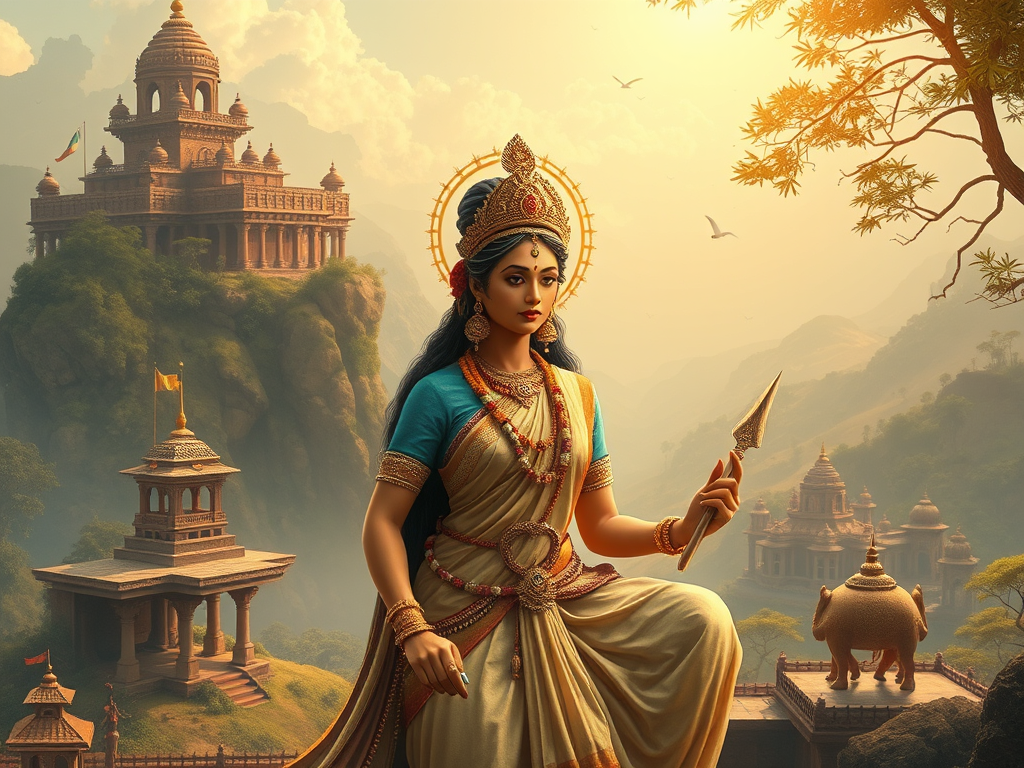
The name Padma (पद्म) is derived from Sanskrit, meaning “lotus.” In South Asian tradition, the lotus is one of the most sacred flowers, symbolizing purity, beauty, spiritual awakening, and transcendence — a blossom that rises pristine from muddy waters.
Religious & Mythological Significance
Lakshmi: In Hindu texts, Padma is used as a by-name of the goddess Lakshmi, goddess of wealth, fortune, and prosperity. She is often depicted standing or seated upon a lotus, holding lotus flowers in her hands.
Vishnu: The lotus is also associated with Vishnu, Lakshmi’s consort, and the cosmic lotus from which the universe springs.
Attributes: The padma is one of the four attributes (ayudhas) often shown in iconography of deities — symbolizing purity, enlightenment, and divine perfection.
Buddhism & Jainism: The lotus also holds deep meaning in Buddhist and Jain traditions, where it represents spiritual liberation and the blossoming of wisdom.
The name is technically unisex but more commonly bestowed on females. A notable bearer is American author, Padma Lakshmi (b. 1970).
It is also the name of a major river in Bangladesh and in the Harry Potter series, Padma Patil is the twin of Parvati Patil.
International Variations
Padmé (f) – a pop-culture invention from the Star Wars franchise, which is based on the Sanskrit name.
Meaning: auspicious; good luck; good; beautiful; excellent.”
Both names come from Sanskrit, where the root śubha / शुभ means “auspicious, fortunate, good, beautiful, excellent.”
Forms & Gender
Shubh is most often a masculine given name in modern India, though it can also be used more generally as a unisex name meaning “auspicious” or “good omen.”
Shubha adds the feminine suffix -ā, making it the standard feminine form, commonly used across Hindu communities in India and the diaspora.
Pronunciation Shoobh (with a long “oo,” rhyming with move). In classical Sanskrit the initial “ś” is a soft sh sound.
Religious & Cultural Resonance The word appears throughout Hindu, Buddhist, and Jain texts to describe anything auspicious or spiritually pure. It carries connotations of good fortune and positive beginnings, which is why it’s a popular choice for children’s names and for ceremonial greetings like “Shubha Deepavali” (“Auspicious Diwali”).
Variants & Related Names Regional spellings include Subh,Shubho (Bengali masculine form), and compounds such as Shubham शुभम् (male name meaning, “auspiciousness”) or Shubhangi शुभांगी ( female name meaning, “having an auspicious body/limbs”).
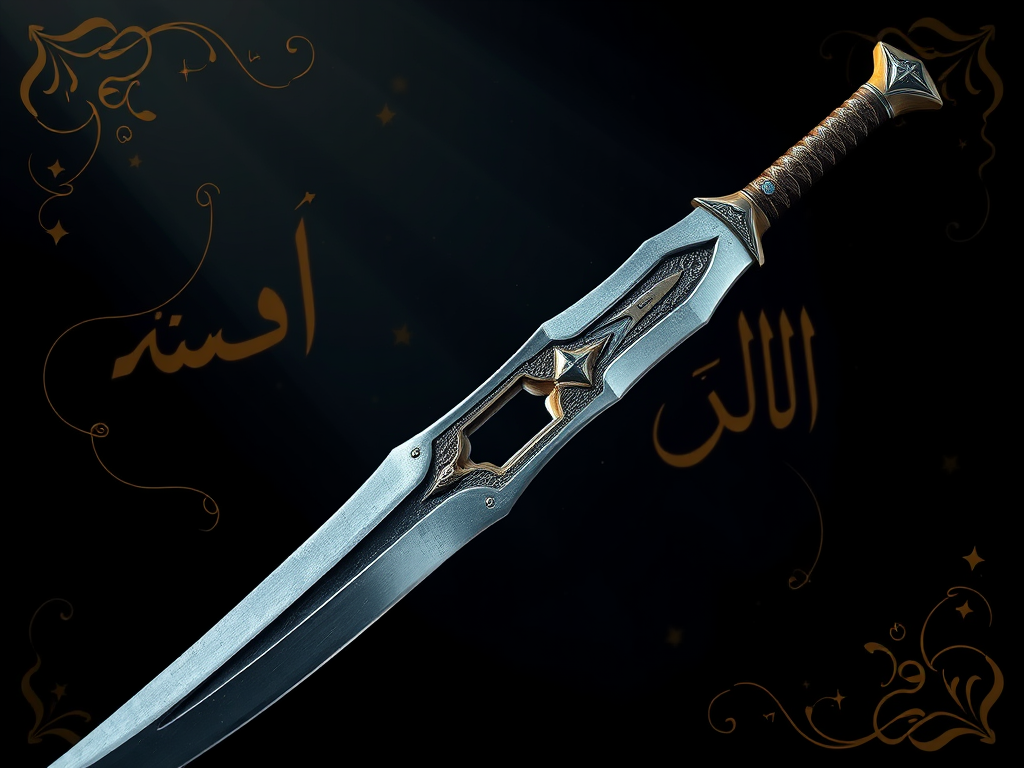
In Islamic tradition it specifically refers to a sword with a split or notched blade—the legendary weapon given by the Prophet Muhammad to his cousin and son-in-law ʿAlī ibn Abī Ṭālib.
It possibly comes from classical Arabic compound dhū / dhu (ذو) (possessor of; one who has), and fiqār / fiqar (فقار) (spine; vertebrae). Other sources suggest the second element may relate to the stars of Orion’s belt.
The phrase literally means “the one with the notches” or “owner of the notched spine.”