Alexis, Alexa, Alexia, Alessia

Gender: Masculine
Origin: Greek
Meaning: “defender; helper.”
(uh-LEK-sis)

The name is derived from the Greek male name, Αλεξις (Alexis), which is derived from the Greek element, αλεξω (alexo), meaning, “defender; helper.”

The name was borne by a 3rd-century Greek comic and poet, and by several male saints and five Byzantine emperors.

In its Russian incarnation of Aleksei, it was fairly common among Russian royalty. It was borne by two Russian tsars and by the last Russian crown-prince, Aleksei Romanov.

Currently, in the United States, Alexis ranks in as the 242nd most popular male name, despite this, the name is far more common for females, (even though Alexis is not a legitimate feminine name and should not be considered as such), in fact, it is currently the 26th most popular female name, (2011). In the United States, its usage as a female given name can be traced all the way to the 1940s, when it first entered the U.S. top 1000. Its usage among females is most likely attributed to Canadian actress, Alexis Smith (1921-1993) who was born as Gladys. Its popularity on females, however, might mostly be influenced by the 1980 drama series, Dynasty, in which one of the female leads, played by Joan Collins, was named Alexis.

In other countries, Alexis as a male name is ranked as follows:

  • # 28 (France, 2010)
  • # 38 (Alejo, Argentina, 2009)
  • # 83 (Belgium, 2008)
  • # 90 (Aleix, Spain, 2010)

Other forms of the name include:

  • Ales (Basque)
  • Aleksei/Alexei Алексей (Bulgarian/Russian)
  • Aleix (Catalan)
  • Alesiu (Corsican)
  • Aleksej/Alexej (Czech/Slovak)
  • Alexis (Danish/English/German/French/Norwegian/Spanish/Swedish)
  • Aleksi (Finnish)
  • Aleksis (Finnish)
  • Aleixo (Galician/Portuguese)
  • Alexei (German)
  • Alexios Αλεξιος (Greek)
  • Elek (Hungarian)
  • Alessi (Italian: obscure)
  • Alessio (Italian)
  • Alexius (Latin/German)
  • Aleksas (Lithuanian)
  • Aleksy (Polish)
  • Alexie (Romanian)
  • Alexi (Romansch)
  • Aliesch (Romansch)
  • Alessiu (Sicilian)
  • Lezziu (Sicilian)
  • Alejo (Spanish)
  • Aleksej (Slovene)
  • Aleš (Slovene)
  • Oleksiy Олексій (Ukrainian)

Alyosha and Lyosha are common Russian diminutive forms.

Its feminine forms of Alexa and Alexia are also rising in popularity, Alexia is currently the 275th most popular feminine name in the United States, (2011), while Alexa comes in as the 55th most popular female name. I shall go into more details in another post. In the meantime, here are other feminine forms

  • Alexa (English/Hungarian)
  • Alexia (English/German/Greek/French)
  • Alessa (Italian)
  • Alessia (Italian)
  • Alessina (Italian)
  • Aleksja (Polish)
  • Aléxia (Portuguese)
  • Alexina/Alexine (Scottish)

Common short forms are Alex, Lex and Lexie.

Designated name-days are: February 17 (France), March 17 (Greece), July 17 (Germany) and December 12 (Sweden).

Sources

  1. http://www.behindthename.com/name/alexis
  2. http://www.askoxford.com/firstnames/alexis?view=uk
  3. http://www.askoxford.com/firstnames/alexa?view=uk
  4. http://www.askoxford.com/firstnames/alexia?view=uk
  5. Bengt af Klintberg: Namnen i almanackan, 2001
  6. Yáñez Solana, Manuel (1995). El gran libro de los Nombres. M. E. Editores, Madrid
  7. Montes Vicente, José María (2001). El libro de los Santos. Alianza, Madrid
  8. Kustaa Vilkuna: Etunimet, 3. painos 2001, s. 30,
Gaétan


Gender: Masculine
Origin: German/Polish/Italian/French
Meaning: “from Caieta.”
It (guy-TAH-no); Fre (GAH-eh-TAWn); Pol/Germ (KYE-eh-TAHN)

The name is derived from the Latin place name, Caietanus, meaning,  “from Caieta”. Caieta is now known as Gaeta.

In ancient Greece, this was a town where prisoners were taken to be executed. The town probably got its name from the wet nurse of Zeus in Greek myth.

It was borne by a 16th-century Italian saint, which spurred the popularity of the name throughout Europe. It has been in usage in German speaking countries as well as in Poland in the form of Kajetan and Cajetan, the name Kaj was later spun off from this name, now being more popular than its formal form in Sweden and Denmark.

As of 2010, its French form of Gaétan was the 122nd most popular male name in France.

Other forms of the name include:

  • Caitanu (Asturian)
  • Kaitan (Basque)
  • Gaietà (Catalan)
  • Gaitanu (Corsican)
  • Kajetán (Czech/Hungarian/Slovak)
  • Cajetaan (Dutch)
  • Gaétan (French)
  • Gaëtan (French)
  • Gaetano (Galician/Italian)
  • Kayetan (German)
  • Kajetan (German/Polish/Scandinavian)
  • Gaïtános Γαϊτάνος (Greek)
  • Caietanus (Latin)
  • Kajetonas (Lithuanian)
  • Aitano (Neopolitan)
  • Gaitano (Neopolitan)
  • Caetano (Portuguese)
  • Caetan (Romanian)
  • Cajetan (Romansch)
  • Kaetan Каетан (Russian)
  • Gajetànu (Sardinian)
  • Cayetano (Spanish)

Feminine forms are:

  • Gaetana (Italian)
  • Gaétane (French)
  • Gaëtane (French)
  • Kajetana (German/Polish)
  • Kaia (German)
  • Kaja (German/Polish)
  • Caietana (Latin)

Its designated name day is August 7.

Aurelian

Gender: Masculine
Origin: Latin
Meaning: “golden one.”
Eng (aw-RIL-lee-yen) Fre (Pronunciation)

The name is derived from the Latin cognomen, Aurelianus, which means, “golden one.”

The name was borne by a 3rd-century Roman Emperor.

As of 2010, its French form of Aurélien was the 150th most popular male name in France. Other forms of the name include:

  • Aureliani (Albanian)
  • Aurelián (Aragonese/Czech)
  • Awrelijan Аўрэліян (Belarusian)
  • Avrelian Аврелиан (Bulgarian/Russian/Ukrainian)
  • Aurelià (Catalan)
  • Aurelijan Аурелијан (Croatian/Macedonian/Serbian)
  • Aurelian (English/German/Lombard/Polish/Romanian)
  • Aurélien (French)
  • Aureliano (Galician/Italian/Portuguese/Spanish)
  • Avreliane ავრელიანე (Georgian)
  • Aurelianus (Latin)
  • Aureliāns (Latvian)
  • Aurelianas (Lithuanian)
  • Aurilianu (Sicilian)
A feminine form is Aureliana (Italian/Latin/Portuguese/Spanish)

Ambrose

Gender: Masculine
Origin: Greek
Meaning: “immortal.”
Eng (AM-broze); Fre (ahm-BWAHZ)

Ambrose is an English version of the Late Latin, Ambrosius, which is a form of the Greek male name Αμβροσιος (Ambrosios), meaning, “immortal.”

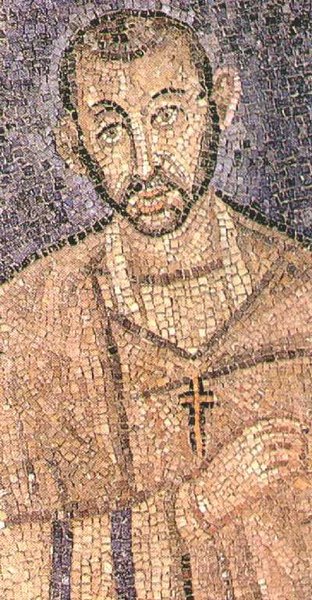
The name was borne by a 4th-century Christian saint, a contemporary of St. Augustine of Hippo. He is considered a Doctor of the Church and the patron saint of Milan.

As of 2010, its French form of Ambroise was the 391st most popular male name in France.

The designated name-day is December 7.

There is a feminine version as well, Ambrosia, and in Greek mythology, it is borne by the daughter of Atlas and Pleione. It was also the name of the food of the gods eaten on Mount Olympos.

Other forms of the name include:

  • Ambrozi (Albanian)
  • Ambrosiu (Asturian)
  • Anbortsi (Basque)
  • Ambroaz (Breton)
  • Amvrosij Амвросий (Bulgarian/Russian/Ukrainian)
  • Ambròs (Catalan)
  • Ambrosgiu (Corsican)
  • Ambrozije (Croatian)
  • Ambrož (Czech/Slovene)
  • Ambroos (Dutch)
  • Broos (Dutch/Limburgish)
  • Ambroise (French)
  • Ambros (German/Romansch)
  • Ambrosios Αμβροσιος (Greek)
  • אמברוזיוס Ambrwzyws (Hebrew)
  • Ambrus (Hungarian)
  • Ambrósíus (Icelandic)
  • Ambróis (Irish)
  • Bosone (Italian: obscure)
  • Ambrogio/Ambrogino (Italian: more common forms)
  • Ambrosino (Italian: obscure)
  • Ambrosi (Kiswahili)
  • Ambrosius (Late Latin/Danish/Dutch/Finnish/German/Estonian/Norwegian/Swedish)
  • Ambrozijs (Latvian)
  • Ambraziejus (Lithuanian)
  • Ambroeus (Lombard)
  • Ambroży (Polish)
  • Ambrósio (Portuguese)
  • Ambrozie (Romanian)
  • Ambrosi(Romansch)
  • Ambròsu (Sardinian)
  • Ambroggiu (Sicilian)
  • Ambróz (Slovakian)
  • Ambrosio (Spanish/Galician/Italian/Venetian)
  • Emrys (Welsh)

Feminine forms include:

  • Ambroisine/Ambrosine (French)
  • Ambrogia/Ambrogina (Italian)
  • Ambrosina (Italian)
  • Ambrosia (Greek/Italian)
  • Ambrozja (Polish)
  • Ambrozija (Slovene)

Celestine

Gender: Masculine (English); Feminine (French)
Origin: Latin
Meaning: ” of the sky; of the heavens.”
Eng (sel-es-TINE; SEL-es-tin); Fre Masc (say-les-TEN); Fre Fem (say-les-TEEN)

The name is derived from the Late Latin male name, Caelestinus, meaning, “of the sky; of the heavens.”

In English, the name was anglicized to Celestine while in French, Célestine was always strictly the feminine form, the French masculine form being, Célestin.

The name was borne by five popes.

In the English-speaking world, Celestine was seldom used, if it was ever used it was usually used for females being a borrowing from the French, though Celestine is a common male name among Nigerian Catholics.

As of 2010, Célestin was the 415th most popular male name in France, while its feminine form of Célestine was the 419th most popular female name in France.

Other forms of the name include:

  • Celestin Целестин Целестин (Asturian/Bulgarian/Romanian/Romansch/Russian/Scandinavian/Serbian/Ukrainian)
  • Celestí (Catalan)
  • Celestýn (Czech)
  • Celestijn (Dutch)
  • Celestinus (Dutch)
  • Celestine (English)
  • Célestin (French)
  • Celestino (Galician/Italian/Portuguese/Spanish)
  • Coelestin (German)
  • Cölestin (German)
  • Zölestin (German)
  • Kelestínos Κελεστίνος (Greek)
  • Celesztin (Hungarian)
  • Caelestinus (Late Latin)
  • Celestinas (Lithuanian)
  • Celestyn (Polish)
  • Celestìnu (Sardinian)
  • Celestín (Slovene)
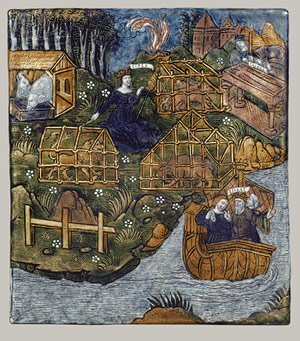
A famous female bearer was Célestine Galli-Marié (1840–1905), a French mezzo-soprano who created the title role in the opera Carmen
La Celestina, a 15th-century literary piece written by Fernando de Rojas, is considered one of Spain’s greatest pieces of literature.
Celestina is also the name of an 18th-century literary piece written by poet, Charlotte Turner Smith.
Other feminine forms include:
  • Celestina Целестина (Czech/English/Italian/Lithuanian/Portuguese/Romanian/Romansch/Russian/Slovak/Spanish)
  • Célestine (French)
  • Cölestina (German)
  • Zölestina (German)
  • Celesztina (Hungarian)
  • Celestyna (Polish)
  • Kolestina Колестина (Russian)

Celestine is also the name of an order of Benedictine monks and it is also the name of a type of mineral.

Isaura

Gender: Feminine
Origin: Latin
Meaning: “from Isauria.”
Eng (ih-ZORE-uh); Fre (ee-ZORE); Por/Sp (ee-SOW-rah); Pol (ee-ZOW-rah)

The name is essentially a feminine form of the Late Latin male name, Isaurus, which means “from Isauria.”

Isauria was the name of a place in Asia Minor.

Isaurus was borne by an early Christian saint and martyr of Macedon.

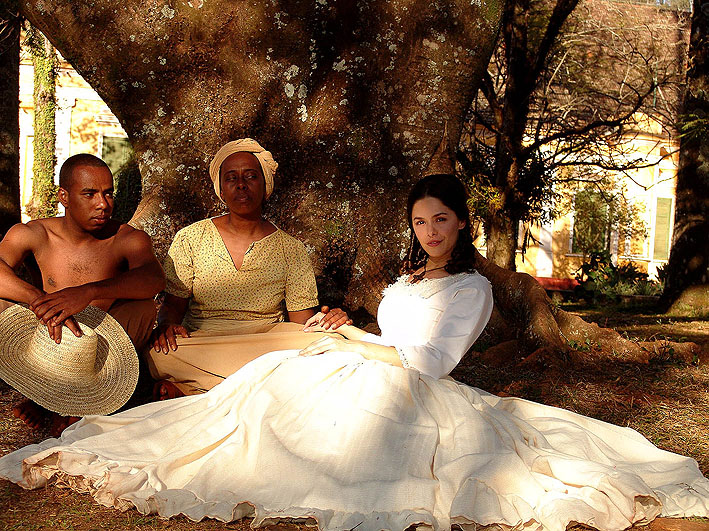
In the 1970s, Isaura became somewhat popular in Latin America due to the fame of a Brazilian soap-opera Escrava Isaura (1976-1977). The show was later syndicated in Eastern Europe, where, Izaura, (its Eastern European form) form experienced some usage in both Hungary and Poland.

Its English form of Izora appeared in the U.S. top 1000 between 1880 and 1912. The highest she ranked within those years was in 1880, coming in as the 517th most popular female name. The name was borne by American pop singer, Izora Armstead (1942-2004).

During the Civil War, the name was borne by a Confederate spy, Izora “Zora” Fair of South Carolina, who disguised herself as an African-American slave to sneak into general Sherman’s headquarters where she overheard Sherman’s planned route to Savannah. Her letter was intercepted by the Union Army; her fate is unknown.

As of 2009, its French form of Isaure was the 396th most popular female name in France.

Other forms of the name include:

  • Isaura (English/Galician/Italian/Latin/Portuguese/Spanish)
  • Izora (English)
  • Isaure (French)
  • Izaura (Hungarian/Polish)
  • Izóra (Hungarian)


Achilles

Gender: Male
Origin: Greek
Meaning “pain.”
Eng (uh-KEELZ); (ah-KEEL-leez); Fre (ah-SHEEL); It (ah-KIL-le)

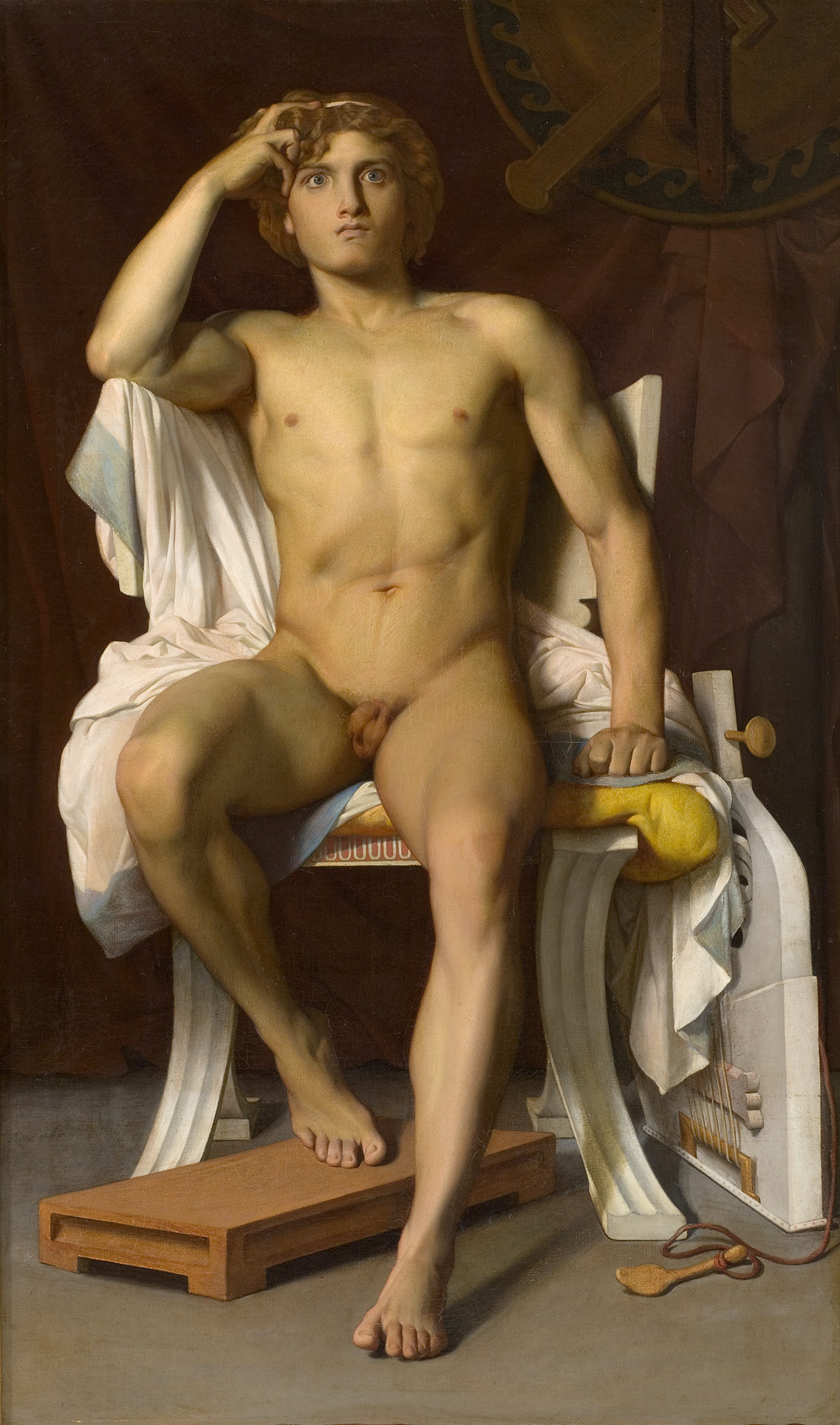
The name of the great Pythian hero of the Trojan war, Achilles was invincible save for the one spot on his heel that was vulnerable to killing him. Achilles was timelessly struck down after a poisoned arrow pierced his heel. Some legends state that his mother, Thetis, had dipped him in the river Styx to render her child immortal. However, since she was holding him by one heel, the waters were unable to pass through her hands onto the area to which she held him.

Achilles’ Heels is a term used to describe a person’s weakness. In anatomy, Achilles Tendon is used to describe a tendon of the posterior leg.

As of 2009, Achille was the 204th most popular male name in France.

Other forms of the name include:

  • Akili (Albanian)
  • Akiles (Basque)
  • Ahilej (Bosnian, Serbo-Croatian)
  • Akilles (Breton)
  • Aquil·les (Catalan)
  • Achilles (Czech/English/Polish)
  • Akhilleus (Finnish/Scandinavian: very obscure)
  • Achille (French/Italian)
  • Achilleus Αχιλλευς (Greek)
  • Akhilleusz (Hungarian: obscure)
  • Ahillejs (Latvian)
  • Achilas (Lithuanian)
  • Akille (Maltese)
  • Akilles (Danish/Norwegian/Swedish)
  • Ahile (Romanian)
  • Achilli (Sicilian)
  • Ahil (Slovene)
  • Aquiles (Spanish/Galician/Portuguese)

Angelica

Gender: Feminine
Origin: Latin
Meaning: “angelic.”
Eng (AN-jel-ik-ah), It/Pol (ahn-JAY-lee-kah); Germ (ahn-GAY-lee-kah); Sp (ahn-HAY-lee-lah) Swe/Nor (ahn-YAY-lee-kah); Fre (Pronunciation)

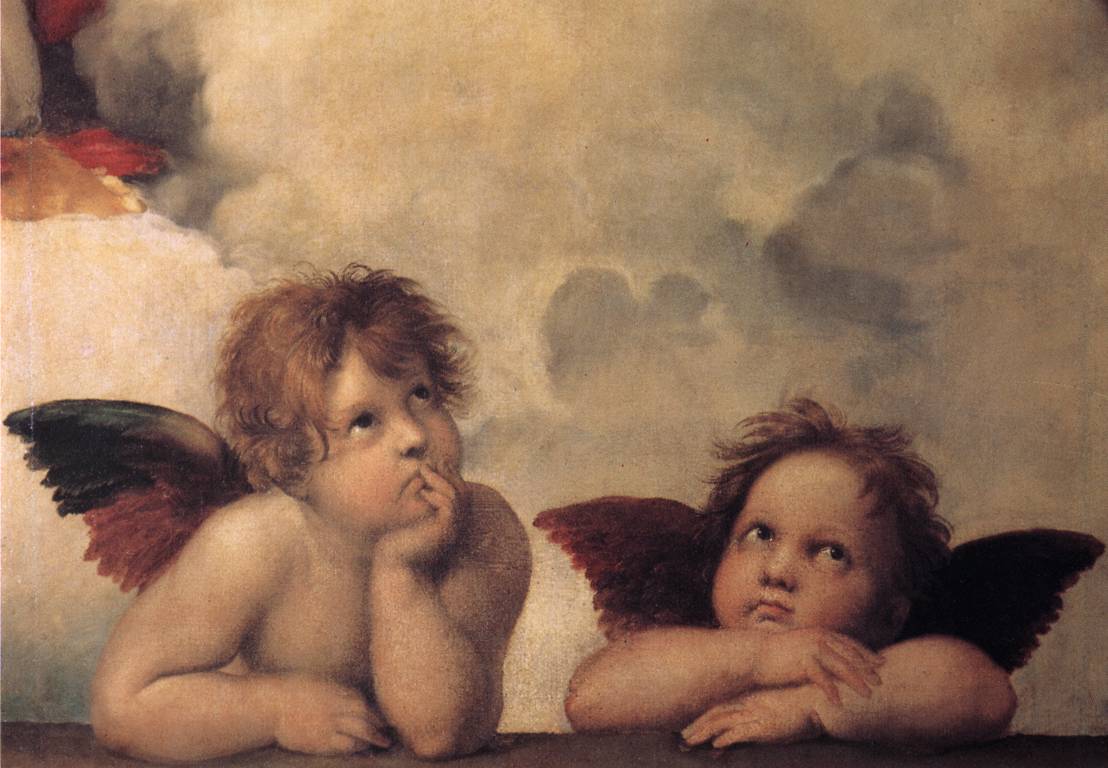
The name is derived from the Latin angelicus meaning “angelic” and is ultimately derived from the Greek, άγγελος (ángelos) meaning, “messenger.” The name was used by the 16th-century, Italian poets, Boiardo and Aristo for their Orlando poems, in which it is the name of Orlando’s love interest.

In England, Angelica has been used as a given name since the 18th-century.

Angelica is also the name of a type of herb.

As of 2010, Angelica stood as the 345th most popular female name in the United States, while the French form of Angélique came in as the 439th most popular female name in France, (2009) and the 627th most popular in the United States, (2010).

As of 2009, its Spanish form of Angélica was the 88th most popular female name in Mexico.

The name is borne by several saints, and was also borne by 18th-century Swiss painter, Angelica Kauffman (1741-1807). Other notable Angelicas include:

Italian opera singer, Angelica Catalani (1780-1849), Stand-in American First Lady, Angelica Van Buren (1818-1877), American nun and TV host, Mother Angelica (b.1923); Angelica Pickles, a popular cartoon character featured on the Rugrats; American actress, Anjelica Huston; Norwegian princess, Maud Angelica Behn (b.2003) .

The Latinate, Angelica form, is used in English speaking countries, Italy, Romania, Norway, Sweden and occasionally Poland. Other forms of the name include:

  • Angèlica (Catalan)
  • Angelika (Czech/Danish/German/Hungarian/Icelandic/Norwegian/Slovak/Swedish)
  • Angélique (French)
  • Anxélica (Galician)
  • Angeliki/Aggeliki Αγγελική (Greek: Modern)
  • Angyalka (Hungarian)
  • Angelíka (Icelandic)
  • Anjelica (Norwegian/Swedish)
  • Angelica/Angelika/Andżelika (Polish)
  • Anželika (Russian)
  • Angelìca (Sardinian)
  • Angelika Ангелика (Serbian)
  • Angélica (Spanish/Portuguese)

There is an Italian masculine form, which is Angelico, and the Late Latin masculine form, Angelicus.

Cyprian

Gender: Masculine
Origin: Latin
Meaning: “from Cyprus.”
Eng (SIP-ree-ən)

The name is derived from the Roman family name, Cyprianus, which means, “from Cyprus.”

The name was borne by a 3rd-century Christian theologian, writer, martyr and saint.

As of 2009, its French form of Cyprien was the 272nd most popular male name in France.

Other forms of the name include:

  • Çipriani (Albanian)
  • Cyprian (Albanian/English/German/Polish/Romansch)
  • Sybryan سيبريان (Arabic)
  • Kiprianos Կիպրիանոս (Armenian)
  • Zipriano (Basque)
  • Kiprijan Киприян (Bulgarian)
  • Cebrià (Catalan)
  • Ciprijan (Croatian/Macedonian/Serbian/Slovene)
  • Cyprián (Czech)
  • Cyprianus (Dutch/Latin)
  • Cyprien (French)
  • Ciprian (Fruilian/Romanian)
  • Cibrán (Galician)
  • Kvipriane კვიპრიანე (Georgian)
  • Kyprianόs Κυπριανός (Greek)
  • Cipriano (Italian/Portuguese/Spanish)
  • Kiprijonas (Lithuanian)
  • Kiprián Киприа́н (Russian)
  • Cebrián (Spanish)
  • Kypryan Кипріян (Ukrainian)
Feminine forms include:
  • Cyprienne (French)
  • Cipriana (Italian/Portuguese/Spanish)
  • Cypriana (Latin/Polish)
The name was borne by several other saints, another notable bearer is Polish romantic poet, Cyprian Kamil Norwid (1821-1883).

Virgil

Gender: Masculine
Origin: Latin
Meaning: unknown
Eng (VUR-jəl); Fre (vare-ZHEEL)

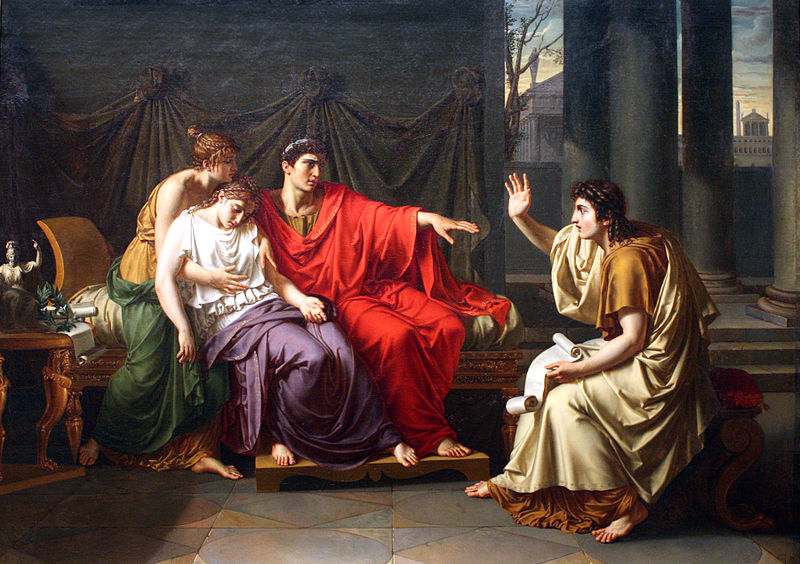
The name was borne by famous Latin poet, Publius Vergilius Maro (70–19 BCE), the author of the Aenead, credited for being one of Rome’s most epic poems.

Dante used Virgil as the guide in his Inferno and part of Purgatorio.

The origins of the name are unclear, Virgil itself is derived from the Latin, Virgilius/Vergilius, a Roman family name of uncertain meaning.

At one time, Virgil was one of the most popular male names in the United States. The highest he ranked was in 1907 coming in as the 93rd most popular male name. As of 2010, Virgil no longer appears in the U.S. top 1000

As of 2009, its French counterpart of Virgile was the 333rd most popular male name in France.

Other forms of the name include:

  • Virgiliu (Albanian/Romanian/Sicilian)
  • Virchilio (Aragonese)
  • Virxiliu (Asturian)
  • Virgili (Catalan/Lombard/Occitanian)
  • Virgilije Вергилиј (Croatian/Macedonian/Serbian/Slovene)
  • Virgilius (Dutch/Latin)
  • Vergil (English/German/Plattdeutsch/Ripoarisch/Scandinavian)
  • Virgil (English/Romanian)
  • Vergíliu (Extramaduran)
  • Virgile (French)
  • Virgjili (Frulian)
  • Feirgil/Veirgil (Gaelic)
  • Virxilio (Galician)
  • Virgill (Icelandic)
  • Virgilio (Italian/Spanish)
  • Vergilius (Latin)
  • Vergīlijs (Latvian)
  • Virgilijus (Lithuanian)
  • Virġilju (Maltese)
  • Bergílio (Mirandese)
  • Wergiliusz (Polish)
  • Virgílio (Portuguese)
  • Vergėlėjos (Samogaitian)
  • Vergílius (Slovak)
  • Fyrsil (Welsh)
The name was also borne by an 8th-century Irish saint and missionary, Virgil of Salzburg.