Sava

Gender: Masculine
Origin: Greek
Meaning: “old man.”
Сава; Савва; Sაბა

The name is derived from the Greek, Sabas, which is derived from the Hebrew, סַבָא (sava) meaning “old man; grandfather.”

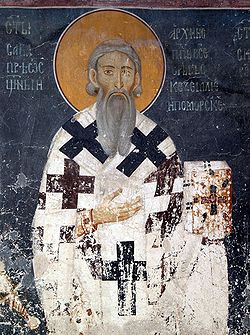
It was borne by one of the most notable and influential saints of the Serbian Orthodox Church, (1127-1235). St. Sava was a Serbian prince and monk, the youngest son of Stefan Nemanja. He is revered as the patron saint of Serbia.

The name was borne by several other Orthodox Christian saints, including the Romanian saint, Sabbas the Goth.

Sava is also the name of a river which runs through Croatia, Serbia and Slovenia. As a result, it has occasionally been used as a feminine name, mostly among Bosnian Muslims. A Slovenian feminine form is Savica.

As of 2011, its Georgian form of Saba was the 4th most popular male name in Georgia.

The designated name-days are December 5 (Bulgaria) and November 14 (Czech Republic).

Other forms of the name include:

  • Sava Сава (Belarusssian/Bulgarian/Croatian/Macedonian/Romanian/Serbian/Slovene/Ukrainian)
  • Saba საბა (Georgian)
  • Sabas (Greek/Spanish)
  • Száva (Hungarian)
  • Sawa (Polish)
  • Savva Савва (Russian)

Sources

  1. http://en.wikipedia.org/wiki/Saint_Sava
  2. http://www.behindthename.com/name/sava

Nicholas

Origin: Greek
Meaning: “victory of the people.”

Today is St. Nicholas Day! So, I thought, what a perfect opportunity to blog about the name Nicholas and all his myriad variations.

This is an update of a post I wrote three years ago in December. I thought I would rerun it with some updates.

The name is derived from the Greek, Νικόλαος, (Nikolaos), which is composed of the Greek words νικη (níkē), meaning, “victory” and λαὸς (laos), meaning, “people.” λαὸς (laos) could also derive from the Greek root word, λας (-las) as in “λα-τομεῑο“, which means, “stone” “rock”, as in Greek mythology it was believed that all humans were formed from the stones that Deucalion and Pyrrah threw over their shoulders as they were running.

In the post-Christian world, the name Nicholas was popularized through the cult of St. Nicholas, Bishop of Myra in Lycia, (the inspiration for the modern-day Santa Claus). He was known for his acts of charity toward the poor, the most popular story being that he saved a local poor man’s daughters from lives of prostitution by dropping gold nuggets down the man’s chimney so that the man could pay for his debts instead of selling his daughters.

St. Nicholas is a very popular saint in both the Eastern and Western Churches.

The name was introduced into England in the form of Nicholas, though the sans H version has also its share of usage in the Anglophone world. Nicholas first came into usage in England around the 12th-century and remained common even through the period of the Reformation. Currently, Nicholas is the 42nd most popular male name for boys in the United States, (2011). His rankings in all his various forms in other countries are as follows:

  • # 1 (Nika/Nikoloz(i), Georgia, 2011)
  • # 3 (Nikola, Macedonia, 2006)
  • # 3 (Nikola, Serbia, 2011)
  • # 5 (Nikolay, Bulgaria, 2009)
  • # 5 (Nikolaos, Greece, 2010)
  • # 6 (Nicolás, Argentina, 2009)
  • # 9 (Nicolás, Columbia, 2011)
  • # 9 (Nicolás, Mexico, 2011)
  • # 15 (Nicholas/Nick/Nicholai/Nicoló, Malta, 2011)
  • # 16 (Mikołaj, Poland, 2009)
  • # 22 (Nicolò, Italy, 2010)
  • # 22 (Nicolas, Spain, 2010)
  • # 24 (Niklas, Austria, 2010)
  • # 27 (Nikola, Croatia, 2009)
  • # 29 (Nicolas, Belgium, 2008)
  • # 31 (Nikolaj, Denmark, 2011)
  • # 36 (Australia, NSW, 2011)
  • # 36 (Canada, BC, 2010)
  • # 45 (Nikolai, Norway, 2011)
  • # 51 (Nicolas, Catalonia, 2010)
  • # 56 (Nicolas, Austria, 2010)
  • # 69 (Nicolas, France, 2010)
  • # 72 (Miklós, Hungary, 2011)
  • # 75 (New Zealand, 2010)
  • # 82 (Nikola, Slovenia, 2010)
  • # 93 (Niklas, Norway, 2011)
  • # 94 (Nikola, Bosnia & Herzegovina, 2010)
  • # 168 (Nicolas, United States, 2011)
  • # 181 (Scotland, 2010)
  • # 332 (Nicolaas, Netherlands, 2011)
  • # 451 (Nicolas, Netherlands, 2011)
  • # 473 (Nikolas, United States, 2011)
  • # 550 (Nickolas, United States, 2011)
  • # 639 (Nikolai, United States, 2011)

Other forms of the name include the following, (divided alphabetically by linguistic origin):

Latinate Forms
Variations used in Latin languages

  • Micolau (Catalan)
  • Nicolau (Catalan/Galician/Occitanian/Portuguese)
  • Niculaiu (Corsican)
  • Nicoty (Brusseler: a French dialect)
  • Colin (French: originally a diminutive form, now used exclusively as an independent given name, not to be confused with the Celtic Colin/Collin which has a completely different etymology and pronunciation)
  • Nicolas/Nico (French: diminutive forms are Colas, Coliche, Colineau, Coya, Koni, Nic, Nico and Nikko)
  • Coletto/Colino (Italian: obscure)
  • Niccola/Nicola (Italian: Cola is a diminutive form)
  • Nicolai (Italian)
  • Nicolao (Italian)
  • Niccolò/Niccolo/Nicolò (Italian)
  • Nicoletto (Italian: obscure)
  • Niccolino/Nicolino (Italian: obscure)
  • Nico (Italian/Romanian/Spanish: originally a diminutive form, now used exclusively as an independent given name)
  • Nicolás/Colás (Leonese)
  • Nicu (Leonese/Romanian: originally diminutive forms, used as independent given names)
  • Nicolaus (Late Latin)
  • Nicolinus (Late Latin)
  • Neculai/Nicolae/Niculae (Romanian: diminutive form is Nicoară)
  • Nicușor (Romanian: originally a diminutive form, used as an independent given name)
  • Clà/Clau (Romansch)
  • Niclà/Nicolà/Niculin (Romansch)
  • Nigola (Sardinian)
  • Nicolao/Nicolás (Spanish)

Feminine forms ares

  • Nicolaua (Catalan)
  • Colette (French: originally a diminutive form, now used exclusively as an independent given name)
  • Coline (French: originally a diminutive form, now used exclusively as an independent given name. The name also coincides with the French word for hill. Diminutive form is Colinette)
  • Nicole (French)
  • Nicolette (French: originally a diminutive form of Nicole, now exclusively used as an independent given name)
  • Nicoline (French)
  • Nicolasa (Galician/Spanish)
  • Nicoletta (Italian)
  • Nicolina (Italian)
  • Nicoleta (Romanian)
  • Nicolina/Niculina (Romanian)
  • Nicoleta/Nicolá (Spanish)

Germanic Forms
Variations used in Germanic based languages

  • Nikolaus (Afrikaans/Old Dutch)
  • Claus/Klaus/Niels (Danish: originally diminutive forms but used as independent given names for centuries)
  • Nicolai/Nikolaus/Nikolaj (Danish)
  • Nilaus/Nis (Danish)
  • Nicolaas/Nikolaas (Dutch)
  • Klaas/Nico/Niek/Niels (Dutch: Originally diminutive forms but have been used as independent given names for centuries)
  • Nicholas/Nicolas (English: diminutive forms include: Cole, Nat, Nick and Nicky)
  • Niklas/Niklái (Faroese)
  • Niklaas (Flemmish)
  • Klaas/Klaes (Frisian)
  • Nickel/Nickels (Frisian)
  • Claus/Claas/Klaas/Klaus/Klas (German: originally diminutive forms but have been used as independent given names for centuries)
  • Nickolaus/Nicolas/Nicolaus/ Niklaus/Nikolaus/Niklas (German)
  • Nico/Niko (German)
  • Neikaulaus (Gothic)
  • Néckel/Kleeschen/Klos (Lexumburgish)
  • Klaos (Limburgish)
  • Nikolaas/Nicolaas (Low Saxon)
  • Nicolai/Nikolai (Norwegian)
  • Niels (Norwegian)
  • Nickel (Plattdeutsch)
  • Michlaus (Swabian)
  • Niclas/Nicklas/Niklas (Swedish)
  • Nels/Nils (Swedish)
  • Klas/Claes (Swedish)
  • Chlaus/Glaus (Swiss-German)

Germanic feminine forms are:

  • Nikoline (Danish)
  • Klasina/Klazina (Dutch)
  • Nicole (Dutch/English/German: a borrowing from the French, very popular in the 1980s in German-speaking countries, English-speaking countries, as well as in the Netherlands and Scandinavia. In 1980, Nicole was the 7th most popular female name in the United States)
  • Nicolet (Dutch: a bastardization of the French, Nicolette)
  • Nicolien/Nicoline (Dutch)
  • Nicola/Nichola (English: a name that was particularly popular in Great Britain in the 70s and 80s, not to be confused with the masculine versions which are separate evolutions. This is pronounced NIK-uh-lah, and is most likely a feminization of the Scottish Nichol)
  • Nikolina (Faroese)
  • Nikólína (Icelandic)

Slavic Forms
Forms used in Slavonic languages

  • Mikalai Мікалай (Belarusian)
  • Nikola(y)/Niklen Никола/Николай/Никлен (Bulgarian: diminutive forms are: Kole, Kolyo, Kolyu and Nikùlitza).
  • Nikola/Niko (Croatian: Nikša and Nikica are diminutive forms)
  • Mikoláš/Mikuláš (Czech: short form is Mikula )
  • Nikola (Macedonian: diminutive forms are Kole and Nikolče nee-KOL-che)
  • Mikołaj (Polish: diminutive forms are Kola, Mikcio, Mik, Mikołajek, Miki, Miko, Mikoś, Mikuś, Misza, Nicz, Niki and Niko)
  • Nikolai Николай (Russian: Kolya and Nikita are diminutive forms)
  • Nikola Никола (Serbian)
  • Mikoláš/Mikuláš (Slovakian)
  • Nikolas (Slovakian)
  • Nikita (Slovakian: a borrowing from the Russian, sometimes used as an independent given name in Slovakia)
  • Miklavž/Niko/Nikolaj (Slovene)
  • Mikławš/Klaws (Sorbian)
  • Mykola Микола/Mykolai Миколай (Ukrainian)

Feminine forms are:

  • Nikoleta/Nikolina Николина/Николета (Bulgarian)
  • Nikolina/Nika/Nina (Croatian)
  • Nikoleta (Czech/Polish/Slovakian)
  • Nikola (Czech/Polish/Slovakian: currently very popular in all three countries)
  • Nikol (Czech/Polish: a corruption of the French, Nicole, and is a relatively recent form in the Czech Republic and Poland and is also rapidly increasing in popularity)
  • Nikolina (Czech/Polish)
  • Mikuláška (Slovakian: obscure)
  • Nika/Nikolaja (Slovene)

Celtic Forms
Forms used in Celtic Countries

  • Nikolaz/Nikolazig (Breton)
  • Nikolas (Cornish)
  • Cóilín (Irish)
  • Nicolás/Nioclás (Irish)
  • Neacel/Nichol/Nicol (Scottish)
  • Niclas (Welsh)

Baltic Forms
Forms used in the Baltic

  • Klaus/Laas/Laus (Estonian)
  • Nigol/Nigulas/Nigul (Estonian)
  • Niilas/Niilo/Niilu (Estonian)
  • Niklas/Nikolai/Niko (Estonian)
  • Nikita (Estonian: a borrowing from the Russian, occasionally used as an independent given name)
  • Nil/Nillo/Nilo/Nils/Nilus (Estonian)
  • Launo/Niilo/Niklas/Niko (Finnish)
  • Nikolajs/Niks/Nils (Latvian)
  • Klavs/Niklavs (Latvian)
  • Mikalojus/Mikas/Nikalojus (Lithuanian)
  • Miklay Миклай (Mari)
  • Mikuk Микук (Mari)
  • Mikus Микуш (Mari)
  • Nibá (Saami)
  • Nigá/Nigo (Saami)
  • Nihkke/Nihkko (Saami)
  • Niillas/Nilá/Nillá/Nilsa (Saami)

Feminine forms are:

  • Nikolė (Lithuanian)
  • Nikoleta/Nikoletė (Lithuanian)

Other Forms
Forms used in other languages

  • Nikolla/Nikollë/Koll/Kol (Albanian)
  • Nikolas ኒኮላስ (Amharic/Ethiopian)
  • Nikoghayos Նիկողայոս/Nikoghos o Նիկողոս (Armenian)
  • Nikola (Basque)
  • Mikulay/Mikuҫ Микулай, Микуҫ (Chuvash)
  • Nikolaus/Niqwela/Niqewlawes نيقولاوس (Coptic/Lebanese/Syriac)
  • Niko (Fijian)
  • Nikoloz ნიკოლოზ (Georgian)
  • Nikolaos Νικόλαος/Nikolas Νικόλας/Nikos Νίκος /Nikolis Νικολής (Greek Modern)
  • Niilsi/Niisi (Greenlandic)
  • Nikku/Nikkulaat (Greenlandic)
  • Miklós/Nikola (Hungarian)
  • Nikku/ Nikkii/Nikorasu (Japanese)
  • Nikola (Maltese)

Feminine forms are as follows:

  • Níkē Νίκη/Nikoléta Νικολέτα/Νikolína Νικολίνα (Greek: modern)
  • Nikkuliina/Nikkuliit (Greenlandic)
  • Nikolett (Hungarian)

Lucas, Luke

Gender: Masculine
Origin: Greek
Meaning: “from Lucania.”
Eng (LOOK); Fre IPA (LUYK)

Both names are derived from the Greek, Λουκας (Loucas), which means, “from Lucania”, the name of a region in Italy.

The name was popularized throughout the Christian world due to the fame and renown of St. Luke, a Christian convert, gentile and doctor. He is credited as being the author of the Acts and the third Gospel in the New Testament.

In the English speaking world, Luke has been in usage since the 12th-century, he is currently the 39th most popular male name in the United States, (2011). His latinate form of Lucas is the 29th most popular male name. Their rankings in other countries are as follows:

For Luke/Luc

  • # 1 (Luke, Malta, 2010)
  • # 5 (Luuk, Netherlands, 2011)
  • # 9 (Ireland, 2010)
  • # 17 (Northern Ireland, 2010)
  • # 24 (New Zealand, 2010)
  • # 33 (Australia, NSW, 2011)
  • # 38 (England/Wales, 2010)
  • # 50 (Lluc, Catalonia, 2010)
  • # 56 (Canada, BC, 2010)
  • # 45 (Scotland, 2010)
  • # 99 (Luc, Netherlands, 2011)
  • # 249 (Netherlands, 2011)
  • # 253 (Luc, France, 2010)

For Luca(s)

  • # 1 (Luka, Croatia, 2009)
  • # 1 (Luca, Malta, 2010)
  • # 1 (Luka, Serbia, 2011)
  • # 1 (Luka, Slovenia, 2010)
  • # 2 (Australia, NSW, 2011)
  • # 2 (France, 2010)
  • # 2 (Luca, German-speaking, Switzerland, 2010)
  • # 2 (Monaco, 2009)
  • # 2 (Sweden, 2011)
  • # 3 (Belgium, 2008)
  • # 3 (Denmark, 2011)
  • # 3 (Faroe Islands, 2010)
  • # 3 (Luca, French-speaking, Switzerland, 2010)
  • # 3 (Luka, Georgia, 2011)
  • # 3 (Lucas/Lukas, Germany, 2011)
  • # 3 (Luca(s), Liechtenstein, 2010)
  • # 3 (Lukas, Lithuania, 2011)
  • # 4 (Canada, BC, 2010)
  • # 4 (Lukáš, Czech Republic, 2010)
  • # 4 (Luca, Luxembourg, 2010)
  • # 5 (Lucas, Brazil, 2011)
  • # 5 (Lucas, French-speaking, Switzerland, 2010)
  • # 5 (Lukáš, Slovakia, 2011)
  • # 6 (Netherlands, 2011)
  • # 9 (Luca, Italian-speaking, Switerland, 2010)
  • # 12 (Luca, Italy, 2009)
  • # 13 (Scotland, 2010)
  • # 17 (Norway, 2011)
  • # 19 (England/Wales, 2010)
  • # 21 (Spain, 2010)
  • # 22 (Luca, Austria, 2010)
  • # 22 (Luca, Belgium, 2008)
  • # 28 (Northern Ireland, 2010)
  • # 32 (Luca, Netherlands, 2011)
  • # 36 (Catalonia, 2010)
  • # 38 (Luka, Bosnia & Herzegovina, 2010)
  • # 38 (Łukasz, Poland, 2009)
  • # 70 (Luca, England/Wales, 2010)
  • # 79 (Luca, Australia, NSW, 2011)
  • # 79 (Ireland, 2010)
  • # 95 (Luka, Belgium, 2008)
  • # 96 (Luca, Scotland, 2010)
  • # 100 (Luca, France, 2010)
  • # 112 (Luka, France, 2010)
  • # 182 (Luka, Netherlands, 2011)
  • # 260 (Luca, United States, 2011)
  • # 743 (Luka, United States, 2011)

Other forms of the name include:

  • Luka Лука ლუკა (Albanian/Belarusian/Croatian/Georgian/Macedonian/Old Church Slavonic/Russian/Serbian/Slovene/Ukrainian)
  • GhukasՂուկաս (Armenian)
  • Lucas Лукас لوکا (Belarusian/Dutch/English/Farsi/French/German/Portuguese/Romansch/Scandinavian/Spanish)
  • Lukaz (Breton)
  • Lluc (Catalan)
  • Lukáš (Czech/Slovak)
  • Luuk (Dutch)
  • Luke (English/Dutch)
  • Luuka(s) (Finnish)
  • Luc (French/Galician)
  • Lukas (German/Latvian/Lithuanian/Scandinavian)
  • Loukas Λουκάς (Greek)
  • Lukács (Hungarian)
  • Lúkas (Icelandic)
  • Luca (Italian/Maltese/Romanian/Sardinian)
  • Lucano (Italian: obscure)
  • Luchino (Italian: obscure)
  • Luchetto (Italian: obscure)
  • Lucone (Italian: obscure)
  • Lúcás (Irish-Gaelic)
  • Luch (Piedmontese)
  • Łukasz (Polish)
  • Lücha (Romansch)
  • Łuca (Venetian)
  • Luk (Walon)

An Italian feminine form is Luchina.

In English, Lucky is occasionally used as a pet form.

Sources

  1. http://dictionary.reference.com/browse/Luke
  2. http://www.behindthename.com/php/find.php?name=luke
  3. http://www.askoxford.com/firstnames/luke?view=uk
  4. http://www.etymonline.com/index.php?term=Luke
  5. http://www.statistics.gov.uk/specials/babiesnames_boys.asp
  6. http://www.catholic.org/saints/saint.php?saint_id=76

Leo

Gender: Masculine
Origin: Latin
Meaning: “lion.”
Eng (LEE-oh)

The name comes directly from the Latin, leo, meaning, “lion.”

Its usage as a given name became popular among Christians after the ascent of Pope Saint Leo the Great (circ. 4th-century CE). It was borne by 12 other popes thereafter.

Leo was also a popular name among the Byzantine Emperors being borne by six.

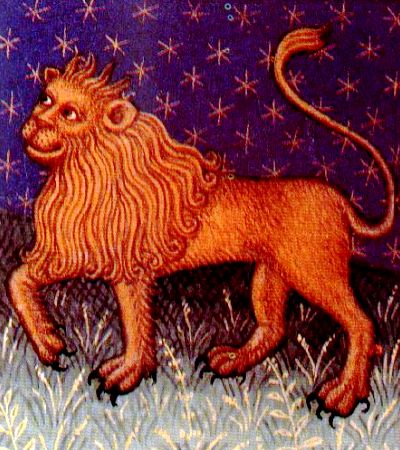
Leo is also the name of a constellation as well as the 5th sign in the zodiac.

The highest Leo ever ranked in U.S. naming history was in 1903, coming in as the 37th most popular male name. As of 2011, he was the 167th most popular male name in the United States. His rankings in other countries are as follows:

  • # 4 (Finland, 2011)
  • # 4 (Léo, France, 2010)
  • # 14 (Sweden, 2011)
  • # 36 (England/Wales, 2010)
  • # 37 (Croatia, 2009)
  • # 42 (Austria, 2010)
  • # 42 (New Zealand, 2010)
  • # 59 (Scotland, 2010)
  • # 61 (Norway, 2011)
  • # 64 (Catalonia, 2010)
  • # 65 (Australia, NSW, 2011)
  • # 79 (Slovenia, 2010)
  • # 80 (Spain, 2010)
  • # 96 (Ireland, 2010)

Leo is used in about every European country. Other forms of the name include:

  • L”v Лъв (Bulgarian)
  • Leo Лео (Catalan/Croatian/Dutch/English/Estonian/Finnish/German/Italian/Latvian/Portuguese/Romansch/Russian/Scandinavian/Slovene/Spanish)
  • Leoš (Czech)
  • Lev Лев (Czech/Russian)
  • Léo (French)
  • Leó (Hungarian)
  • Lew (Polish)

Solène

Gender: Feminine
Origin: Latin
Meaning: “solemn.”
(soh-LEHN)

The name is a French form of the Late Latin female name, Solemnia, meaning, “solemn; serious.”

The name was borne by a 3rd-century Christian martyr and saint of Aquitaine.

As of 2010, Solène was the 135th most popular female name in France.

A Breton form is Solenn. A masculine form is Solen.

Estelle

Gender: Feminine
Origin: Occitanian
Meaning: “star.”
(eh-STEL)

The name is a franconized form of the Occitanian word, estela, meaning, “star.”

The name was borne by a 3rd-century Christian saint and martyr, who sometimes appears in the records as Eustelle, little is known of her, but she was adopted by Occitanian poets as their patron and much was written of her.

Estelle and Estella seem to have appeared in the English-speaking world around the 19th-century, via the Charles Dickens’ novel, Great Expectations (1860), in which Estella is the name of a major character.

In 1911, Estelle was the 106th most popular female name in the United States. While Estella was the 106th most popular female name in 1883.

As of 2010, Estelle was the 185th most popular female name in France.

Other forms of the name include:

  • Estella (English/Hungarian)
  • Estelle (English/French/Swedish)
  • Esztella (Hungarian)
  • Estilla (Hungarian)
  • Estela (Occitanian/Portuguese/Spanish)

The name is borne by British RnB singer, Estelle (b.1980). The crown princess Victoria of Sweden recently chose this name for her daughter in February of 2012.

Flavia

Gender: Feminine
Origin: Latin
Meaning: “blonde.”
Classical Lat (FLAU-wee-ah); Late Lat/It (FLAH-vyah); Fre (flah-VEE)

The name is a feminine form of the Roman family name, Flavius, which is derived from the Latin, flavus (blonde; yellow-haired). Its Greek cognate is Xanthe.

Flavius was a family name of a few 1st-century Roman Emperors, notably Vespasian and Domitian. It was later adopted as a first name by several Late Roman emperors including Constantine.

Its feminine form was borne by two early Roman martyrs and saints, making the name remain popular after the dawn of Christianity.

Flavia appears as the name of a major female character in the Anthony Hope novel, The Prisonor of Zenda (1894).

As of 2010, its French form of Flavie was the 224th most popular female name in France.

Other forms of the feminine include:

  • Flavie (French)
  • Flávia (Hungarian)
  • Flavia (Italian/Latin/Romanian/Spanish)
  • Flavina (Italian)
  • Flawia (Polish)
  • Flávia (Portuguese)

Masculine forms include:

  • Flavi (Catalan)
  • Flávió (Hungarian)
  • Fláviusz (Hungarian)
  • Flavio (Italian/Spanish)
  • Flavius (Latin)
  • Flawiusz (Polish)
  • Flaviu (Romanian)

Gabriel, Gabriella

Origin: Hebrew גַבְרִיאֵל  Γαβριηλ
Meaning: “strong man of God.”
Eng (GABE-ree-el); (gah-bree-EL-ah); Fre (gah-bree-EL); Germ (GAHP-ree-el); Pol (GAHP-ryel)

The name is derived from the Biblical Hebrew, גַבְרִיאֵל (Gavri-el) meaning, “strong man of God.”

In Judeo-Christian religions, it is the name of a powerful archangel, who is often viewed as a messenger of God. He appears several times in the Old and New Testaments.

Among Christians, one of his most important messages was relayed to the Virgin Mary that she would be the mother of Jesus. Islamic tradition also believes the same, and in Islam, it was the angel Gabriel who revealed the Qu’ran, (through God), to Mohammed.

In Mormon theology, Gabriel is believed to be the embodiment of Noah in the afterlife.

Gabriel is a fairly common name among Christians, Jews and Muslims, making him an extremely cross-cultural portable name.

Currently, in the United States, his popularity has been rising. He is the 24th most popular male name, (2011). In other countries, his rankings in all his various forms are as follows:

  • # 2 (Gabriel(e), Liechtenstein, 2010)
  • # 3 (Brazil, 2011)
  • # 4 (Romania, 2009)
  • # 6 (Gabriele, Italy, 2009)
  • # 7 (France, 2010)
  • # 9 (Quebec, Canada, 2011)
  • # 19 (Croatia, 2009)
  • # 26 (Belgium, 2008)
  • # 28 (Canada, BC, 2010)
  • # 28 (Mexico, 2010)
  • # 29 (Austria, 2010)
  • # 35 (Spain, 2010)
  • # 40 (Poland, 2009)
  • # 47 (Sweden, 2011)
  • # 48 (Norway, 2011)
  • # 52 (Catalonia, 2010)
  • # 78 (England/Wales, 2010)
  • # 95 (Australia, NSW, 2011)
  • # 124 (Scotland, 2010)
  • # 189 (Djibril, France, 2010)
  • # 313 (Jibril, France, 2010)

Other forms of the name include:

  • Jibrail/Jibrīl جبرائيل ጂብሪል (Arabic/Ethiopian)
  • Gabriel გაბრიელი ገብርኤል
    (Armenian/Catalan/Coptic/Czech/Danish/English/Ethiopian/Finnish/French/Georgian/German/Norwegian/Polish/Portuguese/Romanian/Romansch/Spanish/Swedish)
  • Gavrik (Armenian)
  • Cəbrayıl/Cibril (Azeri)
  • Gawryil Гаўрыіл (Belarusian)
  • Džibril/Džebrail (Bosnian)
  • Gavrail Гавраил (Bulgarian)
  • Zheberejil Жәбірейіл (Central Asian)
  • Gabrijel (Croatian/Maltese/Serbian)
  • Gabriël (Dutch)
  • Gaabriel (Estonian)
  • Gabrel (Ethiopian)
  • Kaapo/Kaapro (Finnish)
  • Gabriél Γαβριήλ (Greek)
  • Gavril Γαβριηλ (Greek)
  • Gavriel גַּבְרִיאֵל (Hebrew)
  • Gábriel (Hungarian)
  • Gábor (Hungarian)
  • Gabríel (Icelandic)
  • Jibril (Indonesian)
  • Gaibriéil (Irish-Gaelic)
  • Gabo/Gabbo (Italian)
  • Gabriele (Italian: more common form)
  • Gabriellino (Italian)
  • Gabriello (Italian)
  • Gabrio (Italian)
  • Cibrayîl (Kurdish)
  • Gabrielus (Latin)
  • Gabriels (Latvian)
  • Gabrielius (Lithuanian)
  • Jibrail (Malaysian)
  • Gavriilu Гаврїилъ (Old Church Slavonic)
  • Khabbriele (Puglian)
  • Gabin (Provençal)
  • Gavril Гавриил (Romanian/Russian)
  • Crabiele/Gabilele/Gabriello (Sardinian)
  • Cabbrieli (Sicilian)
  • Gabri’el ܠܒܪܝܐܝܠ (Syrian)
  • Gebrael (Syrian)
  • Cebrâîl (Turkish)
  • Gavrel גַאבְֿרֶעל (Yiddish)

English short form is Gabe.

Its feminine form of Gabriella/Gabriela is also rising in popularity. Currently, Gabriella is the 34th most popular female name in the United States, (2011). Her rankings in other countries are as follows:

  • # 3 (Gabriela, Bulgaria, 2009)
  • # 5 (Gabrielė, Lithuania, 2011)
  • # 5 (Gabrielle, Philippines, 2011)
  • # 7 (Gabriela, Columbia, 2011)
  • # 8 (Gabriela, Romania, 2009)
  • # 9 (Gabriela, Puerto Rico, 2011)
  • # 10 (Gabriela, Brazil, 2010)
  • # 13 (Gabriela, Poland, Warsaw, 2010)
  • # 19 (Gabriela, Poland, 2009)
  • # 28 (Gabrijela, Croatia, 2009)
  • # 30 (Gabriela, Mexico, 2010)
  • # 30 (Gabrielly, Brazil, 2010)
  • # 36 (Gabriela, Croatia, 2009)
  • # 38 (Gabriela, Chile, 2010)
  • # 64 (Australia, NSW, 2011)
  • # 64 (Gabriela, Spain, 2010)
  • # 67 (Gabrielle, France, 2010)
  • # 72 (Canada, BC, 2010)
  • # 94 (Gabrielle, Canada, BC, 2010)
  • # 119 (Gabrielle, United States, 2011)
  • # 466 (France, 2010)

Other feminine forms include:

  • Gebre’elwa ገብርኤሏ (Amharic/Ethiopian)
  • Gabriela (Bulgarian/Croatian/Czech/German/Polish/Portuguese/Romanian/Scandinavian/Slovak/Spanish)
  • Brielle (Cajun: abbreviated form of Gabrielle)
  • Gabrijela (Croatian/Serbian)
  • Gabriëlle (Dutch)
  • Briella/Briela (English)
  • Gabrielle (French/English)
  • Gabria (Italian)
  • Gabrielina (Italian)
  • Gabriella (Italian/English/Hungarian/Scandinavian: more common form in Italy)
  • Gabrielė (Lithuanian)
  • Gavriila Гавриила (Russian)

Czech diminutives are: Gába, Gabika, Gábina, Gabrina and Gabby.

A Polish diminutive is Gabrysia (gah-BRIH-shah).

English short forms are: Gabby and Ella.

Designated name-days are: February 10/27 (Poland), February 19 (Sweden), March 24 (Czech/Finland/Poland/Slovakia/Sweden), September 29 (France/Germany), December 12 (Hungary)
Raphael

Gender: Masculine
Origin: Hebrew רָפָאֵל Ραφαηλ
Meaning: “God is healer.”
Fre (ra-fa-EL); Eng (RAF-ee-el; RAY-fee-əl)

The name is found in Judeo-Christian and Islamic legend as the name of a major archangel. In the Bible, he is mentioned in the Book of Tobit, which is considered canonical in the Roman Catholic, Orthodox and Anglican tradition. Due to Raphael’s deliverance of Sarah from the demon Asmodeus (who killed every husband she married before consumation), Raphael has been invoked as a matchmaker by Catholics.

Raphael also appears in the non-canonical Book of Enoch in which he is responsible for binding the fallen angel Azazel

In Islamic tradition, he is known as Israfel/Israfil and it is believed that he will blow the trumpet on Judgement Day.

It is interesting to note that the modern Hebrew word for a medical doctor is  דוֹקטוֹר (rophe), compare to the first element of Raphael.

Raphael is currently a trend across Europe, in France, Raphaël is the 11th most popular male name, (2010). His rankings in his various forms are as follows:

  • # 3 (Liechtenstein, 2010)
  • # 11 (Rafael, Brazil, 2010)
  • # 17 (Austria, 2010)
  • # 40 (Rafał, Warsaw, Poland, 2010)
  • # 48 (Rafał, Poland, 2009)
  • # 50 (German-speaking, Switzerland, 2010)
  • # 54 (Raphaël, Belgium, 2008)
  • # 55 (Rafael, Spain, 2010)
  • # 56 (Rafael, Croatia, 2009)
  • # 63 (Rafael, France, 2010)
  • # 189 (Rafaël, Netherlands, 2011)
  • # 274 (Rafael, United States, 2011)
  • # 668 (United States, 2011)

Its feminine form of Rafaela is currently the 8th most popular female name in Brazil, (2010), while the French form of Raphaëlle ranked in as the 273rd most popular female name in France, (2010).

Other forms of the masculine include:

  • Rafael (Albanian/Armenian/Catalan/Croatian/Czech/Finnish/Hungarian/Portuguese/Romanian/Romansch/Scandinavian/Slovene/Spanish)
  • Raphel ሩፋኤል (Amharic/Ethiopian)
  • Rupha(e)l ራፋኤል (Amharic/Ethiopian)
  • Israfil اسرافيل, Исрафил (Arabic/Central Asian: used among Muslims)
  • Rapael რაფაელ (Armenian/Georgian)
  • Rafail Рафаил Ραφαήλ (Bulgarian/Greek/Macedonian/RomanianRussian/Serbian)
  • Rafel (Catalan)
  • Raphael (Coptic/English/German)
  • Rafaël (Dutch)
  • Raafael (Estonian)
  • Raphaël (French)
  • Raiféal (Gaelic)
  • Raffaele (Italian)
  • Raffaello (Italian)
  • Raffaelino (Italian)
  • Îsrafîl (Kurdish)
  • Rafla (Lebanese/Syrian: used among Christians)
  • Rafaelis (Lithuanian)
  • Rapolas (Lithuanian)
  • Rafel (Maltese)
  • Rafał (Polish)
  • Arrafieli (Sardinian)
  • Rafiele (Sardinian)
  • İsrafil (Turkish)
  • Rafayil Рафаї́л (Ukrainian)
Common diminiutives are: Raf (Dutch); Rafe (English); Ralph (English); Rafinha (Brazilian-Portuguese); Rafa (Spanish).
Feminine forms include:
  • Rafaela (Croatian/Macedonian/Portuguese/Romansch/Slovene/Spanish)
  • Raphaëlle (French)
  • Raphaela (German)
  • Raphaele (German)
  • Raffaella (Italian)
  • Raffaellina (Italian)
The name was also notably borne by Raphael, or Raffaello Sanzio (1483–1520), an Italian master painter.

Timaeus

Gender: Masculine
Origin: Greek Τιμαιος
Meaning: “honour.”
Eng (tie-MEE-əs); Fre (teey-MEY-oh)

Timaeus is a latinized form of the Greek, Timaios (Τιμαιος), meaning, “honour.”

The name was very popular in ancient Greece, being the name of one of Plato’s dialogues, a Pythogorean philosopher who was the inspiration of the platonic dialogue and a Roman sophist.

The name briefly occurs in the New Testament, in Mark 10:46 as the name of the father of Bartimaeus.

As of 2010, its French form of Timéo was the 16th most popular male name in France.

Other forms of the name include:

  • Timej Тимей (Bulgarian/Russian/Ukrainian)
  • Timeu (Catalan/Portuguese/Sicilian)
  • Timaj (Croatian/Serbian)
  • Timée (French)
  • Timéo (French)
  • Timaios Τιμαιος (Greek)
  • Timaiosz (Hungarian)
  • Timeo (Italian/Spanish)
  • Timeus (Late Latin)
  • Timaeus (Latin)
  • Timajos (Polish)