Lollius, Lollia

  • Origin: Latin
  • Meaning: debated
  • Variants: Lollianus (m), Lolliana (f), Lollina (f)

Lollius (pronounced LOH-lee-us) was an old Roman nomen gentilicium — that is, a family name identifying the gens Lollia, a plebeian family attested since the late Republic.
The feminine form, Lollia (LOH-lee-ah), denoted women of that lineage.

The etymology is not entirely certain, scholars have proposed that it could derive from a Latin word, lolium, meaning (“darnel grass”), while others suggest a Sabine or Oscan origin of unknown meaning.

Notable bearers from antiquity include:

  • Marcus Lollius (M. Lollius) – Roman consul in 21 BC, a confidant of Augustus, later disgraced after a military defeat in Germany.
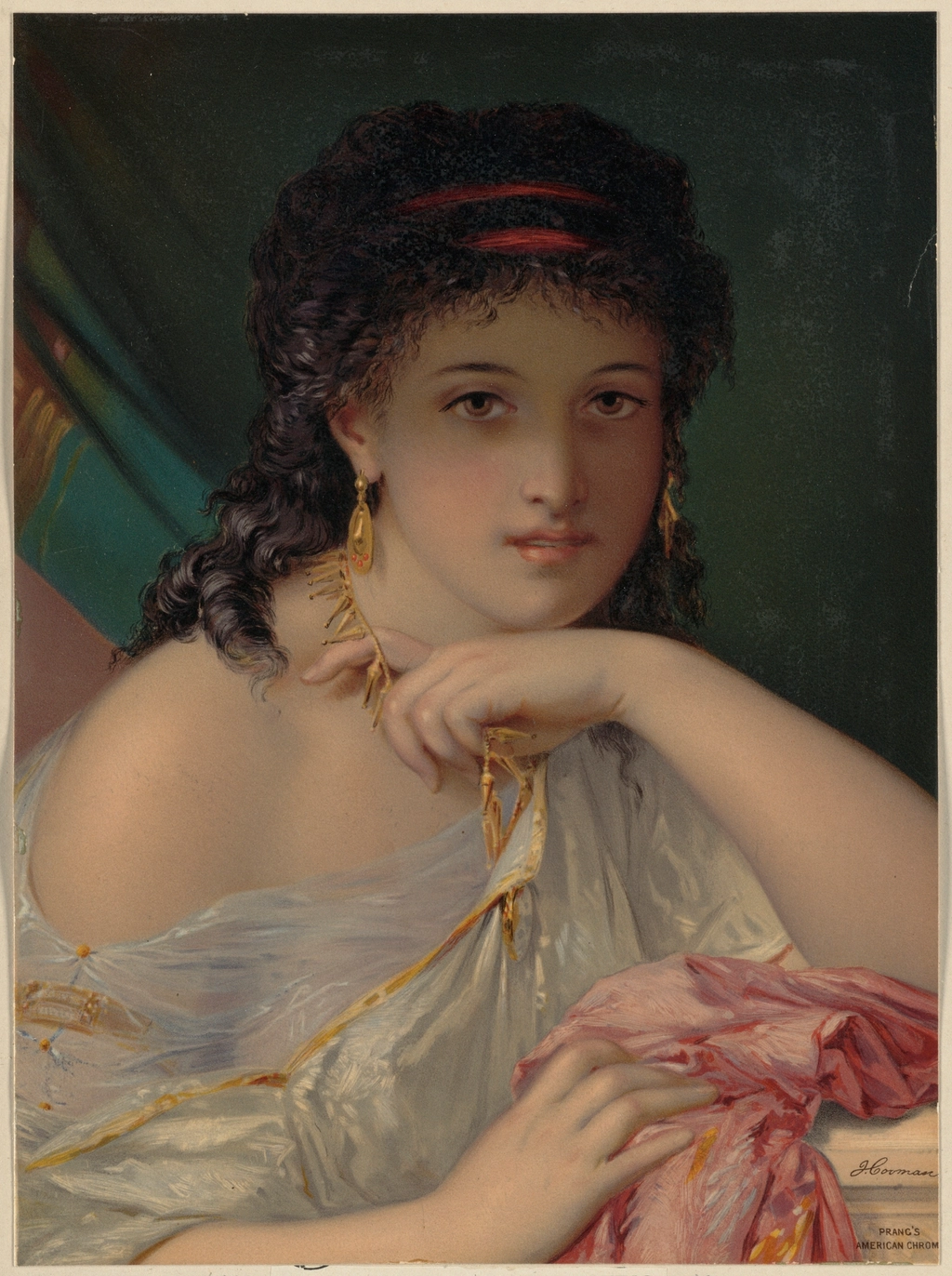
  • Lollia Paulina (15 BC – 49 AD) – renowned for her beauty and extravagance, she was briefly the wife of Emperor Caligula and later courted by Claudius before being exiled and forced to commit suicide by Agrippina the Younger for witchcraft.
  • Lollius Urbicus (2nd century AD) – a distinguished Roman governor of Britain under Antoninus Pius, remembered in inscriptions on the Antonine Wall in Scotland.

Other historical forms include:

  • Lòl·lia (Catalan)
  • Lollie (French)
  • Lolia (Portuguese, Spanish)

While Lollius remains primarily of scholarly or historical interest, Lollia has quiet potential as a revival name. It resembles fashionable names like Lola, Luna, and Lilia, yet carries an authentic Roman pedigree.

Pronounced LOH-lee-ah or LOH-lyah, it has a lilting, floral sound that feels simultaneously ancient and elegant.

Sources

Tarquin

Tarquin the Elder consulting Attus Nevius the Augur by Sebastiano Ricci
  • Origin: Etruscan
  • Meaning: Unknown
  • Gender: Male

Tarquin is the English form of Tarquinius, the Latin family name of a powerful Etruscan dynasty that ruled early Rome. The name’s exact Etruscan root is uncertain, but it may derive from the ancient city of Tarquinii (modern Tarquinia) in central Italy, itself probably from an older Etruscan personal or place name.


Two Roman kings bore this name: Lucius Tarquinius Priscus, the fifth king of Rome, and Lucius Tarquinius Superbus, the seventh and last king, whose overthrow in 509 BCE led to the founding of the Roman Republic.


While rare, Tarquin appears in English records from the Renaissance onward, often chosen for its aristocratic and classical resonance. Italian retains Tarquino as a given name. The name has also been used in literature and drama —Shakespeare famously tells the story of “The Rape of Lucrece” by Tarquin. It was recently used as the name of Tarquin Blackwood in Anne Rice’s The Vampire Chronicles.

Modern bearers include British journalist Tarquin Hall (b. 1969), the middle name of American actor, Timothy Tarquin Hutton (b. 1960).


Today Tarquin feels distinctive and slightly theatrical, blending ancient Roman history with a sleek, modern sound. If you are looking for a fuller name for Quinn, this may be the perfect choice for you.

International variations include:

  • Tarkinio (Basque)
  • Tarquini, Tarquí (Catalan)
  • Tarkvinije Тарквиније (Croatian, Serbian)
  • Tarquinius (Dutch, Latin)
  • Tarquin (English, French)
  • Tarquinio, Tarquino (Italian, Spanish)
  • Tarkvinijus (Lithuanian)
  • Tarkwiniusz (Polish)
  • Tarquínio, Tarquino, Tarquim (Portuguese)
  • Tarkvinij (Slovene)

Female Forms

Its Italian feminine form of Tarquinia was borne by Italian Renaissance singer, Tarquinia Molza (1542-1617). This would also make a fabulous fuller version for the nickname Quinn. Another Italian female form is Tarquina.

Sources

Apollinaris, Apollinaire

  • Origin: Greek Ἀπολλινάρις
  • Meaning: “of Apollo.”
  • Gender: Masculine

The name is from the classical Greek, related to Apollo. It was borne by several early Christian saints. The most notable being St. Apollinaris of Ravenna, a Syrian Christian missionary to Ravenna who was martyred there and thereafter became the city’s patron saint.

The French form Apollinaire is linked to the Franco-Polish poet, Guillaume Apollinaire. He lived from 1880 to 1918. He was born Wilhelm Albert Włodzimierz Apolinary Kostrowicki.

Apolinary was common in Poland during the late 19th-century and early 20th-centuries, it is now obsolete. Diminutives include: Apolinek, Apollinek, Apolin, Apollin, Polin, Polinary, Polinarek, Polinaruś, Poli, and Polik.

In Italy, Apollinare was mainly used in the Romagna region due to it being the name of their patrion saint, but it has since fallen out of use.

Apollinaire sporadically appeared in the French Top 1000 between 1900 and 1926 and peaked at #403 in 1923. In 2024, 5 babies were given this name.

Neither its masculine form nor its feminine form had much usage in the English-speaking world. It was mostly used in families of Greek or Eastern European background during the late 19th-century.

Designated name-days include July 20th, July 23rd, and September 12th

Other forms include

  • Abolinarius أبونيناريوس (Arab Christian)
  • Apolighnar Ապողլինար (Armenian)
  • Apolinar Ապոլինար (Armenian, Spanish)
  • Apolinaris ܐܦܘܠܝܢܪܝܣ (Assyrian)
  • Apoliñari (Basque)
  • Apalinariy Апалінарый (Belarusian)
  • Appolinariy Апполінарій (Bulgarian, Ukrainian, Rusyn, Russian)
  • Apol·linar, Apol·linari (Catalan)
  • Apollinaris Ⲁⲡⲟⲗⲗⲓⲛⲁⲣⲓⲥ (Coptic, Dutch, English, German, Greek, Scandinavian)
  • Apollinari (Corsican, Sardinian)
  • Apolinár (Czech, Slovak)
  • Apollinaire (French)
  • Apolinario (Galician, Spanish)
  • Apo’linar აპოლინარ (Georgian)
  • Apollinarios Ἀπολλινάριος (Greek)
  • Apollinár (Hungarian)
  • Apollinare (Italian)
  • Apolenaris (Late Latin)
  • Apolinārs (Latvian)
  • Apolinaras (Lithuanian)
  • Apollinarju (Maltese)
  • Apolinary (Polish)
  • Apolinário (Portuguese)
  • Apolinàri (Provençal)
  • Pulinéra (Romagnol)
  • Apollinari (Romansh)
  • Apolinariu (Romanian)
  • Apolinarije (Serbo-Croatian, Slovenian)
  • Apołinare (Venetian)

Its feminine form is Apollinaria, which is also borne by an early Christian saint.

Other feminine forms include:

  • Abolinarya أبوليناريا (Arab Christian)
  • Apoghlinaria Ապողլինարիա (Armenian)
  • Apolinaria Ապոլինարիա, აპოლინარია (Armenian, Galician, Georgian, Polish, Romanian, Spanish)
  • Apolinaryja, Apolinariya,ܐܦܘܠܝܢܪܝܐ, Аполлинария (Assyrian, Bulgarian, Russian, Rusyn, Ukrainian)
  • Apalinariya, Apalinaryja, Апалінарія (Belarusian)
  • Apollinaria Ⲁⲡⲟⲗⲗⲓⲛⲁⲣⲓⲁ, Ἀπολλιναρία (Coptic, Corsican, German, Greek, Lithuanian, Romansh, Sardinian)
  • Apolinária (Czech, Portuguese, Sardinian, Slovak)
  • Apollinarie (French)
  • Apollinária (Hungarian)
  • Apolinārija (Latvian)
  • Apollinarja (Maltese)
  • Apolinària (Provençal)
  • Apolinarija (Serbo-Croatian, Slovenian)

A traditional feminine diminutive form in Russian is Polina. Polish diminutives include: Apollinka, Apollina, Apolinka, Apolla, Apola, Pola, Polka, Polcia, Polina, and Polinka. Modern Greek diminutives include: Nαρία (Naría), Πόλλα (Pólla), or Λίνα (Lina). Potential English short forms would include: Apple, Pollie, Polly, and Narey, or Narie.

Sources

Zenobia

Zenobia is composed of the Greek elements, Zeus (Zeus) and bios (life). It was notably borne by a 1st-century Armenian queen of Georgian descent and later a 3rd-Century Queen of Palmyra who tried to expand into Roman territory but was defeated by Emperor Aurelian.

Zenobia of Palmyra’s name might have been a Hellenized form of her birth name, Bat-Zabbai, which is from the Aramaic meaning “daughter of Zabbai.” Zabbai itself is an Aramaic male name. It seems to be a theophoric name, meaning “gift of–.” The latter part refers to an unknown deity. It may have actually been an Aramaic form of the Hebrew female name, Bathsheba.

Speculation has also linked it with the Arabic female name Zaynab, which can either mean “father’s beauty” or be from the name of a type of flowering tree.

It was borne by the 3rd-century martyrs, Ss. Zenobia and Zenobius, two early Christians who were siblings and beheaded under Emperor Diocletian. Their feast and name-day is October 30.

In the English-speaking world, it is first recorded in Cornwall and Devon, England in the 16th-century. Early English forms of Synibie, Sinobie, Senobie, Cenobie, and Cenoby (Sen-e-bee; SIN-e-bee), would make interesting revivals in the spirit of Sydney and Willoughby. A common English diminutive was Nobby.

Zenobia appeared in the U.S. Top 1000 Most Popular Female names between 1881-1925, peaking at #669 in 1909.

Zenobia is no stranger to English literature, it is the name of a character in Nathaniel Hawthorn’s The Blithedale Romance (1852); Edith Wharton’s Ethan Frome (1911); and is even used by Anne Rice in her the eighth book of her vampire series, Blood and Gold (2001).

Zenobia “Nobby” Hawthorne appears as a character in the P.G. Wodehouse series, Jeeves.

Tina Fey used this as the middle name of daughter, Alice Zenobia.

Other forms include

  • Zenobia Զենոբիա ზენობია ܙܢܘܒܝܐ Armenian, Assyrian, Coptic, Czech, Danish, Galician, Georgian, German, Greek, Italian, Polish, Portuguese, Provencal, Romanian, Swedish, Spanish)
  • Zanubya ܙܢܘܒܝܐ (Assyrian)
  • Zinovia Зіновія Зиновия Ζηνοβία Зіновія (Belarusian, Modern Greek, Romanian, Russian, Ukrainian)
  • Zinovija Зиновия (Bulgarian, Serbian)
  • Cenobia (Catalan, English, Spanish, Swedish)
  • Anobia Ⲁⲛⲟⲃⲓⲁ (Coptic); Zanubiyah زنوبيا (Modern Arabic/Coptic)
  • Zenobie (English, archaic)
  • Senobia, Senobie, Sinobia (English)
  • Synibie, Sinobie, Cenobie, Cenoby (English)
  • Senopia (Finnish)
  • Zénobie, Zénobine (French)
  • Zenovia Ζηνοβία(Greek, modern, Romanian)
  • Zenóbia (Hungarian)
  • Zanobia (Italian, archaic)

Diminutives

  • Zinooba, Nubya (Assyrian)
  • Nobby, Zeena, Zina (English)
  • Pia, Piiu, Piu, Seno, Senu (Finnish)
  • Zena, Zenna (Hungarian)
  • Zenka, Zenobijka, Zenia, Zeba, Zebia, Zebka, Zeniulka, Zenusia, Zeniusia, Zeneczka (Polish)
  • Zina Зина (Russian)

Masculine forms include

  • Zenob Զենոբ (Armenian)
  • Zinovi Զինովի (Armenian)
  • Zenobio ܙܢܘܒܝܐ (Assyrian, Italian, Spanish)
  • Kenoba (Basque)
  • Zinovij Зиновий (Bulgarian, Serbian)
  • Cenobio, Zenobi (Catalan)
  • Zenóbe (French)
  • Zenobios Ζηνόβιος (Greek, classical)
  • Zinovios Ζηνόβιος (Greek, modern)
  • Zenóbiosz (Hungarian)
  • Zanobi (Italian, archaic)
  • Zenobiusz, Zenobi (Polish)
  • Zenovie (Romanian)
  • Zinoviy Зиновий Зіновій (Russian, Ukrainian)

Sources

Perpetua

  • Origin: Late Latin
  • Gender: Female
  • Meaning: “perpetual.”
  • Eng pron (per-PET-choo-ah)

The name is derived from the Latin perpetuus, meaning “continous; perpetual.” It was borne by a 3rd-century Christian matyr and saint, the companion of St. Felicity and it was also the name of the sister of St. Augustine of Hippo.

Perpetua and its various forms have been in sporadic use throughout the Catholic world. In Italy, it became synonymous with a priest’s housekeeper. This is due to the eponymous character in Alessandro Manzoni’s 19th-century novel, “The Betrothed.

It experienced sporadic use in England in the 1920s after the release of the now lost 1922 film, Perpetua also known as Love’s Boomerang.

It has recently appeared in English literature as the name of minor characters in Bridget Jones’s Diary (Helen Fielding), and in the Harry Potter series (J.K. Rowling).

It was borne by Scottish landscape painter, Perpetua Pope (1916-2013).

It is the name of Cape Perpetua Oregon which was named for St. Perpetua as well as a typeface.

It’s designated name-day is February 1, March 6th and March 7th.

Forms & Usages

  • Perpetua (Basque, Croatian, Dutch, Galician, German, Italian, Latvian, Lithuanian, Polish, Provençal, Romanian, Spanish)
  • Perpètua (Catalan)
  • Perpétue, Perpétué, Perpetue (French)
  • Perpétua (Hungarian, Portuguese)
  • Perpetuya Перпетуя (Russian)

English short forms include: Perp, Perpie, Perpy, and Petty.

Masculine forms include

  • Perpeta (Basque)
  • Perpetu (Catalan)
  • Perpet (French, Polish)
  • Perpetuo (Italian, Spanish)
  • Perpète (French)
  • Perpetuus (Late Latin)
  • Perpetuüs (German)

Sources

Tully, Tullia

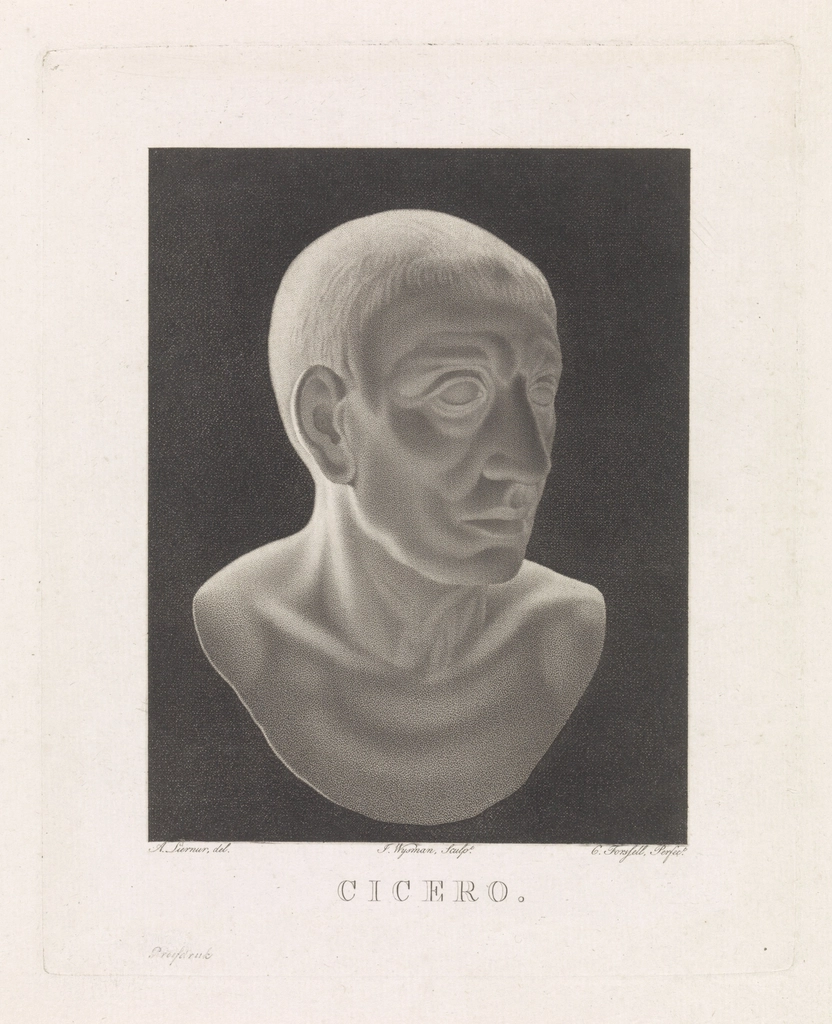
Borstbeeld van Cicero (1778 – by Rijksmuseum is licensed under CC-CC0 1.0
  • Origin: Latin
  • Meaning: unknown

Tully is the English form of the Roman family name, Tullius, which is derived from the praenomen, Tullus, of an unknown meaning. It is likely Etruscan and its meaning has been lost. Other suggestions include that it is from the Latin, tullius (spout of water; gush of blood) or the Latin term, tollere, meaning “to lift,” allegedly referring to the act of a Roman father lifting their newborn son and claiming him.

A notable bearer is Marcus Tullius Cicero.

It was also borne by several male and female saints.

Alternately, Tully has been used on females occasionally, mainly as a diminutive form of Petula.

Male forms

  • Tulli (Catalan)
  • Tullie (French, this is a unisex name in France, though it is rare)
  • Tullió (Hungarian)
  • Tullo (Italian)
  • Tulio (Italian, Spanish)
  • Tullio (Italian)
  • Tuliusz, Tulliusz (Polish)
  • Túlio (Portuguese)

Female forms

  • Túl·lia (Catalan)
  • Tullie (French)
  • Tulia (Hungarian, Italian, Polish, Spanish)
  • Tullia (Italian, Latin)
  • Tulla (Italian)
  • Túlia (Portuguese)

Sources

Velia

  • Origin: Italian
  • Meaning: unknown
  • Gender: feminine
  • It (VAY-lee-ah); Eng (VEE-lee-ah)
  • Usage: Italian, Portuguese, Spanish

The name is of uncertain origin or meaning, it has been suggested to be from an Old Roman gens name, Velius, possibly meaning “concealed.” It may have also been taken from the name of an Ancient Roman city in Salerno, which possibly has the same meaning as above, and has also been suggested to be a contracted form of Evelia or Evelina. It is mainly used in Lazio and Tuscany. It was further popularized in Italy by the 1923 novel by Bruno Cicognani, La Velia.

It is also the name of a genus of aquatic insect in the family veliidae.

It appeared in the U.S. Top 1000 Popular Female Names between 1929 and 1930, peaking at #836 in 1929.

There are also the masculine forms of Velio, Velino (Italian), Velius (Latin) and the Bulgarian, Velian Велиян.

Other forms include:

  • Vélie (French)
  • Vélia (Hungarian)
  • Veliana Велиана, Веляна (Italian, Bulgarian)
  • Velina (Italian)
  • Welia (Polish)
  • Velia (Portuguese, Spanish)

Sources

Menas, Minas, Mina

  • Arabic مينا;
  • Armenian Մինաս
  • Coptic ⲙⲏⲛⲁ
  • Ge’ez ሜናስ
  • Greek Μηνᾶς

Menas is a popular male name among Eastern Christians, it is of uncertain meaning, it may derive from the Greek μήνη (mene) meaning, “moon,” or the ancient Egyptian Menes, which is the name of a 3rd-century BCE Egyptian pharaoh, in which case, the name derives from the ancient Egyptian, mnj (he who endures). It may also be related to the ancient Egyptian divinity name, Min, which is of uncertain meaning. However, according to Coptic tradition, the name means “amen.”

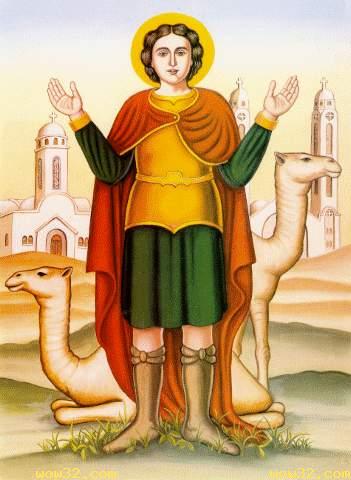
It is the name of a popular 2nd-century Coptic saint and martyr, known as Ⲁⲃⲃⲁ Ⲙⲏⲛⲁ (Abba Mina). According to legend, St. Menas’ parents were devout Christians who were having a hard time having children. His mother prayed to the Virgin Mary for a child, and she heard a response saying “amen,” this is where the name Menas supposedly derives from. It is speculated by some that the Western St. Christopher and the Eastern St. Menas are one and the same person. It is also borne by an Ethiopian saint of the 6th-century (CE) and a 16th-century CE Ethiopian emperor.

It was the name of 1st-century CE Roman admiral who features in Shakespeares, Antony & Cleopatra.

Other forms of the name include:

  • Minasə ሚናስ (Amharic)
  • Mina مينا; Мина ⲙⲏⲛⲁ Ми́на Міна (Arabic, Bulgarian, Coptic, Romanian, Russian, Ukrainian)
  • Minas Մինաս Μηνάς (Armenian, Greek)
  • Menna (Catalan)
  • Ménas (French)
  • Menas (German, Latin, Polish, Portuguese, Spanish)
  • Ménász, Mennasz, Mínász (Hungarian)
  • Mena (Italian)

Sources

Marcus, Mark

Il_Pordenone_-_San_Marco_-_Budapest


From one of the most common Roman praenomen, its origin and meaning is uncertain. A popular etymology is that it relates to Mars, others suggest it may be from the Etruscan Marce, which may come from mar (to harvest). It is said the name was originally bestowed on those who were born in March.

Marcellus and the name of the month of March likely shares the same etymological root.

It was borne by several notable Romans, including Mark Antony, Marcus Aurelius & Cicero.

It was the name of one of the Evangelists who authored the eponymous Gospel, known as St. Mark in the Christian world, he is revered as the founder of Christianity in Africa and is traditionally believed to have founded the Church in Alexandria. Coptic Christians hold him in high regard. His bones were smuggled out of Egypt in a barrel of pork fat by Venetian merchants from Alexandria when Egypt fell under Islamic rule and were transported back to Venice where they were eventually installed and dedicated in the Basilica of San Marco.

The name was borne by a 2nd-century pope as well.


Marcus, Mark and Marc have been quite popular in several countries. Marcus was in the U.S. Top 100 between 1970-2000, Sweden’s between 1998-2008, New Zealand’s between 2008-2014, England & Wales between 1996-2003, and in Denmark’s between 1994-2006. Currently, his rankings in other countries are as follows:

  • #54 (Canada, BC, 2018)
  • #87 (Australia, 2018)
  • #100 (Norway, 2018)
  • #209 (United States, 2018)
  • #213 (France, 2018)
  • #236 (England & Wales, 2018)
  • #406 (Netherlands, 2018)

Its latinate form of Marco, which started off as a mainly Italian form, became widespread across the continent. His rankings in the following countries are as follows:

  • #11 (Galicia, Spain, 2018)
  • #16 (Spain, 2018_
  • #23 (Italy, 2018)
  • #65 (Catalonia, Spain, 2018)
  • #81 (Portugal, 2018)
  • #358 (United States, 2018)
  • #436 (England & Wales, 2018)
  • #446 (France, 2018)

It’s English form of Mark appears in the legend of Tristan & Isolde as the name of the King of Cornwall, supposedly the name was not common in the English-speaking world until the 19th-century, but became a hit by the Mid-1900s. Mark appeared in the U.S. Top 100 between 1944-2002, which is quite a long stretch. Mark peaked the highest in popularity between 1955-1970, peaking at #6, six years in a row between 1959-1964.  Marks’s rankings in other countries are as follows:

  • #5 (Slovenia, 2018)
  • #6 (Moscow, Russia, 2018)
  • #21 (Hungary, 2018)
  • #83 (Ireland, 2018)
  • #210 (U.S., 2018)
  • #253 (England & Wales, 2018)
  • #298 (the Netherlands, 2018)

Marc is the French, Catalan & Welsh form and has been popularly used in the English-speaking world, it is currently the most popular male name in Catalonia, 2018 and between 1968-1976 it was in the U.S. Top 100. Marc’s rankings in the popularity charts are as follows

  • #26 (Spain, 2018)
  • #313 (France, 2018)
  • #825 (US, 2018)

Other forms of the name include:

  • Mark Марк (Albanian, Belarusian, Breton, Dutch, English, Maltese, Russian, Ukrainian)
  • Marḳos ማርቆስ (Amharic)
  • Marqus مَرْقُس‎ (Arabic, mainly used among Arab-Christians)
  • Marghos (Armenian)
  • Marko (Basque)
  • Marko Марко (Bosnian, Bulgarian, Croatian, Finnish, Macedonian, Serbian, Slovene, Ukrainian)
  • Markos Μαρκος Ⲙⲁⲣⲕⲟⲥ (Coptic, Greek)
  • Margh (Cornish)
  • Marcu (Corsican, Romanian)
  • Mokus (Croatian, Serbian)
  • Marek (Czech, Polish, Slovak)
  • Marco (Catalan, Dutch, Galician, German, Italian, Portuguese, Spanish)
  • Marc (Catalan, French, Occitanian, Welsh)
  • Marcus (Dutch, English, German, French, Scandinavian)
  • Markus (Dutch, Estonian, Faroese, Finnish, Frisian, German, Scandinavian)
  • Marghus (Estonian)
  • Markko, Markku (Finnish)
  • Marke (Finnish)
  • Marcas (Gaelic)
  • Marx (German, archaic)
  • Maleko (Hawaiian)
  • Márk (Hungarian)
  • Markús (Icelandic)
  • Marchino (Italian)
  • Marcolino (Italian)
  • Marcuccio (Italian)
  • Mareks (Latvian)
  • Marks (Latvian)
  • Markuss (Latvian)
  • Markas, Morkus (Lithuanian)
  • March (Lombard)
  • Markys (Manx)
  • Marquét (Poitvin, diminutive form)
  • Marcos (Portuguese, Spanish)
  • Kusi (Swiss-German diminutive form)
  • Marqōs ܡܪܩܘܣ‎ (Syriac)
  • Mår (Walloon)

It’s feminine forms include Marca but and sometimes Marcia was used as a feminine form, though it is more the feminine equivalent of Marcius.

Other feminine forms include:

  • Markusine (German, obscure)
  • Marchina (Italian)
  • Marcolina (Italian)
  • Marcuccia (Italian)

Sources

Evander

Evander

Origin: Greek
Meaning: “good man”
Gender: Masculine
(ee-VAN-der)

The name is composed of the Greek elements, Greek ευ (eu) meaning “good” and ανηρ (aner, genetive) “man.” It was borne in Roman Mythology by an Arcadian hero who is credited for founding the city of Pallatium and also introducing the alphabet, the Greek religion and laws to the Italian peninsula. It was also borne by a 2nd-3rd-century BCE Greek Philosopher and 1st-Century CE Greek Sculptor.

In Scotland, Evander was adopted as the anglicized form of the Gaelic male name, Iomhair (EE-vor), though an English form (Ivor) already existed and neither Evander or Ivor are really related.

A notable contemporary bearer is American boxer, Evander Holyfield (b.1962).

In the United States, the name only made an appearance in the U.S. Top 1000 one time in 1895, coming in as the 872nd most popular male name.

Short forms include: Evan, Van, and Vandy.

Other forms include:

  • Evandre (Catalan)
  • Evànder (Catalan)
  • Evander (Danish/Dutch/German/English/Hungarian/Norwegian/Portuguese/Swedish)
  • Évandre (French)
  • Euandros (Original Greek form)
  • Evandro (Italian/Portuguese/Spanish)
  • Euander (Latin)
  • Evandrus (Latin)
  • Ewander (Polish)

A feminine form is Evandra.
Sources