
I meant to publish this several weeks ago, but never got around it. Here is a list of lovely Latin names that would make awesome female names. What do you think? Would you use any of these?
- Abellana (hazelnut)
- Acerra: name of a type of small box that held incense for sacrifices
- Aerizusa: name of a kind of precious stone, speculated to pertain to “turquoise”
- Aeruca “verdigris”
- Aethra: “the upper, pure air; the bright, clear, serene sky; the air, heavens, sky”
- Alauda “lark”
- Albuelis: name of a kind of vine
- Alica: a form of wheat, grits or a type of drink produced from the aformentioned wheat.
- Alicula: a short tunic with a cape
- Alsine: “chickweed”
- Anima “soul”
- Apella “small bee”
- Aqua “water”
- Ara “altar; sanctuary”
- Aranea “spider; spider web”
- Ardissa: name of an unknown type of plant
- Arianis: name of a type of wild plant that grew in what is now Afghanistan
- Arinca: a kind of grain
- Aris: name of a plant in the arum family
- Arista “ear of grain; harvest; summer”
- Atrusca: name of a kind of grape
- Auraria “goldmine; female goldsmith”
- Aurata “golden; gilded; sea bream”
- Avena “wild oat”
- Avicella/Avicula “little bird”
- Avis “bird”
- Bacalia: name of a type of laurel with berries
- Banderia “banner; flag”
- Barneca “barnacle goose”
- Bellatrix “warrior woman”
- Bellis “daisy”
- Berula “watercress”
- Betula “birch”
- Bolis: a term for a meteor shaped like an arrow
- Boria: name of a kind of jasper
- Brassica “cabbage”
- Bria “winecup”
- Brisa “refuse of grapes after pressing”
- Brontea “thunderstone; precious stone”
- Bruma “winter solstice; winter cold”
- Bryonia “bryony”
- Bucardia: name of a type of precious stone
- Cacalia “coltsfoot plant”
- Cadmitis: name of a type of precious stone
- Caesura “a pause in a verse”
- Cala “burning log”
- Calabrix: name of a shrub speculated to be the buckthorn
- Caliditas “warmth; heat”
- Callais: name of a precious stone that was green, perhaps the turqoise
- Callis “path”
- Caltha “marigold”
- Camella “wine-goblet”
- Campana “bell”
- Canna “reed”
- Cantatio “charm; spell; music; song”
- Cantilena “old song; gossip; oft-repeated saying”
- Cantio “song”
- Cantrix “songstress”
- Cappella “cloak; chapel”
- Caprea “roe deer; wild female goat”
- Carex “reedgrass; rushes”
- Carica: name of a type of fig
- Carissa “artful woman”
- Cassia “cinnamon”
- Cassita “crested lark”
- Castanea “chestnut”
- Cathedra “ceremonial chair”
- Cedrus “cedar”
- Cembra “Swiss pine”
- Ceraunia: name of a light blue gemstone
- Cerceris: name of a type of bird, exact translation has been lost in history
- Ceresia “cherry”
- Chara: name of a type of root plant, exact translation has been lost in history
- Chelidonia “celandine swallow”
- Chelys “tortoise”
- Chilias “the number one thousand”
- Cicindela “firefly”
- Ciconia “stork”
- Cidaris “diadem; tiara”
- Cifra “zero”
- Cinis “cold ashes”
- Cinnabaris “dragon’s blood; cinnabar”
- Cynira “10-stringed lyre”
- Codia “head of the poppy”
- Coris “hypericon plant”
- Dabla “Arabian date palm”
- Damalio “calf”
- Damma “fallow deer”
- Dammula “small deer”
- Dextra “right hand”
- Docis: meteor in the form of a beam
- Dolba “caterpiller”
- Dos “gift; dowry; endowment”
- Dracaena “she-dragon”
- Dracontia: name of a precious stone allegedly found in serpent heads
- Dravoca “darnel grass”
- Eclipsis “solar eclipse”
- Emys: name of a type of tortoise
- Equa “mare”
- Erice “heath
- Fabella “story; play”
- Fera “wild animal; beast”
- Feria “festival; holiday”
- Ferula “fennel”
- Filiola “young daughter”
- Filix “fern”
- Fulica “waterfowl”
- Galbina: name of a type of small bird
- Gallina “hen”
- Gavia: name of a type of bird
- Gelela “bitter apple”
- Gemmula “small plant; small gem”
- Genista “broom plant”
- Glena “a bundle of ears of grain”
- Glis “dormouse”
- Hadra “stone”
- Harena “sand”
- Helix “ivy; willow”
- Iberis “cress”
- Ilex “holm oak”
- Irio: name of a type of plant
- Isatis “woad”
- Lada: name of a type of shrub
- Lanterna “torch; lantern”
- Lapsana: name of a type of plant similar to mustard
- Larix “larch”
- Laurea “laurel tree”
- Laus “praise; glory”
- Lautitia “elegance; splendour”
- Leaena “lioness”
- Leros: name of a kind of precious stone
- Lex “law”
- Lexis “word”
- Libellula “dragonfly”
- Libra “a pound; balance; scale”
- Loba “nightshade”
- Luella “atonement”
- Luma “thorn”
- Lunula: moon-shaped ornament
- Lutra “otter”
- Lux “light”
- Lychnis: name of a type of rose or precious stone
- Macaerinthe “rosemary”
- Maena “a small sea-fish”
- Magia “magic; sorcery”
- Martes “marten”
- Mataxa “silk”
- Meles “badger”
- Mellilla “sweetheart”
- Mellinia “sweetness”
- Melongena “aubergine”
- Merenda “taste” also a small evening meal
- Merula “blackbird”
- Musica “music”
- Nabla: name of a type of lyre
- Narita: name of a type of sea-snail
- Natula “little daughter”
- Natura “nature”
- Nebula “cloud; fog”
- Nepa “scorpion; crab”
- Nitela “brightness; splendour”
- Nix “snow”
- Noticula “moon; candle; lamp; lantern”
- Noctua “owl”
- Nodia: name of a type of plant
- Nox “night”
- Nubes “stormcloud”
- Nubicula “little cloud”
- Nux “tree-nut”
- Olea “olive”
- Olla “pot; jar”
- Olyra “spelt”
- Ombria: name of a precious stone
- Ononis “restharrow” a type of shrub”
- Palara: name of a type of bird
- Pandia: name of a precious stone
- Penna “feather”
- Persica “walnut; peach”
- Phalaena “moth”
- Pluvia “rain”
- Poetria “poem; poesy; poetess”
- Porphirio: name of a type of bird “purple swampen.”
- Principissa “princess”
- Quiescentia “quiet; rest”
- Rana “frog”
- Rhodora: name of a type of plant
- Rica “veil”
- Rubecula “robin”
- Rubia “red dye; madder”
- Rubrica “red ochre; rubric”
- Runa “dart; javelin”
- Sacristia “vestry”
- Saeta “silk; bristle”
- Saga “sage; fortune-teller”
- Sagitta “arrow”
- Salina “salt”
- Saliunca “nard-tree”
- Salix “willow”
- Salvia “sage-plant”
- Samara: name of a plant
- Sambuca: name of a type of harp
- Sampsa: “olive pomace”
- Sapphirus “sapphire”
- Sarissa: name of a type of pike or weapon
- Satureia “savory herb”
- Seris: name of a type of Chicory
- Seselis “saxifrage”
- Sitella “voting urn”
- Sozusa “artemisia plant”
- Sphaera “globe; sphere”
- Spica “ear of grain”
- Spuma “foam”
- Stiria “icicle”
- Taeda “pinewood; torch”
- Taleola “small shoot”
- Talpa “mole (animal)”
- Talpona: name of a type of vine
- Tamarix “tamarisk”
- Tarrupia: name of a type of grape
- Tela “web; loom”
- Telis “fenugreek”
- Terra “earth; soil; world”
- Thymbra “savory”
- Tiara “turban; ornamental headdress”
- Tilia “linden tree”
- Tisana “pearl barley”
- Umbra “shadow; ghost”
- Unda “wave”
- Uria: name of a type of seabird
- Ursa “female bear”
- Urtica “stinging nettle”
- Vallis “valley”
- Venia “indulgence; kindness; grace; mercy”
- Verbena “herb”
- Virga “twig; magical wand”
- Vox “voice; accent”
- Zea “emmer wheat; rosemary”
- Zeta: the Letter Z
- Zmintha: name of a type of mint
- Zona “belt; girdle”
- Zura “seed; Christ’s Thorn (type of plant)”
Ancient Roman Place Names
- Adrana: from the Latin name for the Eder River in Germany
- Aleria: name of a city in Corsica
- Allia: name of a river in Latium
- Alsa: Latin name for the Ausa River in Venetia
- Alyzia: name of a town in Ancient Greece
- Ameria: name of an ancient city in Umbria
- Ancyra: Latin name for Ankara, Turkey
- Aprusia: name of a small river in Umbria
- Avara: Latin name for the Yèvre river in France
- Aveia: name of a city near L’Aquila, Italy
- Brixia: Latin name for Brescia
- Caralis: Latin name for Cagliari
- Calauria: name of an island of the Saronic golf
- Caledonia: Latin name for Scotland
- Calela: name of a town in Apulia
- Caletra: name of an Etruscan city
- Edeta: name of a city in what is now Spain
- Hibernia “Ireland”
- Letoia: name of an island in the Ionian sea mentioned by Pliny
- Lutetia: ancient name for Paris
- Narnia: Latin name for Narni, Italy
- Nebrissa: name of a town in what is now Spain
- Noeta: name of a town in what is now Spain
- Priene: name of a town in Greece
- Prinoessa: name of an island on the Ionian sea
- Robrica: name of a town in what is now Belgium
- Rura: Latin name for the River Ruhr in Germany
- Saba: Latin name for Sheba
- Sabaria: name of a town in Pannonia
- Sabora: name of a town in what is now Andalusia
- Sabrata: name of a town in North Africa
- Sabrina: Latin name for the Severn river
- Samara: Latin name for the river Somme
- Samaria: Ancient city in the West Bank
- Samarobriva: Latin name for Amiens
- Sicoris: Latin name for the Segre river in Spain
- Silana: name of a town in Greece
- Silpia: name of a town in Spain
- Sina: Latin name for China
- Sinuessa: name of a town in Lazio
- Snelandia: Latin name for Iceland
- Talamina: name of a town in Spain
- Tamaris: name of the Tambre river in Spain
- Taruenna: Latin name for Thérouanne, a town in Belgium
Boys names to come soon…
Sources
 Gender: Masculine
 Gender: Feminine
 The name was also borne by a legendary Egyptian Christian saint who was believed to have originally been a prostitute. She was converted by St. Paphnutius who had disguised himself as a “customer.” Thaïs became a fervent Christian, abandoning her comfortable life as a high-end prostitute and spending three years in repentance eventually dying in peace as a hermit in the Egyptian desert. Her story is the inspiration behind the Anatole France novel Thaïs (1890) which was later adapted into an opera of the same name. Demetre Chiparus famous sculpture, Thaïs, was in turn inspired by the Opera.
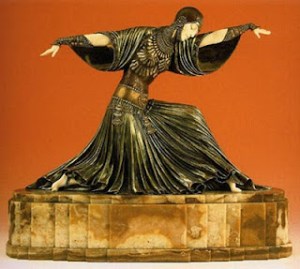 Due to the cult of St. Thaïs of Egypt, the name remained in use throughout the former Byzantine Empire. She was used to a certain extent on the continent and in 18th-century England during the Romantic Period.
 Gender: Feminine
 Gender: Feminine
 Gender: Masculine
 Gender: Masculine
 Gender: Feminine
 Gender: Masculine
 Gender: Feminine
 Other forms of the name include: