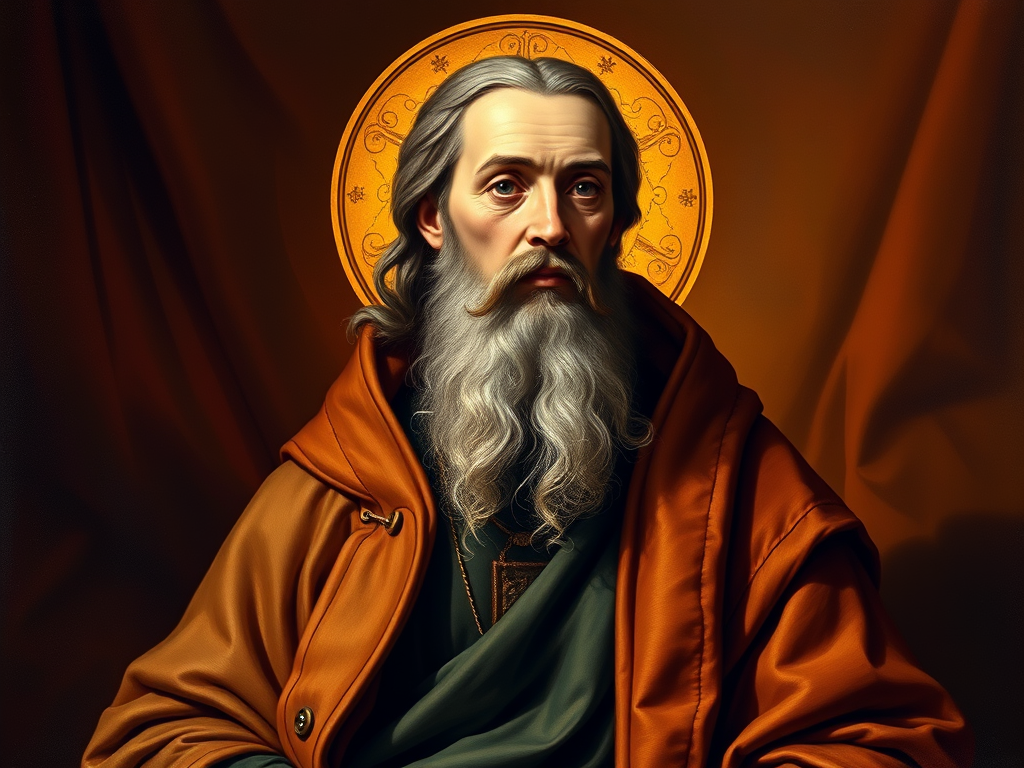
Bonaventure

  • Origin: Italian
  • Meaning: “good luck.”
  • Gender: Male

Bonaventure is the French and English form of the Medieval Italian male name, Bonaventura. It is ultimately made up of the Latin words, bonus “good” and venturas “the things that will come, the future.” A 13th-century Catholic Saint bore this name. He is considered a Doctor of the Church and known for authoring the biography of St. Francis of Assisi.

The name experienced widespread use throughout Catholic Europe until it fell out of use by the early 20th-century. It was the middle name of actor, Spencer Tracy (1900-1967).

The designated name-day is July 15th and September 11 in Croatia.

In recent years, it was the name of one of the ill-fated Lisbon sisters. This character appeared in Jeffrey Eugenides’ novel, The Virgin Suicides (1993). She is referred to as “Bonnie,” for short.

Other forms include

  • Bonabendur (Basque)
  • Bonaventura (Catalan, Croatian, Czech, Dutch, German, Hungarian, Italian, Scandinavian, Slovene)
  • Boaventura (Galician, Portuguese)
  • Buonaventura (Italian)
    • Bonaventūra, Bonaventūras (Lithuanian)
  • Bonawentura (Polish)
  • Buenaventura (Spanish)

Italian short forms are Ventura, Venturo, and Venturino, also used as independent names.

Sources

Laima

Gender: Feminine
Origin: Lithuanian/Latvian
Meaning: “luck”
(LYE-mah)

Limey Laima! The name has a rather acidic sound, but its associations and meaning in Baltic culture is rather interesting. The name is associated with the Latvian and Lithuanian words for luck or fate, in Baltic mythology, it was borne by the goddess of childbirth and midwifery. Known as one of the three fates, her sisters were Dekla and Karta and it is often believed by scholars that Laima is related to the Hindu goddess, Lakshmi Mata, the goddess of luck and wealth. Since the Baltic languages are some of the very few European tongues that still retain a lot of ancient Indo-European roots, both linguistically and culturally, Baltic mythology had very strong similarities to modern Hindu religions. The three sisters, known as the Laimas, or the fates so to speak, were a sort of trinity that was in charge of the future and destiny of each and every individual. It is believed that they were actually one in the same being, Laima being the most powerful personification. Laima was also associated with two other goddesses, Laimė and Dalia, both of whom were considered consorts to the more powerful Laima. Laima was often associated with the cuckoo and it was believed that she was the one in charge of deciding who young maids would marry. She was also in charge of dispensing destiny to newborns. Even after the advent of Christianity, Laima still plays a significant role in Latvian and Lithuanian folklore. She is often the subject of folksongs, any song to do with a cuckoo and a lime tree are usually in reference to her (the lime tree was sacred to her). She even inspired a Latvian chocolate company to take her name. The company is such a big household name throughout the Baltic States that in Riga there is a clock commissioned by the company entitled the Laima Clock. It is one of Riga’s prized centre pieces and it is a popular meeting spot for friends, lovers and tourists. Despite its chocolatey associations, the name is still considered a rather ordinary female name in both Latvia and Lithuania. Its designated name day is August 12. Other forms include the Lithuanian forms of Laimona (lye-MOH-nah) and the male version of Laimonas.