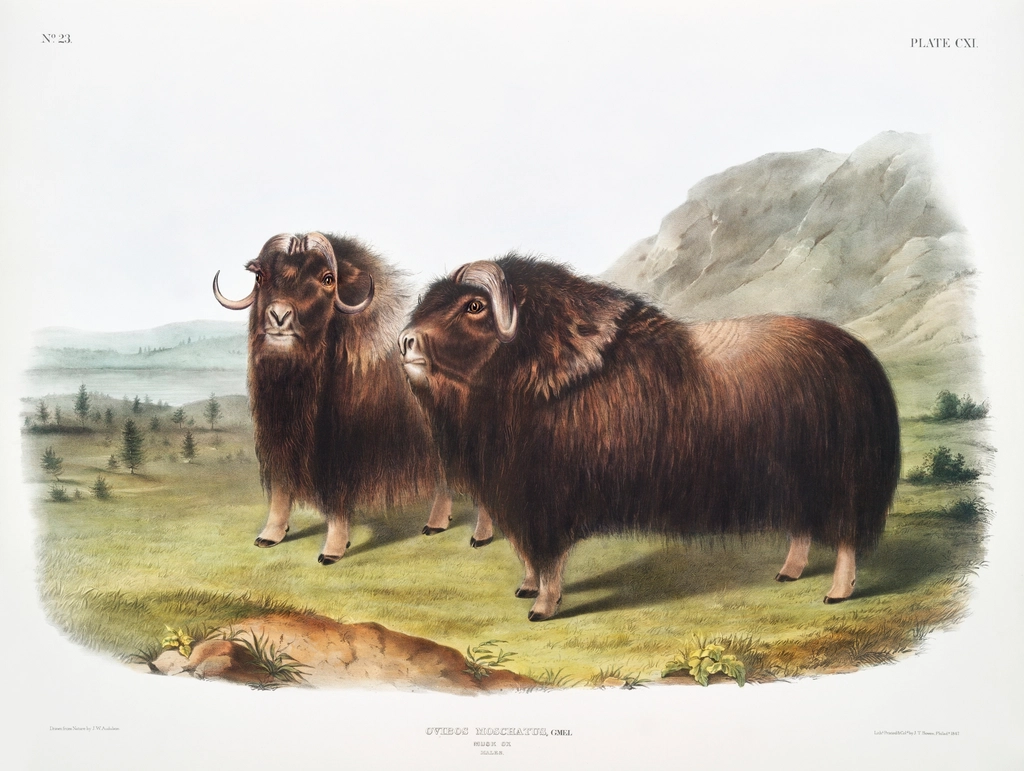
Luay, Luai

  • Origin: Arabic لؤيّ
  • Meaning: “wild ox; protector.”
  • Gender: Male
  • (LOO-iey)

The name is derived from the Arabic لأًى (laʾan) “wild ox,” which can also have the euphemism of a shield or protector. Interestingly enough, it may share the same etymological root as the Hebrew female name, Leah.

The name is borne by Lu’ayy ibn Ghalib (3rd-century C.E.) who was the ancestor of the Islamic prophet Muhammed.

Other forms of the name include:

  • Luaj (Albanian/Bosnian)
  • Lüey (Azeri/Turkish)
  • Louay (Maghrebi Arabic)
  • Louie (Maghrebi Arabic)
  • Loay لؤی (Urdu)

Sources

Mizan

  • Origin: Arabic موازين‎; Ethiopic ሚዛን
  • Meaning: “balance; scales.”
  • Gender: Male

The name comes from the ancient Semitic root √W-Z-N / √ʾ-Z-N, meaning “to weigh, measure, or balance.”

Its Arabic use is from mīzān (ميزان) → “balance, scales,” appearing throughout the Qur’an as the mīzān al-ʿadl — the scales of divine justice and its Geʽez / Amharic use comes from mäzan / mizan (መዛን), meaning “measure, equilibrium, fairness.”

Compare to Hebrew moznaim (מאזניים) “the balances,” also symbolizing moral and cosmic fairness and the name of the astrological sign of Libra, though it is not used as a given-name.

In the Islamic world, Mizan represents the moral equilibrium of the universe — the balance by which every soul’s deeds are weighed.

In Ethiopian usage, Mizan retains the literal sense of “measure” but has become a spiritual and philosophical name, expressing inner balance and moral clarity. It’s also a familiar place name — as in Mizan Teferi, “Prince of Balance,” a town in southwest Ethiopia.

A Kurdish form is Mîzan.

Mizani is the Swahili form and is a unisex name.

Sources

Rubab

  • Origin: Arabic رباب
  • Gender: Female

The name comes directly from the Arabic word رباب for a type of stringed instrument.

It was also the name of Rubāb bint Imraʾ al-Qays (b. 7th-century C.E). The wife of Husayn ibn Ali.

It is borne by Pakistani Olympic Swimmer, Rubab Raza (b. 1991).

Another transciption is Rabab.

Other forms include:

  • Rübabə (Azeri)
  • Robabeh ربابه (Persian)
  • Robab رباب (Persian)
  • Rübab (Turkish)

The name is used throughout the Islamic World.

Sources

Zubaidah, Zubayda

Photo by Sena on Pexels.com
  • Origin: Arabic زُبَيْدَة (Arabic)
  • Usage: Arabic-speaking world, most of the Islamic world
  • Gender: Female
  • Meaning: “little butterball.”

The name is derived from the Arabic rootز-ب- د (z-b-d), which pertains to “cream, foam, butter,” along with the Arabic feminine diminutive suffix, roughly translating to “little cream” or “little butter,” having the same sense as “cream of the crop.”

This was the sobriquet of Zubaidah bint Ja’far (766–831), the wife of Harun al-Rashid. Borne as Sukhainah or Amat al-‘Aziz, she was known for her construction of wells and reservoirs along the pilgramage routes to Mecca and is featured in The Thousand and One Nights. Her life was later the inspiration behind the character of Zobeide in the German opera Abu Hassan by Carl Maria von Weber.

The Turkish form of the name, Zübeyde, was borne by an Ottoman princess, the daughter of Sultan Ahmed II, who lived from 1728 to 1756. It was also carried by Zübeyde Hanım (1856–1923), the mother of Mustafa Kemal Atatürk. The name appeared in the Top 100 most popular female names in Turkey between 1980 and 1986, peaking at #70 in 1981

It is also the name of an asteroid.

Other forms include

  • Zübeydə (Azeri)
  • Zubejda (Bosnian)
  • Zobeide (German, literary)
  • Zoubida (Maghrebi Arabic)
  • Zubaida Зөбаида (Tatar)
  • Zübeyde (Turkish)
  • Zubayda (Uzbek)

Sources

Jabbar

Photo by Ahmet Polat on Pexels.com
  • Origin: Arabic جبّار
  • Meaning: “mighty; powerful.”
  • Gender: masculine

The name comes directly from the Arabic جبّار (jabbar), meaning “mighty; powerful.” In Islam, the term الجبّار (al-jabbar) is one of the 99 names of Allah.

Another variation is Abd-al-Jabbar (عبد الجبار), meaning “servant of the Almighty.”

Jabbar has appeared in the U.S. Top 1000 Most Popular Male Names in 1972, coming in as the 910th most popular male name. Its Swahili form of Jabari became common in the African-American community in the 1970s. It is currently the 920th most popular male name in the United States.

Sources

Awwal, Oula

Photo by Pixabay on Pexels.com
  • Origin: Arabic
  • Meaning: “first; foremost.”
  • masc (AHW-wahl); fem (OO-lah)

Awwal أوّل is an Arabic male name which comes directly from the Arabic word القائمة (first, foremost). It’s feminine form is Oula أولى. A unisex form is Awwalan أَوَّلاَن which is derived from the plural form of awwal.

In Islam, al-Awwal is one of the many names of God.

Sources

Ayman, Yamina, Yumna

Photo by Skylar Kang on Pexels.com
  • Origin: Arabic
  • Meaning: “right.”
  • masc. (I-mun); fem (yah-MEE-nah); YOOM-na

Ayman is derived from the Arabic word يمين (yamin) meaning “right,” referring to the right hand. The word is ultimately derived from a Semitic root ي م ن (right). The Arabic root word is y-m-n (ي-م-ن), which can mean “right hand,” “right side,” “favor,” “blessing,” “prosperity,” “ease,” or “success.” It shares the same root as the Hebrew מִין (yamin) meaning, “right hand; south,” which forms a basis of the name Benjamin. The country of Yemen also gets its name from the same root word.

The name was borne by a companion of the Prophet Mohammed, known as Ayman Ibn Abayd.

Ayman is a traditional male name in the Arabic-speaking world, but has been commonly used on females in Pakistan, possibly in reference to the kunya of Umm Ayman (meaning “mother of Ayman”, the mother of Ayman Ibn Abayd, or perhaps due to it sounding more feminine in the Urdu language.

Its traditional Arabic feminine form is Yamina يمينة which is a popular female name in Maghrebi countries but is used in other predominate Islamic countries. Another feminine form is Yumna يُمْنَى, which is currently the 983rd most popular female name in the United States (2021).

A more unusual feminine form is Yumnaat يُمْنَات.

Ayamin أَيامِن which is a plural form يمين (yamin) is occasionally used as a unisex name.

Ayman currently ranks as the 96th most popular male name in Catalonia, Spain (2021).

Its current rankings in other countries are as follows:

  • #407 (England & Wales, 2021).
  • #477 (France)

Its Turkish form of Eymen is the 5th most popular male name in Turkey (2021). In the Netherlands it ranks in at #344 (2022) and in France at #440 (2021).

Another transliteration of Ayman is Aiman.

Other forms include:

  • Ejmen (Albanian)
  • Yaman, Yamin يمين (Arabic)
  • Yumn يُمْن (Arabic)
  • Ayman (Arabic, Azeri, Urdu)
  • Aiman আইমান Әймән (Bengali, Kazakh, Tatar)
  • Ajman (Bosnian)
  • Aymon Аймон (Tajik)
  • Eymen (Turkish)

Feminine forms include:

  • Jamina (Albanian, Bosnian)

Sources