Anil, Anila

Anila is from the Sanskrit आनिल (wind), in Hinduism it is an epithet for the wind God, Vayu. In contemporary India, both names are unisex.

Anıl is a Turkish unisex name meaning “the memory; to be remembered,” in Turkish. Anil is also a popular Albanian & Bosnian male name, while Anila is the feminine form that is exclusively used in Albania & Bosnia.

Anıl appeared in the Top 100 Most Popular Male Names in Turkey between 1990 and 2012, peaking at #51 in 1991.

Sources
Siddhi

  • Origin: Sanskrit सिद्धि
  • Marathi: सिद्धि
  • Meaning: “perfection, attainment, completion; accomplishment; success.”
  • Gender: feminine
  • Pronunciation: SID-dee; SIT-tee (depending on language & dialect)

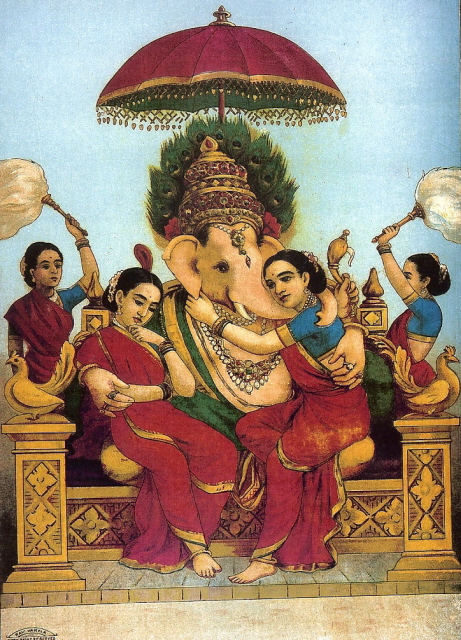
The name comes from the Sanskrit noun सिद्धि (siddhi), meaning “perfection, attainment, accomplishment,” which is a concept that refers to the attainment of magical, paranormal or psychic abilities through meditation and yoga. It is a concept found in Yoga, Buddhism and Hinduism.

In Hinduism, it is the name of one of Lord Ganesha’s wives, the other being named Riddhi.

Sources

Tulsi

  • Origin: Sanskrit तुलसी
  • Hindi/Nepali: तुलसी; Bengali টালসি
  • Meaning: “holy basil.”
  • Gender: unisex
  • Pronunciation: TULL-see

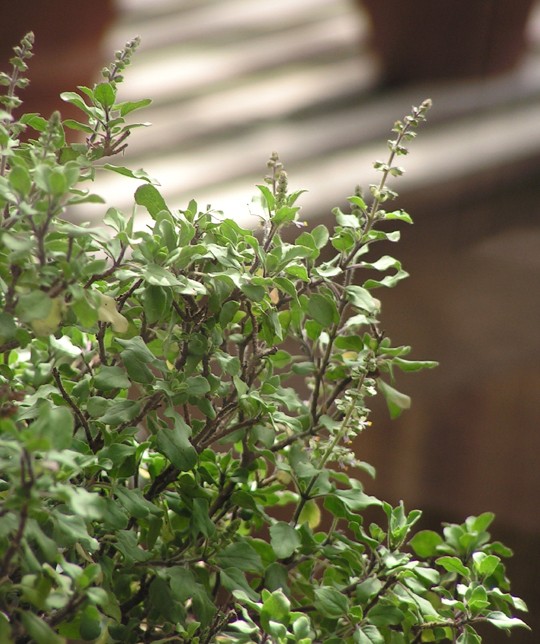
The name is derived from the Sanskrit तुलसी (holy basil). It is the name of a type of perennial plant in the family Lamicae and is endemic to the Indian subcontinent.

Tulsi is considered sacred plant in Hinduism, it is worshipped as an avatar for the goddess Lakshmi and the plant is traditionally planted in the center of courtyards to Hindu houses or next to Hanuman temples.

It is worshipped in Vaishnavism and holds an importance in Ayuverda traditions.

A notable bearer is American politician Tulsi Gabbard (b. 1981).

Sources

Megha

  • Origin: Sanskrit मेघ, Hindi मेघपुंज
  • Meaning: “cloud.”
  • Gender: feminine
  • MAY-gah

The name comes directly from the Sanskrit word for “cloud.”

It is also the name of a raga in the Hindustani classical music tradition.

Sources

Dhruv, Dhruva

Vishnu appears before Dhruva – A painting by Raja Ravi Varma.
  • Origin: Sanskrit
  • Meaning: “constant, immovable, fixed; polar star.”
  • Gender: masculine
  • Pronunciation: DROOV; DROO-vah

The name is derived from the Sanskrit word dhruva, meaning, “constant; immovable, fixed” and is also synonymous with the polar star.

Dhruva appears in the Hindu text, Vishnu Parana as the name of the son of Uttānapāda’s second and less favored wife. Dhruva wants to sit on his father’s lap like his older brother, but is thrown off as he is the son of a second wife. Dhruva is heartbroken and is consoled by his mother to contemplate his fate in life and advises him to work hard for what he wants. Dhruva goes into the woods and prays to Vishnu, who eventually transform him into the polar star.

Other forms include:

  • Druwa (Indonesian/Javanese)

Dhruv entered the U.S. Top 1000 Male Names in 2019 and ranks in at #997

Sources

Indra

Gender: Masculine
Origin: Sanskrit
Meaning: “possessing drops of rain.”
(IN-druh).

Coincidentally the name is also an Indian male name, though of a completely different meaning, origin and pronunciation. Pronounced (IN-druh) it is from a Sanskrit source, composed of the elements indu इन्दु meaning ” a drop,” and ra meaning “possession.” The meaning is in reference to having ownership over raindrops and it is the name of the Hindu warrior god of the sky and rain. He is the Chief god of the Hindu text the Rig Veda.