Giancarlo, Juan Carlos, Jean-Charles

220px-Juan_Carlos_de_Borbón,_Prince_of_SpainThe above names are composed of the English equivalents of John and Charles.

Its Italian form of Giancarlo is claimed to be one of the most common male names in Italy.

Giancarlo has been in the U.S. Top 1000 since 1986. It peaked at #641 in 2008. As of 2016, it was the 986th most popular male name. In Italy, the name fell out of the Top 200 in 2008.

A feminine form is Giancarla.

Its Spanish form of Juan Carlos is borne by the former King of Spain, Juan Carlos I (b. 1938).

The Gaullic form of Jean-Charles appeared in the French Top 1000 between 1901 and 1998 and peaked at #96 in 1958.

Its German equivalent is

  • Hans-Karl (German)

Sources


Tegan

TTegan_and_Sara_@_NIB_Stadium_(4_12_2010)_(5252473341)he name most likely comes directly from the Welsh word for a “toy; trinket.” Its Welsh pronunciation should be (TEG-en), which rhymes with Megan, but it has been popularly pronounced and known as (TEE-gen) in most of the Anglophone world.

The name has also been linked with the Cornish word teg (beautiful).

Its use as a male name is due to its confusion with the Irish surname Teagan (son of Tadhg), but Tegan has always traditionally been a feminine name.

The name first came into use in the 19th-century.

The name is most popularly associated with the Canadian folk duo, Tegan & Sara.

Tegan has been in the U.S. Top 1000 since 2010. It is currently the 906th most popular female name in the United States.

In England/Wales, it was in the top 500 between 2002 and 2012 and peaked at #259 in 2006.

Sources

New Year, New Names

new-year-2018-eve-greetingTo help usher in the New Year, here are some baby names that mean “new” or have some sort of association with the New Year.

Male

  • Arata “new; fresh” (Japanese)
  • Athanaric “year of power” (Old German)
  • Gēar “year” (Anglo-Saxon)
  • Navin “new” (Sanskrit)
  • Neo “new” (Greek)
  • Primo “first” (Italian)
  • Ro’y “year” (Guarani)
  • Silvester/Sylvester, used as the term for New Year’s Day in many European countries as this was the feast of St. Sylvester

Female

  • Dagny “new day” (Old Norse)
  • Estraine “new year” (Anglo-Norman)
  • Gabonzahar “New Year’s Eve (Basque)
  • Mara “year” (Aymara)
  • Nova “new” (Latin)
  • Novella “little new one” (Latin)
  • Oighrigh “new speckled one” (Gaelic) pronounced OY-rik
  • Prima “first” (Italian)
  • Nochevieja “New Year’s Eve” (Spanish)
  • Noitevella “New Year’s Eve” (Galician)
  • Renef “New year” (Anglo-Norman)
  • Réveillon “New Year’s Eve” (French)
  • Silvestra/Sylvestra, used as the term for New Year’s Day in many European countries as this was the feast of St. Sylvester

Asturian Word Names

I thought I would do a list each week of names inspired by words from endangered or extinct languages. Here is a list of Asturian words that would make great names. These are hypothetical, not necessarily legitimate, but what a great way to keep a minority language alive by using one of its words as a name, especially if you have heritage from that culture.

If you are unfamiliar as to what Asturian is, here is a brief explanation: https://en.wikipedia.org/wiki/Asturian_language

Male

  • Abetu “fir”
  • Acebu “holly”
  • Alendar “to breath”
  • Algodón “cotton”
  • Andrín “bilberries”
  • Arder “to be consumed by fire”
  • Babarón “bumble bee”
  • Bacaláu “cod”
  • Bauríu “echo”
  • Bendicir “to bless”
  • Bidul “birch”
  • Bonu “good”
  • Branu “summer”
  • Buxu “grey”
  • Cadmiu “cadmium”
  • Caliar “limestone”
  • Cazador “hunter”
  • Cerru “hill”
  • Chubascu “cloudburst”
  • Cuervu “crow”
  • Deséu “desire”
  • Evanxeliu “gospel”
  • Faisán “pheasant”
  • Fueu “fire”
  • Freisnu “ash tree”
  • Gaiteru “bagpiper”
  • Gamu “fallow deer”
  • Glayu “jay”
  • Grifu “griffin”
  • Gurrión “sparrow”
  • Iceber “iceberg”
  • Iviernu “winter”
  • Lladríu “to shout”
  • Lladriyu “brick”
  • Llagu “lake”
  • Llobu “wolf”
  • Lloréu “laurel”
  • Mariello “yellow”
  • Marrón “brown”
  • Marte “planet Mars”
  • Melandru “badger”
  • Mercáu “fair; handsome”
  • Meyor “best”
  • Ñerbatu “blackbird”
  • Nisu “plum”
  • Ochobre “October”
  • Orbayu “dew”
  • Oriciu “hedgehog”
  • Oru “gold”
  • Orsu “bear”
  • Pantanu “marsh”
  • Pardal “house sparrow”
  • Pardu “brown”
  • Páxaru “bird”
  • Prietu “black”
  • Raitán “robin”
  • Raposu “fox”
  • Rayu “lightning”
  • Remu “oar”
  • Ríu “river”
  • Roble “oak”
  • Ruiseñor “nightingale”
  • Sábadu “Saturday”
  • Salgueru “willow”
  • Salú “health”
  • Sufreiru “cork tree”
  • Temprano “early”
  • Terremotu “earthquake”
  • Tiburón “shark”
  • Toxu “gorse”
  • Uvar “grapevine; rumour”
  • Vaderríos “halcyon”
  • Veleru “jellyfish”
  • Verderón “male greenfinch”
  • Verdosu “greenish”
  • Xacintu “hyacinth”
  • Xelu “frost”
  • Xil “flint”
  • Xuramentu “oath”

Female

  • Abeya “bee”
  • Ablana “hazelnut”
  • Aceitera “dragonfly”
  • Aceituna “olive”
  • Ádiga “avalanche”
  • Ágila “eagle”
  • Aire “air”
  • Albaricoca “apricot”
  • Aleta “fin”
  • Amatista “amethyst”
  • Amistá “friendship”
  • Ámbare “amber”
  • Andarina “swallow”
  • Arciella “clay”
  • Arpa “harp”
  • Azafrán “saffron”
  • Berenxena “eggplant”
  • Borrina “fog”
  • Brillante “bright”
  • Bronce “bronze”
  • Cadena “chain”
  • Caléndula “calendula”
  • Campana “bell”
  • Caparina “butterfly”
  • Capiella “chapel”
  • Carmín “crimson”
  • Castañuela “castanet”
  • Castiella “Castile”
  • Castidá “chastity”
  • Catasol “daisy”
  • Caye “lane”
  • Cebada “barley”
  • Ceniza “ashes”
  • Chiribita “daisy”
  • Ciruela “plum”
  • Clavel “carnation; pink”
  • Collecha “harvest”
  • Coral “heart”
  • Coría “female duck”
  • Corteza/Corteya: “tree bark”
  • Creencia “belief”
  • Crisálida “chrysalis”
  • Cuaresma “Lent”
  • Curuxa “owl”
  • Dátil “date palm”
  • Diamante “diamond”
  • Dulzura “sweetness”
  • Edá “age; time”
  • Espinera “hawthorn”
  • Faba “bean”
  • Fada “fairy”
  • Falsiacacia “acacia”
  • Faya “beech tree”
  • Felicidá “felicity; happiness”
  • Folixa “holiday”
  • Fresa “strawberry”
  • Fueya “leaf”
  • Gaita “bagpipe”
  • Galaxa “galaxy”
  • Ganancia “benefit”
  • Garza “heron”
  • Gaviota “seagull”
  • Golondra “swallow”
  • Granate “garnet”
  • Guapura “beauty”
  • Hiedra “ivy”
  • Ilesia “church”
  • Islla “island”
  • Lince “lynx”
  • Llágrima “teardrop”
  • Llamera “elm tree”
  • Llanza “lance”
  • Lleenda “legend”
  • Llibertá “liberty”
  • Llovia “rain”
  • Lluna “moon”
  • Llundria “otter”
  • Lluz “light”
  • Malvís “songthrush”
  • Marfil “ivory”
  • Martinete “halcyon”
  • Maruxu “ladybug; ladybird”
  • Maxarina “butterfly”
  • Mazana “apple”
  • Mediudía “noon”
  • Melecina “cure”
  • Mirasol “sunflower”
  • Naranxa “orange”
  • Navidá “Christmas”
  • Ñeve “snow”
  • Nube “cloud”
  • Nubláu “cloudy”
  • Ñublina “mist”
  • Ocla “seaweed”
  • Ortiga “nettle”
  • Papuela “corn poppy; red weed”
  • Palomba “dove”
  • Pascueta “daisy”
  • Pega “magpie”
  • Pegueta “green plover”
  • Perdiz/Pampana “partrige”
  • Perlla “pearl”
  • Poma “apple”
  • Povisa “dust”
  • Prieta “black”
  • Prúa “light rain”
  • Púrpura “purple”
  • Ralla/Rolla/Ronciella “nightjar”
  • Roca “rock”
  • Rosada “dew”
  • Sablera “sandy shore”
  • Salmoria “brine”
  • Seronda “autumn”
  • Solombra “shadow”
  • Sufresna “evergreen oak”
  • Tecla “piano key”
  • Tierra “earth”
  • Toliña/Tolina “dolfin”
  • Vellorita “daisy”
  • Verdá “truth”
  • Verderina “greenfinch”
  • Viesca “forest”
  • Vulpeya “female fox”
  • Xarazu “hail”
  • Xarda “mackerel”
  • Xazmín “jasmine”
  • Xema “gemstone; jewel”
  • Xibia “cuttlefish”
  • Xornada “day”
  • Yerba “grass”
  • Xusteza “justice”
  • Zafil “sapphire”
  • Zarza “fog”
  • Zenxibre “ginger”

Aragonese Word Names

I thought I would do a list each week of names inspired by words from endangered or extinct languages. Here is a list of Aragonese words that would make great names. These are hypothetical, not necessarily legitimate, but what a great way to keep a minority language alive by using one of its words as a name, especially if you have heritage from that culture.

Male

  • Aciero “steel”
  • Agüerro “winter”
  • Amariello “yellow”
  • Archent “silver”
  • Arizo “hedgehog”
  • Aviento “December; Advent”
  • Berilo “beryl”
  • Bosque “wood”
  • Castiello “castle”
  • Chaspre “jasper”
  • Chelo “ice”
  • Chinero “January”
  • Chopo “black poplar”
  • Cordero “lamb”
  • Esparver “buzzard”
  • Falcón “falcon”
  • Fraixin “ash tree”
  • Gai “roller bird”
  • Grillo “cricket”
  • Habierno “autumn”
  • Humo “smoke”
  • Lobo “wolf”
  • Nadal “Christmas”
  • Niedo “nest”
  • Ocián “ocean”
  • Onso “bear”
  • Oro “gold”
  • Pins “pine”
  • Polvo “dust”
  • Rayo “lightning”
  • Regalo “gift”
  • Riu “river”
  • Royo “red”
  • Sabuco “elderberry”
  • Segal “rye”
  • Teflas “clover”
  • Topacio “topaz”
  • Torcaz “wood pigeon”
  • Toro “bull”
  • Truen “thunder”
  • Verano “summer”
  • Viento “wind”

Female

  • Ababol “poppy”
  • Abella “bee”
  • Abet “evergreen”
  • Abillana “hazelnut”
  • Acerolla/Cerolla “rowanberry”
  • Alarba “winterfat”
  • Alga “seaweed”
  • Aliga “eagle”
  • Amatista “amethyst”
  • Anayón “blackberry”
  • Aneda “duck”
  • Antina/Ontina: name of a type of weed endemic to Aragon.
  • Arambre “copper”
  • Archila “clay”
  • Arena “sand”
  • Arizón/Erizón: name of a type of shrub found in Aragon.
  • Arna “beehive”
  • Avellana “hazelnut”
  • Bandera “flag”
  • Betlem “Bethlehem”
  • Betiquera: name of a type of clematis found in Aragon.
  • Boira “cloud”
  • Bolisa “flake; drop”
  • Brinzón: name of a type of shrub found in Aragon.
  • Buxalina “bearberry”
  • Campana “bell”
  • Cardelina “goldfinch”
  • Cardonera “holly”
  • Castanya “chestnut”
  • Cenisa “ash”
  • Ceresa “cherry”
  • Chelata “frost”
  • Chirasol “sunflower”
  • Chungueta “aphyllanthe”
  • Chunza “aphyllanthe”
  • Cuerva “crow”
  • Cuqueta “ladybug; ladybird”
  • Datil “date”
  • Duna “dune”
  • Esbruma “foam”
  • Estrela “star”
  • Garbadera “dogrose”
  • Garrabera “dogrose”
  • Gralleta “jackdaw”
  • Granat “garnet”
  • Grilla “cricket”
  • Hierba “grass”
  • Figa “fig”
  • Fosca “dark”
  • Fraga “strawberry”
  • Guicha “peavine”
  • Guisa “peavine”
  • Guixera “peavine”
  • Ilesia “church”
  • Lulo “berry”
  • Madera “timber”
  • Maitín “morning”
  • Marisma “marsh”
  • Mazana “apple”
  • Meyodía “noon”
  • Milaneta “red kite”
  • Mingrana “pomegranate”
  • Montanya “mountain”
  • Morau “purple”
  • Nacra “mother of pearl”
  • Navidat “Christmas”
  • Narancha “orange”
  • Nieu “snow”
  • Onda “wave”
  • Ovella “ewe”
  • Paixarela “butterfly”
  • Palomet “pigeon”
  • Penya “rock”
  • Petret “robin”
  • Piedra “stone”
  • Placha “beach”
  • Plevia “rain”
  • Prau “meadow”
  • Presiquera “peach”
  • Rabosa “fox”
  • Roca “rock”
  • Romer “rosemary”
  • Rosada “frost”
  • Rosella “redcurrant”
  • Rubí “ruby”
  • Sanmigalada “autumn”
  • Selva “forest”
  • Senera “serviceberry”
  • Sisella “dove”
  • Tierra “earth”
  • Tronada “storm”
  • Turquesa “turquoise”
  • Uembra “shadow”
  • Uga/Uwa “grape”
  • Vela “candle”
  • Viespra “wasp”
  • Zafir “sapphire”

Hakim, Hakeem

Istanbul,_Hagia_Sophia,_AllahThe name is derived from an Arabic honorific title حكيم that can have several different meanings. The name roughly translates as “sage” or “wise” but it can also mean “physician” or “philosopher” and is often used to denote a doctor, judge or someone highly educated in a particular scientific field in the Arabic world.

It is also used as a given name in most of the Islamic world,as in Islam, Al-Hakim is one of the 99 names of Allah.

As of 2016, Hakeem 905th most popular male name. Hakeem first entered the U.S. top 1000 in 1989 when it peaked at its highest in popularity, coming in as the 586th most popular male name. Hakim has only appeared in the U.S. Top 1000 one time in 1976, when it was the 881st most popular male name.

In France, Hakim appeared in the Top 1000 between 1961 and 2008 and peaked in popularity in 1981 when it was the 161st most popular male name in France.

Another form is

  • Hakimi ჰაქიმი (Georgian)

Sources


Azalea

George_Taber_azaleaFrom the name of a flowering shrub, the name itself derives from the Greek,  αζαλεος (azaleos), meaning, “dry.”

Its use as a given name can be traced as far back as 18th-century England, and it has also been used in other countries such as Greece, Hungary, France and Spanish-Speaking countries.

The name first entered the U.S. Top 1000 in 2012 and has been steadily rising since then. As of 2016, Azalea was the 585th most popular female name.

Other forms of the name include:

  • Azalija Азалия (Bulgarian/Lithuanian/Russian)
  • Azalea (Catalan/Greek/Spanish)
  • Azalée (French)
  • Azálea (Hungarian)
  • Açelya (Turkish)

Sources

Brenna

yule logThe name may be a modern feminine form of Brennan, which is from the Gaelic Braonán (tear; drop) it it comes directly from the Old Norse verb meaning “to burn.” .”
It may also be a feminine form of the latinized Celtic male name, Brennus.

The name first came into use in the 19th-century.

The name has been in and out of the U.S. Top 1000 since 1971. It peaked in 1995, coming in as the 235th most popular female name. As of 2016, it was the 909th most popular female name.

Sources

Bede, Bode, Bodo

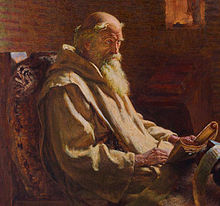
220px-The_Venerable_Bede_translates_John_1902.jpgBodo is an Old German name that might either come from the Germanic element, bodo (lord, commander) or the Old German boto (messenger). The latter became bod (messenger) or boda (messenger, angel) in Anglo-Saxon.
In Anglo-Saxon England, the name spun off into Beda and in modern English became Bede.

Alternately, Bede has also been claimed to actually come from the Anglo-Saxon bed (prayer).

Saint Bede the Venerable (8th-century) was an English monk who was made Doctor of the Church and is most famous for writing Ecclesiastical History of the English People. He is known as the Father of English History.

Bodo was the name of a famous 9th-century German Christian who converted to Judaism and assumed the name Eleazer.

Bode is an English and Danish form.

Bode has been in and out of the U.S. Top 1000 since 2006 and is currently the 994th most popular male name (2016).

A notable bearer is American skier, Bode Miller (b. 1977).

Other forms of the name include:

  • Beda (Anglo-Saxon, German)
  • Bède (French)
  • Bode (Danish, English)
  • Bodhe (Swedish)
  • Boto (German)
  • Botho (German)
  • Budhi (Swedish)
  • Buði (Old Norse)

Sources

Mack

mackThe name is an Anglo-Norman diminutive form of Magnus, which is either from the Latin (great) or the Old Norse, Magni (strong).

In England, Mack has been in use since the 11th-century and was introduced by Scandinavian settlers.

The name may have also been used in reference to the Gaelic mac (son).

In the United States, Mack peaked at #96 in 1900. As of 2016, it was the 679th most popular male name.

Sources