Santos

Photo by Thgusstavo Santana on Pexels.com
  • Origin: Galician Spanish, Portuguese
  • Meaning: “saints.”
  • Gender: unisex
  • Pronunciation: SAHN-tose (Sp)

The name comes directly from the Iberian word for “saints,” since Medieval times, it was originally bestowed on children born on November 1st, the Feast of All Saints, it’s French equivalent being Toussaint. For females, the name was often used in conjunction with Maria, i.e. Maria de los Santos.

While its singular form of Santo is also used, I felt Santos deserved it’s own entry since it’s usage is specific to a Catholic Holiday.

For males, Santos has been in the U.S. Top 1000 Male Names since 1920, peaking at #539 in 1937, in 2019, he ranked in as the 966th most popular male name in the United States.

In the U.S, its use on females peaked in the 1920s, appearing in the U.S. Top 1000 Female Names between 1920-1929, peaking at #742 in 1924.

The name was borne by Confederate Colonel, Santos Benavides (1823-1891) & Mexican artist, Santos Balmori Picazo (1899-1992).

Santos is also the name of a municipality in São Paulo, Brazil.

Sources
Siddhi

  • Origin: Sanskrit सिद्धि
  • Marathi: सिद्धि
  • Meaning: “perfection, attainment, completion; accomplishment; success.”
  • Gender: feminine
  • Pronunciation: SID-dee; SIT-tee (depending on language & dialect)

The name comes from the Sanskrit noun सिद्धि (siddhi), meaning “perfection, attainment, accomplishment,” which is a concept that refers to the attainment of magical, paranormal or psychic abilities through meditation and yoga. It is a concept found in Yoga, Buddhism and Hinduism.

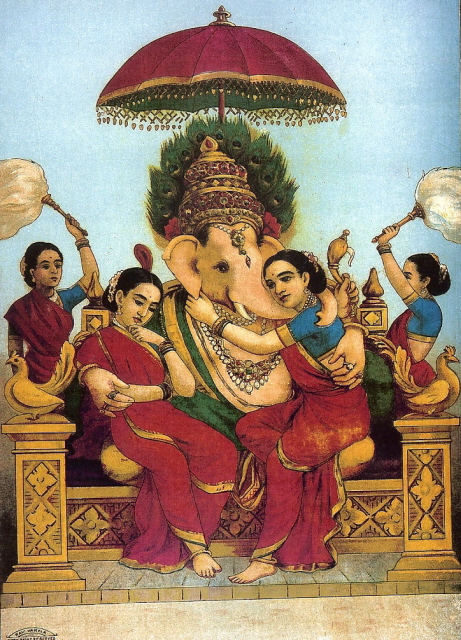
In Hinduism, it is the name of one of Lord Ganesha’s wives, the other being named Riddhi.

Sources

Simisọ́lá

  • Origin: Yoruba
  • Meaning: “rest in wealth, nobility or success.”
  • Gender: feminine
  • (SIM-mee-SOH-lah)

The name is composed of the Yoruba elements, sinmi (rest, relax), sí (into) and ọlá (wealth, nobility, success, notability).

It is the title of the 1994 novel by Ruth Wendell.

It is also borne by Simisola Kosoko (b.1988), better known as Simi, a Nigerian singer & actress.

Sources

Tulsi

  • Origin: Sanskrit तुलसी
  • Hindi/Nepali: तुलसी; Bengali টালসি
  • Meaning: “holy basil.”
  • Gender: unisex
  • Pronunciation: TULL-see

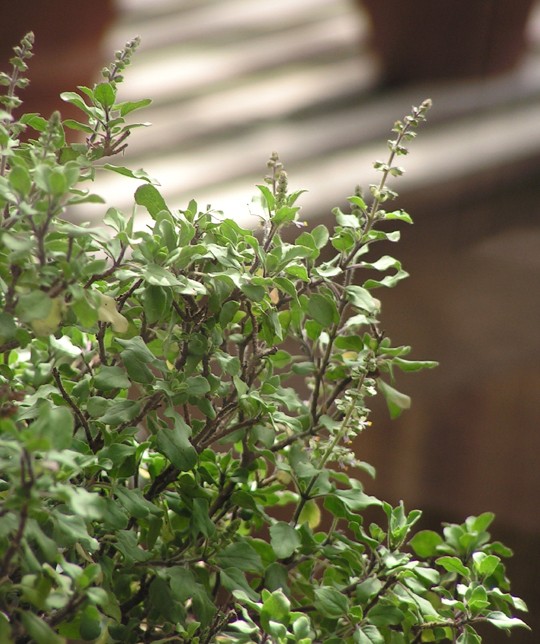
The name is derived from the Sanskrit तुलसी (holy basil). It is the name of a type of perennial plant in the family Lamicae and is endemic to the Indian subcontinent.

Tulsi is considered sacred plant in Hinduism, it is worshipped as an avatar for the goddess Lakshmi and the plant is traditionally planted in the center of courtyards to Hindu houses or next to Hanuman temples.

It is worshipped in Vaishnavism and holds an importance in Ayuverda traditions.

A notable bearer is American politician Tulsi Gabbard (b. 1981).

Sources

Amahle

  • Origin: Zulu
  • Meaning: “the good ones; the beautiful ones.”
  • Gender: unisex
  • Pronunciation: (ah-MAH-shey)

The name comes directly from the Zulu phrase ama (plural article) & hle (beautiful, good, nice).

Sources

Sihana

  • Origin: Albanian
  • Meaning: “like the moon.”
  • Gender: feminine
  • Pronunciation: (sih-HAH-nah)

The name is composed of the Albanian elements, si (like) and hëna (moon).

The name is borne by Albanian supermodel, Sihana Shalaj.

Sources

Kwasi, Kwesi, Akosua

Kwasi and Kwesi are masculine Akan names meaning “born on Sunday,” its feminine equivalent is Akosua, which has the same meaning. They are ultimately derived from the Akan word Kwasiada, meaning “Sunday.”

Other masculine forms include: Siisi & Akwasi.

Other feminine forms include: Kisi & Esi.

Sources

Led, Ledan, Ledar, Ledër, Ledian, Ledion

  • Origin: Albanian
  • Meaning: “caress.”
  • Gender: masculine

The above Albanian masculine names derive from the Albanian word ledhë (caress).

Feminine forms include: Ledana, Lediana, Lediona & Ledona.

Sources

Aranya

  • Origin: Sanskrit अरण्य
  • Thai: อรัญญา; Bengali: অরণ্য
  • Meaning: “forest.”
  • Gender: unisex

The name comes directly from the Sanskrit word अरण्य (forest), but is also used in some classical Indian literature to describe a wilderness or dessert. It is the name of the 3rd episode in the 16th-century (CE) epic poem, Rāmcaritmānas by Tulsidas.

The name is exclusively feminine in Thailand but is considered unisex in India.

Sources

Lubomir, Lubomira

  • Origin: Slavic
  • Gender: masculine
  • Meaning: “love & peace.”

Lubomir is composed of the Slavic elements, lubo (love) & mir (peace).

Its Czech form of Lubomír was one of the most popular male names in the Czech Republic between 1935-2006, it peaked at #16 in 1959.

Other forms include:

  • Ljubomir Љубомир Љубомир (Bosnian, Macedonian, Serbo-Croatian, Slovene)
  • Lubomir Любомир (Bulgarian, Polish)
  • Lyubomir Лыѹбомир (Old Church Slavonic, Russian)
  • Lubomierz (Polish)
  • Ľubomír (Slovakian)
  • Lyubomyr (Ukrainian)

Diminutives & Short Forms

  • Ljubiša, Ljubo (Bosnian, Bulgarian, Serbo-Croatian, Slovene)
  • Luboš (Czech)
  • Ljube, Ljupcho, Ljupčo (Macedonian)
  • Ľuboš (Slovakian)

Feminine forms are

  • Ljubomira (Bosnian, Bulgarian, Macedonian, Serbo-Croatian, Slovene)
  • Lubomíra (Czech)
  • Lubomira (Medieval Slavic, Polish)
  • L’ubomíra (Slovak)
  • Lyubomyra (Ukrainian)

Sources