Bezalel

  • Origin: Hebrew בְּצַלְאֵל
  • Meaning: “in the shadow of God; under the protection of God.”
  • Gender: masculine
  • Pronunciation Eng: beh-ZAH-lel

The name is borne in Exodus 31:1-6 by the chief artisan assigned by Moses to build the Tabernacle, Ark of the Covenant, priests’ vestments and other equipment with the assistance of Aholiab. In Exodus 31:1, he is listed as the son of Uri.

The name itself is believed to share a similar etymological construction with the Akkadian male names ina-ṣilli-Bēl and ina-ṣilli-Nabu (in the shadow of Baal or Nabu).

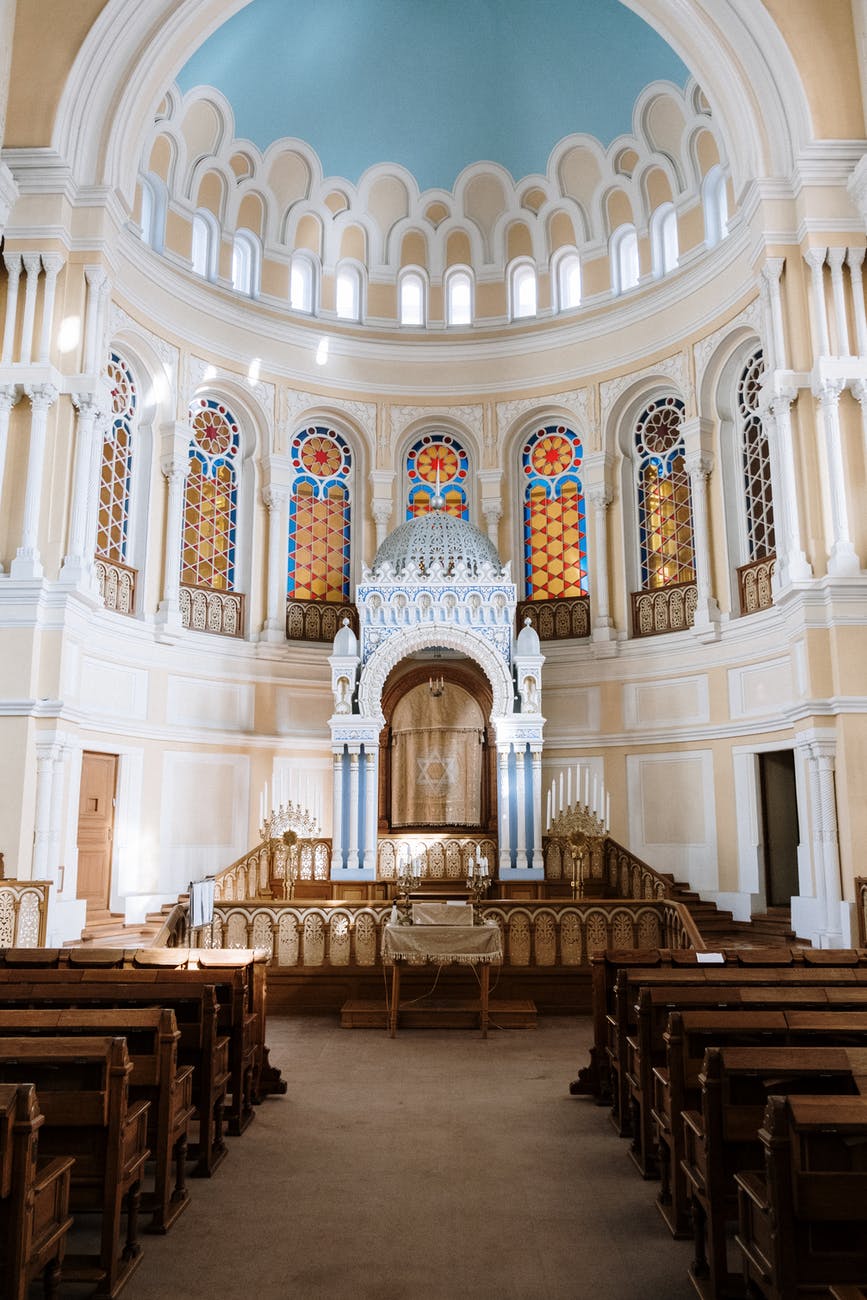
The name has always been used in the Jewish diaspora in Europe and the Middle East. It was borne by the 16th-century Ottoman rabbi and talmudist Bezalel Ashkenazi, and it was the name of the father of the Maharal of Prague,(Judah Loew ben Bezalel circ. 17th-century).

The Bezalel Academy of Arts and Design & the Jewish art movement known as the Bezalel School both take their name from the character in the Bible.

Among Russian-Jews, Vasily would have been used as a Russified form, though the names do not share an etymological relationship.

Other forms include:

  • Bezaleël (Dutch)
  • Bezalel (English, German)
  • Béséléel (French)
  • Beseleel Βεσελεήλ (Greek)
  • Bezaleèl (Italian)
  • Becalel (Polish)
  • Besaliel (Portuguese)
  • Veseleíl Веселеи́л (Russian)
  • Becalél’, Becal’ї́l Бецале́ль, Бецал’ї́л (Ukrainian)

Sources

Lavanya

  • Origin: Sanskrit/Hindi लावण्य
  • Telugu: లావణ్యా
  • Tamil: லாவண்யா
  • Meaning: “grace; beauty; charm; loveliness.”
  • Gender: feminine
  • Pronunciation: (LAH-vun-yah)

The name comes directly from the Sanskrit word meaning, “grace; beauty; charm; loveliness.”

Sources

Devrim

  • Origin: Turkish
  • Meaning: “revolution.”
  • Gender: masculine
  • Pronunciation: (DEV-reem)

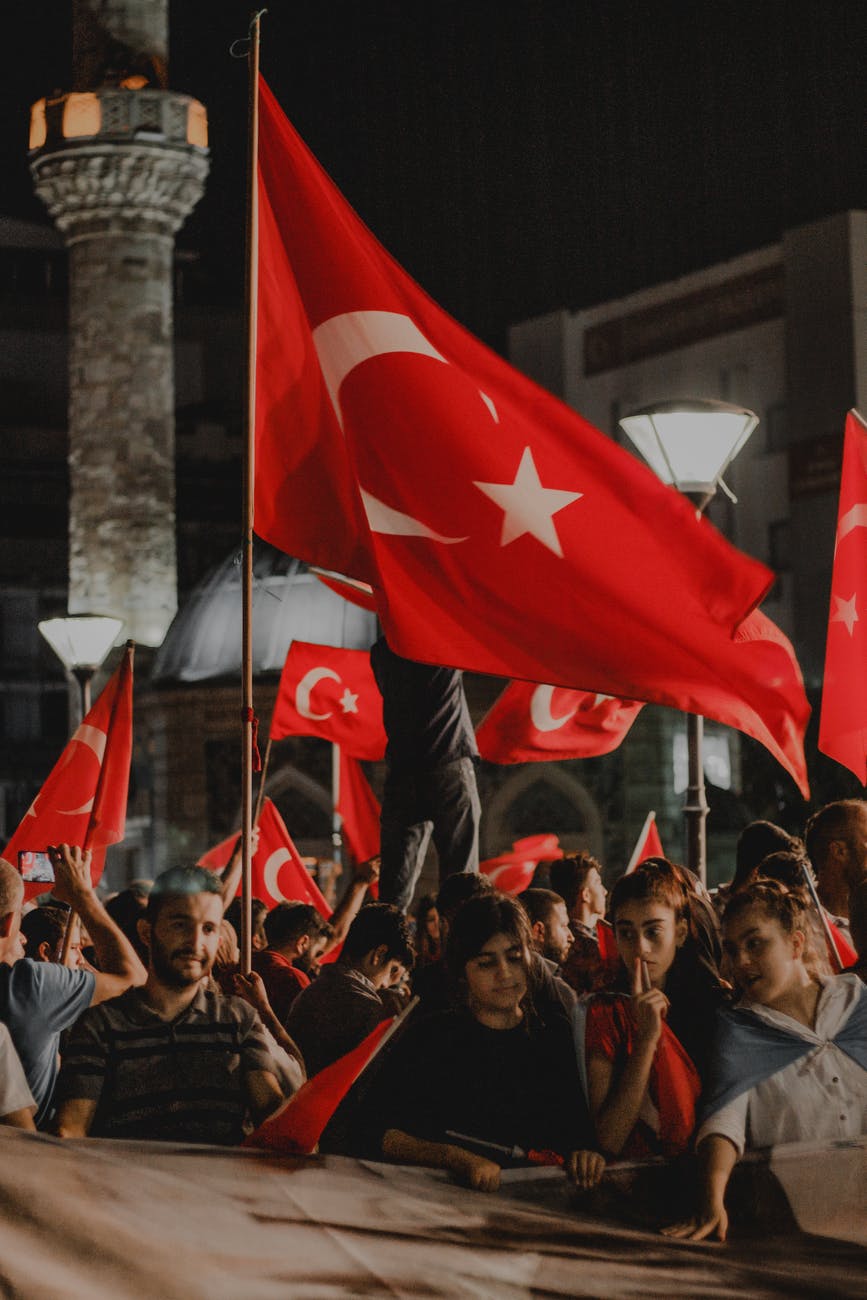
The name comes directly from the Turkish word for revolution.

It is also the name of the first and only automobile produced in Turkey.

Sources

Mahvash, Mehwish

  • Origin: Persian مهوش
  • Urdu: مہوش, Hindi: महवश
  • Meaning: “beautiful like the moon; moonlike; moonfaced.”
  • Gender: feminine
  • Pronunciation: Per (MAH-vash); Urdu (MAY-wish)

Mahvash is a Persian name meaning “beautiful like the moon” or “moon-like.” It’s Urdu offshoot is Mehwish and its Turkish form is Mehveş.

Though it is a pre-Islamic Persian name, it is a popular name used among Muslims in India and is also used in Pakistan.

Mahvash was the stage name of a renowned Persian entertainer from the 1950s.

Mahvash Disease is the name of a type of an autosomal recessive, hereditary pancreatic neuroendocrine tumor syndrome. However, I could not find the reason why it is specifically called Mahvash disease.

Mehwish is borne by Pakistani actress, Mehwish Hayat (b. 1983).

Sources

Cuthbert

  • Origin: Anglo-Saxon
  • Meaning: “bright famous.”
  • Gender: masculine
  • KUTH-bert

The name is composed of the Anglo-Saxon words cuþ “famous” and beohrt “bright.” It is notably borne by St. Cuthbert of Lindisfarne, a 7th-century English saint who is revered as the patron saint of Northumbria. Even after the Protestant Reformation, he remained a popular figure in Northern England, the Cathedral of Durham is where he lies entered.

It is the progenitor of the eponymous English surname.

Common short forms are Cuddy & Cuth.

Other forms include:

  • Cuthbehrt (Anglo-Saxon)
  • Cuthbertus (Dutch, Late Latin)
  • Cuthbert (English, French, German)
  • Cudbert (French)
  • Cutberto (Italian, Spanish)
  • Kutbert (Polish)
  • Cuteberto (Portuguese)
  • Cuithbeart (Scottish-Gaelic)
  • Katbert Катберт (Ukrainian)
  • Cwthbert (Welsh)

Sources

Manar

  • Origin: Arabic منار
  • Meaning: “beacon; lighthouse.”
  • Gender: feminine
  • mah-NAR

The name is from the Arabic منار‎ (manar) meaning, “lighthouse; beacon.”

Sources

Cassiel

  • Origin: Hebrew פצִיאֵל
  • Meaning: “God is my cover; cover of God; speed of God.”
  • Gender: masculine
  • Pronunciation: Eng KAS-see-el

The name is derived from the Hebrew פצִיאֵל (Qaftzi’el), which is likely to mean “cover of God” or “God is my cover.” Other sources claim this name means “speed of God.” According to Judeo-Christian apocrypha, Cassiel is one of the 7 archangels. In the Hekhalot Rabbati, he is the one of the guardians of the doors of the 7th Heaven. In the Sefer Raziel, he is described as the Prince of Saturn, while in the Zohar, he is credited as being one of the aides of the Archangel Gabriel. He is also mentioned in the rabbinic literature of the Kabbalah. In Christian literature, he is mentioned in the grimoire known as The Sworn Book of Honorius as well as in Peter Abano’s Heptameron. He is mentioned in a Byzantine text regarding exorcism. He also appears as an archangel in mystic Islamic literature under the name كسفيائيل‎, Kasfiyāʼil.

Cassiel was traditionally believed to not have much input on the things that occur in the world of man, he was also considered the angel who presided over the death of kings as well as the angel of tears and the angel of temperance. His days are sometimes Thursday or Friday.

As a given-name, it has only come into occasional use the last century. It may have become even more widespread after its use in the Wim Wender 1987 film, Wings of Desire.

I could not find any strong evidence that this name has ever been used as a given-name among Jews or Muslims, though I don’t believe it is considered a forbidden name in either religion, more likely, the obscurity of the angel in the general populace of both religions has left the name obsolete.

Other forms include: Cafziel, Kafziel, Caphziel,Captiel, Cassael, Castiel, Qaspiel, Qephetzial, & Quaphsiel.

Forms in other languages include:

  • Kasfiyāʼil كسفيائيل‎, (Arabic)
  • Cassiël (Dutch)
  • Cassiel (English, French, German, Portuguese, Spanish)
  • Qaftzi’el קפציאל‎ (Hebrew)

Feminine forms include: Kasiela, Casiel(l)a, Qaftiziela (modern Hebrew); Cassielle (English, French), Cassiëlle (Dutch), Casiele (Brazilian-Portuguese).

Sources

Lieba, Liba, Lieber

Liba can have a few meanings, it is firstly a polonized form of the Yiddish ליבאַ Lieba (love), which is identical to the German word. It may have also been influenced by the Czech word libý (nice; pleasant). It was popular among Eastern-European Jews as it also coincided with the Czech-Slovak name Líba, which is a contracted form of names like Libuše & Liběna.

Also sometimes spelled Liebe.

It was sometimes anglicized by Jewish immigrants to Leeba.

A Yiddish masculine form is Liber or Lieber.

In Latvia, the designated name-day is April 19, though in this case, it is probably a borrowing from the Czech & Slovak use.

Sources

Erkan

  • Origin: Turkish
  • Gender: masculine
  • (AIR-kahn)

The name is composed of the Turkish elements er (brave; valiant; man) & kan (blood; lineage).

The name appeared in the Turkish Top 100 between 1980-2003 & peaked at #17 in 1980.

Sources

Ẹ̀ríolúwa

  • Origin: Yoruba
  • Meaning: “witness or evidence of God.”
  • Gender: unisex
  • Pronunciation: AIR-ee-oh-LOO-wah

The name is composed of the Yoruba words ẹ̀rí (witness; evidence) & olúwa (God).

A common short form is Eri.

Sources