Assia

The name can either be from a Russian diminutive form of Anastasia or it may be from the Arabic آسية.

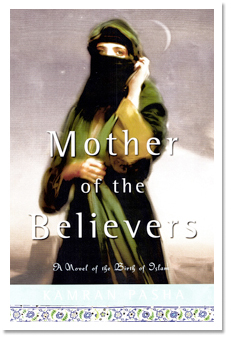
In the Qu’ran, it is the name of the wife of Pharoah, the women who found Moses and raised him as her own child. Unlike her evil husband, she is considered to be one of the most pious women who ever lived in Islamic tradition. The meaning and origin of the name seems to be lost.

It is currently the 104th most popular female name in France (2009) and the 472nd most popular in Quebec, Canada (2010).

It was borne by Assia Weville, the lover of English poet Ted Hughes. It is also borne by a French pop singer simply known as Assia.

Other forms of the name include:

  • Asiya (Azeri)
  • Asija (Bosnian)
Source

Hadi

Gender: Masculine
Origin: Arabic هادي
Meaning: “leader; guide.”

The name comes from the Arabic meaning “leader; guide.” It is from a theophoric designation for God, Al-Hādi meaning “servant of the Guide.”

It is currently the 475th most popular male names in Quebec, Canada, (2010).

The feminine forms are Hadia, Hadija (Bosnian) Hadya and Hadiya.

Source

  1. http://www.behindthename.com/name/hadi


Maya

The name can either be from the Sanskrit meaning “illusion.” In this case it is the name of a concept found both in Hinduisim and Sikhism. It is also another name for the goddess Durga.

In Buddhism it is the name of the mother of Buddha.

It could also be a contraction of Maria.

In Eastern European languages, it is the word for May and may be used in reference to the month.

Currently, Maya is the 19th most popular female name in the United States, (2010). Her rankings in other countries are as follows:

  • # 46 (Australia, NSW, 2010)
  • # 51 (Belgium, 2010)
  • # 57 (England/Wales, 2010)
  • # 64 (Scotland, 2010)
  • # 67 (United States, 2010)
  • # 75 (France, 2009)
  • # 84 (Ireland, 2010)
  • # 91 (Norway, 2010)
  • # 193 (the Netherlands, 2010)

Spelled Maja she is one of the most popular female names on continental Europe. Her rankings are as follows:

  • # 1 (Sweden, 2010)
  • # 2 (Poland, 2010)
  • # 7 (Denmark, 2010)
  • # 10 (Slovenia, 2010)
  • # 19 (Norway, 2010)
  • # 26 (Croatia, 2010)
  • # 35 (Austria, 2010)
  • # 37 (Hungary, 2010)
  • # 54 (Ireland, 2010)
  • # 277 (the Netherlands, 2010)
Another form is the Finnish Maija.

Source

  1. http://www.behindthename.com/name/maja-2

Solomon

Gender: Masculine
Origin: Hebrew שְׁלֹמֹה
Meaning: “peace.”

The name is borne in the Old Testament by son of David and the King of Israel. He is credited as being the author of Proverbs, the Song of Solomon and Ecclesiastes. In the Talmud he is considered one of the 48 prophets. In Jewish and Christian tradition he is viewed as a wise and holy king but had fallen from grace due to his ego and his marriage to hundreds of foreign wives who led him astray from God. In the Qu’ran, Solomon is a prophet and a messenger from Allah, he is the only one who was ever able to control the djinn with his magical incantations.

The name has always been a popular one among Jews, Muslims and Eastern Orthodox Christians, but has never really been common in the English-speaking world, even after the Protestant Reformation. Currently, Solomon is the 467th most popular male name in the United States, (2010).

Other forms include:

  • Salomo (Afrikaans/Dutch/Finnish/German/Scandinavian)
  • Salomon (Albanian/Croatian/Finnish/French/Polish/Scandinavian/Ukrainian)
  • Sulayman  سليمان (Arabic)
  • Salamon Саламон (Belarusian)
  • Sulejman (Bosnian)
  • Suljo (Bosnian)
  • Solomon Саламон (Bulgarian/English/Macedonian/Romanian/Russian/Serbian)
  • Salomó (Catalan)
  • Šalomoun (Croatian)
  • Saalomon (Estonian)
  • Sálomon (Faroese)
  • Solamh (Gaelic)
  • Solomoni სოლომონი (Georgian)
  • Shlomo שְׁלֹמֹה (Hebrew)
  • Salamon (Hungarian/Occitanian)
  • Silêman (Kurdish)
  • Salomone (Italian)
  • Shelomo (Ladino)
  • Salamans (Latvian)
  • Zālamans (Latvian)
  • Saliamonas (Lithuanian)
  • Sjelomo (Norwegian: archaic)
  • Szlomo (Polish-Yiddish)
  • Salomão (Portuguese)
  • Šalamún (Slovak)
  • Suleymaan (Somalian)
  • Salomón (Spanish)
  • Sөlәjman Сөләйман (Tatar)
  • Süleyman (Turkish)
  • Selyf (Welsh)
  • Zalman (Yiddish)

Common English diminutives are Sol and Solly.

A Russian feminine form which was common among Russian royalty is Solomonia.

Source

  1. http://www.behindthename.com/name/solomon

Khalil

Gender: Masculine
Origin: Arabic خليل
Meaning: “friend.”

The name is derived from the Arabic word for friend. In the Qu’ran, it is a title given to the Prophet Mohammed (Khalil Allah) meaning, “friend of God.”

It is currently the 390th most popular male name in France and the 501st most popular in the United States, (2010).

Another form of the name is the Albanian, Bosnian and Turkish, Halil.

Feminine form is Khalila  خليلة (Arabic).

Source

  1. http://www.behindthename.com/name/khalil

Moses

Gender: Masculine
Origin: Debated
Meaning: debated

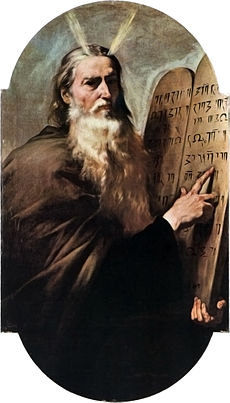
The name is borne in the Old Testament and in the Qu’ran by the a renowned prophet and law giver, who according to tradition was placed in a basket by his Hebrew mother and found by the daughter of Pharaoh (in Judeo-Christian religion) or the wife of Pharaoh (in Islamic tradition) and raised as an Egyptian prince. It is from this tradition that the name is believed to be derived from the Hebrew element משה (mšh) as stated in  Exodus 2:10:

“[…] she called his name Moses (משה): and she said, Because I drew him (משיתהו) out of the water.” (KJV).


It has been suggested that the name is in fact of Egyptian origins, being related to the Coptic elements, mo (water) and uses (saved; delivered) hence: “saved from the water.” Another suggestion is the Egyptian element, ms (child; born) as found in such ancient Egyptian male names as Tuth-Mose and Ram-messes.

The name has always been common among Jews, Muslims and Orthodox Christians, but did not catch on in the English-speaking world until after the Protestant Reformation. Medieval Jews of England used the Middle English form of Moss.

It is currently the 509th most popular male name in the United States, (2010).

Other forms of the name include:

  • Moses (Afrikaans/English/German/Scandinavian/Welsh)
  • Moisiu (Albanian)
  • Musa موسى Муса (Amharic/Arabic/Azeri/Bosnian/Kabyle/Swahili/Tatar/Turkish)
  • Moisen (Aragonese)
  • Movses Մովսես (Armenian)
  • Moises (Basque)
  • Majsjej Майсей (Belarusian)
  • Moizez (Breton)
  • Moisej Моисей (Bulgarian)
  • Moisès (Catalan)
  • Moisije Мојсије (Croatian/Serbian)
  • Moše (Croatian)
  • Mojžíš (Czech/Slovak)
  • Mozes (Dutch)
  • Mooses (Estonian/Finnish)
  • Móses (Faroese/Icelandic)
  • Moïse (French)
  • Maois (Gaelic)
  • Mose მოსე (Georgian/German/Romansch/Swedish)
  • Mouses Μωυσης (Greek)
  • Moshe מֹשֶׁה (Hebrew/Ladino)
  • Mózes (Hungarian)
  • Mosè (Italian)
  • Müsa Мұса (Kazakh)
  • Mosa (Kurdish)
  • Mûsa (Kurdish)
  • Moyses (Latin)
  • Mozus (Latvian)
  • Mozė (Lithuanian)
  • Мојсеј (Macedonian)
  • Moss (Middle English)
  • Moïses (Occitanian/Provençal)
  • Mojżesz (Polish)
  • Moisés (Portuguese/Spanish)
  • Moise (Romanian)
  • Moisej Моісей (Rusyn/Ruthenian)
  • Moiséj Моисе́й (Russian)
  • Muozė (Saimogaitian)
  • Mojzes (Slovene)
  • Muuse (Somalian)
  • Mojsej Мойсей (Ukrainian)
  • Moosõs (Voro)
  • Moishe (Yiddish)
Recently, actress Gwyneth Paltrow bestowed this name on her second child, Moses Bruce Anthony Martin (b. 2006)
Sources

‘Aisha, Aisha

Gender: Feminine
Origin: Arabic عائشة
Meaning: “alive”
(ah-EE-shah)

The name has to be one of the most popular female names among Sunni Muslims as it was borne by the second wife of the prophet Muhammed and according to the Sunnis, she was his favorite wife. After Muhammed’s death, ‘Aisha went to war against Ali the fourth, and as a result, she is viewed negatively among some Shi’a Muslims.

The name itself is derived from the Arabic meaning, “alive” and it is currently the 96th most popular female name in England (2009).

In the United States, it first caught on as a given name among non-Muslims during the 1970s, particularly among African-Americans. The inspiration may have been Princess Aisha of Jordan, daughter of King Hussein (b.1968) and in 1975, Stevie Nicks named her first daughter, Aisha.

Its rankings in other countries are as follows:

# 25 (Bosnia & Herzegovina, 2010 as Ajša)
#478 (the Netherlands, 2010)
#682 (United States, 2010)

Other forms of the name include:

Aisha (Albanian)
Ajshja (Albanian)
Aixa (Asturian: obscure, used in the Middle Ages among the Moors’ of Asturia)
Aiša/Ajša (Bosnian)
Àïxa (Catalan obscure, used in the Middle Ages among the Moors’)
Aïché/Aché (Chadian)
Aïsja (Dutch)
Aisha  بکر (Farsi)
Aïcha (French: used among French-speaking Arabs)
Aischa (German)
Ayesha आयेशा (Indian)
Aisyah (Indonesian/Malay)
Ajsha Айша (Kazakh/Chechen)
Aisza (Polish: obscure. This was used among Polish-Tatar Muslims of the Polish-Common Wealth during the 16th-century)
Aissatou (Senegalese)
Caa’isha (Somalian)
Aisa (Spanish: obscure, used in Medieval Spain among Spanish Muslims)
Asha (Swahili)
Eshe (Swahili)
Gayshә Гайшә (Tatar)
Aişe (Turkish: archaic)
Ayşe (Turkish)

Jamal

Gender: Masculine
Origin: Arabic جمال
Meaning: “beautiful”
(juh-MALL)

The name comes directly from the Arabic word for beautiful.

Currently, it is the 610th most popular male name in the United States, (2010).

Other forms of the name include:

Djemal (Albanian)
Camal (Azeri)
Ćemal (Bosian)
Džemal (Bosnian)
Gamal (Egyptian)
Djamal (Indonesian)
Hamal” Гамаль (Kazakh/Chechen/Tatar)
Jamaal (Somalian)
Cemal (Turkish/Azeri)

The name was borne by Egyptian president Gamal Abdel Nasser (1918-1970).

Source

  1. http://www.behindthename.com/name/jamal

Amina

Origin: Arabic  أمن
Gender: Feminine
Meaning: “feel safe” or “truthful.”
(ah-MEE-nah)

Depending on its original Arabic script, the name could be of two different meanings and derivatives. If derived from the Arabic word  أمن(Amina) then it means “to feel safe.” In this case, it was borne by the mother of the Prophet Mohammed. If it is spelled  أمينة then it is derived from the Arabic word  امين(amin) meaning “truthful.”

Both names can  be transliterated as Aminah. 

As of 2010, Amina was the most popular female name in Bosnia & Herzegovina, while its Slavicized variation of Emina was the 6th most popular. Its rankings in other countries are as follows:

# 92 (Slovenia, 2010)
#166 (France, 2009)
# 224 (the Netherlands, 2010)
# 707 (the United States, 2010)

Other forms of the name include:

Amina Амина (Albanian/Algerian/Amharic/Arabic/Bosnian/Chechen/Farsi/Kazakh/Kyrgyz/Tunisian/Russian/Tatar)
Aminat Aманат (Chechen/Kazakh)
Emina Эмина (Azeri/Bosnian)
Yamina (Berber)
Aminata (Swahili)

Amine (Turkish)

Source

  1. http://www.behindthename.com/name/amina

Arjun

Gender: Masculine
Origin: Indian अर्जुन
Meaning: “white; shining; silver.”
(AR-jun)

The name is a modern transcription of the male Indian name, Arjuna अर्जुन, which is derived from the Sanskrit meaning “white; shining; silver.” It is a cognate with the Latin word argentum.

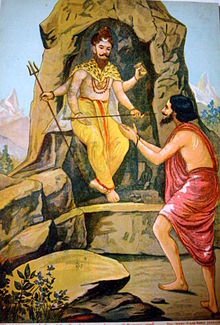
In Hinduism, it was borne by the greatest warrior and archer on earth, the son of the god Indra and the mortal woman Kunti. His story is reminiscent of the Greek legend of Hercules.

Currently, Arjun is the 639th most popular male name in the United States, (2010).

Other forms of the name include:

Harjuna/Harjuno/Herjuno (Indonesian/Javanese)
Ranjuna (Malay)
Arjuna अर्जुन (Sanskrit)
Aruccunan அருச்சுனன் (Tamil)
Orachun อรชุน (Thai)

Source

  1. http://www.behindthename.com/name/arjuna