Pascal

Gender: Masculine
Origin: French/German
Meaning: “Easter; relating to Passover.”

The name is derived from the Late Latin Paschalis which is derived from the Latin pascha meaning “Easter” which in turn is derived from the Hebrew word pesach meaning “passover.”

In the early Christian church and even today, the name was usually bestowed upon children born during the Easter season.

The name has also been borne several Christian saints and popes.

In modern English vernacular, a pascal is used to describe the SI unit of pressure, equal to one newton per square metre, which was named for French scientist, Blaise Pascal.

Other forms of the name include:

  • Paskal Паскал (Bulgarian/Croatian/Czech/German/Macedonian)
  • Pasqual (Catalan)
  • Pasco (Cornish)
  • Pascal (Dutch/English/French/German/Romanian)
  • Pascuccio (Italian)
  • Pasquale (Italian)
  • Pasqualino (Italian)
  • Pasquetto (Italian)
  • Pasquino (Italian)
  • Paschalis (Latin/Polish)
  • Paschasius (Latin)
  • Pascoal (Portuguese)
  • Paschal/Pasqual (Romansch)
  • Pascale (Sardinian)
  • Pascual (Spanish)
  • Pasqual (Venetian)

Feminines forms include:

  • Pascale (French)
  • Pascaline (French)
  • Pascala (Italian)
  • Pascalina (Italian)
  • Pasqua (Italian)
  • Pasquala (Italian)
  • Pasqualina (Italian)
  • Pasquetta (Italian)
  • Pasquina (Italian)
  • Paschalina (Polish)
  • Pascuala (Spanish)
  • Pasquita (Spanish)

An Italian female compound form is Pasquarosa.

The designated name-day is May 17 (France/Germany).

Sources

Charles, Caroline

Gender: Masculine
Origin: German
Meaning: “man; free man”

The name is derived from a Germanic root word describing someone who is of the farm or peasant class. It corresponds with the Anglo-Saxon term ceorl (churl) and the Old German word karl. Both words were used to describe a male member of society who came from the lowest ranks but was not considered a servant or thrall. It is believed that its Old High German counterpart, karal, was originally used to describe any man. Interestingly enough, in the Poetic Edda, the progenitor of the peasant class is named Karl.

Its usage as a given name seems to have begun with the Frankish King and Holy Roman Emperor, Charles the Great also known as Charlemagne. As a result, the name became extremely common among French royalty and was later introduced to the British Royal Line when Mary Queen of Scots named her son Charles, later known as Charles I Stuart. Since Mary of Scots grew up in France, it is believed that her naming choices may have been influenced by her early habitation among French royalty.

The name was also extremely common among Swedish, German and Spanish Royalty.

It has also been borne by several saints.

Charles remains a fairly prevalent name throughout the Western World. In the English-speaking world, Charles’ rankings are as follows (vernacular forms are italicized):

  • # 72 (Australia, 2008)
  • # 85 (Canada, B.C., 2008)
  • # 2 Karlo (Croatia, 2009)
  • # 56 (England/Wales, 2008)
  • # 21 Carlos (Spain, 2008)
  • #63 (United States, 2008)

Its diminutive form of Charlie is often used as an independent given name, sometimes ranking even higher on the charts than its formal counterpart. His rankings are as follows:

  • # 26 (Australia, 2008)
  • # 7 (England/Wales, 2008)
  • #29 (Ireland, 2008)
  • # 1 (Isle of Man, 2009)
  • # 8 (Northern Ireland, 2009)
  • # 22 (Scotland, 2009)
  • # 42 (Sweden, 2009)
  • # 307 (United States, 2008)

Other forms of the name include:

  • Karlo (Albanian/Croatian/Finnish/Serbian)
  • Kirollis كيرولوس(Arabic: used primarily among Arab Christians if used at all)
  • Carllos (Asturian)
  • Carlos (Asturian/Galician/Portuguese/Spanish)
  • Karla/Karlos (Basque)
  • Karol (Basque/Polish/Slovak)
  • Xarles (Basque)
  • Charlez (Breton)
  • Carl/Karl Карл (Bulgarian/Finnish/German/Russian/Scandinavian/Ukrainian)
  • Carles (Catalan)
  • Charlys (Cornish)
  • Carlu (Corsican/Sicilian)
  • Karel (Czech/Dutch/Limburgish/Slovene)
  • Karelius (Danish/Norwegian: archaic)
  • Carolus (Dutch/Latin)
  • Kaarel (Estonian)
  • Kaarle/Kaarlo (Finnish)
  • Charles (French/English)
  • Charlot (French: originally a diminutive form, now completely out of usage. SHAR-lo)
  • Keerl/Kerll (German: rare form)
  • Karolos Κάρολος (Greek: Modern)
  • Kale (Hawaiian)
  • Károly (Hungarian: Kah-roi)
  • Séarlas (Irish-Gaelic)
  • Carlino/Carolino (Italian)
  • Carlo (Italian/Welsh)
  • Kārlis (Latvian)
  • Charel (Lexumbourgish: KAH-rel)
  • Sjarel (Limburgish. SHAH-rel)
  • Karolis (Lithuanian. kah-roh-lis)
  • Karlu (Maltese)
  • Carol (Romanian)
  • Carli (Romansch)
  • Carule/Carlus (Sardinian)
  • Tèarlach (Scottish-Gaelic)
  • Korla (Sorbian)
  • Kalle (Swedish: a diminutive form commonly used as an independent name. KAHL-le)
  • Siarl (Welsh: SHARL)

Czech diminutives: Karlík, Karlíček.
English diminutives: Charlie, Chas, Chaz, Chip, Chuck, Chuckie
French diminutives: Charlie, Charlot
Hungarian diminutives: Karcsi
Italian diminutives: Carletto, Carluccio
Polish diminutives: Karolek, Lolek
Portuguese/Spanish diminutives: Carlito, Carlitos

Its feminine offshoot of Caroline is a French borrowing. Pronounced (kare-uh-LINE) in English, it has always been a common name. She is currently the 94th most popular female name in the United States, (2008), her rankings in other countries are as follows: (vernacular forms are italicized)

  • #5  (Denmark 2009)
  • # 6 Carolin/Caroline (Estonia, 2007)
  • # 9 (Luxembourg, 2008)
  • # 74 (Norway, 2009)

Its more elaborate versions of Carolina/Karolina are also fairly prevalent in other countries. Carolina has had a history of usage among English-speakers as well, but among Americans, the name is usually associated with the States, both of which were named in honour of Charles I.

Currently, Carolina is the 355th most popular female name in the United States, (2008). Her rankings in other countries are as follows:

  • # 33 (Chile, 2006)
  • # 4 Karolína (Czech Republic, 2009)
  • # 14 Karolina (Poland, 2009)
  • # 54 (Spain, 2008)

Charlotte (see Charlotte entry for more info)

  • Carlota/Carlotta (Liechtenstein, 2008)
  • Carlota # 41 (Spain, 2008)

Carla/Karla

  • Carla (Catalonia Spain, 2008)
  • # 39 (Chile, 2006)
  • Karla # 7 (Croatia, 2009)
  • # 42 (France, 2006)

Other feminine forms include:

  • Carolina (Catalan/English/Italian/Portuguese/Spanish/Swedish)
  • Karla (Croatian/Czech/Dutch/German/Scandinavian)
  • Karola (Croatian/Czech/German/Hungarian)
  • Karolina (Croatian/German/Hungarian/Latvian/Lithuanian/Polish/Scandinavian/Slovak/Slovene)
  • Karolína (Czech)
  • Karoline (Danish/German/Norwegian/Swedish)
  • Carla (Dutch/English/German/Italian/Portuguese/Spanish)
  • Carola (Dutch/German/Italian/Scandinavian)
  • Carolien (Dutch: cah-ro-LEEN)
  • Caroline (Dutch/English/French/German/Scandinavian)
  • Charlotte (Dutch/English/French/German/Scandinavian)
  • Carly (English: originally a diminutive form, now used as an independent given name)
  • Carolyn (English)
  • Charla (English: contraction of Charlene)
  • Karoliina (Finnish)
  • Carole (French)
  • Charlène (French/English: In French pronounced shahr-LEN, imported into the English speaking world where it is pronounced shar/char-LEEN)
  • Charline (French: shahr-LEEN)
  • Carolin (German: cah-ro-LEEN)
  • Karline (German)
  • Sarlott (Hungarian)
  • Séarlait (Irish-Gaelic)
  • Carletta (Italian)
  • Carlina (Italian)
  • Carlotta (Italian)
  • Carlottina (Italian)
  • Carluccia (Italian)
  • Tèarlag (Scottish-Gaelic)
  • Carlota (Spanish)
  • Charlotta (Swedish)

Their bearers are too numerous to list. Its designated name-days are: March 2 (France), November 4 (France).

For Caroline and her variations, May 9 (Poland), May 20 (Sweden), June 3 (Slovakia), July 5 (Lithuania/Poland), July 18 (Poland), August 6 (Lithuania) and February 2 (Hungary).

Patrick, Patricia

Origin: Latin
Meaning: “patrician.”

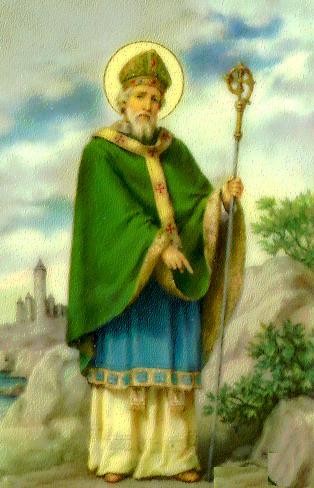
Patrick is derived from the Latin designation, patricius, meaning “patrician” or “nobleman.” Its usage as a given name started after the fame and cult of St. Patrick of Ireland.

St. Patrick was believed to have been a Romanized Briton who was captured by Irish raiders and enslaved. After six years of slavery, he was able to return to his homeland, but felt a call to return to Ireland to bring Christianity. He was able to establish a bishopric in Armagh. He is considered a national folk hero for the Irish and is also considered the patron saint and apostle of Ireland. Many legendary miracles were attributed to him during his life.

It is also believed that Patrick (or Patricius) was a nickname or title given to him by the Druid chieftans and that his real name was Succat.

St. Patrick’s Day which falls on March 17 is a national holiday in Ireland and also a popular festival in the United States and other English-speaking countries with large Irish immigrant populations.

Patrick is still a very common name in Ireland. As of 2008, he ranked in as the 19th most popular male name. His rankings in other countries are as follows:

  • # 54 (Australia, 2008)
  • # 25 (Hungary, 2008)
  • # 397 (the Netherlands, 2009)
  • # 34 (Slovenia, 2005)
  • # 127 (the United States, 2009)

Other forms of the name include:

  • Patirki (Basque)
  • Padrig (Breton/Welsh)
  • Patrik Патрик (Bulgarian/Croatian/Czech/Hungarian/Russian/Serbian/Slovak/Swedish/Ukrainian)
  • Pitrik Питрик (Bulgarian)
  • Patrici (Catalan)
  • Patrick (Danish/English/Estonian/Finnish/French/German/Norwegian)
  • Pátrikur (Faroese)
  • Patrice (French)
  • Patrikios Πατρίκιος (Greek: Modern)
  • Patrícius (Hungarian)
  • Patrekur (Icelandic)
  • Patrizio (Italian)
  • Pádraic/Pádraig (Irish-Gaelic: PAW-dric; PAW-drig)
  • Patricius (Latin)
  • Patriks (Latvian)
  • Patrikas (Lithuanian)
  • Patrizju (Maltese)
  • Paden (Manx)
  • Pherick (Manx)
  • Patariki (Maori)
  • Patryk (Polish: more common form)
  • Patrycjusz (Polish: rare)
  • Patrício (Portuguese)
  • Patrique (Portuguese)
  • Patriciu (Romanian)
  • Patritziu (Sardinian)
  • Pàdraig (Scots-Gaelic)
  • Patricio (Spanish)

Common male French diminutives include: Pat, Patoche, Patou and Patounet.

Common English diminutives are Pat, Paddy (Irish) and occasionally Rick.

Patricia is its Latin feminine equivalent and is used in Danish, English, French, German, Hungarian, Norwegian, Portuguese, Spanish and Swedish. At one time, Patricia was one of the most popular female names in the United States, peaking at # 3 between 1937 and 1952. Currently, she ranks in at a measly # 498 (2008). In other countries, her rankings are as follows:

  • # 67 (Hungary, 2008)
  • # 15 (Poland, 2008)
  • #50 Patricija (Slovenia, 2005)
  • # 52 (Spain, 2008)

Other feminine forms include:

  • Patricija (Croatian/Slovene)
  • Patricie (Czech: pah-TREET-sye)
  • Patrizia (German/Italian: pah-TREET-see-ah)
  • Patrizie (German)
  • Patrícia (Hungarian/Portuguese/Slovak: pah-TREET-syah in Slovak)
  • Pádraigín (Irish-Gaelic: PAW-drig-EEN)
  • Patrizja (Maltese)
  • Patrycja (Polish: pah-TRITS-yah)

Common English diminutive are: Pat, Patsy, Patty, Tricia and Trish. In the English-speaking world, Tricia is occasionally used as an independent given name.

German short forms are Patti and Patze. A common Spanish short form is Patti.

The Polish diminutive is usually Tysia.

The designated name-day is March 17.

Sources

  1. Elizabeth Gidley Withycombe, The Oxford Dictionary of English Christian Names (1945)
  2. Kálmán Béla,  A nevek világa
  3. http://www.askoxford.com/firstnames/patrick?view=uk
  4. http://www.behindthename.com/php/find.php?name=patrick

Robert, Robin

Gender: Masculine
Origin: German
Meaning: “bright fame.”

The name is composed of the Germanic elements, hrod (fame) and beraht meaning (bright). In Pre-Norman England, the name existed in the form of Hreodbeorht and was replaced by the now more favored Robert after the Norman Conquest.

The name has been consistently popular in the English-speaking world since. It has been worn by hundreds of notable bearers, including two French kings, three Scottish kings, (Robert the Bruce being one) and several saints.

Currently, Robert ranks in as the 49th most popular male name in the United States, (2008). His rankings in other countries are as follows:

  • # 80 (Canada, B.C., 2008)
  • # 89 (England/Wales, 2008)
  • # 44 (Hungary, 2008)
  • # 49 (Ireland, 2008)
  • # 56 (Scotland, 2009)

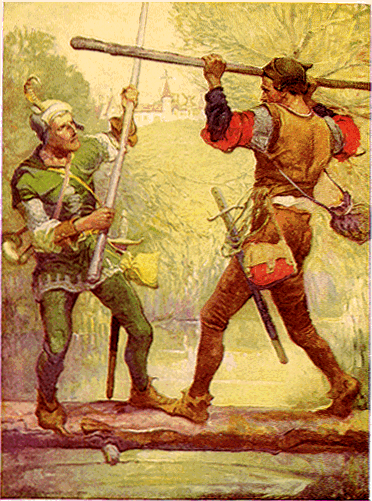
Robert has introduced several offshoots, the Medieval English diminutive form of Robin was the name of the protagonist of the legendary Robin Hood, Prince of Thieves. It is also used in Scandinavia and in German-speaking countries.

Its low Germanic counterpart of Rupert was popularized in Austria via an early Christian saint and was later introduced into England by Prince Rupert of the Rhine, a military commander and nephew of King Charles I. The name has enjoyed some usage in England ever since.

Other forms of the name include:

  • Hreodbeorht (Anglo-Saxon)
  • Roupen (Armenian)
  • Roparzh/Roperzh (Breton)
  • Robert Роберт (Catalan/Danish/Dutch/Croatian/Czech/English/Estonian/Finnish/French/German/Polish/Romanian/Russian/Serbian/Slovene)
  • Robrecht (Dutch/Afrikaans: rare, archaic)
  • Rupert (Dutch/English/German/Polish)
  • Robin (English/Finnish/Scandinavian)
  • Roobert (Finnish)
  • Roopertti (Finnish)
  • Robèrto (Fruilian)
  • Roberte (Galician)
  • Robrecht (German: rare, archaic)
  • Rodebrecht/Rotebert (German: rare, archaic)
  • Rudbert/Ruotbert (German: archaic)
  • Ruprecht (German: rare, archaic)
  • Rovēros/Rovértos Ροβῆρος Ροβέρτος (Greek)
  • Röpke (Frisian/Plattdeutsch)
  • Róbert (Hungarian/Icelandic/Slovak)
  • Roibeard (Irish-Gaelic)
  • Robertino (Italian: rare, originally a diminutive form)
  • Roberto (Italian/Portuguese/Spanish)
  • Robertus/Rupertus (Late Latin)
  • Roberts (Latvian)
  • Robertu (Leonese/Sardinian)
  • Robertas (Lithuanian)
  • Raibeart (Scottish Gaelic)
  • Robbetto (Sicilian)
  • Ruperto (Spanish)
  • Ropati (Tahitian)
  • Hopkin/Hopcyn (Welsh: originally a Medieval Welsh diminutive, occasionally used as an independent given name and now more associated with the surname).
  • Robat/Rhobert (Welsh)

Diminutives forms abound, which include: Bob, Bobbie, Rob and Robbie (English), Hob, Dob and Dobby (Medieval English diminutive forms no longer in usage), Rab/Rabbie (Scottish), Robbi (Icelandic), Röbi Swiss German, Robban (Swedish), Robercik/Robuś (Polish), and Roope/Pertti (Finnish).

A common feminine form is Roberta, which is used in English, German, Polish, Italian and Spanish. Common English short forms are Bobbie and Bertie.

A more obscure Italian/Spanish feminine form is Robertina.

Robina is a Renaissance Scots feminine form of Robin.

Name-days are: April 29 (Czech Republic/Germany/Poland), April 30 (France), June 7 (Estonia/Hungary/Poland/Slovakia/Sweden), July 18 (Poland).

Sources

  1. http://www.behindthename.com/name/robert
  2. http://www.askoxford.com/firstnames/robert?view=uk

Justin, Justine

Gender: Masculine
Origin: Latin
Meaning: “just.”
Eng (JUST-in); zhoo-STEN (French).

The name is derived from the Latin male name, Iustinus, which is derived from Iustus, meaning, “just.”

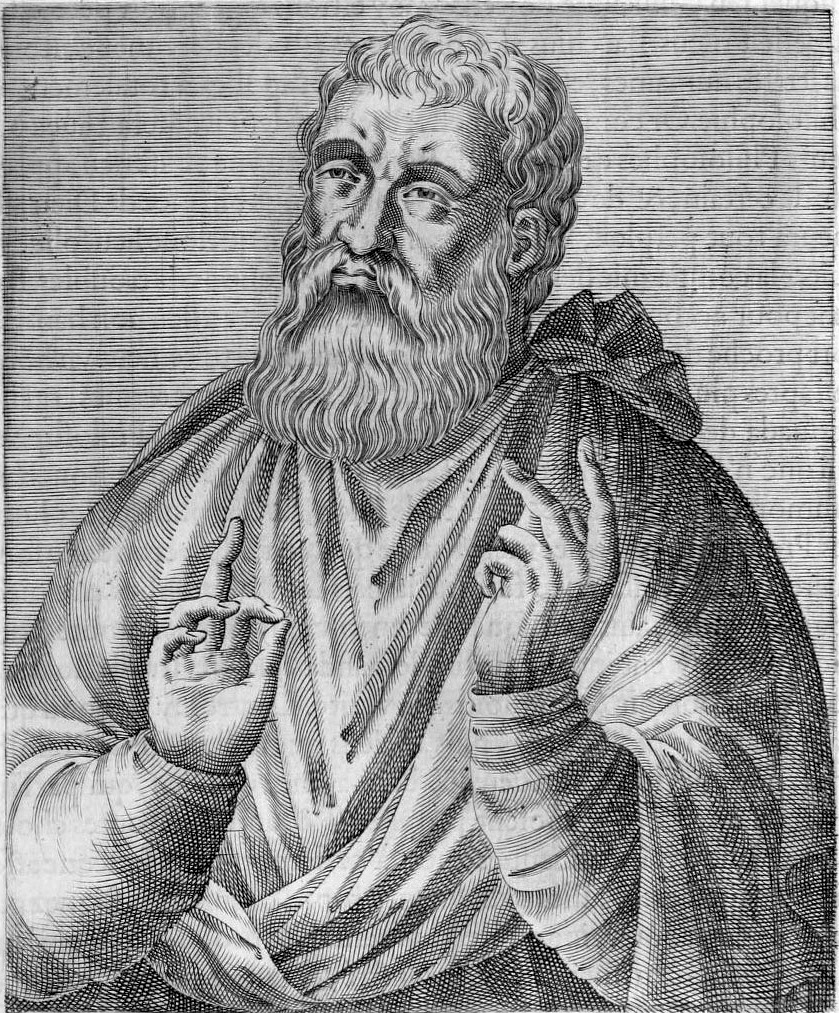
Justus and Justin were borne by several early Christian saints, including Justin Marytr, a 2nd century Christian philosopher who was beheaded for his faith. It was also borne by a 3rd century Roman historian and two Byzantine emperors.

In the English speaking world, the name was occasionally used in the Middle Ages, but did not hit big till the late 20th-century. Currently, Justin ranks in as the 45th most popular male name, (2008). His rankings in other countries are as follows:

  • # 94 (Australia, 2008)
  • # 40 (the Netherlands, 2009)
  • # 32 (Canada, B.C., 2008)

Other forms of the name include:

  • Justini (Albanian)
  • Jostin Юстин (Bulgarian)
  • Justí (Catalan)
  • Yestin (Cornish)
  • Justin Јустин (Croatian/Czech/English/Dutch/French/German/Serbian/Slovene)
  • Justinus (Danish/Dutch/English/German/Norwegian/Swedish)
  • Justinian (English)
  • Xustino (Galician)
  • Ioustinos Ιουστίνος (Greek)
  • Jusztin (Hungarian)
  • Jusztinosz (Hungarian)
  • Yustinus (Indonesian)
  • Giustiniano (Italian)
  • Giustino (Italian)
  • Iustinius/Iustinus (Latin)
  • Justinas (Lithuanian)
  • Ġustinu (Maltese)
  • Justyn (Polish)
  • Justino (Portuguese/Spanish)
  • Iustin (Romanian)
  • Yustin Иустин (Russian)
  • Giustinu (Sardinian/Sicilian)
  • Iestyn (Welsh)

Other forms of Justus include:

  • Justus (Danish/Dutch/Finnish/English/German/Norwegian/Swedish)
  • Joos/Joost (Dutch)
  • Juust (Dutch)
  • Juste (French)
  • Jusztusz (Hungarian)
  • Giusto (Italian)
  • Iustus (Latin)
  • Justas (Lithuanian)
  • Just (Polish)

Its French feminine form has received some usage in the English speaking world. In French literature, the name is borne by the protagonist of the Marquis de Sade’s novel of the same name, (1791), which was banned in France when it was first published.

In early Christian Church history, the name was borne by a saint and martyr, considered the patron saint of Padua and attributed as being a disciple of the Apostle Peter in life.

In 2006, Justine was the 37th most  popular female name in France.

Other feminine forms include:

  • Justina (Czech/English/German/Latvian/Lithuanian/Portuguese/Slovene/Spanish)
  • Justýna (Czech)
  • Justine (English/French)
  • Justiina (Finnish)
  • Jusztina (Hungarian)
  • Giusta/Giustina (Italian)
  • Iustina (Latin)
  • Justa (Polish)
  • Justyna (Polish: a common diminutive is Justynka)
  • Justína (Slovak)
  • Ustinya/Yustina Устинья (Russian)

The designated name-days are: March 12 (France), June 1 (France) and June 16 (Latvia).

The name is currently borne by pop singer, Justin Timberlake (b.1978) and American actress, Justine Bateman (b.1966).

Sources

  1. Ladó János, Bíró ÁgnesMagyar utónévkönyv. Budapest: Vince Kiadó.(2005)
  2. http://www.askoxford.com/firstnames/justin?view=uk
  3. http://www.askoxford.com/firstnames/justina?view=uk
  4. http://www.askoxford.com/firstnames/justine?view=uk
  5. http://www.behindthename.com/php/related.php?name=justine

Samuel

Gender: Masculine
Origin: Hebrew
Meaning: “God has heard.”
Eng (SAM-yoo-el)

The name is derived from the Hebrew שְׁמוּאֵל (Shemu’el) meaning, “God has heard.”

According to 1 Samuel 1:20, Hannah gave her son the name of Samuel in reference to when she had asked God for a son and God had heard her request.

Samuel was the last of the Hebrew Judges and the first of the Hebrew prophets and he also anointed the first two kings of Israel: Saul and David.

The name was always popular among Jews, but did not become prevalent in the English-speaking world until after the Protestant Reformation. The name was especially common among the Puritans of the 17th-century.

Currently, Samuel is the 28th most popular male name in the United States, (2008). In other countries, his rankings are as follows:

  • # 9 Samvel (Armenia, 2008)
  • # 13 (Australia, 2008)
  • # 42 (Belgium, 2006)
  • # 20 (Canada, B.C., 2008)
  • # 88 (Chile, 2006)
  • # 11 (England/Wales, 2008)
  • # 47 (France, 2006)
  • # 98 (the Netherlands, 2009)
  • # 95 (Norway, 2009)
  • # 39 (Scotland, 2009)
  • # 59 (Sweden, 2009)

Other forms of the name include:

  • Samvel (Armenian)
  • Samel (Basque)
  • Samoyla/Samuil Самуил (Bulgarian/Russian/Ukrainian)
  • Samuel (Czech/Dutch/English/French/German/Polish/Portuguese/Scandinavian/Slovak/Spanish)
  • Samuël (Dutch)
  • Samuli (Finnish)
  • Samouel Σαμουηλ (Greek: Biblical)
  • Shemu’el שְׁמוּאֵל (Hebrew: Biblical)
  • Shmuel שְׁמוּאֵל (Hebrew: Modern)
  • Sámuel (Hungarian)
  • Samúel (Icelandic)
  • Samuele (Italian)
  • Samweli (Kiswahili)
  • Samuels (Latvian)
  • Samuelis (Lithuanian)
  • Szmuel (Polish-Hebrew: a Polish transliteration of the modern Hebrew form, used primarily among Polish Jews)
  • Samuilu Самѹилъ (Old Church Slavonic)
  • Samuil (Romanian)
  • Samuèli (Sardinian)
  • Sawyl (Welsh)
  • Shem (Yiddish)
  • Schmuel (Yiddish)

Common English/German short forms are Sam and Sammy.

Czech short forms are: Samo, Samko, Samik , Samenko and Saminko.

A Polish diminutive is Samek.

A Hungarian and Finnish short form is Samu.

An Italian feminine form is Samuela and an obscure Norwegian feminine form is Samueline.

Designated name-days are: February 16 (Germany), August 20 (France/Poland), August 26 (Slovakia) and September 1 (Czech Republic and Sweden).

Sources

  1. http://www.panorama.am/en/society/2008/02/02/name/
  2. http://www.mechon-mamre.org/p/pt/pt08a01.htm#20
  3. http://www.askoxford.com/firstnames/samuel?view=uk
  4. http://www.behindthename.com/php/find.php?name=samuel
  5. Atikian, Martha Bilezikian. Armenians’ Names (Martha Bilezikian Atikian, 1973)
  6. Hoffman, William F. and George W. Helon. First Names of the Polish Commonwealth: Origins & Meanings. (Polish Genealogical Society of America, 1998)

Christian

Gender: Masculine
Origin: Latin
Meaning: “anointed one; Christian.”

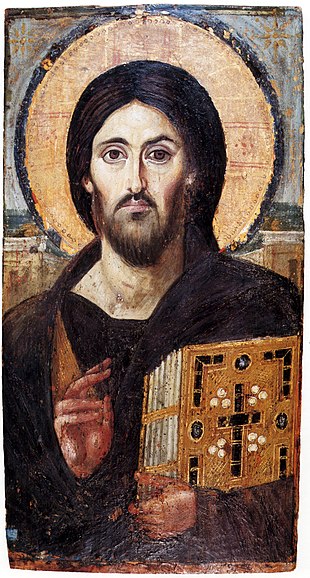
Christian is derived from the Latin, Christianus, which literally means, “anointed one” but in actuality was used to describe one of the Christian faith.

In the English speaking world, the name has been in usage since the Middle Ages, but has been consistently popular in the Germanic countries, most probably due to a few Danish kings who bore the name.

It was also the second name of Danish children’s author, Hans Christian Anderson (1805-1875).

Originally, in English, Christian was occasionally used as an anglicized feminine form of the Latin name, Christiana. Christian fell out of usage as a female name and resurged as a masculine English name around the 17th-century.

As of 2008, Christian stood as the 23rd most popular male name in the United States. His rankings in other countries are as follows:

  • # 45 (Australia, 2008)
  • # 5 (Bulgaria, 2008)
  • # 100 (Canada, B.C., 2008)
  • # 93 (Chile, 2006)
  • # 44 (Czech Republic, 2009)
  • # 15 (Denmark, 2009)
  • # 4 (Faroe Islands, 2008)
  • # 5 (Estonia, 2007)
  • # 89 (Germany, 2009)
  • # 29 (Hungary, 2008)
  • # 9 (Iceland, 2004-2007)
  • # 88 (Ireland, 2008)
  • # 196 (the Netherlands, 2008)
  • # 49 (Norway, 2009)

Other forms of the name include:

  • Christiaan (Afrikaans/Dutch)
  • Kristian (Albanian/Danish/Estonian/Norwegian/Swedish)
  • Kristo (Albanian)
  • Christo (Bulgarian)
  • Kristijan Кристијан (Croatian/Serbian)
  • Kristián (Czech/Slovak)
  • Carsten/Karsten/Kerstan/Kersten (Danish/Dutch/Frisian/Norwegian)
  • Christian (Danish/Dutch/English/French/German/Norwegian/Swedish)
  • Kresten (Danish)
  • Kristen (Danish/Norwegian/Swedish)
  • Kristjan (Danish)
  • Chrétien (French: archaic form)
  • Coerst (Frisian)
  • Críosdaidh (Gaelic)
  • Chrístos Χρίστος (Greek: modern)
  • Keresztély (Hungarian)
  • Keresztes (Hungarian)
  • Krisztián (Hungarian)
  • Kristján (Icelandic)
  • Cristiano (Italian/Portuguese)
  • Christianus (Latin)
  • Krišjānis (Latvian)
  • Chriet (Limburgish)
  • Kristijonas/Krizas/Krišcius (Lithuanian)
  • Creestee (Manx)
  • Crestian (Occitanian)
  • Krystian/Chrystian (Polish)
  • Krystyn (Polish: obscure)
  • Crétin (Provençal)
  • Cristian (Romanian/Italian/Galician)
  • Kristjan (Slovene)
  • Cristián (Spanish)
  • Christer/Krister (Swedish)

Swiss German diminutive forms are: Chrigel, Hitsch, Chrigi and Chrigu.

Bavarian diminutives are: Chris, Chrissi and Chrischan.

A Romanian diminutive is Cristi.

Christina and Christine are usually the default feminine forms.

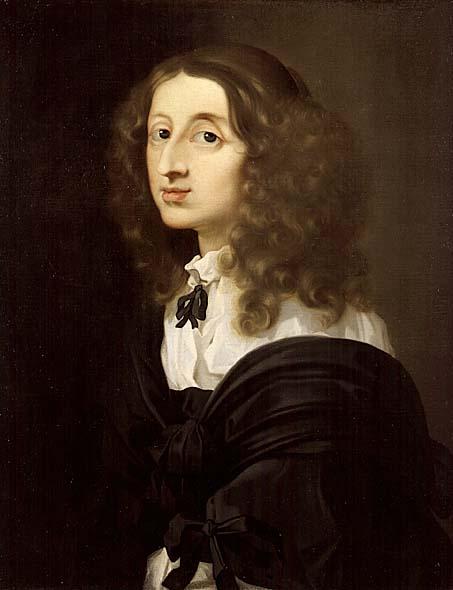
Christina and Christine have been in usage on the continent since at least the Middle Ages. Their popularity may be due to an early Christian saint and martyr of Syria. However, one of its most notable bearers was Queen Christina of Sweden.

Currently, Christina stands as the 20oth most popular female name in the United States, (2008). The highest she has ranked was in 1985, coming in as the 12th most popular female name. Its French counterpart of Christine, currently comes in as the 589th most popular female name, (2008), but at one time stood as the 14th most popular female name between 1967 and 1970.

Her popularity in other countries are as follows:

  • 9 (Czech Republic, 2009)
  • # 127 (Germany, 2009)
  • # 50 (Hungary, 2008)

Her Scandinavian forms of Kristin and Kirsten have been prevalent in the United States since the 1980s. Currently, Kirsten stood as the 567th most popular female name, (2008), while Kristin came in as the 883rd most popular female name, (2008), but once came in as the 31st most popular female name, back in 1981.

Other feminine forms include:

  • Kristina Кристина (Arabic/Bulgarian/Croatian/Czech/German/Lithuanian/Russian/Scandinavian/Serbian/Slovene
  • Crestina (Aragonese)
  • Kistiñe (Basque)
  • Christel (Bavarian: initially a diminutive form, but now used as an independent given name)
  • Hristina Христина (Bulgarian)
  • Cristina (Catalan/Corsican/Galician/Italian/Portuguese/Romanian/Spanish)
  • Kristýna (Czech)
  • Christa (Danish/English/German)
  • Kirstine (Danish)
  • Stina (Danish/Norwegian/Swedish)
  • Stine (Danish/Norwegian)
  • Tine (Danish/Norwegian)
  • Tineke (Dutch)
  • Stien (Dutch/Limburgish)
  • Christiana (English/Latin)
  • Tina (English/German/Italian/Scandinavian)
  • Kristiina (Estonian/Finnish)
  • Kirsi (Finnish)
  • Kirsti (Finnish)
  • Stiina (Finnish)
  • Tiina (Finnish)
  • Christelle (French)
  • Chrétienne (French: archaic)
  • Christiane (French/German)
  • Christine (French)
  • Christin/Kristin (German/Scandinavian)
  • Krista (German/Swedish)
  • Christína Χριστίνα (Greek)
  • Kilikina (Hawaiian)
  • Kriszta (Hungarian)
  • Krisztiána (Hungarian)
  • Krisztina (Hungarian)
  • Kristín (Icelandic)
  • Kristjana (Icelandic)
  • Cristiana (Italian/Portuguese)
  • Kristiana (Latvian)
  • Krystiana (Polish)
  • Krystyna (Polish)
  • Kjerstin (Norwegian)
  • Kjersti (Norwegian)
  • Cristìna (Sardinian)
  • Cairistìona (Scottish)
  • Kirsteen (Scottish)
  • Kirstie (Scottish)
  • Kirstin (Scottish)
  • Kristína (Slovak)
  • Kerstin (Swedish)
  • Crystin (Welsh)

English and German diminutives are: Chris, Christy, Chrissy and Tina.

French diminutives are: Chris, Chrisette and Titine.

A common Italian and Spanish compound form is Maria Cristina.

Designated name-days are: July 24 (Greece), November 12 (France), December 25 (Greece).

Bridget

Gender: Feminine
Origin: Celtic
Meaning: debated
(BRID-jet)

Bridget is an anglicization of the Irish Gaelic Brighid, which is of somewhat debated meaning. One theory is that it is derived from the Gaelic brígh, meaning, “power, strength, vigor, virtue.”

Another theory put out by Gods and Fighting Men (1904), translated by Lady Augusta Gregory, is that it is from the Gaelic breo-saighit meaning, “fiery arrow.”

Other sources have suggested it to mean “exalted one.”

In Celtic mythology, this was the name of an extremely important and powerful goddess.

According to the medieval Irish anthology, Lebor Gabála Érenn, Bridget was a goddess of poetry and was the daughter of Dagda. She was also associated with fire, wisdom and anything with an elevated status, whether it be a high mountain top, or someone of high social status.

The name was also borne by an early Irish saint, whose story and legend often melds with that of the ancient goddess. St. Bridget of Kildare was believed to have been a nun and one of the first converts under St. Patrick.

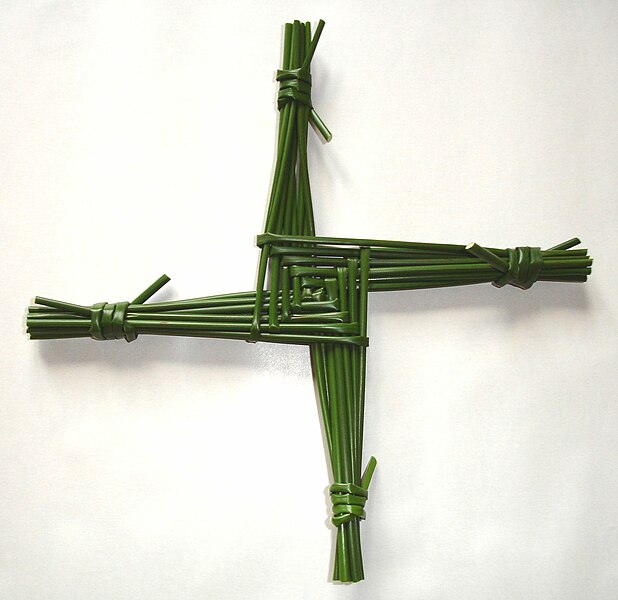
The St. Bridget’s Cross is often attributed to her, according to legend, she came upon a dying non- Christian man, in an effort to convert him to the new religion, she made a cross from the reeds that were beside him. That is all that is known of the origins of the St. Bridget’s Cross, but traditionally, a new one is made each year, on the feast of St. Bridget, (Feb. 1) while the old one is burned.

The feast of St. Bridget, which in some calenders falls on the 1st or 2nd of February,was originally one of the major festivals of the Celtic calender, known as Imbolc, it marked the first days of spring.

The name Bridget spread outside the Celtic world to the Germanic countries, it was popularized in Scandinavia by St. Bridget of Sweden, a Swedish noblewoman, mystic and founder of the Bridgettine order of nuns. She was also the mother of St. Katherine of Vadstena.

Between the 18th and 19th-centuries, when Irish immigrants first settled in the United States, the name was so common among the Irish, that Bridget or its diminutive form of Biddy became a slang term for any Irish woman.

Currently, Bridget 394th most popular female name in the United States, 2008. Its cognate of Brigitta is currently the 88th most popular female name in Hungary, (2008).

Other forms of the name include:

  • Brigit (Asturian/Scottish)
  • Birkide/Birxita (Basque: beer-KEE-de, beer-SHEE-tah)
  • Brec’hed (Breton: modern)
  • Brigantis (Breton: ancient)
  • Brigita Бригита (Bulgarian/Croatian/Czech/Latvian/Lithuanian/Romanian/Slovak/Slovene)
  • Brígida (Catalan/Portuguese/Spanish)
  • Brigantia (Celtic)
  • Berit (Danish/Norwegian: BEH-reet)
  • Birgit (Danish/Norwegian/Swedish: BEER-geet)
  • Birgitta (Danish/Dutch/Estonian/Finnish/German/Icelandic/Lithuanian: beer-GEET-tah)
  • Birgitte (Danish/German: beer-GEET-te)
  • Birte/Birthe (Danish/Norwegian: BEER-te)
  • Gitte (Danish: originally a diminutive form, used as an independent given name: GEET-te)
  • Bridget (English/German)
  • Pirjo (Finnish: PEER-yo)
  • Pirkko (Finnish” PEERK-ko)
  • Piritta (Finnish: PEE-reet-tah)
  • Priitta (Finnish: PREET-tah)
  • Brigitte (French: bree-ZHEET)
  • Bríxida (Galician: BREE-shee-dah)
  • Berecyntia (Gaulic)
  • Brigindo/Brigandu (Gaulic)
  • Birgid (German: BEER-geet)
  • Brida (German: obscure)
  • Brigida (German/Sardinian: bree-GEE-dah)
  • Brigitta (German/Hungarian)
  • Bríd (Irish-Gaelic: BREED)
  • Brídín (Irish-Gaelic: brid-EEN)
  • Brighid/Brigid (Irish-Gaelic)
  • Bedelia (Irish)
  • Bride (Irish: BRIDE or BREED)
  • Brigidine (Irish)
  • Brigida (Italian: BREEJ-ee-dah)
  • Brigidina (Italian: obscure)
  • Briej (Limburgish)
  • Brede (Manx)
  • Breesha (Manx)
  • Breeshey (Manx)
  • Breda (Norwegian: BREH-dah)
  • Brita/Britta/Brit/Britt (Norwegian/Swedish: BREE-tah, BRIT-tah, BRITT)
  • Bryda (Polish)
  • Brygida (Polish: brih-GEE-dah)
  • Braida/Brida (Romansch)
  • Brìghde/Brìde (Scots-Gaelic)
  • Gittan (Swedish: originally a diminutive form, used as an independent given name: GEET-tahn)
  • Ffraid (Welsh: FRAID)

A Swiss German diminutive form is Brigittli. German short forms are: Biggi, Briggi, Gitte, Gitti and Gittl.

Irish and English diminutives are: Biddy, Bride, Bree, Brie, Bridie and Bridge.

Mary, Maria, Miriam

Mary and its various forms has to be one of the quintessential, classic female names of all time, she has been used in Protestant England in the form of Mary, in the Islamic world as Maryam, in Jewish communities in the form of Miriam and in the Catholic world as Maria, Marie or Mary.

In the United States, she has never quite detracted from the top 100, if Mary is not in fashion then it is usually one of her other forms that may take her place, such as Molly, Mariah, Maria or Mia, all depending on the flavor of the day.

Currently, Mary is the 97th most popular female name in the United States, (2008). Mary’s rankings in other countries are as follows:

  • # 7 (Armenia, 2008)
  • # 57 (Ireland, 2007)

Its French form of Marie is popular outside the Hexagon, she currently ranks in as the 546th most popular female name in the United States, but in other countries, she appears in the top 10. Her rankings are as follows:

  • # 9 (Armenian, 2008)
  • # 4 (Belgium, 2008)
  • # 17 (Czech Republic, 2008)
  • # 24 (Denmark, 2008)
  • # 20 (France, 2009)
  • # 9 (Germany, 2009)
  • # 270 (the Netherlands, 2008)

The continental form of Maria is extremely popular across Europe and Latin America, her rankings in other countries are as follows:

  • # 4 (Argentina, 2009)
  • # 8 (Basque Country, Spain, 2008)
  • # 3 (Belarus, 2005)
  • # 3 (Bulgaria, 2008)
  • # 89 (Canada, B.C., 2008)
  • # 6 (Catalonia, Spain, 2008)
  • # 8 (Chile, 2008)
  • # 91 (England/Wales, 2008)
  • # 6 (Estonia, 2007)
  • # 4 (Faroe Islands, 2008)
  • # 59 (Germany, 2009)
  • # 1 (Greece, 2004)
  • # 90 (Hungary, 2008)
  • # 5 (Iceland, 2004-2007)
  • # 49 (Ireland, 2008)
  • # 1 (Israel, among Christian girls, 2004)
  • # 9 Marija (Latvia, 2005)
  • # 1 Marija (Macedonia, 2006)
  • # 1 (Malta, 2008)
  • # 39 (the Netherlands, 2008)
  • # 14 (Norway, 2008)
  • # 17 (Poland, 2009)
  • # 1 (Portugal, 2008)
  • # 2 (Romania, 2008)
  • # 2 (Russia, 2007)
  • # 99 (Scotland, 2008)
  • # 1 (Slovakia, 2004)
  • # 2 (Spain, 2008)
  • # 96 (Sweden, 2008)
  • # 7 (Ukraine, 2009)
  • # 64 (United States, 2008)

Her diminutive offshoot of Mia, has also been quite trendy the last 10 years, as of 2008, she was the 14th most popular female name in the United States. In other countries, her rankings are as follows:

  • # 1 (Australia, 2008)
  • # 25 (Canada, B.C., 2008)
  • # 44 (Chile, 2006)
  • # 11 (England/Wales, 2008)
  • # 1 (Germany, 2009)
  • # 23 (Ireland, 2008)
  • # 5 (Isle of Man, 2009)
  • # 350 (the Netherlands, 2008)
  • # 24 (New Zealand, 2009)
  • # 12 (Norway, 2008)
  • # 26 (Scotland, 2008)
  • # 46 (Slovenia, 2005)
  • # 3 (Switzerland, among Romansch-speakers, 2008)

Another common diminutive offshoot, is Molly, which is mostly used in the English speaking world, but has also shifted over to some of the Scandinavian countries. Her rankings in other countries are as follows:

  • # 57 (Australia, 2007)
  • # 84 (Canada, B.C., 2008)
  • # 32 (England/Wales, 2008)
  • # 25 (Ireland, 2008)
  • # 33 (New Zealand, 2009)
  • # 39 (Scotland, 2008)
  • # 11 (Sweden, 2008)
  • # 104 (United States, 2008)

Miriam is another common choice which is popular throughout Europe and the Middle East. Her rankings are as follows:

  • # 1 Mariam (Georgia, 2008)
  • # 6 Maryam (Iran, 2007)
  • # 4 Maryam (Israel, among Muslim girls, 2004)
  • # 6 Maryam (Pakistan)
  • # 48 Miriam (Spain, 2008)
  • # 1 Mariam (Tunisia, 2005)
  • # 309 Miriam (United States, 2008)

As for its meaning and derivation, though the its origins can be traced back to the Bible, its lingustic and etymological meaning has long been debated. Many hypothesis include that the name could be a derivative of the Hebrew meri, ‘rebel’ related to the Hebrew verb MRH, mara or Marah which means’ to be “rebellious.” Or that it is related to the Hebrew word מרא (MRA, mara) which means ‘well-fed’, something which would have been considered a comely attribute in Biblical times.

One of the most popular etymological theories is its association with the Hebrew מר (MR, mar), meaning. “bitter” or “bitterness, and another very well established hypothesis suggests that it is from an Egyptian source, mry “beloved” or mr meaning “love.”

Other possible theories include:

That is it a combination of the Hebrew words מר (MR, mar), meaning “bitter” or the Hebrew (mar) meaning, “drop”; or (mor) meaning, “myrrh” or ” (mari ) meaning “mistress’.

The name is borne by several female characters in both the Old and New Testament.

Among Jews, the name was originally used in honour of the sister of Aaron, Miriam the Prophetess.

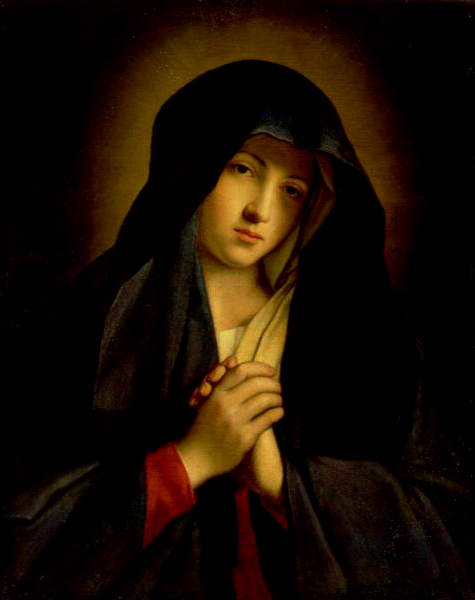
Among Muslims and Christians, (particularly Catholics and Eastern Orthodox), the name is usually used in honour of the Virgin Mary, the mother of Jesus.

However, in certain eras and cultures, Mary or Maria was considered too sacred of a name to use on a child, and in other cultures, the name Maria is so honorable to have, that it is even bestowed upon males, usually in conjunction with a male name or as a middle name. This is especially so in Spanish-speaking countries, French speaking countries and occasionally done in other predominate Catholic countries such as Ireland, Poland and in Bavaria, Germany.

The name has made is presence known in British royalty as well as in the continental ruling houses. Other forms are as follows:

Latinate Forms
Forms used in Latin-based languages

  • Marieta (Catalan: originally a diminutive form, used as an independent given name in Spanish-speaking countries)
  • Miryam (Catalan: archaic form from the 13th-century)
  • Maria (Corsican/Italian/Occitanian/Portuguese/Romanian/Romansch/Latin)
  • Manon (French: originally a diminutive form of Marie, the name has been used as an independent given name for centuries. In fact, it currently ranks in as the 7th most popular female name in Belgium (2006), the 4th most popular female name in France (2006), and the 184th most popular female name in the Netherlands (2008). Pronunciation can be heard here: http://www.forvo.com/search/Manon/)
  • Marie (French: she is one of the most popular middle names in the English speaking world. In French, this form is bestowed on males in conjunction with other male names or as a middle name. There are several common French female names used in conjunction with Marie, as well. Those of which, I will save for future postings).
  • Marielle (French: originally a diminutive form of Marie, now used exclusively as an independent given name)
  • Mariette (French: a diminutive form of Marie, occasionally used as an independent given name, now considered dated in French-speaking countries).
  • Mariolle(French: obscure, very old diminutive form of Marie, the inspiration of the Polish offshoot, Mariola).
  • Marion (French: a medieval French diminutive form of Marie, now exclusively used as an independent given name, the name was borne in legend by the love interest of Robin Hood, Maid Marion, and is borne by French actress, Marion Cotillard. In France, it is the 59th most popular female name (2006)
  • Myriam (French: form of the Biblical, Miriam, she ranks in as the 95th most popular female name in France (2006)
  • Mariella (Italian: originally a diminutive form of Maria, now exclusively used as an independent given name)
  • Marietta (Italian: a diminutive form of Maria, occasionally used as an independent given name).
  • Marigia (Italian: obscure)
  • Mariuzza/Maruzziella (Italian: obscure)
  • Mariana (Portuguese: Mariana is usually considered a name of a seperate etymology, but is used in Portuguese and Spanish as a form of Miriam. She is the 73rd most popular female name in Chile, 2006).
  • María (Spanish/Galician).
  • Marita (Spanish: a diminutive form of Maria, now often used as an independent given name)
  • Maritza (Spanish: a Latin American spin-off of Maria, originally a diminutive form, now a trendy given name, especially among Mexican-Americans, she is currently the 560th most popular female name in the United States).
  • Mareye (Walon)

An Italian diminutive form is Mimi. A Portuguese diminutive form is Mariazinha.

Masculine forms are:

  • Mari (Catalan)
  • Mariu (Corsican)
  • Mario (Italian/Galician)
  • Marius (Latin/French/Romanian)
  • Mário (Portuguese)

Germanic Forms
Forms used in Germanic-speaking countries

  • Maiken/Majken (Danish/Norwegian/Swedish: originally a diminutive form of Maria, now used exclusively as an independent given name).
  • Maria (Danish/Dutch/English/Faroese/Frisian/German/Norwegian/Swedish)
  • Marie (Danish/German/Norwegian/Swedish: a borrowing from the French)
  • Mari (Danish)
  • Maaike/Maike (Dutch/Frisian/German: originally a diminutive form, used exclusively as an independent given name. In 2008, it was the 98th most popular female name in the Netherlands)
  • Marieke(Dutch: originally a diminutive form, now exclusively used as an independent given name. In 2008, it was the 188th most popular female name in the Netherlands)
  • Marijke (Dutch: mah-RYE-keh)
  • Marike (Dutch: originally a diminutive form of Maria, now used exclusively as an independent given name, pronounced mah-REE-keh)
  • Marja (Dutch/Faroese/Gothic/Limburgish: MAHR-yah).
  • Meike (Dutch/German: originally a diminutive form, now used as an independent given name, it was the 53rd most popular female name in the Netherlands of 2008.)
  • Mia (Dutch/German/English/Scandinavian: originally a diminutive form, now used as an independent given name)
  • Mieke (Dutch/Limburgish: originally a diminutive form, used exclusively as an independent given name MEE-keh)
  • Miep(Dutch: a diminutive form, but occasionally used as an independent given name MEEP).
  • Miet (Dutch: originally a diminutive form, occasionally used as an independent given name MEET).
  • Mirjam (Dutch/German/Swedish: form of the Biblical Miriam).
  • Mariel (English: just an anglicized form of the French, Marielle).
  • Mariota (English: archaic, form used in the 13th-century)
  • Mary (English)
  • Molly/Mollie (English: originally a diminutive form, now used more often as an independent given name)
  • Polly (English: originally a diminutive form, now used more often as an independent given name)
  • Marý(Faroese)
  • Mareike (Frisian/German: originally a diminutive form of Maria, now used exclusively as an independent given name)
  • Maja (German/Scandinavian: originally a diminutive form of Maria, used exclusively as an independent given name. It is the 2nd most popular female name in Sweden, (2008)
  • Mariele(German: originally diminutive form of Maria, used exclusively as an independent given name, pronounced mah-REE-leh).
  • Miriam(German/English: Biblical form, often used in German and English speaking countries)
  • Mitzi (German/English: not really used as an independent given name in German speaking countries, but experienced a short usage of popularity as an independent given name in the United States).
  • Ria(German/Dutch: originally diminutive forms, occasionally used as independent given names)
  • Mæja (Icelandic: originally a diminutive form of Maria, used exclusively as an independent given name)
  • María(Icelandic)
  • Mies (Limburgish: diminutive form of Maria, used as an independent given name in the Netherlands. MEES)
  • Mathie (Normand: mah-TEE)
  • My(Swedish: originally a diminutive form of Maria, now used as an independent given name MEE. In 2007, it was the 79th most popular female name in Sweden).
  • Mirele מִירֶעל(Yiddish: a form of Miriam. MEER-eh-leh)

Common English diminutives include May, Mayme, Mare, Mia, Molle, Molly, Moll and Polly, German diminutive forms are Mariechen and Mitzi.

Masculine forms include:

  • Marius (Dutch/German/English/Norwegian/Swedish)
  • Marjus (Faroese)
  • Maríus (Icelandic)

Baltic Forms
Variations used in Baltic countries.

  • Maaja (Estonian)
  • Maare/Maari (Estonian)
  • Maarika (Estonian/Finnish)
  • Maaria/Maarja (Estonian)
  • Maie/Maiu (Estonian: initially diminutive forms, now used as independent given names, MY-eh, MY-oo)
  • Maila/Maili/Mailu (Estonian: Maili is pronounced somewhat like Miley)
  • Mari (Estonian/Finnish)
  • Marjam (Estonian)
  • Marje/Marjen (Estonian)
  • Marjette (Estonian)
  • Mary (Estonian)
  • Maija/Maiju (Finnish)
  • Maikki (Finnish: a Finnicized form of the Sweden and Danish Majken, pronounced somewhat like Mikey)
  • Maaria/Maria (Finnish)
  • Marika (Finnish)
  • Maritta (Finnish)
  • Marjatta (Finnish: can also mean “without a berry” in Finnish, and is the name of a character in the Kalevala, but is often used as a variation of Maria; also used in Estonia)
  • Marjo (Finnish)
  • Marjukka (Finnish)
  • Marjut (Finnish)
  • Miia (Finnish)
  • Mirja (Finnish: translation of Miriam)
  • Mirjam/Mirjami (Finnish)
  • Maija (Latvian)
  • Maila (Latvian: MY-lah)
  • Mairita/Mairīta/Mairīte (Latvian)
  • Mairuta (Latvian)
  • Mare (Latvian: final E is pronounced)
  • Mareka (Latvian)
  • Mareta/Māreta (Latvian)
  • Marī (Latvian)
  • Mārica (Latvian)
  • Mariela (Latvian)
  • Mārieta (Latvian)
  • Marija (Latvian/Lithuanian)
  • Mārika (Latvian)
  • Marite/Mārita/Mārīte/Marīte (Latvian)
  • Marjama (Latvian)
  • Maruta/Māruta/Marute (Latvian)
  • Mare (Lithuanian)
  • Maryte (Lithuanian)

Masculine forms are:

  • Maarius/Mairo/Mario (Estonian)
  • Marijus/Marius (Lithuanian)

Slavic Forms
Forms used in Slavic countries

  • Merjem (Bosnian)
  • Mirjana (Bosnian/Croatian/Serbian/Slovene: translation of Miriam)
  • Mariya (Bulgarian/Russian/Ukrainian)
  • Marija (Croatian/Macedonian/Serbian/Slovene)
  • Marie (Czech: MAHR-yeh)
  • Maria (Polish)
  • Marieta (Polish)
  • Mariola (Polish: mahr-YOLE-ah)
  • Marita (Polish)
  • Maryla (Polish: mah-RIH-lah)
  • Marzena (Polish: not really etymologically related, but has had a historical usage as a variation of Maria in Poland. The name is actually the name of an ancient Polish goddess and it may be linked with the either Polish word for “hope; dream” or with the Old Slavonic word for “death.” mahr-ZHEH-nah, diminutive form is Marzenka).
  • Mária (Slovakian)
  • Marika (Slovakian)
  • Marica (Slovene: initially a diminutive form, used as an independent given name in Slovenia, but is also used as a diminutive form in Bosnian, Croatian, Serbian, Czech and Slovakian, mah-REET-sah).
  • Mojca (Slovene: initially a diminutive form, now used exclusively as an independent given name in Slovenia. MOY-tsah)
  • Marya Марья (Russian)

Czech and Slovak diminutive forms are: Mája, MáňaMaruška and Maryška. Serbian and Slovene diminutives are Maša. Russian diminutives are Manya, Masha, Mashenka and Mashka. Polish diminutives are MasiaMarysia (mah-RISH-ah) and Maryska.

Masculine forms are:

  • Marian (Polish)
  • Mariusz (Polish)
  • Marij/Mario (Slovene)

Celtic Forms
Forms used in Celtic Languages

  • Mari (Breton)
  • Mallaidh (Irish-Gaelic: translation of Molly)
  • Maira/Máire (Irish-Gaelic)
  • Mairenn/Máirín (Irish-Gaelic)
  • Muire (Irish-Gaelic)
  • Mariod/Mariot (Manx)
  • Moirrey/Voirrey (Manx)
  • Màiri (Scotch-Gaelic)
  • Mhari (Scotch-Gaelic)
  • Mhairi/Mhairie (Scotch-Gaelic)
  • Moire (Scotch-Gaelic)
  • Mair (Welsh)

Other Forms
Forms used in other languages not listed in the above

  • Maria (Albanian/Kiswahili)
  • Maryam مريم (Arabic)
  • Mariam (Armenian)
  • Məryəm (Azeri)
  • Maia (Basque)
  • Miren (Basque)
  • Mariam (Coptic/Egyptian)
  • Mariami (Georgian)
  • Maria Μαρία (Greek: Modern)
  • Maroula/Roula (Greek: Modern: initially diminutive forms)
  • Malia (Hawaiian/Zuni)
  • Mária (Hungarian)
  • Maria (Indonesian)
  • Meryem (Kurdish/Turkish)
  • Mariam/Mariamma/Mariamme (Malayalam)
  • Marija (Maltese)
  • Mere (Maori)
  • Miriama (Maori)

The name has several name-days.

Christopher

Gender: Masculine
Origin: Greek
Meaning: “Christ-bearer.”
(KRIS-te-FER)

A popular male name throughout the Christian world, it is derived from the Greek Χριστόφορος, which is composed of the elements, χριστός (khristós), meaning, “anointed one” or in this case, just “Christ” and φέρειν (phérein), meaning, “to carry.”

The name caught on in the early Middle Ages after the legends of a Saint of the same name became a widespread cult, according to the legend, the name was borne by a giant who carried the Christ child across a river. He is considered the patron saint of travellers and is still revered as a popular saint in both the Eastern Churches and the Roman Catholic Church.

As of 2008, Christopher was the 9th most popular male name in the United States. Between 1979-1994, he was the 2nd most popular male name. The lowest he has ranked in U.S. naming history was in 1931, when he came in as the 360th most popular male name.

The name has always been quite common in Central and Northern Europe.

His rankings in other countries are as follows:

  • # 53 (Australia, 2007)
  • # 65 (Canada, B.C., 2008)
  • # 94 (England/Wales, 2008)
  • # 155 (Germany, 2009)
  • # 61 (Ireland, 2007)
  • # 18 (Poland, Warsaw, 2009)
  • # 52 (Scotland, 2008)
  • # 99 (Sweden, 2008)

Other forms include:

  • Kristofor (Albanian)
  • Krystafer كريستوفر (Arabic: used among Middle Eastern Christian)
  • Khrystafor Хрыстафор (Belarusian)
  • Kristof (Breton)
  • Khristofor/Hristofor Христофор (Bulgarian)
  • Cristòfol (Catalan)
  • Cristofanu (Corsican)
  • Kristofor (Croatian)
  • Kryštof (Czech)
  • Christoffer/Christopher/Kristoffer (Danish)
  • Christoffel/Christoforus (Dutch)
  • Christophe (Dutch/French)
  • Christof/Kristof (Estonian)
  • Tohver/Tohvri (Estonian)
  • Kristofer/Risto (Finnish)
  • Christoph/Christof (German)
  • Khristóphoros Χριστόφορος (Greek: Modern)
  • Kristóf/Krisztofer (Hungarian)
  • Kristófer (Icelandic)
  • Críostóir (Irish-Gaelic)
  • Cristofaro/Cristofero (Italian)
  • Cristofalo/Cristofolo (Italian)
  • Cristofano (Italian)
  • Cristoforo (Italian: most common form)
  • Christophorus (Latin)
  • Kristaps/Kristofs (Latvian)
  • Kristoforas/Kristupas (Lithuanian)
  • Christopher/Kristoffer (Norwegian)
  • Krzysztof (Polish)
  • Cristóvão (Portuguese)
  • Christof/Christofor (Romanian)
  • Khristofor Христофор (Russian/Serbian/Ukrainian)
  • Cristolu (Sardinian)
  • Kester (Scottish)
  • Krištof (Slovak/Slovene)
  • Kito (Sorbian)
  • Cristóbal (Spanish)
  • Christoffer/Kristoffer (Swedish)
  • Kristof (Turkish)
  • Krishtof Криштоф (Ukrainian)
  • Cristoforo (Venetian)

Common English diminutives are Chip, Chris, Christy, Kip, Kit and Topher.

German diminutives are Stoffel and Stoffi.

Polish diminutives are: Krzysiek, Krzysiu, Krzyś, Krzysio, Krzysiaczek, Krzych and Krzychu.

An Italian feminine form is Cristofora and an obscure French/German feminine form is Christophine. Another obscure feminine form is the Polish, Krzysztofa.

Notable bearers include: Christopher Columbus (1451-1506), three Danish Kings which include Christoffer of Bavaria, English playwright, Christopher Marlowe (1564-1593) and the fictional character, Christopher Robin, of Winnie-the-Pooh books.