Latif is a masculine given-name which comes directly from the Arabic word لَطِيف (gentle; kind; benevolent). In Islam, Al-Latif لطيف, (the Kind; the Benevolent) is one of the 99 names of Allah (God). It’s feminine form is Latifa.
Latif & Latifa are commonly used throughout the Islamic world.
A notable American bearer is actress & singer, Queen Latifah.
The name comes directly from the Arabic word for heart. It is used equally among Arab- Muslims & Christians. Among Christians, particularly Palestinians, Chaldeans and Lebanese Christians who profess Roman Catholicism, it is used in reference to the Sacred Heart of Jesus or the Immaculate Heart of Mary, in the same way the Spanish name Corazónis used in the Spanish-speaking world, though in the Arabic case, the name is strictly masculine.
Among Muslims, the term fu’ad is used at least 5 times in the Quran. The name is used throughout the Islamic world.
It is even used among Non-Arab groups in the Middle East, such as Mizrachi Jews.
The name seems to be of disputed etymology, but is Arabic in origin. It was the name of Rumaysah bint Milhan known as Umm Sulaym, one of the first women to convert to Islam. Her son was Anas ibn Malik who was one of the companions of the Prophet Muhammed.
The name itself seems to have several meanings attached to it, according to QuranicNames.com, it possibly derives from رُمَيْسَة and mean “wind that scatters like dust.” If spelled رُمَيْثَة (transliterated as Rumaithah) it is the name of a place. It may also be linked with the Arabic root R-M-TH, which can mean “increasing.” Another association is that it is a feminine form of the Arabic male name Rams/Ramth meaning, “raft.”
Other sources have listed it as meaning “bouquet,” but I could not verify this information. If anyone has anymore information regarding the etymology of this name, it would be much appreciated.
Romaïssa (hro-MY-sah) is a North African variation that has been very popular in the Maghreb and in the Maghrebi Diaspora.
It’s Turkish form of Rümeysais the 94th most popular female name in Turkey (2019)/
The name is from the Urhobo language meaning, “this is mine.” It is borne by Nigerian hip hop artist, Onome Onokohwomo who goes by the stage name Yung6ix.
The name can be Igbo and mean “father’s jewel,” being composed of the Igbo words ọla (jewel; precious thing) and nna (father). It appears as the name of one of the main characters in the Chimamanda Ngozi Adichie novel, Half of a Yellow Sun (2006).
It is also a Scandinavian feminine form of Ole. Other Scandinavian offshoots are Olanne& Oleanna.
The name comes directly from the Arabic word فردوس (firdaws), meaning “paradise,” which is ultimately from the Avestan pairidaeza “garden; enclosure.” In Islam, the term firdaws is sometimes used to refer to the highest level of Jannat or Heaven.
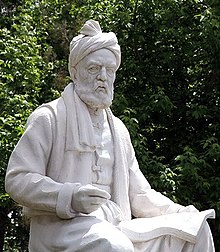
The name seems to be traditionally given to both males and females equally. A notable bearer was the 11th-century Persian poet, Firdowsi, who authored the historical epic, Shahnamah (Book of Kings).