
- Origin: Igbo
- Meaning: “thanks; gratitude.”
- Gender: Unisex
- EH-KEH-NEH
The name is from the Igbo meaning “thanks; gratitude.”
Sources
The name is from the Igbo meaning “thanks; gratitude.”
Sources

The name comes from the ancient Semitic root √W-Z-N / √ʾ-Z-N, meaning “to weigh, measure, or balance.”
Its Arabic use is from mīzān (ميزان) → “balance, scales,” appearing throughout the Qur’an as the mīzān al-ʿadl — the scales of divine justice and its Geʽez / Amharic use comes from mäzan / mizan (መዛን), meaning “measure, equilibrium, fairness.”
Compare to Hebrew moznaim (מאזניים) “the balances,” also symbolizing moral and cosmic fairness and the name of the astrological sign of Libra, though it is not used as a given-name.
In the Islamic world, Mizan represents the moral equilibrium of the universe — the balance by which every soul’s deeds are weighed.
In Ethiopian usage, Mizan retains the literal sense of “measure” but has become a spiritual and philosophical name, expressing inner balance and moral clarity. It’s also a familiar place name — as in Mizan Teferi, “Prince of Balance,” a town in southwest Ethiopia.
A Kurdish form is Mîzan.
Mizani is the Swahili form and is a unisex name.
Sources

An Arabic male name derived from the verb ʿazza (عزّ) meaning “to be mighty, strong, honored.”
In Islam, al-Muʿizz (ٱلْمُعِزّ) — “The Bestower of Honor” — is one of the 99 Names of Allah.
The most notable bearer is al-Muʿizz li-Dīn Allāh (953 – 975 CE), the fourth Fatimid caliph, renowned for founding the city of Cairo (al-Qāhira) in 969 CE.
It is used throughout the Islamic world, but is particularly common among Muslims in Nigeria.
Sources
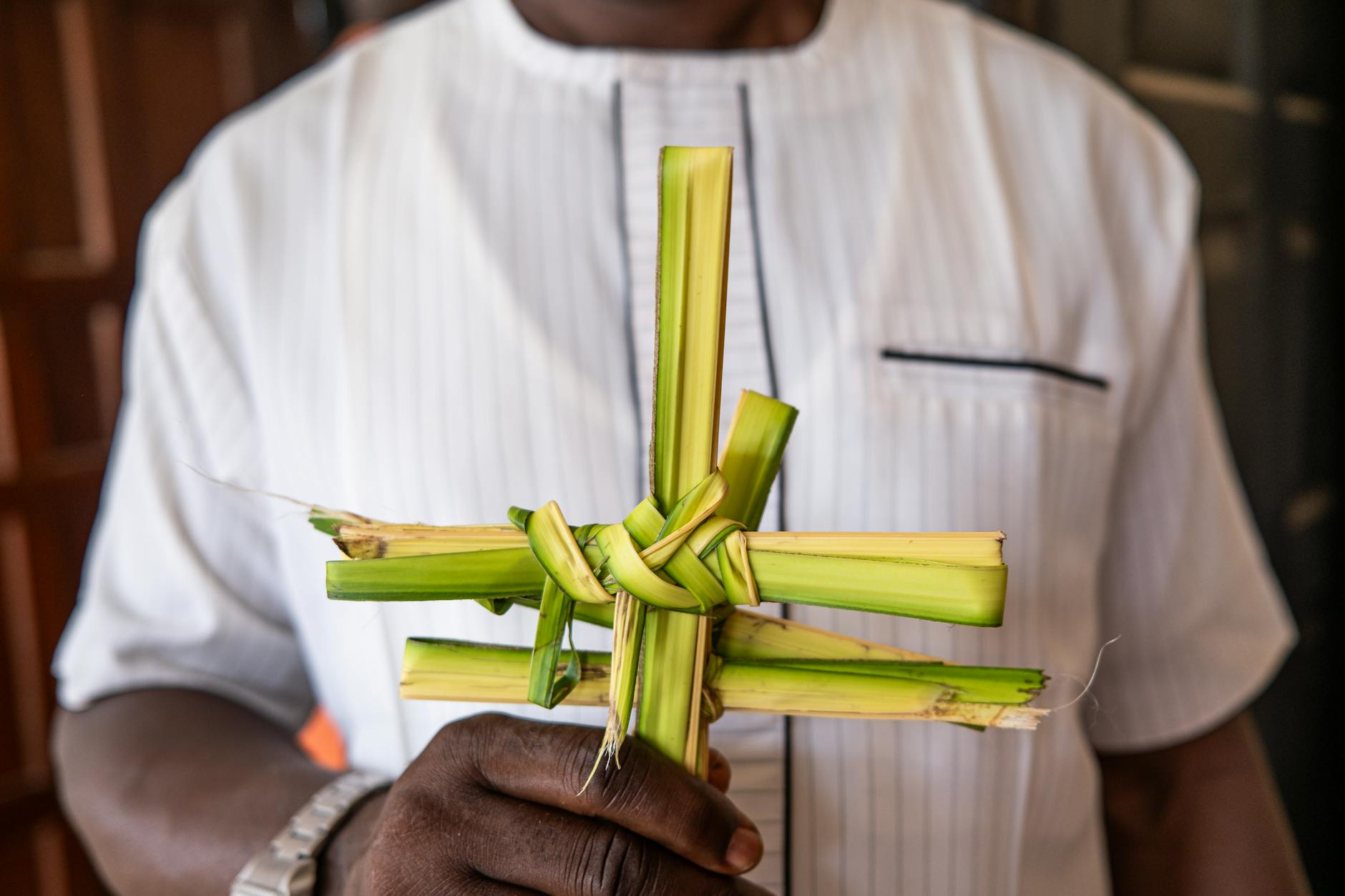
The name comes directly from the Igbo word for blessing. It incidentally is also the name of several places in Africa, most notably a city in Burundi, however, they do not share the same etymology.
Sources

The name is from the Edo language (a language spoken by the Edo people of Nigeria), meaning, “what God has said.”
A short form is Nosa.
Sources

The name is composed of the Yoruba words, níní (owning), and ọlá (wealth).
It is borne by Nigerian singer, Niniola Apata (b. 1986).
Sources

The name is composed of the Yoruba elements, temi (mine), ni (is) and ola (wealth). Common short forms are Temi and Lola.
Sources
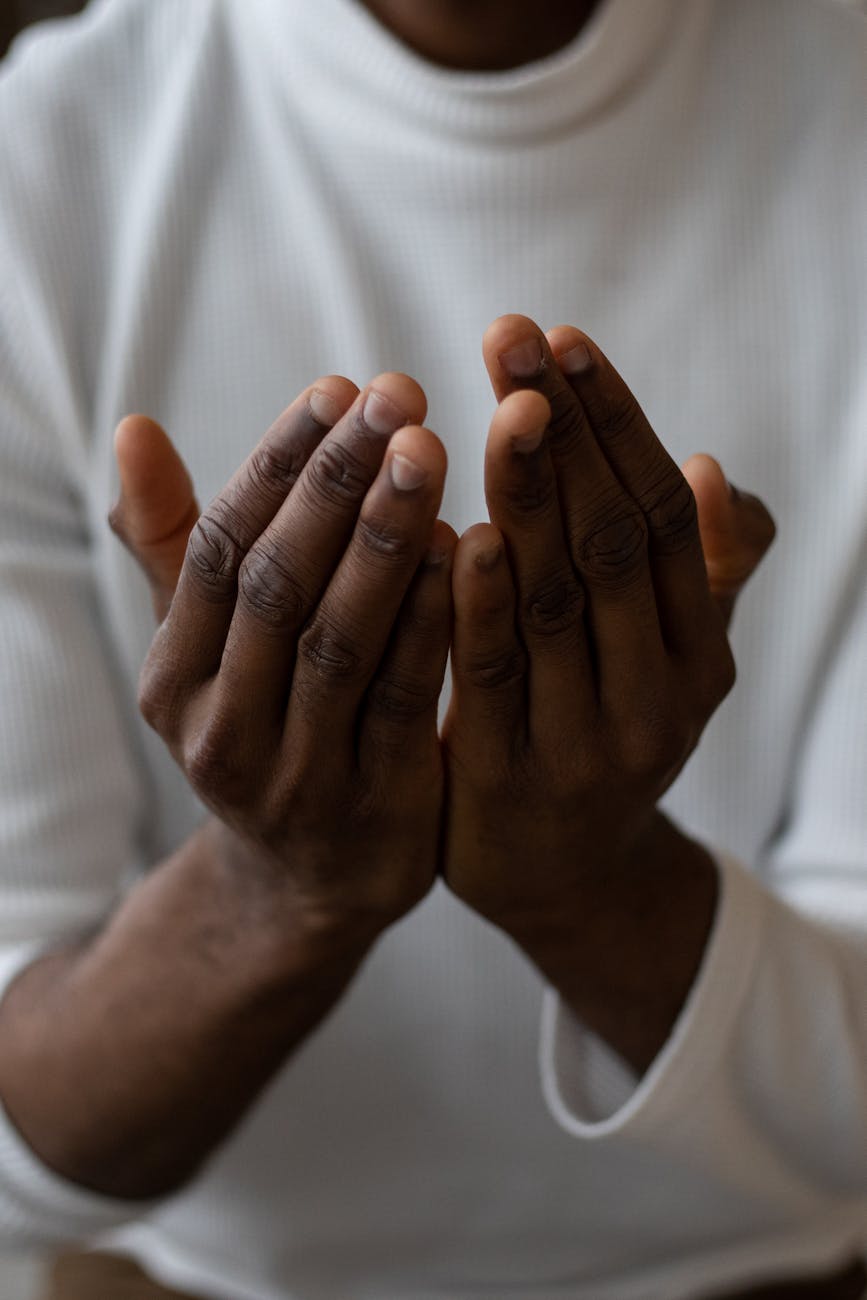
The name comes directly from a Yoruba phrase meaning, “of God’s will.”
Sources

The name is composed of the Yoruba dá…l’ọ́lá (to make wealthy by God) and mi (me).
Another form is Dánlọlá.
It is borne by Nigerian model and actress, Dámilọ́la Adégbìtẹ́ (b. 1985).
Sources
These are separate names but they have identical pronunciation. The former is from the Yoruba phrase ará-olúwa (the Lord’s kin), while the latter is derived from àrà-olúwa, meaning, (the Lord’s wonder).
A common short form is Ara.
Sources