Lara

Gender: Feminine
Origin: Russian
Лара
(LAH-rah)

The name is a Russian diminutive form of Larisa and is now exclusively used as an independent given name outside of Russia.

It was first introduced into the English-speaking world via Boris Pasternak’s 1957 novel, Dr. Zhivago, which was later adapted into a movie, (1965) and its theme song “Lara’s Theme” became a popular romantic ballad. This no doubt set off the popularity of the name in the 20th-century.

The name is also used as an independent given name in German-Speaking countries, Spanish-speaking countries and in Slovenia.

Currently, Lara is the 27th most popular female name in Australia. Her rankings in other countries are as follows:

  • # 22 (Belgium, 2006)
  • # 12 (Germany, 2009)
  • # 45 (Hungary, 2008)
  • # 54 (the Netherlands, 2009)
  • # 4 (Slovenia, 2005)
  • # 71 (Spain, 2008)

Sources

  1. http://www.askoxford.com/firstnames/lara?view=uk
  2. http://www.beliebte-vornamen.de/2009/top500-2009
  3. http://www.behindthename.com/php/find.php?name=lara

Robert, Robin

Gender: Masculine
Origin: German
Meaning: “bright fame.”

The name is composed of the Germanic elements, hrod (fame) and beraht meaning (bright). In Pre-Norman England, the name existed in the form of Hreodbeorht and was replaced by the now more favored Robert after the Norman Conquest.

The name has been consistently popular in the English-speaking world since. It has been worn by hundreds of notable bearers, including two French kings, three Scottish kings, (Robert the Bruce being one) and several saints.

Currently, Robert ranks in as the 49th most popular male name in the United States, (2008). His rankings in other countries are as follows:

  • # 80 (Canada, B.C., 2008)
  • # 89 (England/Wales, 2008)
  • # 44 (Hungary, 2008)
  • # 49 (Ireland, 2008)
  • # 56 (Scotland, 2009)

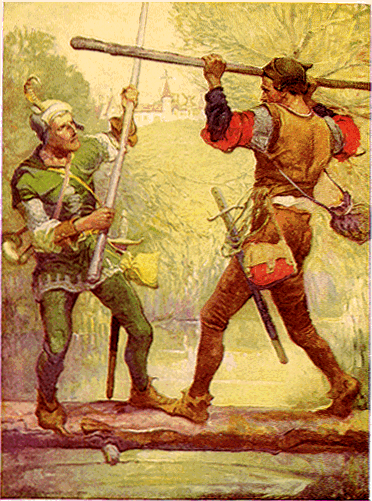
Robert has introduced several offshoots, the Medieval English diminutive form of Robin was the name of the protagonist of the legendary Robin Hood, Prince of Thieves. It is also used in Scandinavia and in German-speaking countries.

Its low Germanic counterpart of Rupert was popularized in Austria via an early Christian saint and was later introduced into England by Prince Rupert of the Rhine, a military commander and nephew of King Charles I. The name has enjoyed some usage in England ever since.

Other forms of the name include:

  • Hreodbeorht (Anglo-Saxon)
  • Roupen (Armenian)
  • Roparzh/Roperzh (Breton)
  • Robert Роберт (Catalan/Danish/Dutch/Croatian/Czech/English/Estonian/Finnish/French/German/Polish/Romanian/Russian/Serbian/Slovene)
  • Robrecht (Dutch/Afrikaans: rare, archaic)
  • Rupert (Dutch/English/German/Polish)
  • Robin (English/Finnish/Scandinavian)
  • Roobert (Finnish)
  • Roopertti (Finnish)
  • Robèrto (Fruilian)
  • Roberte (Galician)
  • Robrecht (German: rare, archaic)
  • Rodebrecht/Rotebert (German: rare, archaic)
  • Rudbert/Ruotbert (German: archaic)
  • Ruprecht (German: rare, archaic)
  • Rovēros/Rovértos Ροβῆρος Ροβέρτος (Greek)
  • Röpke (Frisian/Plattdeutsch)
  • Róbert (Hungarian/Icelandic/Slovak)
  • Roibeard (Irish-Gaelic)
  • Robertino (Italian: rare, originally a diminutive form)
  • Roberto (Italian/Portuguese/Spanish)
  • Robertus/Rupertus (Late Latin)
  • Roberts (Latvian)
  • Robertu (Leonese/Sardinian)
  • Robertas (Lithuanian)
  • Raibeart (Scottish Gaelic)
  • Robbetto (Sicilian)
  • Ruperto (Spanish)
  • Ropati (Tahitian)
  • Hopkin/Hopcyn (Welsh: originally a Medieval Welsh diminutive, occasionally used as an independent given name and now more associated with the surname).
  • Robat/Rhobert (Welsh)

Diminutives forms abound, which include: Bob, Bobbie, Rob and Robbie (English), Hob, Dob and Dobby (Medieval English diminutive forms no longer in usage), Rab/Rabbie (Scottish), Robbi (Icelandic), Röbi Swiss German, Robban (Swedish), Robercik/Robuś (Polish), and Roope/Pertti (Finnish).

A common feminine form is Roberta, which is used in English, German, Polish, Italian and Spanish. Common English short forms are Bobbie and Bertie.

A more obscure Italian/Spanish feminine form is Robertina.

Robina is a Renaissance Scots feminine form of Robin.

Name-days are: April 29 (Czech Republic/Germany/Poland), April 30 (France), June 7 (Estonia/Hungary/Poland/Slovakia/Sweden), July 18 (Poland).

Sources

  1. http://www.behindthename.com/name/robert
  2. http://www.askoxford.com/firstnames/robert?view=uk

Lola

Gender: Feminine
Origin: German/Spanish
(LOH-lah)

Lola is a diminutive name that is now well established as an independent given name. Traditionally, in Spanish, it was a pet form of Dolores, and occasionally, Lourdes, and in German it was a pet form of Aloisia.

The name caught on as an independent given name in the late 19th-century, mostly, in part, due to the fame and popularity of Irish born stage actress Lola Montez (1818-1861), née Marie Dolores Gilbert.

Lola Montez was both popular and infamous in her time, she was scandalously associated as the mistress of Ludwig I of Bavaria. Later in her life, she was known for her humanitarian work with American prostitutes.  Montez may have been responsible for Lola’s sultry image.

Currently, Lola is rising in popularity in many European countries, she is the 47th most popular female name in England/Wales, (2008) and her rankings in other countries are as follows:

  • # 20 (Belgium, 2006)
  • # 7 (France, 2009)
  • # 448 (Germany, 2009)
  • # 119 (the Netherlands, 2009)
  • # 59 (Spain, 2008)
  • # 246 (the United States, 2008)

Another form, Lolita, also has a history as an independent given name and fell out of popularity in the English-speaking world due to its associations with the Vladimir Nabakov novel of the same name, (1955). Since the publication of the novel, the term lolita has been used to describe a sexually promiscuous adolescent girl.

Lola also coincides with the Uzbek and Tajik word for tulip, and is used as feminine name in both languages.

The name is borne by Uzbek pianist, Lola Astanova and Lola Karimova-Tillyaeva,an Uzbek UNESCO representive and daughter of Uzbek president, Islam Karimov.

It is also borne by Spanish actress, Lola Dueñas (b.1971); Romani-Spanish dancer, Lola Flores (1923-1995, née María Dolores) and Puerto Rican poet Lola Rodríguez de Tió, (1843-1924, née Dolores).

The name has recently been bestowed on a few celebrity children, most notably, the daughter of actors Charlie Sheen and Denise Richards, and Madonna uses Lola as a diminutive for her daughter Lourdes.

Lolita is borne by Serbian-Canadian actress, Lolita Davidovich (b. 1961)

In Latvia, the designated name-day for Lolita is May 30.

Lolita is also occasionally used in Polish, Norwegian and the former Yugloslav Republic. In Slovene, it boasts its own nicknames of Lota and Lotica.

Sources

  1. http://www.askoxford.com/firstnames/lola?view=uk
  2. http://www.behindthename.com/php/find.php?name=lola
  3. http://www.prenoms.com/chroniques/prenoms/top-des-prenoms-2010-quelles-sont-les-nouvelles-tendances-le-palmares-2009-o11811.html
  4. http://www.beliebte-vornamen.de/2009/top500-2009
  5. http://www.ine.es/en/daco/daco42/nombyapel/nombyapel_en.htm
  6. http://uzbek.firespeaker.org/
  7. http://dictionary.cambridge.org/define.asp?dict=CALD&key=46999&ph=on
  8. http://www.askoxford.com/concise_oed/lolita?view=uk
  9. http://news.bbc.co.uk/2/hi/uk_news/magazine/7242623.stm
  10. http://pl.wikipedia.org/wiki/Lolita_(imię)
  11. http://www.stat.si/imena_baza_imena.asp?ime=lolita&priimek=&spol=Z
  12. http://www.linternaute.com/femmes/prenoms/
  13. Keber, Janez, Leksikon imen

Dorothy

Gender: Feminine
Origin: Greek
Meaning: “gift of the god.”
Eng (DOR-thee); (DORE-e-THEE)

The name is derived from the Greek female name, Δωροθέα (Dōrothea), which is composed of the Greek elements, δωρον (doron) and θεος (theos).

In the early Christian church, the name was borne by a Greek virgin martyr. It was also borne by a 13th-century German saint who is considered the patron saint of Prussia.

In the English speaking world, the name has been in usage since the Middle Ages, but like other saints names, fell out of usage during the Protestant Reformation and was revived in the 18th-century.

Dorothy fell out of the U.S. top 1000 after 2006, when she came in 990th most popular female name. Between 1920 and 1927, she was the 2nd most popular female name.

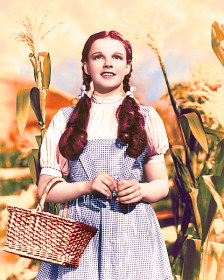
The name is found in L. Frank Baum’s children fantasy series, The Wonderful Wizard of Oz (1900).

Its English diminutive offshoot, Dolly, was also occasionally used as an independent given name, as is the case with American First Lady, Dolley Madison, (née Dolley Payne Todd Madison), 1768-1849. In fact, the modern English word for doll is supposedly derived from the female given name.

Other forms of the name include:

  • Doroteja Доротеја (Bulgarian/Polish/Serbian)
  • Dorotea (Catalan/Croatian/Estonian/Italian/Norwegian/Slovene/Spanish/Swedish)
  • Dorota (Czech/Polish/Slovak)
  • Dorothea (Dutch/English/German/Greek/Norwegian)
  • Teija (Finnish)
  • Terhi (Finnish: literally means “mist” but is also used as a cognate of Dorothy. See Terhi).
  • Dorothy (English)
  • Dolly (English)
  • Durita (Faroese)
  • Dorothée (French)
  • Dortje/Doortje/Dörtje (Frisian)
  • Dorika (Hungarian)
  • Dorina/Dorinka (Hungarian/Romansch)
  • Dorottya (Hungarian)
  • Dórótea (Icelandic)
  • Dace (Latvian: currently the 7th most popular female name in Latvia, 2005. DAHT-say).
  • Darta (Latvian)
  • Darata (Lithuanian)
  • Dorotëja (Lithuanian)
  • Urta/Urtė (Lithuanian)
  • Dorte/Dorthe (Low German)
  • Dörte/Dörthe (Low German)
  • Dürte/Dürten (Low German)
  • Dortea/Dorthea (Norwegian)
  • Dochna (Polish: archaic)
  • Doroteia (Portuguese)
  • Dorofei Дорофей (Russian)
  • Dorofeja (Russian)
  • Dorote (Swedish)
  • Dorit (Swedish)
  • Dorofija/Dorotija (Ukrainian)

An obscure French diminutive is Dorette.

A Danish diminutive form is Ditte.

German short forms include: Dodo, Dora, Dore, Dorel, Dorett, Dorle, Dorli, Doro, Tea and Thea.

English nicknames are: Dodie, Dodo, Doll, Dolly, Dot, Dottie and Thea.

Polish diminutives are Dosia and Dorotka.

Dorita is a Spanish diminutive.

An Italian masculine form is Doroteo and the Greek masculine form is Dorotheos.

Theodora shares the same etymology.

The designated name-day is February 6.

Christian

Gender: Masculine
Origin: Latin
Meaning: “anointed one; Christian.”

Christian is derived from the Latin, Christianus, which literally means, “anointed one” but in actuality was used to describe one of the Christian faith.

In the English speaking world, the name has been in usage since the Middle Ages, but has been consistently popular in the Germanic countries, most probably due to a few Danish kings who bore the name.

It was also the second name of Danish children’s author, Hans Christian Anderson (1805-1875).

Originally, in English, Christian was occasionally used as an anglicized feminine form of the Latin name, Christiana. Christian fell out of usage as a female name and resurged as a masculine English name around the 17th-century.

As of 2008, Christian stood as the 23rd most popular male name in the United States. His rankings in other countries are as follows:

  • # 45 (Australia, 2008)
  • # 5 (Bulgaria, 2008)
  • # 100 (Canada, B.C., 2008)
  • # 93 (Chile, 2006)
  • # 44 (Czech Republic, 2009)
  • # 15 (Denmark, 2009)
  • # 4 (Faroe Islands, 2008)
  • # 5 (Estonia, 2007)
  • # 89 (Germany, 2009)
  • # 29 (Hungary, 2008)
  • # 9 (Iceland, 2004-2007)
  • # 88 (Ireland, 2008)
  • # 196 (the Netherlands, 2008)
  • # 49 (Norway, 2009)

Other forms of the name include:

  • Christiaan (Afrikaans/Dutch)
  • Kristian (Albanian/Danish/Estonian/Norwegian/Swedish)
  • Kristo (Albanian)
  • Christo (Bulgarian)
  • Kristijan Кристијан (Croatian/Serbian)
  • Kristián (Czech/Slovak)
  • Carsten/Karsten/Kerstan/Kersten (Danish/Dutch/Frisian/Norwegian)
  • Christian (Danish/Dutch/English/French/German/Norwegian/Swedish)
  • Kresten (Danish)
  • Kristen (Danish/Norwegian/Swedish)
  • Kristjan (Danish)
  • Chrétien (French: archaic form)
  • Coerst (Frisian)
  • Críosdaidh (Gaelic)
  • Chrístos Χρίστος (Greek: modern)
  • Keresztély (Hungarian)
  • Keresztes (Hungarian)
  • Krisztián (Hungarian)
  • Kristján (Icelandic)
  • Cristiano (Italian/Portuguese)
  • Christianus (Latin)
  • Krišjānis (Latvian)
  • Chriet (Limburgish)
  • Kristijonas/Krizas/Krišcius (Lithuanian)
  • Creestee (Manx)
  • Crestian (Occitanian)
  • Krystian/Chrystian (Polish)
  • Krystyn (Polish: obscure)
  • Crétin (Provençal)
  • Cristian (Romanian/Italian/Galician)
  • Kristjan (Slovene)
  • Cristián (Spanish)
  • Christer/Krister (Swedish)

Swiss German diminutive forms are: Chrigel, Hitsch, Chrigi and Chrigu.

Bavarian diminutives are: Chris, Chrissi and Chrischan.

A Romanian diminutive is Cristi.

Christina and Christine are usually the default feminine forms.

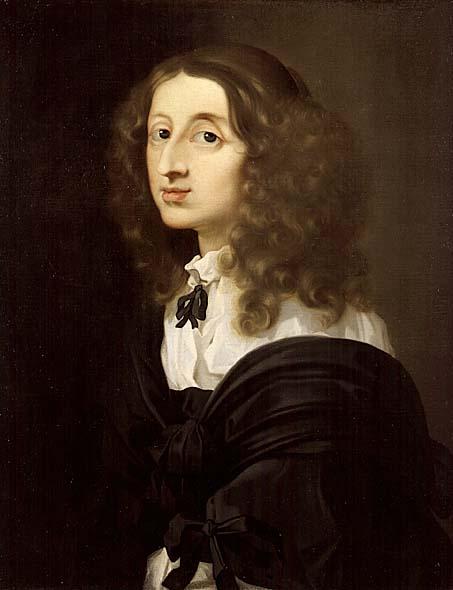
Christina and Christine have been in usage on the continent since at least the Middle Ages. Their popularity may be due to an early Christian saint and martyr of Syria. However, one of its most notable bearers was Queen Christina of Sweden.

Currently, Christina stands as the 20oth most popular female name in the United States, (2008). The highest she has ranked was in 1985, coming in as the 12th most popular female name. Its French counterpart of Christine, currently comes in as the 589th most popular female name, (2008), but at one time stood as the 14th most popular female name between 1967 and 1970.

Her popularity in other countries are as follows:

  • 9 (Czech Republic, 2009)
  • # 127 (Germany, 2009)
  • # 50 (Hungary, 2008)

Her Scandinavian forms of Kristin and Kirsten have been prevalent in the United States since the 1980s. Currently, Kirsten stood as the 567th most popular female name, (2008), while Kristin came in as the 883rd most popular female name, (2008), but once came in as the 31st most popular female name, back in 1981.

Other feminine forms include:

  • Kristina Кристина (Arabic/Bulgarian/Croatian/Czech/German/Lithuanian/Russian/Scandinavian/Serbian/Slovene
  • Crestina (Aragonese)
  • Kistiñe (Basque)
  • Christel (Bavarian: initially a diminutive form, but now used as an independent given name)
  • Hristina Христина (Bulgarian)
  • Cristina (Catalan/Corsican/Galician/Italian/Portuguese/Romanian/Spanish)
  • Kristýna (Czech)
  • Christa (Danish/English/German)
  • Kirstine (Danish)
  • Stina (Danish/Norwegian/Swedish)
  • Stine (Danish/Norwegian)
  • Tine (Danish/Norwegian)
  • Tineke (Dutch)
  • Stien (Dutch/Limburgish)
  • Christiana (English/Latin)
  • Tina (English/German/Italian/Scandinavian)
  • Kristiina (Estonian/Finnish)
  • Kirsi (Finnish)
  • Kirsti (Finnish)
  • Stiina (Finnish)
  • Tiina (Finnish)
  • Christelle (French)
  • Chrétienne (French: archaic)
  • Christiane (French/German)
  • Christine (French)
  • Christin/Kristin (German/Scandinavian)
  • Krista (German/Swedish)
  • Christína Χριστίνα (Greek)
  • Kilikina (Hawaiian)
  • Kriszta (Hungarian)
  • Krisztiána (Hungarian)
  • Krisztina (Hungarian)
  • Kristín (Icelandic)
  • Kristjana (Icelandic)
  • Cristiana (Italian/Portuguese)
  • Kristiana (Latvian)
  • Krystiana (Polish)
  • Krystyna (Polish)
  • Kjerstin (Norwegian)
  • Kjersti (Norwegian)
  • Cristìna (Sardinian)
  • Cairistìona (Scottish)
  • Kirsteen (Scottish)
  • Kirstie (Scottish)
  • Kirstin (Scottish)
  • Kristína (Slovak)
  • Kerstin (Swedish)
  • Crystin (Welsh)

English and German diminutives are: Chris, Christy, Chrissy and Tina.

French diminutives are: Chris, Chrisette and Titine.

A common Italian and Spanish compound form is Maria Cristina.

Designated name-days are: July 24 (Greece), November 12 (France), December 25 (Greece).

Bridget

Gender: Feminine
Origin: Celtic
Meaning: debated
(BRID-jet)

Bridget is an anglicization of the Irish Gaelic Brighid, which is of somewhat debated meaning. One theory is that it is derived from the Gaelic brígh, meaning, “power, strength, vigor, virtue.”

Another theory put out by Gods and Fighting Men (1904), translated by Lady Augusta Gregory, is that it is from the Gaelic breo-saighit meaning, “fiery arrow.”

Other sources have suggested it to mean “exalted one.”

In Celtic mythology, this was the name of an extremely important and powerful goddess.

According to the medieval Irish anthology, Lebor Gabála Érenn, Bridget was a goddess of poetry and was the daughter of Dagda. She was also associated with fire, wisdom and anything with an elevated status, whether it be a high mountain top, or someone of high social status.

The name was also borne by an early Irish saint, whose story and legend often melds with that of the ancient goddess. St. Bridget of Kildare was believed to have been a nun and one of the first converts under St. Patrick.

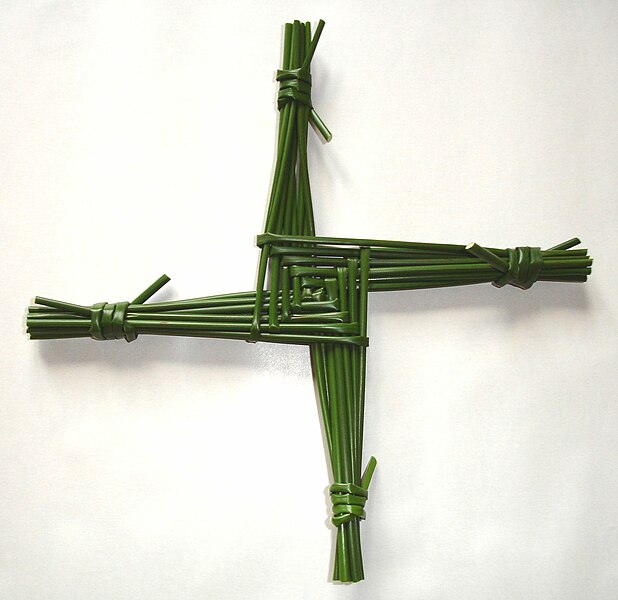
The St. Bridget’s Cross is often attributed to her, according to legend, she came upon a dying non- Christian man, in an effort to convert him to the new religion, she made a cross from the reeds that were beside him. That is all that is known of the origins of the St. Bridget’s Cross, but traditionally, a new one is made each year, on the feast of St. Bridget, (Feb. 1) while the old one is burned.

The feast of St. Bridget, which in some calenders falls on the 1st or 2nd of February,was originally one of the major festivals of the Celtic calender, known as Imbolc, it marked the first days of spring.

The name Bridget spread outside the Celtic world to the Germanic countries, it was popularized in Scandinavia by St. Bridget of Sweden, a Swedish noblewoman, mystic and founder of the Bridgettine order of nuns. She was also the mother of St. Katherine of Vadstena.

Between the 18th and 19th-centuries, when Irish immigrants first settled in the United States, the name was so common among the Irish, that Bridget or its diminutive form of Biddy became a slang term for any Irish woman.

Currently, Bridget 394th most popular female name in the United States, 2008. Its cognate of Brigitta is currently the 88th most popular female name in Hungary, (2008).

Other forms of the name include:

  • Brigit (Asturian/Scottish)
  • Birkide/Birxita (Basque: beer-KEE-de, beer-SHEE-tah)
  • Brec’hed (Breton: modern)
  • Brigantis (Breton: ancient)
  • Brigita Бригита (Bulgarian/Croatian/Czech/Latvian/Lithuanian/Romanian/Slovak/Slovene)
  • Brígida (Catalan/Portuguese/Spanish)
  • Brigantia (Celtic)
  • Berit (Danish/Norwegian: BEH-reet)
  • Birgit (Danish/Norwegian/Swedish: BEER-geet)
  • Birgitta (Danish/Dutch/Estonian/Finnish/German/Icelandic/Lithuanian: beer-GEET-tah)
  • Birgitte (Danish/German: beer-GEET-te)
  • Birte/Birthe (Danish/Norwegian: BEER-te)
  • Gitte (Danish: originally a diminutive form, used as an independent given name: GEET-te)
  • Bridget (English/German)
  • Pirjo (Finnish: PEER-yo)
  • Pirkko (Finnish” PEERK-ko)
  • Piritta (Finnish: PEE-reet-tah)
  • Priitta (Finnish: PREET-tah)
  • Brigitte (French: bree-ZHEET)
  • Bríxida (Galician: BREE-shee-dah)
  • Berecyntia (Gaulic)
  • Brigindo/Brigandu (Gaulic)
  • Birgid (German: BEER-geet)
  • Brida (German: obscure)
  • Brigida (German/Sardinian: bree-GEE-dah)
  • Brigitta (German/Hungarian)
  • Bríd (Irish-Gaelic: BREED)
  • Brídín (Irish-Gaelic: brid-EEN)
  • Brighid/Brigid (Irish-Gaelic)
  • Bedelia (Irish)
  • Bride (Irish: BRIDE or BREED)
  • Brigidine (Irish)
  • Brigida (Italian: BREEJ-ee-dah)
  • Brigidina (Italian: obscure)
  • Briej (Limburgish)
  • Brede (Manx)
  • Breesha (Manx)
  • Breeshey (Manx)
  • Breda (Norwegian: BREH-dah)
  • Brita/Britta/Brit/Britt (Norwegian/Swedish: BREE-tah, BRIT-tah, BRITT)
  • Bryda (Polish)
  • Brygida (Polish: brih-GEE-dah)
  • Braida/Brida (Romansch)
  • Brìghde/Brìde (Scots-Gaelic)
  • Gittan (Swedish: originally a diminutive form, used as an independent given name: GEET-tahn)
  • Ffraid (Welsh: FRAID)

A Swiss German diminutive form is Brigittli. German short forms are: Biggi, Briggi, Gitte, Gitti and Gittl.

Irish and English diminutives are: Biddy, Bride, Bree, Brie, Bridie and Bridge.

Mary, Maria, Miriam

Mary and its various forms has to be one of the quintessential, classic female names of all time, she has been used in Protestant England in the form of Mary, in the Islamic world as Maryam, in Jewish communities in the form of Miriam and in the Catholic world as Maria, Marie or Mary.

In the United States, she has never quite detracted from the top 100, if Mary is not in fashion then it is usually one of her other forms that may take her place, such as Molly, Mariah, Maria or Mia, all depending on the flavor of the day.

Currently, Mary is the 97th most popular female name in the United States, (2008). Mary’s rankings in other countries are as follows:

  • # 7 (Armenia, 2008)
  • # 57 (Ireland, 2007)

Its French form of Marie is popular outside the Hexagon, she currently ranks in as the 546th most popular female name in the United States, but in other countries, she appears in the top 10. Her rankings are as follows:

  • # 9 (Armenian, 2008)
  • # 4 (Belgium, 2008)
  • # 17 (Czech Republic, 2008)
  • # 24 (Denmark, 2008)
  • # 20 (France, 2009)
  • # 9 (Germany, 2009)
  • # 270 (the Netherlands, 2008)

The continental form of Maria is extremely popular across Europe and Latin America, her rankings in other countries are as follows:

  • # 4 (Argentina, 2009)
  • # 8 (Basque Country, Spain, 2008)
  • # 3 (Belarus, 2005)
  • # 3 (Bulgaria, 2008)
  • # 89 (Canada, B.C., 2008)
  • # 6 (Catalonia, Spain, 2008)
  • # 8 (Chile, 2008)
  • # 91 (England/Wales, 2008)
  • # 6 (Estonia, 2007)
  • # 4 (Faroe Islands, 2008)
  • # 59 (Germany, 2009)
  • # 1 (Greece, 2004)
  • # 90 (Hungary, 2008)
  • # 5 (Iceland, 2004-2007)
  • # 49 (Ireland, 2008)
  • # 1 (Israel, among Christian girls, 2004)
  • # 9 Marija (Latvia, 2005)
  • # 1 Marija (Macedonia, 2006)
  • # 1 (Malta, 2008)
  • # 39 (the Netherlands, 2008)
  • # 14 (Norway, 2008)
  • # 17 (Poland, 2009)
  • # 1 (Portugal, 2008)
  • # 2 (Romania, 2008)
  • # 2 (Russia, 2007)
  • # 99 (Scotland, 2008)
  • # 1 (Slovakia, 2004)
  • # 2 (Spain, 2008)
  • # 96 (Sweden, 2008)
  • # 7 (Ukraine, 2009)
  • # 64 (United States, 2008)

Her diminutive offshoot of Mia, has also been quite trendy the last 10 years, as of 2008, she was the 14th most popular female name in the United States. In other countries, her rankings are as follows:

  • # 1 (Australia, 2008)
  • # 25 (Canada, B.C., 2008)
  • # 44 (Chile, 2006)
  • # 11 (England/Wales, 2008)
  • # 1 (Germany, 2009)
  • # 23 (Ireland, 2008)
  • # 5 (Isle of Man, 2009)
  • # 350 (the Netherlands, 2008)
  • # 24 (New Zealand, 2009)
  • # 12 (Norway, 2008)
  • # 26 (Scotland, 2008)
  • # 46 (Slovenia, 2005)
  • # 3 (Switzerland, among Romansch-speakers, 2008)

Another common diminutive offshoot, is Molly, which is mostly used in the English speaking world, but has also shifted over to some of the Scandinavian countries. Her rankings in other countries are as follows:

  • # 57 (Australia, 2007)
  • # 84 (Canada, B.C., 2008)
  • # 32 (England/Wales, 2008)
  • # 25 (Ireland, 2008)
  • # 33 (New Zealand, 2009)
  • # 39 (Scotland, 2008)
  • # 11 (Sweden, 2008)
  • # 104 (United States, 2008)

Miriam is another common choice which is popular throughout Europe and the Middle East. Her rankings are as follows:

  • # 1 Mariam (Georgia, 2008)
  • # 6 Maryam (Iran, 2007)
  • # 4 Maryam (Israel, among Muslim girls, 2004)
  • # 6 Maryam (Pakistan)
  • # 48 Miriam (Spain, 2008)
  • # 1 Mariam (Tunisia, 2005)
  • # 309 Miriam (United States, 2008)

As for its meaning and derivation, though the its origins can be traced back to the Bible, its lingustic and etymological meaning has long been debated. Many hypothesis include that the name could be a derivative of the Hebrew meri, ‘rebel’ related to the Hebrew verb MRH, mara or Marah which means’ to be “rebellious.” Or that it is related to the Hebrew word מרא (MRA, mara) which means ‘well-fed’, something which would have been considered a comely attribute in Biblical times.

One of the most popular etymological theories is its association with the Hebrew מר (MR, mar), meaning. “bitter” or “bitterness, and another very well established hypothesis suggests that it is from an Egyptian source, mry “beloved” or mr meaning “love.”

Other possible theories include:

That is it a combination of the Hebrew words מר (MR, mar), meaning “bitter” or the Hebrew (mar) meaning, “drop”; or (mor) meaning, “myrrh” or ” (mari ) meaning “mistress’.

The name is borne by several female characters in both the Old and New Testament.

Among Jews, the name was originally used in honour of the sister of Aaron, Miriam the Prophetess.

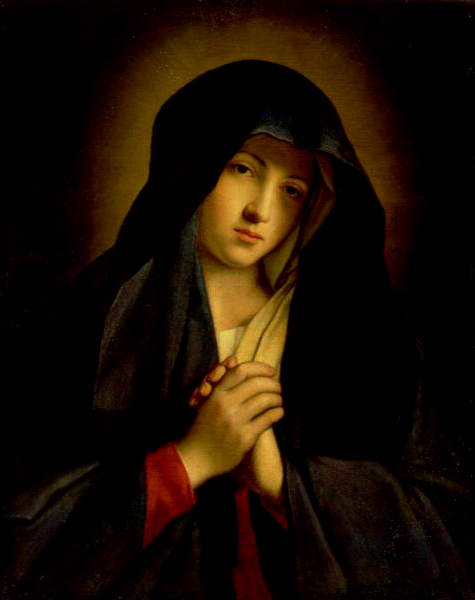
Among Muslims and Christians, (particularly Catholics and Eastern Orthodox), the name is usually used in honour of the Virgin Mary, the mother of Jesus.

However, in certain eras and cultures, Mary or Maria was considered too sacred of a name to use on a child, and in other cultures, the name Maria is so honorable to have, that it is even bestowed upon males, usually in conjunction with a male name or as a middle name. This is especially so in Spanish-speaking countries, French speaking countries and occasionally done in other predominate Catholic countries such as Ireland, Poland and in Bavaria, Germany.

The name has made is presence known in British royalty as well as in the continental ruling houses. Other forms are as follows:

Latinate Forms
Forms used in Latin-based languages

  • Marieta (Catalan: originally a diminutive form, used as an independent given name in Spanish-speaking countries)
  • Miryam (Catalan: archaic form from the 13th-century)
  • Maria (Corsican/Italian/Occitanian/Portuguese/Romanian/Romansch/Latin)
  • Manon (French: originally a diminutive form of Marie, the name has been used as an independent given name for centuries. In fact, it currently ranks in as the 7th most popular female name in Belgium (2006), the 4th most popular female name in France (2006), and the 184th most popular female name in the Netherlands (2008). Pronunciation can be heard here: http://www.forvo.com/search/Manon/)
  • Marie (French: she is one of the most popular middle names in the English speaking world. In French, this form is bestowed on males in conjunction with other male names or as a middle name. There are several common French female names used in conjunction with Marie, as well. Those of which, I will save for future postings).
  • Marielle (French: originally a diminutive form of Marie, now used exclusively as an independent given name)
  • Mariette (French: a diminutive form of Marie, occasionally used as an independent given name, now considered dated in French-speaking countries).
  • Mariolle(French: obscure, very old diminutive form of Marie, the inspiration of the Polish offshoot, Mariola).
  • Marion (French: a medieval French diminutive form of Marie, now exclusively used as an independent given name, the name was borne in legend by the love interest of Robin Hood, Maid Marion, and is borne by French actress, Marion Cotillard. In France, it is the 59th most popular female name (2006)
  • Myriam (French: form of the Biblical, Miriam, she ranks in as the 95th most popular female name in France (2006)
  • Mariella (Italian: originally a diminutive form of Maria, now exclusively used as an independent given name)
  • Marietta (Italian: a diminutive form of Maria, occasionally used as an independent given name).
  • Marigia (Italian: obscure)
  • Mariuzza/Maruzziella (Italian: obscure)
  • Mariana (Portuguese: Mariana is usually considered a name of a seperate etymology, but is used in Portuguese and Spanish as a form of Miriam. She is the 73rd most popular female name in Chile, 2006).
  • María (Spanish/Galician).
  • Marita (Spanish: a diminutive form of Maria, now often used as an independent given name)
  • Maritza (Spanish: a Latin American spin-off of Maria, originally a diminutive form, now a trendy given name, especially among Mexican-Americans, she is currently the 560th most popular female name in the United States).
  • Mareye (Walon)

An Italian diminutive form is Mimi. A Portuguese diminutive form is Mariazinha.

Masculine forms are:

  • Mari (Catalan)
  • Mariu (Corsican)
  • Mario (Italian/Galician)
  • Marius (Latin/French/Romanian)
  • Mário (Portuguese)

Germanic Forms
Forms used in Germanic-speaking countries

  • Maiken/Majken (Danish/Norwegian/Swedish: originally a diminutive form of Maria, now used exclusively as an independent given name).
  • Maria (Danish/Dutch/English/Faroese/Frisian/German/Norwegian/Swedish)
  • Marie (Danish/German/Norwegian/Swedish: a borrowing from the French)
  • Mari (Danish)
  • Maaike/Maike (Dutch/Frisian/German: originally a diminutive form, used exclusively as an independent given name. In 2008, it was the 98th most popular female name in the Netherlands)
  • Marieke(Dutch: originally a diminutive form, now exclusively used as an independent given name. In 2008, it was the 188th most popular female name in the Netherlands)
  • Marijke (Dutch: mah-RYE-keh)
  • Marike (Dutch: originally a diminutive form of Maria, now used exclusively as an independent given name, pronounced mah-REE-keh)
  • Marja (Dutch/Faroese/Gothic/Limburgish: MAHR-yah).
  • Meike (Dutch/German: originally a diminutive form, now used as an independent given name, it was the 53rd most popular female name in the Netherlands of 2008.)
  • Mia (Dutch/German/English/Scandinavian: originally a diminutive form, now used as an independent given name)
  • Mieke (Dutch/Limburgish: originally a diminutive form, used exclusively as an independent given name MEE-keh)
  • Miep(Dutch: a diminutive form, but occasionally used as an independent given name MEEP).
  • Miet (Dutch: originally a diminutive form, occasionally used as an independent given name MEET).
  • Mirjam (Dutch/German/Swedish: form of the Biblical Miriam).
  • Mariel (English: just an anglicized form of the French, Marielle).
  • Mariota (English: archaic, form used in the 13th-century)
  • Mary (English)
  • Molly/Mollie (English: originally a diminutive form, now used more often as an independent given name)
  • Polly (English: originally a diminutive form, now used more often as an independent given name)
  • Marý(Faroese)
  • Mareike (Frisian/German: originally a diminutive form of Maria, now used exclusively as an independent given name)
  • Maja (German/Scandinavian: originally a diminutive form of Maria, used exclusively as an independent given name. It is the 2nd most popular female name in Sweden, (2008)
  • Mariele(German: originally diminutive form of Maria, used exclusively as an independent given name, pronounced mah-REE-leh).
  • Miriam(German/English: Biblical form, often used in German and English speaking countries)
  • Mitzi (German/English: not really used as an independent given name in German speaking countries, but experienced a short usage of popularity as an independent given name in the United States).
  • Ria(German/Dutch: originally diminutive forms, occasionally used as independent given names)
  • Mæja (Icelandic: originally a diminutive form of Maria, used exclusively as an independent given name)
  • María(Icelandic)
  • Mies (Limburgish: diminutive form of Maria, used as an independent given name in the Netherlands. MEES)
  • Mathie (Normand: mah-TEE)
  • My(Swedish: originally a diminutive form of Maria, now used as an independent given name MEE. In 2007, it was the 79th most popular female name in Sweden).
  • Mirele מִירֶעל(Yiddish: a form of Miriam. MEER-eh-leh)

Common English diminutives include May, Mayme, Mare, Mia, Molle, Molly, Moll and Polly, German diminutive forms are Mariechen and Mitzi.

Masculine forms include:

  • Marius (Dutch/German/English/Norwegian/Swedish)
  • Marjus (Faroese)
  • Maríus (Icelandic)

Baltic Forms
Variations used in Baltic countries.

  • Maaja (Estonian)
  • Maare/Maari (Estonian)
  • Maarika (Estonian/Finnish)
  • Maaria/Maarja (Estonian)
  • Maie/Maiu (Estonian: initially diminutive forms, now used as independent given names, MY-eh, MY-oo)
  • Maila/Maili/Mailu (Estonian: Maili is pronounced somewhat like Miley)
  • Mari (Estonian/Finnish)
  • Marjam (Estonian)
  • Marje/Marjen (Estonian)
  • Marjette (Estonian)
  • Mary (Estonian)
  • Maija/Maiju (Finnish)
  • Maikki (Finnish: a Finnicized form of the Sweden and Danish Majken, pronounced somewhat like Mikey)
  • Maaria/Maria (Finnish)
  • Marika (Finnish)
  • Maritta (Finnish)
  • Marjatta (Finnish: can also mean “without a berry” in Finnish, and is the name of a character in the Kalevala, but is often used as a variation of Maria; also used in Estonia)
  • Marjo (Finnish)
  • Marjukka (Finnish)
  • Marjut (Finnish)
  • Miia (Finnish)
  • Mirja (Finnish: translation of Miriam)
  • Mirjam/Mirjami (Finnish)
  • Maija (Latvian)
  • Maila (Latvian: MY-lah)
  • Mairita/Mairīta/Mairīte (Latvian)
  • Mairuta (Latvian)
  • Mare (Latvian: final E is pronounced)
  • Mareka (Latvian)
  • Mareta/Māreta (Latvian)
  • Marī (Latvian)
  • Mārica (Latvian)
  • Mariela (Latvian)
  • Mārieta (Latvian)
  • Marija (Latvian/Lithuanian)
  • Mārika (Latvian)
  • Marite/Mārita/Mārīte/Marīte (Latvian)
  • Marjama (Latvian)
  • Maruta/Māruta/Marute (Latvian)
  • Mare (Lithuanian)
  • Maryte (Lithuanian)

Masculine forms are:

  • Maarius/Mairo/Mario (Estonian)
  • Marijus/Marius (Lithuanian)

Slavic Forms
Forms used in Slavic countries

  • Merjem (Bosnian)
  • Mirjana (Bosnian/Croatian/Serbian/Slovene: translation of Miriam)
  • Mariya (Bulgarian/Russian/Ukrainian)
  • Marija (Croatian/Macedonian/Serbian/Slovene)
  • Marie (Czech: MAHR-yeh)
  • Maria (Polish)
  • Marieta (Polish)
  • Mariola (Polish: mahr-YOLE-ah)
  • Marita (Polish)
  • Maryla (Polish: mah-RIH-lah)
  • Marzena (Polish: not really etymologically related, but has had a historical usage as a variation of Maria in Poland. The name is actually the name of an ancient Polish goddess and it may be linked with the either Polish word for “hope; dream” or with the Old Slavonic word for “death.” mahr-ZHEH-nah, diminutive form is Marzenka).
  • Mária (Slovakian)
  • Marika (Slovakian)
  • Marica (Slovene: initially a diminutive form, used as an independent given name in Slovenia, but is also used as a diminutive form in Bosnian, Croatian, Serbian, Czech and Slovakian, mah-REET-sah).
  • Mojca (Slovene: initially a diminutive form, now used exclusively as an independent given name in Slovenia. MOY-tsah)
  • Marya Марья (Russian)

Czech and Slovak diminutive forms are: Mája, MáňaMaruška and Maryška. Serbian and Slovene diminutives are Maša. Russian diminutives are Manya, Masha, Mashenka and Mashka. Polish diminutives are MasiaMarysia (mah-RISH-ah) and Maryska.

Masculine forms are:

  • Marian (Polish)
  • Mariusz (Polish)
  • Marij/Mario (Slovene)

Celtic Forms
Forms used in Celtic Languages

  • Mari (Breton)
  • Mallaidh (Irish-Gaelic: translation of Molly)
  • Maira/Máire (Irish-Gaelic)
  • Mairenn/Máirín (Irish-Gaelic)
  • Muire (Irish-Gaelic)
  • Mariod/Mariot (Manx)
  • Moirrey/Voirrey (Manx)
  • Màiri (Scotch-Gaelic)
  • Mhari (Scotch-Gaelic)
  • Mhairi/Mhairie (Scotch-Gaelic)
  • Moire (Scotch-Gaelic)
  • Mair (Welsh)

Other Forms
Forms used in other languages not listed in the above

  • Maria (Albanian/Kiswahili)
  • Maryam مريم (Arabic)
  • Mariam (Armenian)
  • Məryəm (Azeri)
  • Maia (Basque)
  • Miren (Basque)
  • Mariam (Coptic/Egyptian)
  • Mariami (Georgian)
  • Maria Μαρία (Greek: Modern)
  • Maroula/Roula (Greek: Modern: initially diminutive forms)
  • Malia (Hawaiian/Zuni)
  • Mária (Hungarian)
  • Maria (Indonesian)
  • Meryem (Kurdish/Turkish)
  • Mariam/Mariamma/Mariamme (Malayalam)
  • Marija (Maltese)
  • Mere (Maori)
  • Miriama (Maori)

The name has several name-days.

Christopher

Gender: Masculine
Origin: Greek
Meaning: “Christ-bearer.”
(KRIS-te-FER)

A popular male name throughout the Christian world, it is derived from the Greek Χριστόφορος, which is composed of the elements, χριστός (khristós), meaning, “anointed one” or in this case, just “Christ” and φέρειν (phérein), meaning, “to carry.”

The name caught on in the early Middle Ages after the legends of a Saint of the same name became a widespread cult, according to the legend, the name was borne by a giant who carried the Christ child across a river. He is considered the patron saint of travellers and is still revered as a popular saint in both the Eastern Churches and the Roman Catholic Church.

As of 2008, Christopher was the 9th most popular male name in the United States. Between 1979-1994, he was the 2nd most popular male name. The lowest he has ranked in U.S. naming history was in 1931, when he came in as the 360th most popular male name.

The name has always been quite common in Central and Northern Europe.

His rankings in other countries are as follows:

  • # 53 (Australia, 2007)
  • # 65 (Canada, B.C., 2008)
  • # 94 (England/Wales, 2008)
  • # 155 (Germany, 2009)
  • # 61 (Ireland, 2007)
  • # 18 (Poland, Warsaw, 2009)
  • # 52 (Scotland, 2008)
  • # 99 (Sweden, 2008)

Other forms include:

  • Kristofor (Albanian)
  • Krystafer كريستوفر (Arabic: used among Middle Eastern Christian)
  • Khrystafor Хрыстафор (Belarusian)
  • Kristof (Breton)
  • Khristofor/Hristofor Христофор (Bulgarian)
  • Cristòfol (Catalan)
  • Cristofanu (Corsican)
  • Kristofor (Croatian)
  • Kryštof (Czech)
  • Christoffer/Christopher/Kristoffer (Danish)
  • Christoffel/Christoforus (Dutch)
  • Christophe (Dutch/French)
  • Christof/Kristof (Estonian)
  • Tohver/Tohvri (Estonian)
  • Kristofer/Risto (Finnish)
  • Christoph/Christof (German)
  • Khristóphoros Χριστόφορος (Greek: Modern)
  • Kristóf/Krisztofer (Hungarian)
  • Kristófer (Icelandic)
  • Críostóir (Irish-Gaelic)
  • Cristofaro/Cristofero (Italian)
  • Cristofalo/Cristofolo (Italian)
  • Cristofano (Italian)
  • Cristoforo (Italian: most common form)
  • Christophorus (Latin)
  • Kristaps/Kristofs (Latvian)
  • Kristoforas/Kristupas (Lithuanian)
  • Christopher/Kristoffer (Norwegian)
  • Krzysztof (Polish)
  • Cristóvão (Portuguese)
  • Christof/Christofor (Romanian)
  • Khristofor Христофор (Russian/Serbian/Ukrainian)
  • Cristolu (Sardinian)
  • Kester (Scottish)
  • Krištof (Slovak/Slovene)
  • Kito (Sorbian)
  • Cristóbal (Spanish)
  • Christoffer/Kristoffer (Swedish)
  • Kristof (Turkish)
  • Krishtof Криштоф (Ukrainian)
  • Cristoforo (Venetian)

Common English diminutives are Chip, Chris, Christy, Kip, Kit and Topher.

German diminutives are Stoffel and Stoffi.

Polish diminutives are: Krzysiek, Krzysiu, Krzyś, Krzysio, Krzysiaczek, Krzych and Krzychu.

An Italian feminine form is Cristofora and an obscure French/German feminine form is Christophine. Another obscure feminine form is the Polish, Krzysztofa.

Notable bearers include: Christopher Columbus (1451-1506), three Danish Kings which include Christoffer of Bavaria, English playwright, Christopher Marlowe (1564-1593) and the fictional character, Christopher Robin, of Winnie-the-Pooh books.

Liv

Gender: Feminine
Origin: Old Norse
Meaning: “protection; life.”

A popular female name throughout Scandinavia, the name is derived from the Old Norse, Hlíf, meaning, “protection” and also happens to coincide with the modern Scandinavian word for “life.”

Liv no longer ranks in the Norwegian top 100, but its two-syllable form of Live, does. Live is currently the 68th most popular female name in Norway, (2008). It was the 5th most popular female name on the Faroe Islands, (2008). In Sweden, it was the 68th most popular female name, (2008) and the 99th most popular in the Netherlands, (2008).

Other forms include:

  • Liv (Danish/Dutch/German/Norwegian/Swedish)
  • Lív (Faroese)
  • Hlíf/Hlífa (Icelandic)
  • Liva (Norwegian)
  • Live (Norwegian)
  • Livø (Norwegian: dialectical form from Nord-Gudbrandsdalen)

The name also appears in several compound forms, which include: Elseliv (Swedish), Ingeliv (Swedish/Norwegian), Lífdís (Icelandic), Livunn (Norwegian) and Livny (Norwegian).

The designated name-day in Sweden is January 15.

Liven is a Swedish and Norwegian diminutive form.

In English, the name is occasionally used as a short form of Olivia.

The name is borne by actress and model, Liv Tyler (b.1977).

Ella

Gender: Feminine
Origin: Norman/English
Meaning: “other.”
(EL-lah)

The name is believed to be an English derivative of an old Norman female name, Alia, which is derived from the Norman element, ali, meaning “other.”

It has also been used as a diminutive form of names beginning with El and names ending in-ella.

In Medieval England, the name was rather common, but fell out of usage by the 14th-century and was then revived in the 19th-century.

Currently, she is the 19th most popular female name in the United States, (2008), the highest she ever ranked in U.S. naming history was 1880-1881, coming in as the 13th most popular female name.

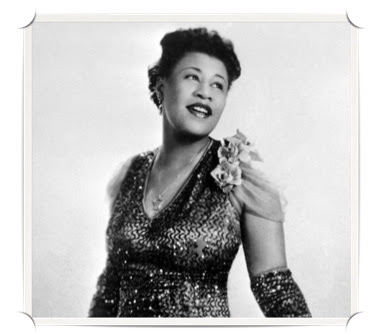
The name was borne by Ella Fitzgerald (1917-1996), a famous American jazz singer.

Ella’s popularity in other countries are as follows:

  • # 6 (Australia, 2008)
  • # 36 (Belgium, 2006)
  • # 11 (Canada, B.C., 2008)
  • # 12 (England/Wales, 2008)
  • # 92 (Germany)
  • # 12 (Ireland, 2008)
  • # 143 (the Netherlands, 2008)
  • # 5 (New Zealand, 2009)
  • # 32 (Norway, 2008)
  • # 47 (Scotland, 2008)
  • # 4 (Sweden, 2008)
  • # 3 (Tasmanian, 2009)

The diminutive offshoot of Ellie, is currently the 11th most popular female name in Scotland, (2008).

The name is used in Scandinavian countries, English speaking countries, French speaking countries and in the German speaking countries. In addition, it is also used in Estonia, Hungary and Latvia.

Designated name-days are: February 1st (France), February 10 (Estonia), February 13 (Hungary), February 19 (Sweden), March 7 (Latvia).