Berina

Gender: Feminine
Origin: Persian
Meaning: “peak; top most.”
(beh-REE-nah)

The name is derived from the Persian male name, Berin, meaning “peak; top most.”

As of 2010, Berina was the 44th most popular female name in Bosnia & Herzegovina, (2010).

A masculine form is Berin.

A Kurdish feminine form is Bêrîn.

Farah

Gender: Feminine
Origin: Arabic
Meaning: “joy”
فرح
Per (fah-RAH); Eng (FAIR-uh)

The name is of Arabic origins but is very popular in Iran and Afghanistan. It is borne by former Empress of Iran, Farah Pahlavi (b. 1938-). She was the first empress to be crowned in Iran since the Arab invasion in the 7th century.

The name was also borne by actress Farrah Fawcett (1947-2009), who claimes that her mother made up the name because it sounded good with her surname.

Currently, Farrah does not rank in the U.S. top 1000, but back in 1977, she was the 177th most popular female name in the United States, which may have been due to current popularity of actress Farrah Fawcett, and also the constant coverage of the Iranian queen of the same name.

As of 2010, Farah was the 56th most popular female name in Bosnia & Herzegovina. Her rankings in other countries are as follows:

  • # 157 (France, 2009)
  • # 244 (Netherlands, 2010)

The name is used throughout the Middle East and Central Asia.

Other forms of the name include, the Azeri: Fereh and Farakh.

Omar

Gender: Masculine
Origin: Arabic عمر
Meaning: “populous; flourishing; life.”

or

Gender: Masculine
Origin: Biblical Hebrew
Meaning: “speaker.”

The name can be of multiple origins and meanings, in Arabic, the name is derived from the word, عمر (umr) meaning, “life.”

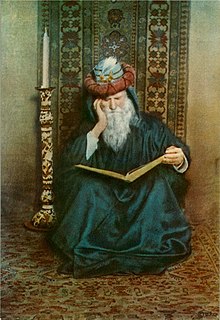
The name was borne by the second caliphe of the Muslims as well as by a 12th-century Persian poet, Umar Khayyam.

In Hebrew, the name means “speaker” and is found Genesis 36:11 as the name of the son of Eliphaz.

The name may also be possibly related to the Hebrew, Omer, which means “sheaf of wheat” but was also the name of a unit of measuring in ancient times.

Omar is a popular name in Spanish-speaking countries, whether this is a leftover from Moorish occupied Spain or in reference to the Biblical Hebrew character is unknown.

As of 2010, Omar was the 54th most popular male name in Bosnia & Herzegovina. His rankings in other countries are as follows:

  • # 4 (Arab world (2011) (BabyCenter Arabia members)
  • # 4 (Pakistan)
  • # 6 (Iraq, 2007)
  • # 7 (Israel, Muslim boys, 2009)
  • # 7 (Umar, Malaysia, 2011)
  • # 8 (United Arab Emirates)
  • # 9 (Omer, Israel, Jewish intersex names (given to both boys and girls) 2008)
  • # 77 (Catalonia, 2010)
  • # 87 (Spain, 2010)
  • # 175 (United States, 2010)
  • # 252 (Netherlands, 2010)
  • # 289 (France, 2009)

Other forms include:

  • Omeri (Albanian)
  • Omer (Amharic/Kurdish)
  • Umar عمر (Arabic)
  • Omar Ома́р (Albanian/Arabic/Bosnian/Chechen/Dagestani/Kazakh/Kyrgyz/Persian/Russian/Spanish/Tajik/Tatar/Turkmen/Uzbek)
  • Ömər (Azeri)
  • Amar (Berber)
  • Úmar (Catalan)
  • Oumar/Oumarou (Sub-Saharan African)
  • Ömer (Turkish)

In France, the designated name-day for Omer is September 9.

Other notable bearers include: Egyptian born actor Omar Sharif (b.1932); Omar al-Bashir (b.1944) the president of Sudan; and American actor, Omar Epps (b. 1973).

Source

  1. http://www.behindthename.com/php/search.php?nmd=n&terms=Omar
  2. http://www.askoxford.com/firstnames/omar

Amin

Gender: Masculine
Origin: Arabic أمين
Meaning: “truthful.”
(AH-MEEN)

The name comes directly from the Arabic word امين (amin) meaning, “truthful.”

al-Amin was an epithet for the Prophet Mohammed and it was also borne by the sixth Abbasid Caliph.

As of 2010, Amin was the 76th most popular male name in Bosnia & Herzegovina, while in Belgium, his franconized form of Amine was the 93rd most popular male name, (2009). He is the 209th most popular male name in the Netherlands, (2010).

The name is prevalent throughout the Islamic world.

The feminine form is of course, Amina.

Mahir

Gender: Masculine
Origin: Arabic ماهر
Meaning: “skillful.”
(MAH-HEER)

The name comes directly from the Arabic adjective, محنك (mahir) meaning, “skillful.”

As of 2010, Mahir was the 41st most popular male name in Bosnia & Herzegovina, (2010).

The name is used throughout the Islamic world.

A variant transcription is Maher.

A Bosnian feminine form is Mahira.

Mirza

Gender: Masculine
Origin: Persian میرزا
Meaning: “prince.”
(MEER-zah)

The name is derived from a Persian royal title, Amīrzāde which literally means “child of the Amir” or “child of the ruler.”

The word has survived in modern Kazakh language as myrza where it means, “gentleman.”

As of 2010, Mirza was the 34th most popular male name in Bosnia & Herzegovina. Other forms of the name include:

  • Mirza Мирза (Albanian/Azeri/Baskkir/Baloch/Bosnian/Chechen/Kazakh/Kyrgyz/Kurdish/Persian/Turkish/Turkmen)
  • Murza Мурза (Circassian/Dagestani/Ossetian)
  • Mirzaj Мирзай (Tatar)
  • Mirzija Мирзия (Tatar)
  • Mirzi Мирзи (Tatar)
  • Morza Морза (Uzbek)

Faruq

Gender: Masculine
Origin: Arabic فاروق
Meaning: “one who knows right from wrong.”
(FAH-ROOK)

The name comes from the Arabic epithet for the Muslim leader, Umar.

It was borne by the last king of Egypt, (1920-1965).

Its Balkan form of Faruk is currently the 68th most popular male name in Bosnia & Herzegovina, (2010).

Other forms of the name include:

  • Faruk (Albanian/Bosnian/Kurdish/Turkish)
  • Farouq (Persian)

Ansar

Gender: Masculine
Origin: Arabic
Meaning: “helpers.”
(AHN-SAHR)

The name is derived from the Arabic plural and Islamic term, al-Ansar (the helpers), which refers to a group of Medinian citizens who helped the Prophet Mohammed settle into the city of Medina.

Its Balkan and Turkish form of Ensar is currently the 33rd most popular male name in Bosnia & Herzegovina, (2010).

The name is used throughout the Islamic world.

Other forms include:

  • Anshar (Achinese, Javanese)
  • Ensar (Albanian, Bosnian, Turkish)
  • Ənsar (Azeri)
  • Ansor Ансор (Tajik, Uzbek)
  • Ansaar (Urdu)
  • Anzar (Uyghur)

Bilal

Gender: Masculine
Origin: Arabic بلال
Meaning: “moistening.”
(bee-LAHL)

The name is derived from the Arabic meaning, “moistening.”

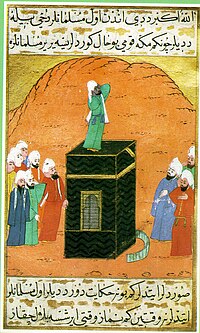
It was borne by the first Muezzin (Caller to Prayer) and a disciple of the Prophet Mohammed. He was an Ethiopian slave who had been emancipated by Mohammed.

As of 2010, Bilal was the 37th most popular male name in Bosnia & Herzegovina. His rankings in other countries are as follows:

  • # 90 (Catalonia, 2010)
  • # 147 (France, 2009)
  • # 217 (Netherlands, 2010)

The name is used throughout the Islamic world.

Another notable bearer was Bilal Xhaferri (1935–1986), an Albanian poet, novelist and political dissident against the Albanian communist regime.

Naila

Gender: Feminine
Origin: Arabic نائلة
Meaning: “attainer.”

The name is derived from the Arabic male name, Nail, which comes directly from the Arabic word for “attainer.”

The name was borne by the wife of Caliph Uthman I, an Iraqi Christian convert, who tried to defend her husband while a mob was killing him and in the process, ended up getting her fingers cut off.

It is also the name of a town in Bavaria.

As of 2010, its Bosnian form of Najla was the 70th most popular female name in Bosnia & Herzegovina. Another Bosnian form is Naijla.

A Bosnian diminutive form is Naja (NYE-yah)