
- Origin: Shona
- Meaning: “you have given us.”
- Gender: Unisex
Derived from the Shona makatipa, meaning, “you have given us.”
Sources
Derived from the Shona makatipa, meaning, “you have given us.”
Sources
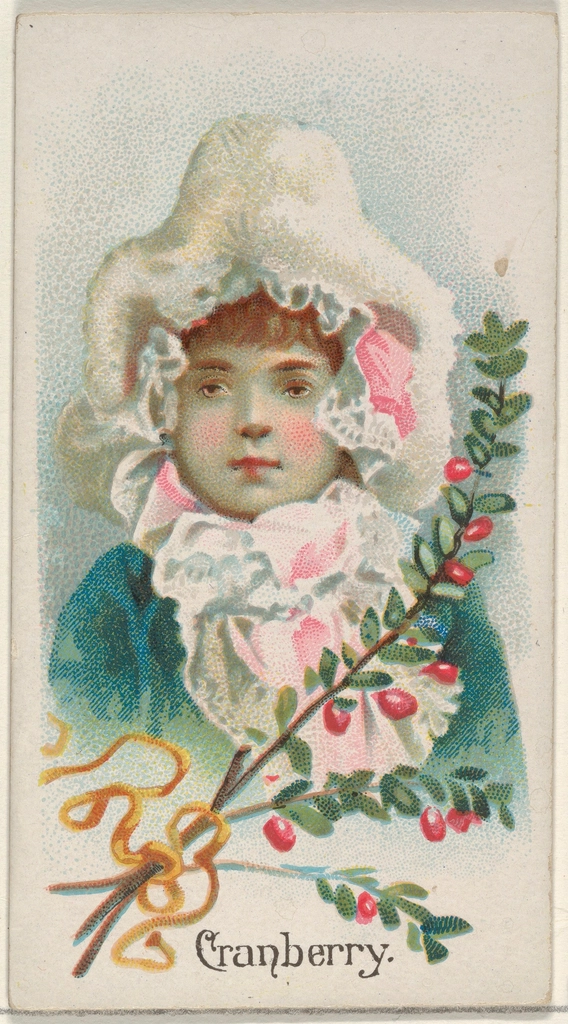
A Pre-Christian Mordvin female name meaning, “cranberry.”
Source
The name is a transliteration of the Chinese unisex name 冬梅 (winter plum). This is the most popular form. Other character combinations for this name are possible, which then alters the meaning and in some cases, the gender. There is 东 dong (east) & 梅 mei (plum; apricot); or 东 mei (little sister) or 美 mei (beautiful). There are numerous other character combinations that will alter the meaning.
Sources

These are separate names but they have identical pronunciation. The former is from the Yoruba phrase ará-olúwa (the Lord’s kin), while the latter is derived from àrà-olúwa, meaning, (the Lord’s wonder).
A common short form is Ara.
Sources

This lyrical gem looks like a cross between Tammy & Lora, but is actually a Yoruba feminine name. It comes from the Yoruba phrase, ta mí lọ́rẹ, literally, “give me a gift.” It would make a lovely and unique option for a child born around the holidays.
Possible nicknames include, Tami, Tammie, Tammy, Lore or Lori.
Source

The name is borne in Greek mythology by the daughter of Astraeus and Eos. She is the goddess of justice, innocence, purity, & precision and is closely associated with Dike, the goddess of Justice. According to Ovid, Astraea was a mortal woman during the Golden Age, but ascended into the heavens to become the constellation Virgo.
Other froms of the name include:
Sources

The name is composed of the Yoruba words ayọ̀ (joy) kún (fill, complete, add to) & ilé (house).
Short forms are Ayo & Kunlé.
Sources

The name is composed of the Yoruba words ayọ̀ (joy); mi (my) and kún (full). A common short form is Ayo.
Sources

The name is from the Hindi word ख़ुशी which means “joy; delight; mirth; happiness.” It is a borrowing from the Persian word خوشی of the same meaning.
Another transliteration is Kushi.
Sources

The name comes directly from the Cornish noun meaning “happiness; bliss; joy.”
It is sometimes spelled Lowenna to reflect the true pronunciation.
Sources