Brynhild

Gender: Feminine
Origin: Old Norse
Meaning: “armour battle.”
Eng (BRIN-hild).

Brynn and Matilda are on the rise, so why hasn’t Brynhild caught on? All we need is just one celebrity to be bold enough to use this name and then we’ll see it skyrocket into popularity. I am serious 🙂

The name is derived from the Old Norse, Brynhildr, which is composed of the elements, brynja (armour) and hildr (battle).

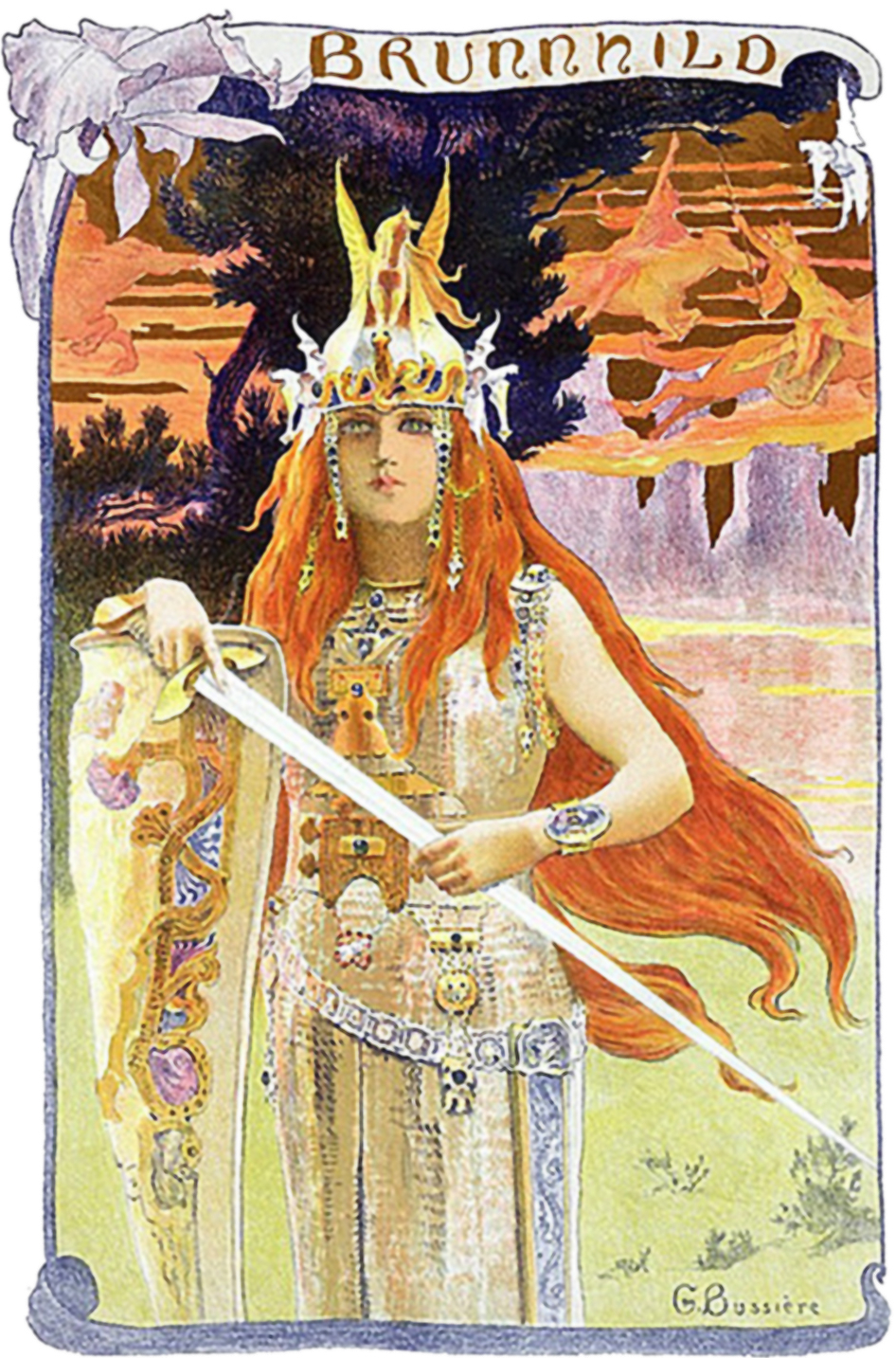
The name is borne by a valkyrie in Norse Mythology, she appears as a major figure in the Völsunga Saga.

The long tragic story starts off with Brynhild being transformed into a mortal woman by Odin for rigging a game between two warriors. A spell was cast upon her to sleep within a ring of fire, only a valiant warrior is able to break the spell and Sigurðr Sigmundson, aka Siegfried, does so by breaking through Brynhild’s armour. The two fall in love and are about to marry, but not is all as it seems. Brynhild takes Sigurðr to her family’s castle where he vows to marry her and love her forever, afterwards, Sigurðr takes off on a business trip, to meet with the Burgundian king, promising to return for Brynhild.

Enter Gudrun, the daughter of the Burgundian king and of the sorceress, Grimhild. Gudrun wants Sigurðr for herself, so she shows up at Brynhild’s castle and makes up a false prophecy, foretelling Sigurðr’s betrayal of Brynhild. Meanwhile, Gudrun’s mother, Grimhild, concocts a potion for Sigurðr, making him forget his beloved Brynhild. Sigurðr marries Gudrun. Grimhild decides that Brynhild would make the perfect wife for her son, Gunnar, but upon visiting Brynhild’s family home, Gunnar is stopped from entering by a magical ring of fire! Sigurðr, who had accompanied Gunnar on the trip, decides to shapeshift into the form of Gunnar and is able to enter the ring of fire. In the form of Gunnar, he proposes to Brynhild while carefully preventing himself from taking her virginity. Sigurðr and Gunnar reverse back to their natural forms, and Brynhild marries Gunnar. Now, this is where things get a bit ugly.
Brynhild and Gudrun get into an argument over whose husband is better. Brynhild boasts that Gunnar was brave enough to rescue her from the ring of fire, Gudrun, in anger, reveals that it was actually Sigurðr who rescued Brynhild and not Gunnar. In revenge, Brynhild incites Gunnar to kill Sigurðr by saying that Sigurðr took her virginity after he rescued her. Gunnar is too afraid to kill Sigurðr as he does not want to break his oath of brotherhood which he swore with Sigurðr, so he gives his younger brother, Guttorm, a magical potion that gives him an urge to kill, the victim being Sigurðr.

For whatever reason, Brynhild decides to throw herself on Sigurðr’s funeral pyre and the two are believed to have lived, happily ever after, in Hel, (not to be confused with the Christian Hell), as a couple.

The same story also appears in the Nibelungelied with slight variations, this in turn becomes the inspiration of Wagner operetic Ring Cycle.

It has been suggested that the Brynhild of mythology may have been based upon a Visigothic princess, Brunhilda of Austrasia (5th-century, C.E.).

As of 2010, Brynhild was the 8th most popular female name in the Faroe Islands.

Other forms of the name include:

  • Bruneguilda (Catalan)
  • Brunequilda (Catalan)
  • Brynild (Danish)
  • Brynhild (Faroese/Finnish/Scandinavian)
  • Brunehaut (French)
  • Brunehilde (French)
  • Brunichild (German)
  • Brun(i)hild(e) (German)
  • Brünhild (German)
  • Brynhildur (Icelandic)
  • Brunilde (Italian)
  • Brynel (Norwegian)
  • Brønla (Norwegian)
  • Brønnil(d) (Norwegian)
  • Brynhildr (Old Norse)
  • Brunilda (Portuguese/Spanish)
  • Nilda (Portuguese/Spanish)
  • Brynhilda/Brynhilde (Swedish)

Enoch

Gender: Masculine
Origin: Biblical Hebrew חֲנוֹך 
Meaning: “dedicated.”
Eng (EE-nock)

The name is derived from the Hebrew,  חֲנוֹך Chanokh, meaning, “dedicated.”

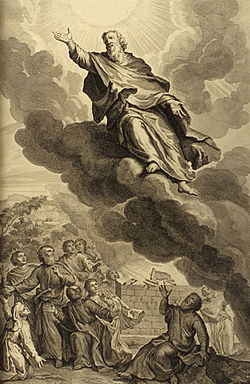
The name appears several times in the Old Testament, the most notable bearers being a son of Cain and a father of Methuselah. The latter is one of the seven pre-Deluge Patriarchs and is considered a major figure in Islam, (in Islam he is referred to as Idris), Judaism and various Christian branches. He is attributed as being the author of the apocryphal Book of Enoch,  which recounts the rise and fall of the Nephilim.

In the English-speaking world, the name came into usage after the Protestant Reformation. It was borne by American Revolutionary soldier and spy, Enoch Crosby (1750-1835), American entrepreneur and philanthropist, Enoch Pratt (1808-1896) and British politician, Enoch Powell (1912-1998).

As of 2010, its Scandinavian form of Enok was the 8th most popular male name in the Faroe Islands.

Other forms of the name include:

  • Enok (Albanian)
  • Henock (Amharic)
  • Enoch Енох (Bulgarian/English/German/Italian/Polish/Russian/Ukrainian)
  • Henoc (Catalan)
  • Henok (Croatian)
  • Eenok (Estonian)
  • Enok (Faroese/Icelandic/Scandinavian)
  • Enokur (Faroese)
  • Hanok (Faroese)
  • Henoch (Faroese)
  • Eeno (Finnish)
  • Eenokki (Finnish)
  • Eenukki (Finnish)
  • Einokki (Finnish)
  • Einukki (Finnish)
  • Ienokki (Finnish)
  • Enoki ენოქი (Georgian)
  • Énokh (Hungarian)
  • Enoque (Portuguese)
  • Enoh (Romanian)
  • Henoh (Slovene)
  • Enoc (Spanish)
  • Enock (Swedish)

Alma

The name has several different origins and meanings. Its usage as a name in Britain skyrocketed around 1854, after the victorious Battle of Alma, which took place near the Alma River in the Crimea.
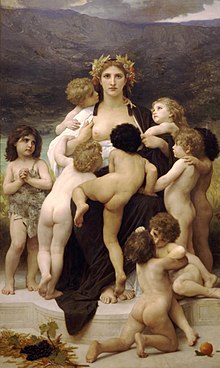
In this case, the name is derived from the Tatar word for, “apple.” It is interesting to note that Alma, till this day, is a traditional and common female name across Central Asia, especially among Russian-Tatars, Kazakhs and Uzbeks. In Uzbek, it appears in the form of Olma. Alma is also the word for apple in Hungarian, where it is also occasionally used as a female given name.

The name also appears in Edmund Spenser’s The Faerie Queen as the name of a minor character, the head of the House of Temperance in Book 2. In this case, the name is most likely taken from the Portuguese and Spanish word for “soul.”

Alma appears sparingly as a female given name in Renaissance Italy, in this case, it is most likely derived from the Latin, almus, meaning, “nourishing”; hence the term, alma mater (fostering mother). This usage of the name also appears as an epithet for a few Roman goddess, particularly Venus and Ceres.

It is the name of a book in The Book of Mormon, but in this case, it is masculine, being the name of two prophets, a father and son; Alma the Younger being the Chief Judge among the Nephites.

Other etymologies which have been suggested, include:

  • It is from the Greek, αλμη (salt water)
  • It is from an Arabic source, al-ma, meaning, (the water).
  • It is a contracted form of Amalia and Amalberga.

The name is used in virtually every European country, including Scandinavia, where it is currently very trendy.

As of 2010, Alma was the 8th most popular female in the Faroe Islands. Her rankings in other countries are as follows:

  • # 23 (Sweden, 2010)
  • # 24 (Denmark, 2010)
  • # 48 (Norway, 2010)
  • # 49 (Bosnia & Herzegovina, 2010)
  • # 80 (Spain, 2010)
  • # 849 (United States, 2010)


Boaz

Gender: Masculine
Origin: Biblical Hebrew  בֹּעַז
Meaning: “strength; swiftness.”
Eng (BO-az)

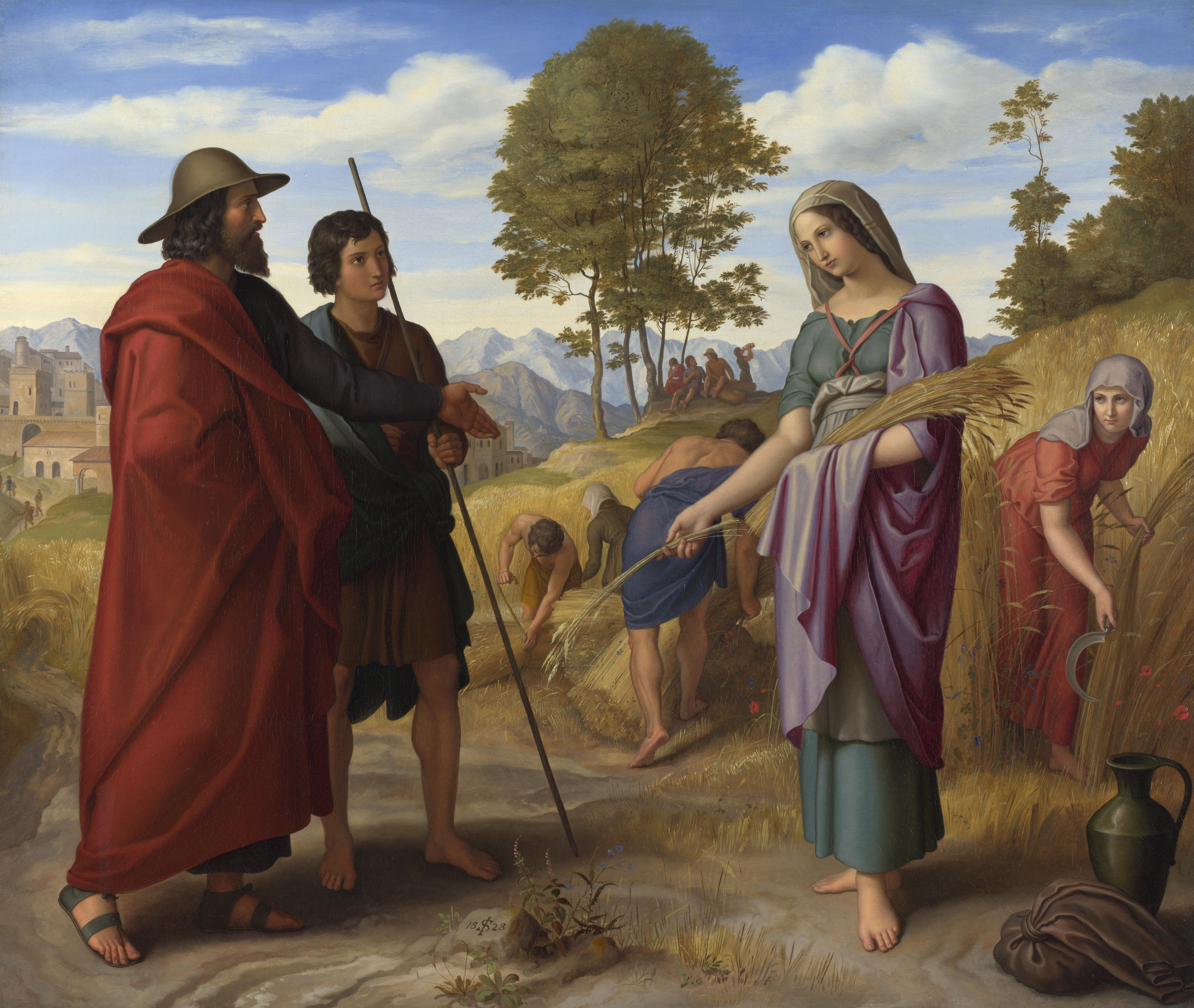
The name appears several times throughout the Bible, in the Old Testament it is the name of the husband of Ruth, traditionally believed by Christians to be a direct ancestor of Jesus. It is also the name of one of the columns in Solomon’s Temple.

The name also appears in the Book of Mormon as the name of a city in which the Nephites  won a battle against the Lamanites.

As of 2010, its Scandinavian form of Boas was the 5th most popular male name in the Faroe Islands, while its specifically Faroese relative of Bóas was the 9th most popular.

In the Netherlands, Boaz was the 78th most popular male name, (2010).

Other forms of the name include:

  • Booz (Basque/Catalan/Indonesian/Latin: Biblical/Polish/Spanish)
  • Boaz Бо́аз (Dutch/English/French/Polish/Portuguese/Ukrainian)
  • Bóas (Faroese/Icelandic)
  • Boas (German/Scandinavian)
  • Boós Βοόζ Вооз (Greek/Russian)

Rebecca

Gender: Feminine
Origin: debated
Meaning: debated
Eng (re-BEK-ka)

Rebecca is the English form of the Biblical Hebrew רִבְקָה (Rivqah), which possibly means “snare” or “noose” possibly referring to captivation or beauty, but may also be of an unknown Aramaic source.

The name is borne in the Bible by the Aramean wife of Isaac and the mother of Jacob and Esau. She is considered a Jewish matriarch.

In the English speaking world, the name was seldom used until the Protestant Reformation, where it became an exceedingly popular name. Pocahantas even took this as her Christian name upon her baptism.

Currently, Rebekka is the 3rd most popular female name in Faroe Islands, (2010). Her rankings in other countries are as follows:

  • # 20 (Rebecca, Italy, 2010)
  • # 24 (Rebeka, Hungary, 2010)
  • # 37 (Rebecca, Northern Ireland, 2010)
  • # 38 (Rebecca, Scotland, 2010)
  • # 48 (Rebecca, Ireland, 2010)
  • # 75 (Rebeka, Slovenia, 2010)
  • # 75 (Rebecca, Sweden, 2010)
  • # 82 (Rebecca, England/Wales, 2010)
  • # 137 (Rebecca, United States, 2010)
  • # 290 (Rebecca, Netherlands, 2010)
  • # 304 (Rebecca, France, 2009)
  • # 404 (Rebekah, United States, 2010)

Other forms of the name include:

  • Rafqa ﻪﻔﻴﻓﺍﺭ (Arabic/Syriac)
  • Rebeka Ребека (Bosnian/Bulgarian/Czech/Hungarian/Lithuanian/Polish/Slovak/Slovene)
  • Rebeca (Catalan/Ladino/Portuguese/Romanian/Spanish)
  • Rebekka (Dutch/Ethiopian/Finnish/German/Scandinavian)
  • Rebecca (English/Italian/Scandinavian)
  • Becca (English)
  • Reba (English)
  • Rebekah (English)
  • Rébecca (French)
  • Rebèque (French)
  • Rebekah (Greek: Biblical)
  • Revekka Ρεβέκκα (Greek: Modern)
  • Rifqa (Hebrew: Biblical)
  • Riva/Rivka רִבְקָה, רבקה אמנו (Hebrew: Modern)
  • Réba (Hungarian)
  • Ribka (Indonesian)
  • Ryfka (Polish-Yiddish)
  • Rebecke (Plattdeutsch)
  • Revekka Реве́кка (Russian)
  • Reveka (Serbian)
  • Rebecka (Swedish)
  • Rifka/Riwka (Yiddish)

The name was the subject of the 1938 British novel of the same name, written by Daphne du Maurier. It is also borne by a 19th-century Lebanese Christian saint. The designated name-day is March 23 (France).

Common English diminutive forms include: Becca, Beck, Becky, Bex, Reba and Rebi.

Sources

  1. Genesis 22:20-23
  2. http://www.ou.org/torah/ti/5764/toldot64.htm
  3. http://www.behindthename.com/name/rebecca
  4. http://www.askoxford.com/firstnames/rebecca?view=uk

Leah

Gender: Feminine
Origin: Hebrew
Meaning: debated
Eng (LEE-uh); Heb (LAY-ah)

The name is found in the Old Testament as the name of the sister of Rachel and the first wife of Jacob.

In Jewish tradition, Leah is considered a matriarch and among Christians, she is believed to be the direct ancestor of Jesus.

Its exact meaning and origins are debated. Many scholars believe that it is from the Hebrew לְאָה (le’ah), meaning, “weary.” Other sources have suggested that it is from an Akkadian source meaning, “lady; mistress.”

In the English speaking world and on the continent, it was not common outside the Jewish community until after the Protestant Reformation.

Currently, Leah ranks in as the 24th most popular female name, (2010) and this is the highest the name has ranked in U.S. naming history. She is quite popular in other countries, her rankings in other countries are as follows:

  • # 1 (Lea, Faroe Islands, 2010)
  • # 1 (Léa, Monaco, 2009)
  • # 1 (Lea, Romansch-speaking, Switzerland, 2010)
  • # 2 (Léa, French-speaking, Switzerland, 2010)
  • # 2 (Lea, Liechtenstein, 2010)
  • # 3 (Léa, France, 2009)
  • # 3 (Lea, Luxembourg, 2009)
  • # 5 (Lea, Austria, 2010)
  • # 5 (Lea, German-speaking, Switzerland, 2010)
  • # 5 (Léa, Belgium, 2010)
  • # 5 (Lea/Leah, Germany, 2011)
  • # 9 (Lea, Malta, 2010)
  • # 14 (Leah, Norway, 2010)
  • # 15 (Leah, Ireland, 2010)
  • # 17 (Lea, Croatia, 2009)
  • # 20 (Leah, Northern Ireland, 2010)
  • # 25 (Leah, Scotland, 2010)
  • # 39 (Lea, Slovenia, 2010)
  • # 46 (Lea, Denmark, 2010)
  • # 49 (Lea, Sweden, 2010)
  • # 50 (Leah, England/Wales, 2010)
  • # 55 (Leia, Sweden, 2010)
  • # 56 (Leah, Canada, BC, 2010)
  • # 59 (Lia, Slovenia, 2010)
  • # 63 (Leah, New Zealand, 2010)
  • # 89 (Lea, Norway, 2010)
  • # 95 (Lia, Hungary, 2010)
  • # 96 (Leah, Australia, NSW, 2010)
  • # 299 (Lia, France, 2009)
  • # 320 (Leia, France, 2009)
  • # 356 (Lia, Netherlands, 2010)
  • # 386 (Leah, Netherlands, 2010)
  • # 418 (Lea, Netherlands, 2010)
  • # 566 (Lea, United States, 2010)
  • # 830 (Leia, United States, 2010)

Other forms of the name include:

  • Lia (Catalan/Czech/Hungarian/Italian/Portuguese/Biblical Latin/Slovene)
  • Lea (Czech/Dutch/Estonian/Finnish/German/Hungarian/Icelandic/Norwegian/Polish/Romansch/Scandinavian/Slovak/Slovene/Spanish/Turkish)
  • Leah (English/Ethiopian/German/Scandinavian)
  • Leea (Finnish)
  • Leija (Finnish)
  • Leja (Finnish)
  • Lessu (Finnish)
  • Léa (French)
  • Leaette/Liette (French: originally a diminutive form, used as an independent given name, especially among French Huguenots).
  • Lía (Galician/Spanish)
  • Leia Λεια (Greek: Biblical)
  • Léá (Irish-Gaelic)
  • Lija/Liya Лия (Russian)
  • Lejá (Sami)

Common Czech diminutives include:

  • Leana
  • Leí
  • Leonka
  • Leoša
  • Leuška
  • Leúšik
  • Lienka
  • Liuška

The designated name-days are: January 5 (Estonia/Finland), March 22 (France), April 29 (Slovak), June 26 (Sweden).

Eva, Eve

Gender: Feminine
Origin: Hebrew
Meaning: “life.”
Eng (EEV); (EE-vuh); Germ/Sp/Pol (EV-ah)

The name is borne in the Bible and in the Quran by the first woman created by God. She and her husband were expelled from the Garden of Eden after eating from the Tree of Knowledge.

The name is believed to be derived from the Hebrew roots חַוָּה, Ḥavvāh, from the Hebrew root ḥāyâ meaning “life” and the Semitic element, ḥyw “to live.” Both the Hebrew word chavah meaning “to live” and chayah meaning “to breath” share the same root.

Despite Eve’s fall from Grace in the Bible, the name was always in usage among Jewish, Christian and Muslim communities. In England, its usage can be traced back to the 12th-century. Its Latinate form of Eva, has always been a classic in continental Europe, especially in Germany, Poland, Slovakia and the Czech Republic.

As of 2010, Eva was the most popular female name in the Faroe Islanda and in Slovenia. Eve, Eva and all her various forms’ rankings in other countries are as follows:

  • # 3 (Iceland, 2010)
  • # 4 (French-speaking, Switzerland, 2010)
  • # 5 (Netherlands, 2010)
  • # 7 (Ieva, Lithuania, 2010)
  • # 10 (Armenia, 2010)
  • # 10 (Evie, England/Wales, 2010)
  • # 14 (Northern Ireland, 2010)
  • # 15 (France, 2009)
  • # 17 (Scotland, 2010)
  • # 20 (Belgium, 2009)
  • # 24 (New Zealand, 2010)
  • # 26 (Australia, NSW, 2010)
  • # 29 (Croatia, 2010)
  • # 31 (Evie, Scotland, 2010)
  • # 33 (Evie, Australia, NSW, 2010)
  • # 37 (England/Wales, 2010)
  • # 44 (Eevi, Finland among Finnish-speakers, 2010)
  • # 44 (Ireland, 2010)
  • # 46 (Austria, 2010)
  • # 47 (Canada, BC, 2010)
  • # 48 (Spain, 2010)
  • # 55 (Catalonia, 2010)
  • # 55 (Éabha, Ireland, 2010)
  • # 56 (Eve, Northern Ireland, 2010)
  • # 59 (Eve, Ireland, 2010)
  • # 86 (Norway, 2010)
  • # 91 (United States, 2010)
  • # 92 (Eve, England/Wales, 2010)
  • # 99 (Eve, Australia, NSW, 2010)
  • # 201 (Eve, France, 2009)
  • # 589 (Eve, United States, 2010)
  • # 705 (Evie, United States, 2010)

Other forms of the name include:

  • Eva Ева ევა
    (Afrikaans/Albanian/Armenian/Basque/Belarusian/Bosnian/Catalan/Croatian/Czech/Dutch/Faroese/French/Frisian/Galician/Georgian/German/Icelandic/Italian/Portuguese/Romansch/Spanish/Scandinavian)
  • Evis (Albanian)
  • Mahalet/Mahlet (Amharic)
  • Hawa حواء Хауа (Arabic)
  • Yeva (Armenian)
  • Həvva (Azeri)
  • Yeva Ева Эва (Belarusian/Russian/Ukrainian)
  • Yevga Евга (Belarusian)
  • Hava (Bosnian)
  • Evy (Danish/Norwegian/Swedish: initially a diminutive form, occasionally used as an independent given name)
  • Eveke (Dutch: initially a diminutive form, used as an independent given name, EV-eh-ke)
  • Eve (English/Estonian/Walon)
  • Evie (English)
  • Hawat/Hewa (Egyptian/Coptic)
  • Eeva (Estonian/Finnish)
  • Eevi (Estonian/Finnish)
  • Evi (Estonian)
  • Ivi/Iivi (Estonian)
  • Iivika (Estonian)
  • Ève (French)
  • Eefje, Eefke (Frisian)
  • Hawwa ሕይዋን (Ge-ez)
  • Eua Ευα (Greek)
  • Chava חַוָה (Hebrew: Modern: KHAH-vah, gutteral CH sound)
  • Éva (Hungarian: AY-vaw, diminutive form is Évike)
  • Hawa (Indonesian/Malayalam)
  • Éabha (Irish-Gaelic)
  • Ieva (Latvian/Lithuanian: YEH-vah)
  • Evuzus (Malaysian)
  • Aaue (Manx)
  • Èva (Occitanian)
  • Ewa (Polish: EH-vah, diminutive forms are Ewka, Ewunia and Ewusia)
  • Evá (Sami)
  • Evelia (Spanish)
  • Evita (Spanish)
  • Eba (Tagalog)
  • Havva (Turkish)
  • Efa (Welsh)

Italian masculine form is Evo.

Traditionally, in most European countries, the name-day for Adam and Eve is December 24.

Frederick

Gender: Masculine
Origin: German
Meaning: “peaceful ruler.”
Eng (FRED-eh-rick; FRED-rick)

The name is composed of the Germanic elements, frid (peace) and rich (ruler). The name has been popular in the Germanic world since the 10th century. It was borne by three dukes of Austria, including Frederick the Fair (1289-1330), the first king of Austria. It was extremely popular among minor German royalty and was eventually borne by Frederick II, King of Prussia, also known as Frederick the Great (1712-1786)

Among Danish Royalty, it has been tradition to alternate naming the eldest son either Christian or Frederick each generation. Frederick, so far, has been borne by nine Danish kings and is currently borne by the Danish Crown Prince (b.1968).

In the Middle Ages, it was borne by three Holy Roman Emperors, including the illustrious Crusader, Frederick I Barberossa (the Red Beard).

The name was introduced into England by the Normans, but became popular in the 18th-century when the German Hanovers inherited the British Throne, which has issued at least one Frederick thus far: Frederick, Prince of Wales (1707–1751), eldest son of King George II of England.

As of 2010, its Danish form of Frederik was the 7th most popular male name in Denmark. His rankings in other countries are as follows:

  • # 11 (Federico, Italy, 2010)
  • # 16 (Federico, Argentina, 2009)
  • # 35 (Fredrik, Norway, 2010)
  • # 95 (England/Wales, 2010)
  • # 393 (Frederik, Netherlands, 2010)
  • # 496 (United States, 2010)

Other forms of the name include:

  • Ferry (Alsatian)
  • Frederig (Breton)
  • Frederic (Catalan)
  • Bedřich (Czech)
  • Frederick (English)
  • Fríðrikur (Faroese)
  • Fredrik (Finnish/Scandinavian)
  • Frédéric (French)
  • Freark (Frisian)
  • Fridric (Frisian)
  • Frerich (German)
  • Friedrich (German)
  • Frigyes (Hungarian)
  • Friðrik (Icelandic)
  • Feardorcha (Irish)
  • Federico (Italian/Spanish)
  • Federigo (Italian)
  • Fredo (Italian)
  • Fricis (Latvian)
  • Frīdrihs (Latvian)
  • Frydrichas (Lithuanian)
  • Friduric (Old High German)
  • Friðrikr (Old Norse)
  • Freerk (Plattdeustch)
  • Fryderyk (Polish)
  • Frédéri (Poitvin)
  • Frederico (Portuguese)
  • Frederi (Provançal)
  • Fadri (Romansch)
  • Frideric (Romansch)
  • Riet (Romansch)
  • Riget (Romansch)
  • Friderik (Slovene)
Common diminutives include:
  • Bedřišek (Czech)
  • Béďa (Czech)
  • Béďánek (Czech)
  • Bédísek (Czech)
  • Fedder (Danish)
  • Fred (English/Scandinavian)
  • Freddy (English/Scandinavian)
  • Frits (Faroese)
  • Fiete (Frisian)
  • Fiddy (German)
  • Freidi (German)
  • Freidl (German)
  • Fre(r)k (German)
  • Fritz (German)
Its feminine form of Federica is currently the 21st most popular female name in Italy, (2009), while Frederikke is currently the 38th most popular female name in Denmark, (2010) and Frédérique is the 150th most popular female name in the Netherlands, (2010).
Other feminine forms include:
  • Bedřiška (Czech)
  • Frederikke (Danish/Norwegian)
  • Frédérique (Dutch/French)
  • Frederica (English/Portuguese)
  • Friðrika (Faroese/Icelandic)
  • Fredrika (Finnish/Swedish)
  • Friederike (German)
  • Federica (Italian)
  • Fryderyka (Polish)
  • Fadrica (Romansch)
  • Fadrina (Romansch)

Silas

Gender: Masculine
Origin: Greek
Eng (SIE-las); Dan (SEE-lahs)

The name is a Greek form of the Latin male name, Silvanus.

It is borne in the New Testament by a companion of St. Paul, he is revered as a saint in both the Eastern and Roman Churches.

As of 2010, Silas was the 21st most popular male name in Denmark. His rankings in other countries are as follows:

  • # 221 (United States, 2010)
  • # 311 (Netherlands, 2010)

Other forms of the name include:

  • Sila Сіла (Belarusian/Bulgarian/Italian/Russian/Serbian/Ukrainian)
  • Silas (Catalan/Dutch/English/French/German/Portuguese/Scandinavian/Spanish)
  • Sylas (Polish)

Rasmus

Gender: Masculine
Origin: Scandinavian
(RAHS-moos)

The name is a Danish and Swedish form of the Greek male name, Erasmus Ερασμος, meaning, “beloved.”

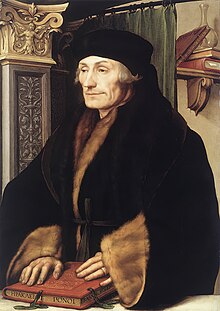
It was borne by a 4th-century Greek saint and martyr, also known as St. Elmo. It was later borne by a renowned Dutch scholar and humanist for whom the Erasmus Program was named.

As of 2010, Rasmus was the 26th most popular male name in Denmark and the 42nd most popular male name in Sweden.

Other forms of the name include:

  • Erasme (Catalan)
  • Erazmo (Croatian)
  • Erasmus (Dutch/English/Finnish/German/Romansch/Scandinavian)
  • Rasmus (Danish/Faroese/Finnish/Icelandic/Norwegian/Swedish)
  • Elmo (English/German/Italian)
  • Asmo (Finnish)
  • Érasme (French)
  • Erazmus (Hungarian)
  • Erasmo (Italian/Portuguese/Spanish)
  • Ermo (Italian)
  • Rasin(us) (Norwegian)
  • Rasofiel (Norwegian)
  • Rasman(n) (Norwegian)
  • Erazm Эра́зм (Polish/Russian)
  • Erasm (Romanian)
  • Rásm(m)os (Sami)
  • Rástoš (Sami)
  • Erazem (Slovene)
An obscure Danish and Norwegian feminine form is Rasmine.