Ephraim

  • Origin: Biblical Hebrew אֶפְרַיִם
  • Meaning: “fruitful; double fruited; increasing.”
  • Gender: masculine
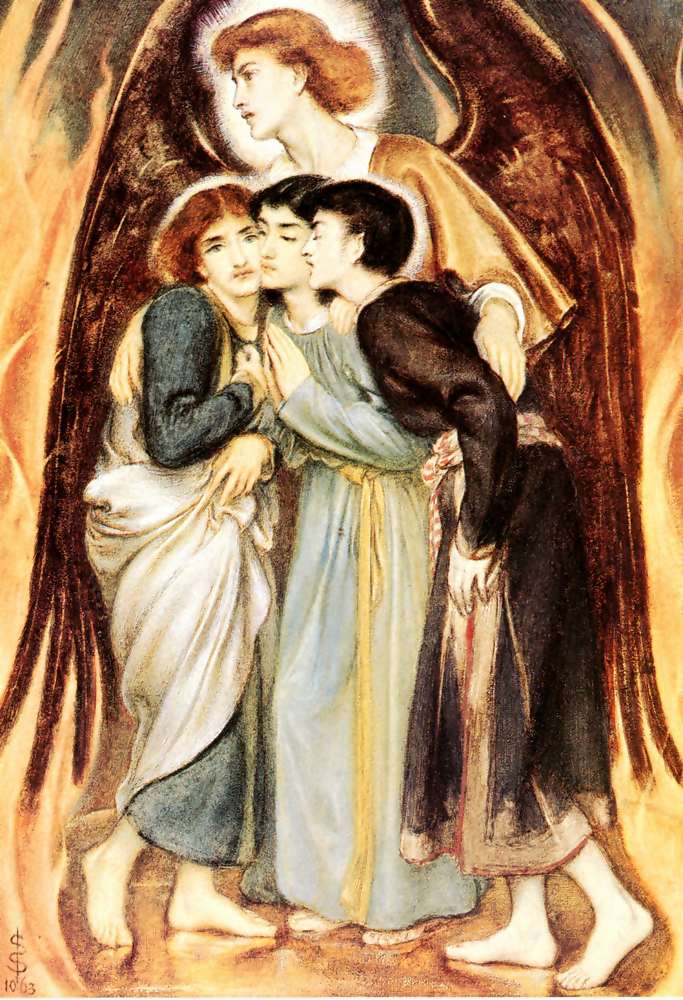
“Ephraim” Francisco Hayez

The name is borne in the Bible by the son of Joseph and Asenath, who is considered a patriarch, as he is a founder of one of the 12 trubes of Israel. According Genesis 41:52, he is named thus by Joseph because “God has made me fruitful in the land of my suffering.”

The name was also borne by a few early Christian saints, including St. Ephraim of Syria (4th-century, CE).

Ephraim appeared in the U.S. Top 1000 between 1880-1914, it disappeared for 99 years and reappeared in the charts in 2013. For its first centennial cycle, it peaked at #403 in 1880. As of 2023, it was the 992nd most popular male name.

Its Spanish counterparts of Efraín and Efrén have also appeared in the U.S. Top 1000, Efraín appeared between 1950 and 2014, peaking at #469 in 1981 whilst Efrén appeared between 1966-2007, peaking at #768 in 1990.

Forms/Usages

  • Efrayim ኤፍራይም (Amharic, Modern Hebrew)
  • Yeprem, Jeprem, Eprem Եփրեմ (Armenian)
  • Afrem ܐܦܪܝܡ (Assyrian)
  • Afri ܐܦܪܝ (Assyrian)
  • Afron ܥܦܪܘܢ (Assyrian)
  • Aprem, Aprim ܐܦܪܝܡ (Assyrian)
  • Efrim ܐܦܪܝܡ (Assyrian)
  • Ephraim ეფრაიმ (Georgian); Εφραιμ (Greek); ⲉⲫⲣⲁⲓⲙ (Coptic); ܐܦܪܝܡ(Syriac) (Assyrian, Dutch, English, Estonian, German, Greek, Portuguese)
  • Akhrym, Ahrym Акхрым (Belarusian)
  • Yafrym Яфрым (Belarusian)
  • Efraïm (Catalan, Dutch)
  • Efrajim (Czech)
  • Efraim (Finnish, Hungarian, Italian, Nordic, Polish, Romanian)
  • Eprami (Finnish)
  • Éphraïm (French)
  • Îvfa (Greenlandic)
  • Eframi (Icelandic)
  • Efraím (Icelandic)
  • Efraimo (Italian)
  • Efrem (Italian, Polish)
  • Effrem (Italian)
  • Efro (Italian)
  • Ephraem (Late Latin)
  • Ephraimus (Late Latin)
  • Ofrem (Russian, Archaic)
  • Yefraim, Jefraim Эфраим (Russian)
  • Yefrem Ефрем (Russian)
  • Jevrem Јеврем (Serbian)
  • Efraín (Spanish)
  • Efrén (Spanish)
  • Ohrim, Okhrim Охрім (Ukrainian)
  • Evron ֶבְֿרוֹן (Yiddish)

Sources

Mishael, Misael

Simeone Solomone, Shadrach, Meshach, Abednego
  • Origin: Biblical Hebrew מישאל
  • Meaning: debated
  • Gender: Masculine
  • Transcriptions: ሚሳኤል (Amharic), Ⲙⲓⲥⲁⲏⲗ (Coptic), Μισαήλ (Greek)
  • ENG: mih-SHILE, mih-SHALE; Heb: (MEE-SHAH-yel); Sp: (mee-SAH-yel)

The name comes from the Hebrew meaning, “who is like God?; who is equal to God?,” “who is asked for?” and according to Hitchcock Bible names, “lent.” The name is borne by three male characters in the Bible, one mentioned in (Exodus 6:22) as one of the sons of Uzziel, the uncle of Moses and Aaron and most notably, it is the Hebrew name of Meshach (Dan. 1:11, 19) one of the three youths who refused to worship idols and were thrown in a furnace but miraculously survived.

Misael currently ranks in as the 192nd most popular male name in Mexico (2021) and the 790th most popular male name in the United States (2022).

In the Coptic Church, it is borne by St. Misael the Anchorite (7th-century CE).

Its feminine version of Mishaela is a pop song by Israeli pop singer, Achinoam Nini and has experienced sporadic usage in Israel and the English-speaking world. It is also the name of a character in Shining Force Gaiden: Final Conflict.

Other forms/Usage

Male

  • Misael (Amharic, Coptic, Greek, Portuguese, Spanish)
  • Misiel ܡܝܣܝܝܠ (Assyrian – Neo Aramaic)
  • Misayyl ميصائيل (Egyptian-Arabic, used by Copts)
  • Misaël (French)
  • Mischaël (German)
  • Misaele (Italian)
  • Miszael (Polish)
  • Misail Мисаи́л, Mizael Мизаел (Ukrainian, Russian)

An Italian short form is Misa.

Sources

Jediael, Jadiel

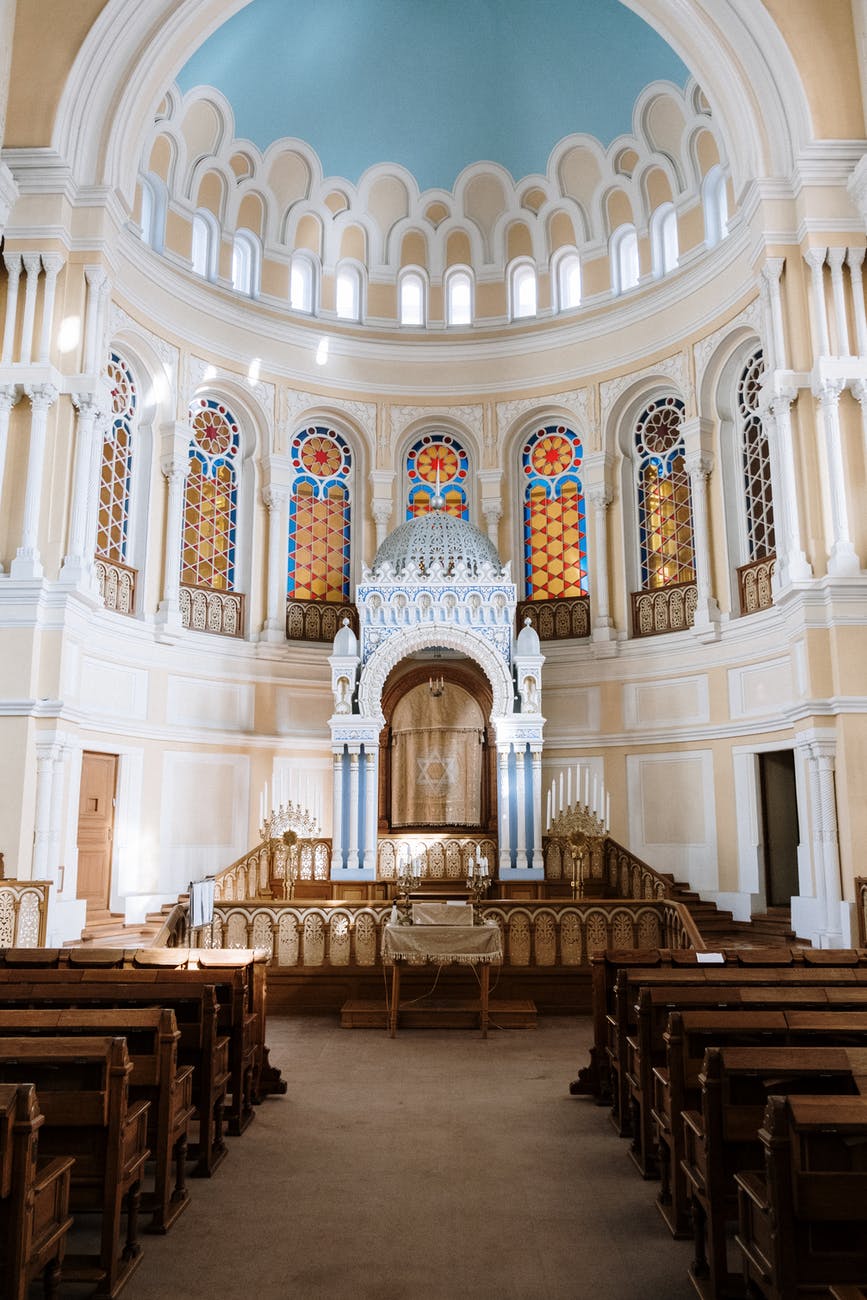
Photo by Kaushal Moradiya on Pexels.com
  • Origin: Hebrew ידיעאל
  • Meaning: “to be known by God.”
  • Gender: Masculine
  • Pronunciation: Eng (jeh-DIAL); Port (ZHAH-dee-EL); Sp (YAH-dee-EL)

The name is composed of the Hebrew words ידע (yada’) meaning, “to know,” and אל (‘el) meaning “God.”

It is borne by three minor characters in the Old Testament, mentioned in 1 Chronicles 7:6, 1 Chronicles 11:45 and 1 Chronicles 26:2.

In recent years, its Spanish and Portuguese offshoot of Jadiel and Yadiel have been popular in Latin America. It may have been popularized by Puerto Rican reggaeton singer, Jadiel (born Ramón Alberto González Adams, 1985-2014).

Jadiel has appeared in the Brazilian Top 1000 names between 1980-2000. Jadiel has been in the U.S. Top 1000 since 2008 and currently ranks in at #878 in 2022. Yadiel appeared in the U.S. Top 1000 between 2008-2021, peaking at #850 in 2009.

Other forms include:

  • Jadiel (Brazilian Portuguese, Spanish)
  • Yadiel (Brazilian Portuguese, Spanish)
  • Yadiele (Brazilian Portuguese)

Sources

Galileo, Galilea

Photo by Gu00fcl Iu015fu0131k on Pexels.com
  • Origin: Italian
  • Meaning: “from Galilee.”

Both names are derive from the Latin galilaeus, meaning “from Galilee,” which ultimately derives from the Hebrew, גָּלִיל, meaning “district; circle; hill; knoll.” The name was used in honor of the place name in the New Testament.

Galileo was borne by Galileo Galilei (1564-1642), he in turn was named for an ancestor.

As of 2022, its feminine counterpart of Galilea appears in the U.S. Top 1000 Most Popular Female names, coming in at #731.

Male forms include:

  • Galilieu (Catalan)
  • Galilé, Galilie (French)
  • Galíleó (Icelandic)
  • Galileo (Italian, Spanish)
  • Galilaeus (Latin)
  • Galileusz (Polish)

Female forms include:

  • Galilée, Galilie (French)
  • Galilice (French, archaic)
  • Galilea (Italian, Spanish)

Sources

Bezalel

  • Origin: Hebrew בְּצַלְאֵל
  • Meaning: “in the shadow of God; under the protection of God.”
  • Gender: masculine
  • Pronunciation Eng: beh-ZAH-lel

The name is borne in Exodus 31:1-6 by the chief artisan assigned by Moses to build the Tabernacle, Ark of the Covenant, priests’ vestments and other equipment with the assistance of Aholiab. In Exodus 31:1, he is listed as the son of Uri.

The name itself is believed to share a similar etymological construction with the Akkadian male names ina-ṣilli-Bēl and ina-ṣilli-Nabu (in the shadow of Baal or Nabu).

The name has always been used in the Jewish diaspora in Europe and the Middle East. It was borne by the 16th-century Ottoman rabbi and talmudist Bezalel Ashkenazi, and it was the name of the father of the Maharal of Prague,(Judah Loew ben Bezalel circ. 17th-century).

The Bezalel Academy of Arts and Design & the Jewish art movement known as the Bezalel School both take their name from the character in the Bible.

Among Russian-Jews, Vasily would have been used as a Russified form, though the names do not share an etymological relationship.

Other forms include:

  • Bezaleël (Dutch)
  • Bezalel (English, German)
  • Béséléel (French)
  • Beseleel Βεσελεήλ (Greek)
  • Bezaleèl (Italian)
  • Becalel (Polish)
  • Besaliel (Portuguese)
  • Veseleíl Веселеи́л (Russian)
  • Becalél’, Becal’ї́l Бецале́ль, Бецал’ї́л (Ukrainian)

Sources

Adonis, Adonija, Adonise

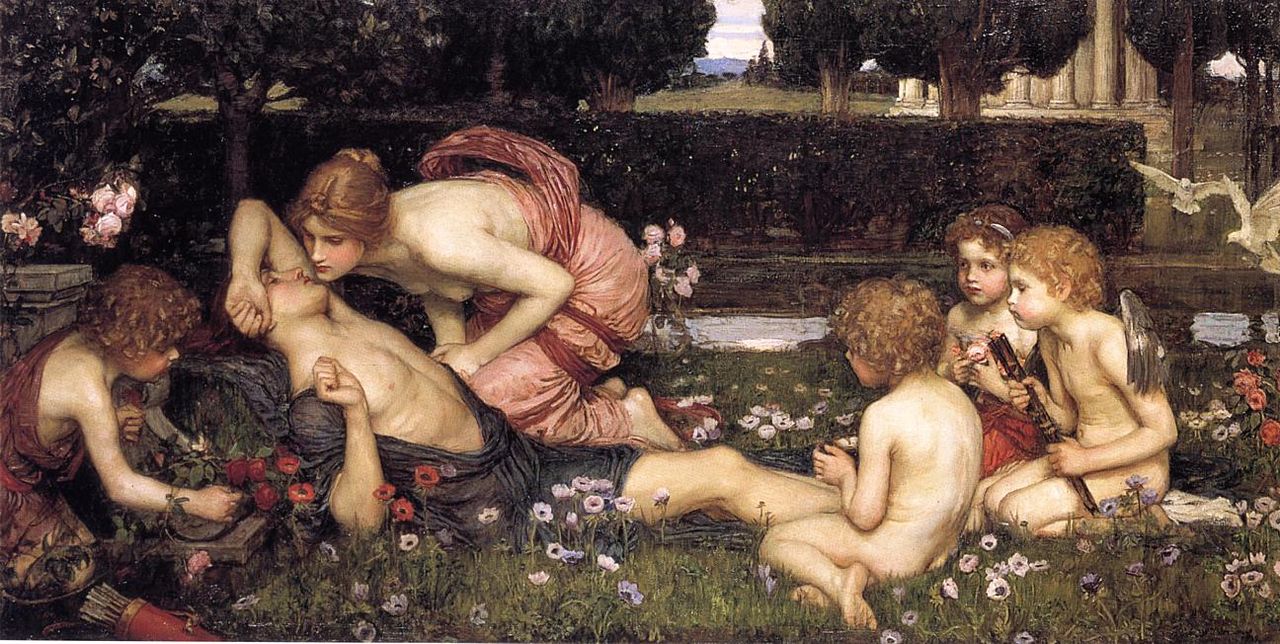
Adonis is borne in Greek mythology by the god of beauty and desire. According to the most popular myth, he was born of the incestuous union of Theias and his daughter Myrrha. Myrrha had tricked her own father into having sex with her. The gods transformed Myrrha into a myrrh tree after Theias attempted to kill her whilst pregnant with Adonis. Adonis was beloved of Aphrodite and mothered by Persephone, but he was subsequently killed by a boar when Artemis, or in some versions, Ares, sent a boar to kill Adonis out of jealousy. When Adonis died, Aphrodite cried tears which mingled with Adonis’ blood, producing the Anemone flower. Aphrodite instituted the Adonia festival in his commemoration, whereby all women had a mass mock funeral of Adonis by growing plants in potsherds on their rooftops and performing a mass funeral ritual as soon as the plants sprouted.

It is likely Adonis was imported by the Greeks from the Phoenicians, the latter being the descendants of the Sumerians, Mesopotamians & Babylonians. It is believed by most scholars that Adonis is an adaptation of the Sumerian story of Dumuzid & Inanna (later Tammuz & Ishtar), in which a ritual funeral rite was also performed by women across the former Babylonian empire. Adonis itself is a Hellenized form of the Canaanite, adon, which means “lord” and was often used as an appellation by the Canaanites for the god Tammuz. The Jews adopted this appellation for Yahweh in the form of Adonai (my lord).

Adonis is borne by an 8th-century French saint of Vienne. He is also listed as Adon & Ado. Adonis has sporadically been used as a given-name in Greece, anglophone, francophone & hispanophone countries. The French feminine off-shoots, though rare these days, are Adonise (AH-do-NEEZ) and Adonie, and were actually prevalent in 18th-centurry Quebec & New Orleans. An obscure Italian feminine form is Adonella.

There is the male Biblical Hebrew name, Adonijah meaning (my lord is Yahweh). It is borne by a son of King David and was Hellenized in the Septuagint as Adonias.

Other forms include:

  • Adonies (Catalan)
  • Adonia (Dutch, Italian, Swedish)
  • Adonija Адония (French, German, Russian)
  • Adonias Αδωνίας (French, Greek, Portuguese)
  • Adonías (Galician)
  • Adonja (Norwegian)
  • Adoniasz (Polish)
  • Adonías (Spanish)
  • Adoniya Адонія (Ukrainian)

Currently, Adonis is the 242nd most popular male name in the United States and the 461st most popular in France.

Other forms include:

  • Adonisi ადონისი (Albanian, Georgian)
  • Adonis Адонис Адоніс Άδωνις Ադոնիս (Armenian, Bosnian, Bulgarian, Croatian, Dutch, English, Estonian, French, Macedonian, German, Greek, Polish, Romanian, Russian, Ukrainian, Scandinavian, Serbian, Slovene, Spanish, Turkish)
  • Adónis Адо́ніс (Belarusian, Continental-Portuguese, Czech, Slovak)
  • Adó (Catalan)
  • Adónisz (Hungarian)
  • Adone, Adon (Italian)
  • Adônis (Brazilian-Portuguese)
  • Adón (Spanish)

Sources

Elika

The name can be of several different origins and meanings.

It is a Biblical male name that occurs in 2 Samuel 23:25 as the name of Elika the Harodite, one of David’s 37 special warriors. In this case, אֵַליקָא (Eli’ka), may mean “vomit of God” or “Congregation of God.” Some sources also list this as meaning “pelican of God.” In English, the name would be pronounced ee-LYE-kuh.

Pronounced, EH-lee-KAW الیکا, it is a Persian female name that derives from the Mazanderani language, meaning, “wild cherry.” However, it’s use in Iran may be influenced by an identical sounding Indian female name, which is derived from the Sanskrit एलीका (Elika), meaning “small cardamom.” It is also the name of a village in northern Iran of the same aforementioned Mazanderani etymology.

Elika is also a Nordic female name of uncertain etymology, it’s earliest use is recorded in 18th-century Iceland. It may derive from the the Frisian diminutive name, Alike, which is a diminutive form of any name beginning in the Adal- element, or the Frisian unisex diminutive name Elike, which is a short form of any name beginning in the EGG- element.

It may also be linked with a Greenlandic female name of uncertain etymology.

It’s Nordic form has been in use in Finland & Estonia, as well as all of Scandinavia & Iceland. It should be noted that Elike has occurred in use as a unisex name in Norway and Friesland.

Swedish and Frisian female variations include Eliko & Eliken.

Alternately, it is a Mari female name, but is of uncertain meaning, it may be a variation of Evika, meaning “slender.”

It is also the Hawaiian translation of Elisa, Eliza, Erica & Eric.

Sources

Eliel

  • Origin: Hebrew
  • Meaning: “my God is God.”
  • Gender: Masculine
  • Pronunciation: Eng (EL-ee-yel; ee-LYE-yel)

The name is composed of the same Hebrew word אל (‘el) meaning “God,” hence, some translate it to mean “my God is God.” The name is borne by several minor characters in the Old Testament.

A notable bearer was Finnish Architect, Eliel Saarinen (1873-1950).

Though an obscure Jewish name, it experienced a peak in popularity in Finland and other Scandinavian countries at the end of the 19th-century.

Eliel recently entered the U.S. Top 1000 Most Popular Male Names in 2019, currently ranking in at #664.

The designated name day in Finland is April 9th

A Dutch form is Eliël.

Sources

Magdiel

800px-Hod_Hasjaron-a011

Magdiel Garden Hod Hasharon, Israel


  • Origin: Hebrew
  • Meaning: uncertain
  • Gender: Masculine
  • Eng (MAG-dee-el); SP (MAHG-dee-EL)

The name is mentioned 2 times in the Old Testament as the name of one of the Dukes of Edom in Genesis 36:43 and the name of a descendant of Esau in Chronicles 1:54.

According to Hitchcock’s Name Dictionary it means “declaring God; chosen fruit of God,” in Hebrew. It may also derive from the Hebrew Meged El (oil of God).

In modern Jewish history, it is the name of one of the four original communities, established by Holocaust survivors in the 1940s that formed the city of Hod Hasharon.

In recent years, the name has come into common use in Latin American countries.


Other forms include:

  • Mägdiheel (Bavarian)
  • Magadiil Магедиил (Bulgarian)
  • Magdiél (Hungarian)
  • Magdielis (Lithuanian)
  • Makatiere (Maori)
  • Magdiil Магдиил (Russian)

Sources

Zadoc, Zadok

Cornelis_de_Vos_-_The_Anointing_of_Solomon

  • Origin: Hebrew צָדוֹק
  • Meaning: “righteous; just.”
  • Gender: masculine
  • Eng (ZAD-uk)

The name is from the Hebrew meaning “just; righteous.” It is borne by 5 characters in the Old Testament, most notably Zadok the High Priest during the reign of King David & King Solomon.

The name has always been used among Jews but came into use among Protestant Christians mainly in the 18th-century.

Zadok the Priest is a hymn written by Handel which was first played at King George II’s coronation and has been played at every coronation in the British monarchy since.


Other forms include:

  • Zädock (Bavarian German)
  • Sadok Садок (Bulgarian, Croatian, Polish, Russian, Scandinavian)
  • Sádoch, Sádok (Czech)
  • Zadok (Dutch, Finnish, German, English, Scandinavian)
  • Sadoq (French)
  • Sádók (Hungarian)
  • Sadoc (Italian, Latin, Spanish)
  • Haroko (Maori)
  • Tzadok (Modern Hebrew)
  • Zadoque (Portuguese)
  • Ţadoc (Romanian)
  • Cadok Цадок (Ukrainian)

Sources