Charles, Caroline

Gender: Masculine
Origin: German
Meaning: “man; free man”

The name is derived from a Germanic root word describing someone who is of the farm or peasant class. It corresponds with the Anglo-Saxon term ceorl (churl) and the Old German word karl. Both words were used to describe a male member of society who came from the lowest ranks but was not considered a servant or thrall. It is believed that its Old High German counterpart, karal, was originally used to describe any man. Interestingly enough, in the Poetic Edda, the progenitor of the peasant class is named Karl.

Its usage as a given name seems to have begun with the Frankish King and Holy Roman Emperor, Charles the Great also known as Charlemagne. As a result, the name became extremely common among French royalty and was later introduced to the British Royal Line when Mary Queen of Scots named her son Charles, later known as Charles I Stuart. Since Mary of Scots grew up in France, it is believed that her naming choices may have been influenced by her early habitation among French royalty.

The name was also extremely common among Swedish, German and Spanish Royalty.

It has also been borne by several saints.

Charles remains a fairly prevalent name throughout the Western World. In the English-speaking world, Charles’ rankings are as follows (vernacular forms are italicized):

  • # 72 (Australia, 2008)
  • # 85 (Canada, B.C., 2008)
  • # 2 Karlo (Croatia, 2009)
  • # 56 (England/Wales, 2008)
  • # 21 Carlos (Spain, 2008)
  • #63 (United States, 2008)

Its diminutive form of Charlie is often used as an independent given name, sometimes ranking even higher on the charts than its formal counterpart. His rankings are as follows:

  • # 26 (Australia, 2008)
  • # 7 (England/Wales, 2008)
  • #29 (Ireland, 2008)
  • # 1 (Isle of Man, 2009)
  • # 8 (Northern Ireland, 2009)
  • # 22 (Scotland, 2009)
  • # 42 (Sweden, 2009)
  • # 307 (United States, 2008)

Other forms of the name include:

  • Karlo (Albanian/Croatian/Finnish/Serbian)
  • Kirollis كيرولوس(Arabic: used primarily among Arab Christians if used at all)
  • Carllos (Asturian)
  • Carlos (Asturian/Galician/Portuguese/Spanish)
  • Karla/Karlos (Basque)
  • Karol (Basque/Polish/Slovak)
  • Xarles (Basque)
  • Charlez (Breton)
  • Carl/Karl Карл (Bulgarian/Finnish/German/Russian/Scandinavian/Ukrainian)
  • Carles (Catalan)
  • Charlys (Cornish)
  • Carlu (Corsican/Sicilian)
  • Karel (Czech/Dutch/Limburgish/Slovene)
  • Karelius (Danish/Norwegian: archaic)
  • Carolus (Dutch/Latin)
  • Kaarel (Estonian)
  • Kaarle/Kaarlo (Finnish)
  • Charles (French/English)
  • Charlot (French: originally a diminutive form, now completely out of usage. SHAR-lo)
  • Keerl/Kerll (German: rare form)
  • Karolos Κάρολος (Greek: Modern)
  • Kale (Hawaiian)
  • Károly (Hungarian: Kah-roi)
  • Séarlas (Irish-Gaelic)
  • Carlino/Carolino (Italian)
  • Carlo (Italian/Welsh)
  • Kārlis (Latvian)
  • Charel (Lexumbourgish: KAH-rel)
  • Sjarel (Limburgish. SHAH-rel)
  • Karolis (Lithuanian. kah-roh-lis)
  • Karlu (Maltese)
  • Carol (Romanian)
  • Carli (Romansch)
  • Carule/Carlus (Sardinian)
  • Tèarlach (Scottish-Gaelic)
  • Korla (Sorbian)
  • Kalle (Swedish: a diminutive form commonly used as an independent name. KAHL-le)
  • Siarl (Welsh: SHARL)

Czech diminutives: Karlík, Karlíček.
English diminutives: Charlie, Chas, Chaz, Chip, Chuck, Chuckie
French diminutives: Charlie, Charlot
Hungarian diminutives: Karcsi
Italian diminutives: Carletto, Carluccio
Polish diminutives: Karolek, Lolek
Portuguese/Spanish diminutives: Carlito, Carlitos

Its feminine offshoot of Caroline is a French borrowing. Pronounced (kare-uh-LINE) in English, it has always been a common name. She is currently the 94th most popular female name in the United States, (2008), her rankings in other countries are as follows: (vernacular forms are italicized)

  • #5  (Denmark 2009)
  • # 6 Carolin/Caroline (Estonia, 2007)
  • # 9 (Luxembourg, 2008)
  • # 74 (Norway, 2009)

Its more elaborate versions of Carolina/Karolina are also fairly prevalent in other countries. Carolina has had a history of usage among English-speakers as well, but among Americans, the name is usually associated with the States, both of which were named in honour of Charles I.

Currently, Carolina is the 355th most popular female name in the United States, (2008). Her rankings in other countries are as follows:

  • # 33 (Chile, 2006)
  • # 4 Karolína (Czech Republic, 2009)
  • # 14 Karolina (Poland, 2009)
  • # 54 (Spain, 2008)

Charlotte (see Charlotte entry for more info)

  • Carlota/Carlotta (Liechtenstein, 2008)
  • Carlota # 41 (Spain, 2008)

Carla/Karla

  • Carla (Catalonia Spain, 2008)
  • # 39 (Chile, 2006)
  • Karla # 7 (Croatia, 2009)
  • # 42 (France, 2006)

Other feminine forms include:

  • Carolina (Catalan/English/Italian/Portuguese/Spanish/Swedish)
  • Karla (Croatian/Czech/Dutch/German/Scandinavian)
  • Karola (Croatian/Czech/German/Hungarian)
  • Karolina (Croatian/German/Hungarian/Latvian/Lithuanian/Polish/Scandinavian/Slovak/Slovene)
  • Karolína (Czech)
  • Karoline (Danish/German/Norwegian/Swedish)
  • Carla (Dutch/English/German/Italian/Portuguese/Spanish)
  • Carola (Dutch/German/Italian/Scandinavian)
  • Carolien (Dutch: cah-ro-LEEN)
  • Caroline (Dutch/English/French/German/Scandinavian)
  • Charlotte (Dutch/English/French/German/Scandinavian)
  • Carly (English: originally a diminutive form, now used as an independent given name)
  • Carolyn (English)
  • Charla (English: contraction of Charlene)
  • Karoliina (Finnish)
  • Carole (French)
  • Charlène (French/English: In French pronounced shahr-LEN, imported into the English speaking world where it is pronounced shar/char-LEEN)
  • Charline (French: shahr-LEEN)
  • Carolin (German: cah-ro-LEEN)
  • Karline (German)
  • Sarlott (Hungarian)
  • Séarlait (Irish-Gaelic)
  • Carletta (Italian)
  • Carlina (Italian)
  • Carlotta (Italian)
  • Carlottina (Italian)
  • Carluccia (Italian)
  • Tèarlag (Scottish-Gaelic)
  • Carlota (Spanish)
  • Charlotta (Swedish)

Their bearers are too numerous to list. Its designated name-days are: March 2 (France), November 4 (France).

For Caroline and her variations, May 9 (Poland), May 20 (Sweden), June 3 (Slovakia), July 5 (Lithuania/Poland), July 18 (Poland), August 6 (Lithuania) and February 2 (Hungary).

Isaiah

Gender: Masculine
Origin: Hebrew
Meaning: “Yahweh is salvation.”
Eng (i-ZAY-ah)

The name is derived from the Hebrew יְשַׁעְיָהוּ (Yesha’yahu), meaning, “Yahweh is Salvation.”

In the Old Testament, it was borne by a prophet, he is considered a major and extremely important prophet among Jews and Christians. Among Jews, his prophecies are mostly interpreted to describe the coming destruction of Jerusalem, while among Christians, his prophecies are believed to foretell the coming of Christ.

The name was always prevalent among Jews and Eastern Orthodox Christians, among Western Christians, the name did not catch on until after the Protestant Reformation.

Currently, Isaiah is the 42nd most popular male name in the United States, (2008) and he is the 84th most popular in Canada, B.C., (2008).

Other forms of the name include:

  • Ash’iyā’ أشعیاء(Arabic)
  • Zaia ܙܝܥܐ (Aramaic/Assyrian/Syriac)
  • Isaiah Ісайя Иса́ия (Belarusian/Russian/Serbian/Ukrainian)
  • Isaïes (Catalan)
  • Izaija (Croatian)
  • Izaiáš/Izajáš (Czech/Slovak)
  • Esajas (Danish)
  • Jesaja (Danish/Dutch/German/Finnish/Latvian/Norwegian/Swedish)
  • Esa (Finnish)
  • Isaïe/Ésaïe (French)
  • Isaie (Fruilian)
  • Esaias Ἠσαΐας (Greek: Biblical)
  • Ikaia (Hawaiian)
  • Yəšaʿyáhu יְשַׁעְיָהוּ (Hebrew: Modern)
  • Ézsaiás/Isaiás (Hungarian)
  • Yesaya (Indonesian)
  • Isaia (Italian/Romanian)
  • Yésaya (Javanese)
  • Isaya (Kiswahili)
  • Izaijas/Ješajas (Lithuanian)
  • Izajasz (Polish)
  • Isaías (Portuguese/Spanish)
  • Isay Исай (Russian)
  • Eseia (Welsh)

In the Orthodox Church, the name-day is May 9.

Sources

Benjamin

Gender: Masculine
Origin: Hebrew
Meaning: “son of the south; son of the right hand.”
Eng (BEN-juh-min)

The name is borne in the Old Testament by the youngest son of Jacob and Rachel. According to Rabbinical scholars, Benjamin was initially named Benoni, an illusion to Rachel dying after childbirth, meaning, “son of my pain.” Jacob had changed his name to Benjamin, a name which is somewhat debated.

According to most sources, Benjamin is composed of the Hebrew elements ben meaning, “son of” and jamin, which can either be interepreted as meaning, “the right side” or “the south” since in ancient Hebrew, there was no grammatical difference between “right” and “south.” This may be in reference to the idea that Benjamin was born in Canaan. However, the meaning of “the right side” can also be in reference to strength and virtue.

In the Samaritan Penteteuch, the name is rendered as Benjamim, which literally means “son of days” which may be a reference to Jacob’s old age when Benjamin was born.

The name was always common among Jews, but did not become common among western Christians until after the Protestant Reformation, among Eastern Orthodox, the name was in usage since the Middle Ages, since it was also borne by an early Eastern Christian martyr.

Currently, Benjamin ranked in as the 25th most popular male name in the United States, in other countries, his rankings are as follows:

  • # 10 (Australia, 2008)
  • # 62 (Belgium, 2006)
  • # 7 (Canada, B.C., 2008)
  • # 1 (Chile, 2006)
  • # 18 (England/Wales, 2008)
  • # 53 (Hungary, 2008)
  • # 65 (the Netherlands, 2009)
  • # 17  (Norway, 2009)]
  • # 60 (Scotland, 2009)
  • # 47 (Slovenia, 2005)
  • # 36 (Sweden, 2009)

In French, benjamin is also a slang term for a young child, roughly translating to “kid.”

Other forms of the name include:

  • Binyamin בִּנְיָמִין بنيامين (Arabic/Hebrew)
  • Benxamín (Asturian/Galician)
  • Benkamin (Basque)
  • Benjamí (Catalan)
  • Benghjaminu (Corsican)
  • Benjamin Бењамин (Croatian/Danish/Dutch/English/Finnish/French/German/Serbian)
  • Benjamín (Czech/Icelandic/Slovak/Spanish)
  • Beniamín Βενιαμίν (Greek)
  • Peni (Hawaiian)
  • Benjámin (Hungarian)
  • Beniamino (Italian)
  • Bendžamins (Latvian)
  • Benjaminas (Lithuanian)
  • Beniamin (Polish/Romanian)
  • Benjamim (Portuguese)
  • Veniamin Вениамин (Russian)
  • Bünyamin (Turkish)

Common Dutch, German and English short forms are: Ben, Benny and Benji.

French short forms are Ben and Jamin.

Hungarian diminutives are Benke, Benkő, Benő and Béni.

Obscure but legitimate feminine forms are: Benjamine (French), Benjámina (Hungarian), Beniamina (Italian).

Famous bearers include:

Current Prime Minister of Israel, Benjamin Netanyahu (b.1949), Jewish Khazar ruler, Benjamin (9th-century C.E.), St. Benjamin of Persia (5th-century C.E.), Pope Benjamin II of Alexandria (1327-1339), Benjamin Franklin (1706-1790) Benjamin Disraeli (1804-1881) and Ben Affleck (b.1972).

Designated name-days are: January 3 (Hungary), March 31 (France/Slovakia), December 20 (Finland) and December 28 (Sweden).

Christian

Gender: Masculine
Origin: Latin
Meaning: “anointed one; Christian.”

Christian is derived from the Latin, Christianus, which literally means, “anointed one” but in actuality was used to describe one of the Christian faith.

In the English speaking world, the name has been in usage since the Middle Ages, but has been consistently popular in the Germanic countries, most probably due to a few Danish kings who bore the name.

It was also the second name of Danish children’s author, Hans Christian Anderson (1805-1875).

Originally, in English, Christian was occasionally used as an anglicized feminine form of the Latin name, Christiana. Christian fell out of usage as a female name and resurged as a masculine English name around the 17th-century.

As of 2008, Christian stood as the 23rd most popular male name in the United States. His rankings in other countries are as follows:

  • # 45 (Australia, 2008)
  • # 5 (Bulgaria, 2008)
  • # 100 (Canada, B.C., 2008)
  • # 93 (Chile, 2006)
  • # 44 (Czech Republic, 2009)
  • # 15 (Denmark, 2009)
  • # 4 (Faroe Islands, 2008)
  • # 5 (Estonia, 2007)
  • # 89 (Germany, 2009)
  • # 29 (Hungary, 2008)
  • # 9 (Iceland, 2004-2007)
  • # 88 (Ireland, 2008)
  • # 196 (the Netherlands, 2008)
  • # 49 (Norway, 2009)

Other forms of the name include:

  • Christiaan (Afrikaans/Dutch)
  • Kristian (Albanian/Danish/Estonian/Norwegian/Swedish)
  • Kristo (Albanian)
  • Christo (Bulgarian)
  • Kristijan Кристијан (Croatian/Serbian)
  • Kristián (Czech/Slovak)
  • Carsten/Karsten/Kerstan/Kersten (Danish/Dutch/Frisian/Norwegian)
  • Christian (Danish/Dutch/English/French/German/Norwegian/Swedish)
  • Kresten (Danish)
  • Kristen (Danish/Norwegian/Swedish)
  • Kristjan (Danish)
  • Chrétien (French: archaic form)
  • Coerst (Frisian)
  • Críosdaidh (Gaelic)
  • Chrístos Χρίστος (Greek: modern)
  • Keresztély (Hungarian)
  • Keresztes (Hungarian)
  • Krisztián (Hungarian)
  • Kristján (Icelandic)
  • Cristiano (Italian/Portuguese)
  • Christianus (Latin)
  • Krišjānis (Latvian)
  • Chriet (Limburgish)
  • Kristijonas/Krizas/Krišcius (Lithuanian)
  • Creestee (Manx)
  • Crestian (Occitanian)
  • Krystian/Chrystian (Polish)
  • Krystyn (Polish: obscure)
  • Crétin (Provençal)
  • Cristian (Romanian/Italian/Galician)
  • Kristjan (Slovene)
  • Cristián (Spanish)
  • Christer/Krister (Swedish)

Swiss German diminutive forms are: Chrigel, Hitsch, Chrigi and Chrigu.

Bavarian diminutives are: Chris, Chrissi and Chrischan.

A Romanian diminutive is Cristi.

Christina and Christine are usually the default feminine forms.

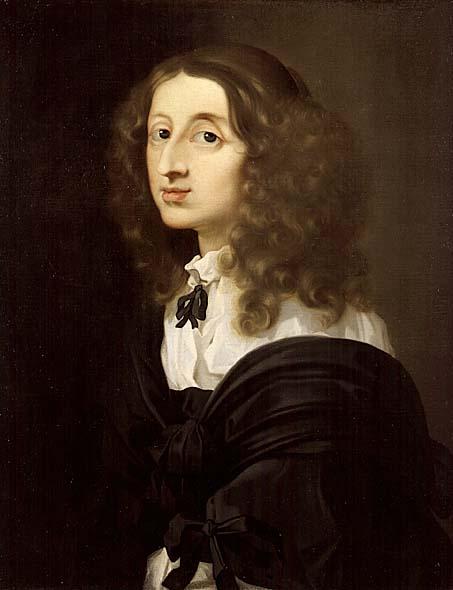
Christina and Christine have been in usage on the continent since at least the Middle Ages. Their popularity may be due to an early Christian saint and martyr of Syria. However, one of its most notable bearers was Queen Christina of Sweden.
Currently, Christina stands as the 20oth most popular female name in the United States, (2008). The highest she has ranked was in 1985, coming in as the 12th most popular female name. Its French counterpart of Christine, currently comes in as the 589th most popular female name, (2008), but at one time stood as the 14th most popular female name between 1967 and 1970.

Her popularity in other countries are as follows:

  • 9 (Czech Republic, 2009)
  • # 127 (Germany, 2009)
  • # 50 (Hungary, 2008)

Her Scandinavian forms of Kristin and Kirsten have been prevalent in the United States since the 1980s. Currently, Kirsten stood as the 567th most popular female name, (2008), while Kristin came in as the 883rd most popular female name, (2008), but once came in as the 31st most popular female name, back in 1981.

Other feminine forms include:

  • Kristina Кристина (Arabic/Bulgarian/Croatian/Czech/German/Lithuanian/Russian/Scandinavian/Serbian/Slovene
  • Crestina (Aragonese)
  • Kistiñe (Basque)
  • Christel (Bavarian: initially a diminutive form, but now used as an independent given name)
  • Hristina Христина (Bulgarian)
  • Cristina (Catalan/Corsican/Galician/Italian/Portuguese/Romanian/Spanish)
  • Kristýna (Czech)
  • Christa (Danish/English/German)
  • Kirstine (Danish)
  • Stina (Danish/Norwegian/Swedish)
  • Stine (Danish/Norwegian)
  • Tine (Danish/Norwegian)
  • Tineke (Dutch)
  • Stien (Dutch/Limburgish)
  • Christiana (English/Latin)
  • Tina (English/German/Italian/Scandinavian)
  • Kristiina (Estonian/Finnish)
  • Kirsi (Finnish)
  • Kirsti (Finnish)
  • Stiina (Finnish)
  • Tiina (Finnish)
  • Christelle (French)
  • Chrétienne (French: archaic)
  • Christiane (French/German)
  • Christine (French)
  • Christin/Kristin (German/Scandinavian)
  • Krista (German/Swedish)
  • Christína Χριστίνα (Greek)
  • Kilikina (Hawaiian)
  • Kriszta (Hungarian)
  • Krisztiána (Hungarian)
  • Krisztina (Hungarian)
  • Kristín (Icelandic)
  • Kristjana (Icelandic)
  • Cristiana (Italian/Portuguese)
  • Kristiana (Latvian)
  • Krystiana (Polish)
  • Krystyna (Polish)
  • Kjerstin (Norwegian)
  • Kjersti (Norwegian)
  • Cristìna (Sardinian)
  • Cairistìona (Scottish)
  • Kirsteen (Scottish)
  • Kirstie (Scottish)
  • Kirstin (Scottish)
  • Kristína (Slovak)
  • Kerstin (Swedish)
  • Crystin (Welsh)

English and German diminutives are: Chris, Christy, Chrissy and Tina.

French diminutives are: Chris, Chrisette and Titine.

A common Italian and Spanish compound form is Maria Cristina.

Designated name-days are: July 24 (Greece), November 12 (France), December 25 (Greece).

Mary, Maria, Miriam

Mary and its various forms has to be one of the quintessential, classic female names of all time, she has been used in Protestant England in the form of Mary, in the Islamic world as Maryam, in Jewish communities in the form of Miriam and in the Catholic world as Maria, Marie or Mary.

In the United States, she has never quite detracted from the top 100, if Mary is not in fashion then it is usually one of her other forms that may take her place, such as Molly, Mariah, Maria or Mia, all depending on the flavor of the day.

Currently, Mary is the 97th most popular female name in the United States, (2008). Mary’s rankings in other countries are as follows:

  • # 7 (Armenia, 2008)
  • # 57 (Ireland, 2007)

Its French form of Marie is popular outside the Hexagon, she currently ranks in as the 546th most popular female name in the United States, but in other countries, she appears in the top 10. Her rankings are as follows:

  • # 9 (Armenian, 2008)
  • # 4 (Belgium, 2008)
  • # 17 (Czech Republic, 2008)
  • # 24 (Denmark, 2008)
  • # 20 (France, 2009)
  • # 9 (Germany, 2009)
  • # 270 (the Netherlands, 2008)

The continental form of Maria is extremely popular across Europe and Latin America, her rankings in other countries are as follows:

  • # 4 (Argentina, 2009)
  • # 8 (Basque Country, Spain, 2008)
  • # 3 (Belarus, 2005)
  • # 3 (Bulgaria, 2008)
  • # 89 (Canada, B.C., 2008)
  • # 6 (Catalonia, Spain, 2008)
  • # 8 (Chile, 2008)
  • # 91 (England/Wales, 2008)
  • # 6 (Estonia, 2007)
  • # 4 (Faroe Islands, 2008)
  • # 59 (Germany, 2009)
  • # 1 (Greece, 2004)
  • # 90 (Hungary, 2008)
  • # 5 (Iceland, 2004-2007)
  • # 49 (Ireland, 2008)
  • # 1 (Israel, among Christian girls, 2004)
  • # 9 Marija (Latvia, 2005)
  • # 1 Marija (Macedonia, 2006)
  • # 1 (Malta, 2008)
  • # 39 (the Netherlands, 2008)
  • # 14 (Norway, 2008)
  • # 17 (Poland, 2009)
  • # 1 (Portugal, 2008)
  • # 2 (Romania, 2008)
  • # 2 (Russia, 2007)
  • # 99 (Scotland, 2008)
  • # 1 (Slovakia, 2004)
  • # 2 (Spain, 2008)
  • # 96 (Sweden, 2008)
  • # 7 (Ukraine, 2009)
  • # 64 (United States, 2008)

Her diminutive offshoot of Mia, has also been quite trendy the last 10 years, as of 2008, she was the 14th most popular female name in the United States. In other countries, her rankings are as follows:

  • # 1 (Australia, 2008)
  • # 25 (Canada, B.C., 2008)
  • # 44 (Chile, 2006)
  • # 11 (England/Wales, 2008)
  • # 1 (Germany, 2009)
  • # 23 (Ireland, 2008)
  • # 5 (Isle of Man, 2009)
  • # 350 (the Netherlands, 2008)
  • # 24 (New Zealand, 2009)
  • # 12 (Norway, 2008)
  • # 26 (Scotland, 2008)
  • # 46 (Slovenia, 2005)
  • # 3 (Switzerland, among Romansch-speakers, 2008)

Another common diminutive offshoot, is Molly, which is mostly used in the English speaking world, but has also shifted over to some of the Scandinavian countries. Her rankings in other countries are as follows:

  • # 57 (Australia, 2007)
  • # 84 (Canada, B.C., 2008)
  • # 32 (England/Wales, 2008)
  • # 25 (Ireland, 2008)
  • # 33 (New Zealand, 2009)
  • # 39 (Scotland, 2008)
  • # 11 (Sweden, 2008)
  • # 104 (United States, 2008)

Miriam is another common choice which is popular throughout Europe and the Middle East. Her rankings are as follows:

  • # 1 Mariam (Georgia, 2008)
  • # 6 Maryam (Iran, 2007)
  • # 4 Maryam (Israel, among Muslim girls, 2004)
  • # 6 Maryam (Pakistan)
  • # 48 Miriam (Spain, 2008)
  • # 1 Mariam (Tunisia, 2005)
  • # 309 Miriam (United States, 2008)

As for its meaning and derivation, though the its origins can be traced back to the Bible, its lingustic and etymological meaning has long been debated. Many hypothesis include that the name could be a derivative of the Hebrew meri, ‘rebel’ related to the Hebrew verb MRH, mara or Marah which means’ to be “rebellious.” Or that it is related to the Hebrew word מרא (MRA, mara) which means ‘well-fed’, something which would have been considered a comely attribute in Biblical times.

One of the most popular etymological theories is its association with the Hebrew מר (MR, mar), meaning. “bitter” or “bitterness, and another very well established hypothesis suggests that it is from an Egyptian source, mry “beloved” or mr meaning “love.”

Other possible theories include:

That is it a combination of the Hebrew words מר (MR, mar), meaning “bitter” or the Hebrew (mar) meaning, “drop”; or (mor) meaning, “myrrh” or ” (mari ) meaning “mistress’.

The name is borne by several female characters in both the Old and New Testament.

Among Jews, the name was originally used in honour of the sister of Aaron, Miriam the Prophetess.

Among Muslims and Christians, (particularly Catholics and Eastern Orthodox), the name is usually used in honour of the Virgin Mary, the mother of Jesus.

However, in certain eras and cultures, Mary or Maria was considered too sacred of a name to use on a child, and in other cultures, the name Maria is so honorable to have, that it is even bestowed upon males, usually in conjunction with a male name or as a middle name. This is especially so in Spanish-speaking countries, French speaking countries and occasionally done in other predominate Catholic countries such as Ireland, Poland and in Bavaria, Germany.

The name has made is presence known in British royalty as well as in the continental ruling houses. Other forms are as follows:

Latinate Forms
Forms used in Latin-based languages

  • Marieta (Catalan: originally a diminutive form, used as an independent given name in Spanish-speaking countries)
  • Miryam (Catalan: archaic form from the 13th-century)
  • Maria (Corsican/Italian/Occitanian/Portuguese/Romanian/Romansch/Latin)
  • Manon (French: originally a diminutive form of Marie, the name has been used as an independent given name for centuries. In fact, it currently ranks in as the 7th most popular female name in Belgium (2006), the 4th most popular female name in France (2006), and the 184th most popular female name in the Netherlands (2008). Pronunciation can be heard here: http://www.forvo.com/search/Manon/)
  • Marie (French: she is one of the most popular middle names in the English speaking world. In French, this form is bestowed on males in conjunction with other male names or as a middle name. There are several common French female names used in conjunction with Marie, as well. Those of which, I will save for future postings).
  • Marielle (French: originally a diminutive form of Marie, now used exclusively as an independent given name)
  • Mariette (French: a diminutive form of Marie, occasionally used as an independent given name, now considered dated in French-speaking countries).
  • Mariolle(French: obscure, very old diminutive form of Marie, the inspiration of the Polish offshoot, Mariola).
  • Marion (French: a medieval French diminutive form of Marie, now exclusively used as an independent given name, the name was borne in legend by the love interest of Robin Hood, Maid Marion, and is borne by French actress, Marion Cotillard. In France, it is the 59th most popular female name (2006)
  • Myriam (French: form of the Biblical, Miriam, she ranks in as the 95th most popular female name in France (2006)
  • Mariella (Italian: originally a diminutive form of Maria, now exclusively used as an independent given name)
  • Marietta (Italian: a diminutive form of Maria, occasionally used as an independent given name).
  • Marigia (Italian: obscure)
  • Mariuzza/Maruzziella (Italian: obscure)
  • Mariana (Portuguese: Mariana is usually considered a name of a seperate etymology, but is used in Portuguese and Spanish as a form of Miriam. She is the 73rd most popular female name in Chile, 2006).
  • María (Spanish/Galician).
  • Marita (Spanish: a diminutive form of Maria, now often used as an independent given name)
  • Maritza (Spanish: a Latin American spin-off of Maria, originally a diminutive form, now a trendy given name, especially among Mexican-Americans, she is currently the 560th most popular female name in the United States).
  • Mareye (Walon)

An Italian diminutive form is Mimi. A Portuguese diminutive form is Mariazinha.

Masculine forms are:

  • Mari (Catalan)
  • Mariu (Corsican)
  • Mario (Italian/Galician)
  • Marius (Latin/French/Romanian)
  • Mário (Portuguese)

Germanic Forms
Forms used in Germanic-speaking countries

  • Maiken/Majken (Danish/Norwegian/Swedish: originally a diminutive form of Maria, now used exclusively as an independent given name).
  • Maria (Danish/Dutch/English/Faroese/Frisian/German/Norwegian/Swedish)
  • Marie (Danish/German/Norwegian/Swedish: a borrowing from the French)
  • Mari (Danish)
  • Maaike/Maike (Dutch/Frisian/German: originally a diminutive form, used exclusively as an independent given name. In 2008, it was the 98th most popular female name in the Netherlands)
  • Marieke(Dutch: originally a diminutive form, now exclusively used as an independent given name. In 2008, it was the 188th most popular female name in the Netherlands)
  • Marijke (Dutch: mah-RYE-keh)
  • Marike (Dutch: originally a diminutive form of Maria, now used exclusively as an independent given name, pronounced mah-REE-keh)
  • Marja (Dutch/Faroese/Gothic/Limburgish: MAHR-yah).
  • Meike (Dutch/German: originally a diminutive form, now used as an independent given name, it was the 53rd most popular female name in the Netherlands of 2008.)
  • Mia (Dutch/German/English/Scandinavian: originally a diminutive form, now used as an independent given name)
  • Mieke (Dutch/Limburgish: originally a diminutive form, used exclusively as an independent given name MEE-keh)
  • Miep(Dutch: a diminutive form, but occasionally used as an independent given name MEEP).
  • Miet (Dutch: originally a diminutive form, occasionally used as an independent given name MEET).
  • Mirjam (Dutch/German/Swedish: form of the Biblical Miriam).
  • Mariel (English: just an anglicized form of the French, Marielle).
  • Mariota (English: archaic, form used in the 13th-century)
  • Mary (English)
  • Molly/Mollie (English: originally a diminutive form, now used more often as an independent given name)
  • Polly (English: originally a diminutive form, now used more often as an independent given name)
  • Marý(Faroese)
  • Mareike (Frisian/German: originally a diminutive form of Maria, now used exclusively as an independent given name)
  • Maja (German/Scandinavian: originally a diminutive form of Maria, used exclusively as an independent given name. It is the 2nd most popular female name in Sweden, (2008)
  • Mariele(German: originally diminutive form of Maria, used exclusively as an independent given name, pronounced mah-REE-leh).
  • Miriam(German/English: Biblical form, often used in German and English speaking countries)
  • Mitzi (German/English: not really used as an independent given name in German speaking countries, but experienced a short usage of popularity as an independent given name in the United States).
  • Ria(German/Dutch: originally diminutive forms, occasionally used as independent given names)
  • Mæja (Icelandic: originally a diminutive form of Maria, used exclusively as an independent given name)
  • María(Icelandic)
  • Mies (Limburgish: diminutive form of Maria, used as an independent given name in the Netherlands. MEES)
  • Mathie (Normand: mah-TEE)
  • My(Swedish: originally a diminutive form of Maria, now used as an independent given name MEE. In 2007, it was the 79th most popular female name in Sweden).
  • Mirele מִירֶעל(Yiddish: a form of Miriam. MEER-eh-leh)

Common English diminutives include May, Mayme, Mare, Mia, Molle, Molly, Moll and Polly, German diminutive forms are Mariechen and Mitzi.

Masculine forms include:

  • Marius (Dutch/German/English/Norwegian/Swedish)
  • Marjus (Faroese)
  • Maríus (Icelandic)

Baltic Forms
Variations used in Baltic countries.

  • Maaja (Estonian)
  • Maare/Maari (Estonian)
  • Maarika (Estonian/Finnish)
  • Maaria/Maarja (Estonian)
  • Maie/Maiu (Estonian: initially diminutive forms, now used as independent given names, MY-eh, MY-oo)
  • Maila/Maili/Mailu (Estonian: Maili is pronounced somewhat like Miley)
  • Mari (Estonian/Finnish)
  • Marjam (Estonian)
  • Marje/Marjen (Estonian)
  • Marjette (Estonian)
  • Mary (Estonian)
  • Maija/Maiju (Finnish)
  • Maikki (Finnish: a Finnicized form of the Sweden and Danish Majken, pronounced somewhat like Mikey)
  • Maaria/Maria (Finnish)
  • Marika (Finnish)
  • Maritta (Finnish)
  • Marjatta (Finnish: can also mean “without a berry” in Finnish, and is the name of a character in the Kalevala, but is often used as a variation of Maria; also used in Estonia)
  • Marjo (Finnish)
  • Marjukka (Finnish)
  • Marjut (Finnish)
  • Miia (Finnish)
  • Mirja (Finnish: translation of Miriam)
  • Mirjam/Mirjami (Finnish)
  • Maija (Latvian)
  • Maila (Latvian: MY-lah)
  • Mairita/Mairīta/Mairīte (Latvian)
  • Mairuta (Latvian)
  • Mare (Latvian: final E is pronounced)
  • Mareka (Latvian)
  • Mareta/Māreta (Latvian)
  • Marī (Latvian)
  • Mārica (Latvian)
  • Mariela (Latvian)
  • Mārieta (Latvian)
  • Marija (Latvian/Lithuanian)
  • Mārika (Latvian)
  • Marite/Mārita/Mārīte/Marīte (Latvian)
  • Marjama (Latvian)
  • Maruta/Māruta/Marute (Latvian)
  • Mare (Lithuanian)
  • Maryte (Lithuanian)

Masculine forms are:

  • Maarius/Mairo/Mario (Estonian)
  • Marijus/Marius (Lithuanian)

Slavic Forms
Forms used in Slavic countries

  • Merjem (Bosnian)
  • Mirjana (Bosnian/Croatian/Serbian/Slovene: translation of Miriam)
  • Mariya (Bulgarian/Russian/Ukrainian)
  • Marija (Croatian/Macedonian/Serbian/Slovene)
  • Marie (Czech: MAHR-yeh)
  • Maria (Polish)
  • Marieta (Polish)
  • Mariola (Polish: mahr-YOLE-ah)
  • Marita (Polish)
  • Maryla (Polish: mah-RIH-lah)
  • Marzena (Polish: not really etymologically related, but has had a historical usage as a variation of Maria in Poland. The name is actually the name of an ancient Polish goddess and it may be linked with the either Polish word for “hope; dream” or with the Old Slavonic word for “death.” mahr-ZHEH-nah, diminutive form is Marzenka).
  • Mária (Slovakian)
  • Marika (Slovakian)
  • Marica (Slovene: initially a diminutive form, used as an independent given name in Slovenia, but is also used as a diminutive form in Bosnian, Croatian, Serbian, Czech and Slovakian, mah-REET-sah).
  • Mojca (Slovene: initially a diminutive form, now used exclusively as an independent given name in Slovenia. MOY-tsah)
  • Marya Марья (Russian)

Czech and Slovak diminutive forms are: Mája, MáňaMaruška and Maryška. Serbian and Slovene diminutives are Maša. Russian diminutives are Manya, Masha, Mashenka and Mashka. Polish diminutives are MasiaMarysia (mah-RISH-ah) and Maryska.

Masculine forms are:

  • Marian (Polish)
  • Mariusz (Polish)
  • Marij/Mario (Slovene)

Celtic Forms
Forms used in Celtic Languages

  • Mari (Breton)
  • Mallaidh (Irish-Gaelic: translation of Molly)
  • Maira/Máire (Irish-Gaelic)
  • Mairenn/Máirín (Irish-Gaelic)
  • Muire (Irish-Gaelic)
  • Mariod/Mariot (Manx)
  • Moirrey/Voirrey (Manx)
  • Màiri (Scotch-Gaelic)
  • Mhari (Scotch-Gaelic)
  • Mhairi/Mhairie (Scotch-Gaelic)
  • Moire (Scotch-Gaelic)
  • Mair (Welsh)

Other Forms
Forms used in other languages not listed in the above

  • Maria (Albanian/Kiswahili)
  • Maryam مريم (Arabic)
  • Mariam (Armenian)
  • Məryəm (Azeri)
  • Maia (Basque)
  • Miren (Basque)
  • Mariam (Coptic/Egyptian)
  • Mariami (Georgian)
  • Maria Μαρία (Greek: Modern)
  • Maroula/Roula (Greek: Modern: initially diminutive forms)
  • Malia (Hawaiian/Zuni)
  • Mária (Hungarian)
  • Maria (Indonesian)
  • Meryem (Kurdish/Turkish)
  • Mariam/Mariamma/Mariamme (Malayalam)
  • Marija (Maltese)
  • Mere (Maori)
  • Miriama (Maori)

The name has several name-days.

Christopher

Gender: Masculine
Origin: Greek
Meaning: “Christ-bearer.”
(KRIS-te-FER)

A popular male name throughout the Christian world, it is derived from the Greek Χριστόφορος, which is composed of the elements, χριστός (khristós), meaning, “anointed one” or in this case, just “Christ” and φέρειν (phérein), meaning, “to carry.”

The name caught on in the early Middle Ages after the legends of a Saint of the same name became a widespread cult, according to the legend, the name was borne by a giant who carried the Christ child across a river. He is considered the patron saint of travellers and is still revered as a popular saint in both the Eastern Churches and the Roman Catholic Church.

As of 2008, Christopher was the 9th most popular male name in the United States. Between 1979-1994, he was the 2nd most popular male name. The lowest he has ranked in U.S. naming history was in 1931, when he came in as the 360th most popular male name.

The name has always been quite common in Central and Northern Europe.

His rankings in other countries are as follows:

  • # 53 (Australia, 2007)
  • # 65 (Canada, B.C., 2008)
  • # 94 (England/Wales, 2008)
  • # 155 (Germany, 2009)
  • # 61 (Ireland, 2007)
  • # 18 (Poland, Warsaw, 2009)
  • # 52 (Scotland, 2008)
  • # 99 (Sweden, 2008)

Other forms include:

  • Kristofor (Albanian)
  • Krystafer كريستوفر (Arabic: used among Middle Eastern Christian)
  • Khrystafor Хрыстафор (Belarusian)
  • Kristof (Breton)
  • Khristofor/Hristofor Христофор (Bulgarian)
  • Cristòfol (Catalan)
  • Cristofanu (Corsican)
  • Kristofor (Croatian)
  • Kryštof (Czech)
  • Christoffer/Christopher/Kristoffer (Danish)
  • Christoffel/Christoforus (Dutch)
  • Christophe (Dutch/French)
  • Christof/Kristof (Estonian)
  • Tohver/Tohvri (Estonian)
  • Kristofer/Risto (Finnish)
  • Christoph/Christof (German)
  • Khristóphoros Χριστόφορος (Greek: Modern)
  • Kristóf/Krisztofer (Hungarian)
  • Kristófer (Icelandic)
  • Críostóir (Irish-Gaelic)
  • Cristofaro/Cristofero (Italian)
  • Cristofalo/Cristofolo (Italian)
  • Cristofano (Italian)
  • Cristoforo (Italian: most common form)
  • Christophorus (Latin)
  • Kristaps/Kristofs (Latvian)
  • Kristoforas/Kristupas (Lithuanian)
  • Christopher/Kristoffer (Norwegian)
  • Krzysztof (Polish)
  • Cristóvão (Portuguese)
  • Christof/Christofor (Romanian)
  • Khristofor Христофор (Russian/Serbian/Ukrainian)
  • Cristolu (Sardinian)
  • Kester (Scottish)
  • Krištof (Slovak/Slovene)
  • Kito (Sorbian)
  • Cristóbal (Spanish)
  • Christoffer/Kristoffer (Swedish)
  • Kristof (Turkish)
  • Krishtof Криштоф (Ukrainian)
  • Cristoforo (Venetian)

Common English diminutives are Chip, Chris, Christy, Kip, Kit and Topher.

German diminutives are Stoffel and Stoffi.

Polish diminutives are: Krzysiek, Krzysiu, Krzyś, Krzysio, Krzysiaczek, Krzych and Krzychu.

An Italian feminine form is Cristofora and an obscure French/German feminine form is Christophine. Another obscure feminine form is the Polish, Krzysztofa.

Notable bearers include: Christopher Columbus (1451-1506), three Danish Kings which include Christoffer of Bavaria, English playwright, Christopher Marlowe (1564-1593) and the fictional character, Christopher Robin, of Winnie-the-Pooh books.

Jasmine

Gender: Feminine
Origin: Persian
Meaning: unknown, name of a flower

Jasmine is derived from the Persian feminine name, Yasmin, which is the name of a type flower indigenous to the Middle East.

The name was always quite prevalent throughout the Middle East, but didn’t really catch on in the Western World till the late 70s and early 80s. In the early 90s, her popularity was fueled when Disney came out with the hit, animated movie, Aladdin, in which the lady love is named Jasmine.

In 1973, Jasmine entered the top 1000, coming in as the 861st most popular female name in the United States, for that year. In 1993, Jasmine skyrocketed to # 23, and as of 2008, she is the 43rd most popular female name.

Jasmine has been popular in other countries, her rankings are as follows:

  • # 3 (Argentina, 2009)
  • # 21 (Australia, 2007)
  • # 8 Yasmin (Brazil, 2009)
  • # 38 (Canada, B.C., 2008)
  • # 94 Jazmin (Chile, 2006)
  • # 35 (England/Wales, 2008)
  • # 32 Jasmin/Yasmin (Germany, 2009)
  • # 4 Jazmin (Hungary, 2008)
  • # 84 (Ireland, 2007)
  • # 9 Jasmine/Yasmine (Malta, 2007)
  • # 15 Jasmijn (the Netherlands, 2008)
  • # 445 Jasmine (the Netherlands, 2008)
  • # 5 (the Philippines, 2006)
  • # 59 Jasmine (Sweden, 2008)

Other forms of the name include:

  • Yasmeen يسمين (Arabic/Persian)
  • Yasmin (Arabic/German/Persian/Spanish)
  • Yasεmεn (Azeri)
  • Yaasaman/Yaasman (Baloch)
  • Jasmina (Bosnian/Croatian/Macedonian/Serbian/Slovene: diminutive form is Jasminka)
  • Jasmijn (Dutch)
  • Jasmine (English/French/Swedish)
  • Jessamine/Jessamy (English)
  • Jasmiina (Finnish)
  • Jasmin (Finnish/German)
  • Yasiman (Hindi)
  • Jázmin (Hungarian)
  • Jasmín (Icelandic)
  • Gelsomina (Italian)
  • Gelsa/Gelsina (Italian)
  • Jazmina (Lithuanian)
  • Yasmina (Persian)
  • Jaśmina (Polish)
  • Yasaman (Tajik)
  • Yasemin (Turkish)
  • Jazmín (Spanish)

There are a few masculine forms, which include, the Italian, GelsinoGelso and Gelsomino.

A Lithuanian masculine form is Jazminas.

Jacob, James, Jacqueline

Gender: Masculine
Origin: Hebrew
Meaning: debated
Eng: (JAKE-ub); (JAMEZ)

Since it is the beginning of the year, I thought I would start doing the most popular names of 2008.

In the United States, Jacob is currently the most popular male name, coming in at # 1 in 2008.

Actually, Jacob has held on to the number 1 spot, for the last decade, since 1999. The lowest that Jacob has ever ranked in U.S. naming history was back in 1967 ranking in at # 353.

Jacob’s rankings in other countries are as follows:

  • # 21 (Australia, 2007)
  • # 3 (Canada, B.C., 2008)
  • # 20 (England/Wales, 2008)
  • # 94 (Ireland, 2007)
  • # 122 (the Netherlands, 2008)
  • # 89 (Norway, 2007)
  • # 79 (Scotland, 2008)
  • # 29 (Sweden, 2007)

Jacob is a Biblical name of Hebrew origin, borne by an important Jewish patriarch, the meaning of the name is somewhat debated. Though many sources agree that it is derived from the Hebrew ‎עקב (aqabaqav), which means “to seize by the heel”, “to circumvent” or ” to restrain” and may possibly be a word-play of the Hebrew עקבה‎ (iqqebahiqqbah) meaning, “heel,” since in the Bible, Jacob was born holding onto the heel of his twin brother Esau. In Hebrew, the act of holding the heel was associated with deception, so the name has been suggested to take on the meaning of “deception.”

Other sources have suggested it to mean “may God protect”, being a derivative of the Hebrew יַעֲקֹבְאֵל (Ya’aqov’el).

In the Bible, Jacob was the younger twin son of Rebekah and Isaac, by deceiving his elder brother Esau into selling his birthright, Jacob received his father’s blessing before Isaac’s death.

Jacob later became the father of the twelve tribes of Israel.

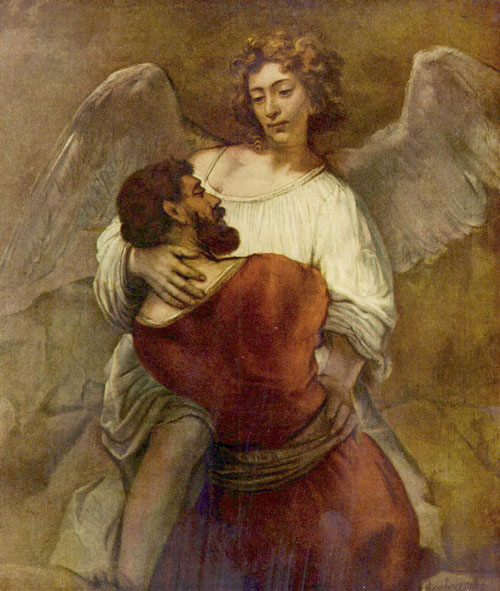
His episode of dreaming of a ladder to heaven is called “Jacob’s Ladder” and his wrestling with the angel, after which God gave Jacob the name of Israel ,meaning, “struggles with God” or “God contended.”

The name later appears in the New Testament by several other characters, one of them being the name of the Apostle James, (also known as Jacob since both names are related).

In English, both Jacob and James are derived from the Biblical Greek, Ιακωβος (Iakobos) later being latinized to Iacomus, (from which James is an anglicized a corruption).

James and Jacob have been used in England interchangeably since the Middle Ages, James became a common name in English and Scottish royalty.

Currently, James is the 17th most popular male name in the United States, the highest he has peaked was between 1940 and 1952, coming in at # 1. The lowest he has peaked was at # 19 in 1999 and then again in 2001.

James has never detracted from the U.S. top 20.

In other countries, his rankings are as follows:

  • # 8 (Australia, 2007)
  • # 10 (Canada, B.C., 2008)
  • # 9 (England/Wales, 2008)
  • # 5 (Ireland, 2007)
  • # 332 (the Netherlands, 2008)
  • # 5 (Scotland, 2008)

The designated name-days for Jacob are December 20 (France), July 25.

Other forms of both names include:

  • Jakob (Afrikaans/Danish/Dutch/German/Norwegian/Slovene/Swedish: 12th most popular male name in Slovenia-2005; 39th most popular in Norway-2007 and the 3o9th most popular in the United States-2008)
  • Japku/Jakup/Jakub/Jakob/Jakov (Albanian)
  • Ya’eqob (Amharic/Ethiopian)
  • يعقوب Yaʿqūb/Yakub (Arabic)
  • Chaime (Aragonese)
  • Ya`iqob/Ukba/Ukva ያዕቆብ (Aramaic)
  • Hagop/Hakob/Jakob Հակոբ/Յակոբ (Armenian)
  • Aqob/Jakobos (Assyrian)
  • Yəqub (Azeri)
  • Jacobe/Jagoba/Jakes/Jakoma/Yaku/Yagoba/Xanti (Basque)
  • Jåggl (Bavarian)
  • Jakub/Jakaŭ/Jakuš (Bielorusian)
  • Jakub (Bosnian/Polish/Slovak/Slovene/Sorbian: common Polish diminutive forms are Kuba and Kubuś)
  • Jacut/Jagu/Jagut/Jak/Jakez/Jakezig/Jakou (Breton)
  • Yakov/Zhekov Жеков (Bulgarian)
  • Iacovo/Iacoviello/Coviello (Calabrian: Southern Italian dialect)
  • Jacob (Catalan/Dutch/English/Lexumburgish/Limburgish/Portuguese)
  • Jaume/Jaumet (Catalan)
  • Jacca/Jago/Jamma/Jammes (Cornish)
  • Giacumu (Corsican)
  • Jakov/Jako Јаков (Croatian/Serbian/Slovene)
  • Jákob (Czech/Hungarian: Kuba and Kubík are the diminutive forms)
  • Jacobus/Jakobus (Dutch/Limburgish: Jacobus is currently the 233rd most popular male name in the Netherlands-2008)
  • Coos/Kobe/Kobus/Jaap (Dutch: initially diminutive forms, used as independent given names)
  • Coby (English: originally a diminutive form, now used as an independent given name. He currently ranks in as the 832nd most popular male name-2008)
  • Jaagup/Jaak/Jakkab/Jakkob/Jakob (Estonian)
  • Jákup (Faroese)
  • Jaakob/Jaakoppi/Jaakko (Finnish: Jaska is the diminutive form)
  • Jacopo (Florentine: Northern Italian dialectical form, Lapo and Puccio are diminutives)
  • Jacques (French)
  • Iaquet/Jaco/Jacot/Jacquot/Jacquet (French: archaic, medieval forms)
  • Jacquemin/Jacqueminot (French: archaic, medieval forms)
  • Jabbo/Coob (Frisian)
  • Jakip (Frisian)
  • Iacun (Fruilian)
  • Sacun (Fruilian: literally meaning “Saint James.”)
  • Xacobe/Xaime (Galician)
  • Iakob იაკობ (Georgian)
  • Iákovos Ιακωβος/Iakóv Ιακώβ/Yángos Γιάγκος (Greek)
  • Iakopa/Iakopo/Kimo (Hawaiian)
  • Akiba/Akiva עֲקִיבָא (Hebrew)
  • Ya’akov יעקב (Hebrew)
  • Akkoobjee (Hindi)
  • Jakab (Hungarian)
  • Yakob/Yakobus (Indonesian)
  • Seamus/Séamus (Irish-Gaelic: SHAY-mus: Séimí and Séimín are diminutive forms. Currently the 748th most popular male name in the United States)
  • Giacobbe (Italian)
  • Giacomo (Italian: more common form)
  • Jacopo (Italian: archaic form)
  • Aqo/Ya’qub (Kurd)
  • Iacobus/Iacomus/Jacobus (Latin)
  • Jēkabs (Latvian)
  • Jaokob (Limburgish)
  • Cobus/Keub/Keube/Kuub/Kuèb (Limburgish: initially diminutive forms, now used as independent given names)
  • Zjaak/Jaco (Limburgish: initially diminutive forms, now used as independent given names)
  • Jokūbas (Lithuanian)
  • Jakov/Jakle/Jako (Macedonian)
  • Chacko/Yakob (Malayalam)
  • Ġakbu (Maltese)
  • Jayms (Manx)
  • Hemi (Maori)
  • Sak (Mohawk)
  • Jacuvo/Jacuviello/Cuviello (Neopolitan: Southern Italian dialect)
  • Gemme/Gemmes/Jacque (Norman)
  • Jacme (Occitanian/Provençal)
  • Jammes/Jaume (Occitanian)
  • Iakovu Іакѡвъ (Old Church Slavonic)
  • Yaghoub (Persian)
  • Giaco (Piedmontese: Northern Italian dialect)
  • Diogo (Portuguese: variation of Tiago)
  • Iago (Portuguese)
  • Jacó (Portuguese)
  • Jácomo (Portuguese)
  • Jaime (Portuguese/Spanish: Jaime is currently the 321st most popular male name in the United States-2008. He is the 97th most popular in Chile-2006 and the 33rd most popular in Spain-2006)
  • Thiago (Portuguese-Brazilian)
  • Tiago (Portuguese-European: a contraction of the Spanish Santiago, which literally means “Saint James”)
  • Köbes (Ripoarisch)
  • Iacob (Romanian)
  • Jacomo (Romanesque: a Northern Italian dialect spoken in the region of Tuscany)
  • Giachem/Giachen/Jachen (Romansch)
  • Giacumin (Romansch)
  • Yakov Иаков/Яков (Russian: Yasha is a diminutive form)
  • Iakopo (Samoan)
  • Hamish (Scottish-Gaelic: an anglicization of Seumas)
  • Jaikie (Scottish-Gaelic)
  • Jamie (Scottish: low lands Scots contraction, currently the 669th most popular male name in the United States; the 17th most popular male name in Scotland-2008; the 51st most popular in England and Wales-2008; 17th most popular in Ireland-2007; the 12st most popular in the Netherlands and the 96th most popular in Australia)
  • Seumas (Scottish-Gaelic)
  • Simidh (Scottish-Gaelic)
  • Jaka (Slovene: this was the 10th most popular male name in Slovenia-2005)
  • Diego (Spanish: a contraction of Santiago. Diego currently ranks in as the 68th most popular male name in the United States-2008. In Belgium he is the 48th-2006; in Chile, the 7th-2006; in France the 78-2006. In the Netherlands he comes in as the 189th most popular male name-2008 and in Spain he is the 10th most popular male name-2006 )
  • Jacobo (Spanish: archaic form: Jaime or Diego are the preferred forms)
  • Santiago (Spanish: literally meaning “Saint James” the name is usually bestowed in honour of St. James the Apostle. Currently, it is the 171st most popular male name in the United States. In Chile, he is the 55th most popular-2006 and in Spain, the 66th most popular-2006)
  • Yago (Spanish: archaic form)
  • Yakubu (Swahili)
  • Köbi (Swiss-German dialectical diminutive form, occasionally used as an independent given name)
  • Yaqub ܝܰܥܩܽܘܒ (Syrian)
  • Yakup (Turkish: Yascha is a diminutive form)
  • Yakiv Яків (Ukrainian)
  • Iago/Siam (Welsh)
  • Coppel/Kapel/Koppel (Yiddish)
  • Yankev/Yankl/Yankel/Yankele (Yiddish)

Older Polish forms include: Jakub, Jakób, Jakob, Jakow, Jekub, Jokob, Jokub and Jakusz.

Less common Polish diminutive forms include: Jakuszek, Jakubek, Jakubko, Kusz, Kuszęt, Kubek, (in modern Polish this means “cup” and has fallen out of usage as a diminutive form of Jacob), and Jaksa.

English diminutives of Jacob include: Jack, Jake, Jay, Cobb, Coby and Cubby. Diminutives for James include: Jack, Jamie, Jay, Jeb, Jem, Jemmy, Jim and Jimmy.

A Danish and Dutch diminutive form is Ib and Jeppe, Sjaak and Sjakie are also Dutch diminutives.

Slovene diminutive forms include: Jak, Jakec, Jaki, Jaša, Žak and Žaki.

Jacob has spawned various feminine forms that are worth noting.

There is the French, Jacqueline, (said like JACK-eh-lin), in English, but pronounced as (ZHAHK-e-LEEN) in French.

The name has a long history of usage in the English speaking world and is also used the German-speaking world and is occasionally used in Spanish-speaking countries.

Jacqueline is currently the 152nd most popular name for females in the United States. The highest she ranked was in 1961 coming in as the 37th most popular female name.

For Americans, a notable bearer is former First Lady and fashion trend-setter, Jacqueline Bouvier Kennedy Onassis.

A common English diminutive form is Jackie.

Other feminine forms include:

  • Jakuba (Czech)
  • Bine (Danish/German)
  • Jacobine/Jakobine (Danish/Norwegian/German/Swedish)
  • Jacoba/Coba (Dutch)
  • Jacobien (Dutch)
  • Jacomina (Dutch)
  • Jacquetta (English)
  • Jacquemine (French: archaic form)
  • Jacquette (French)
  • Jakoba/Jakobe (German)
  • Yaakova (Hebrew)
  • Giachetta (Italian)
  • Giacobba (Italian)
  • Giacometta (Italian)
  • Giacoma/Giacomina (Italian)
  • Jacobella/Jacomella/Jacovella (Italian: obscure/archaic forms)
  • Iacobina (Latin)
  • Jakubina (P0lish)
  • Żaklina (Polish: corruption of the French, Jacqueline)
  • Jacobina (Romansch)
  • Jacobea (Romansch)
  • Jamesina/Jamesine (Scottish)
  • Jakoba/Jakobina (Slovene)
  • Jakica/Jakovica (Slovene: initially a diminutive forms, used as independent given names yah-KEET-sah, yah-koh-VEET-sah)
  • Žaklin/Žaklina (Slovene: corruptions of the French, Jacqueline zhahk-LEEN; zhahk-LEE-nah)
  • Jacquelina (Spanish: corruption of the French, Jacqueline)

Abel

Gender: Masculine
Origin: Hebrew
Meaning: “breath.”
Eng (AY-bl)

The name is derived from the Biblical Hebrew הֶבֶל (Hevel) which means “breath.”

In the Old Testament, it was borne by one of the eldest sons of Adam and Eve. Abel is usually linked with his brother, Cain.

In the Biblical tradition, Cain is considered to be the first murderer as he had murdered his brother, Abel, out of jealousy.

The name is used among Christians, Muslims and Jews.

In the English speaking world, the name has gone in and out of usage since the Middle Ages. It was in usage before the Reformation but seems to have become especially popular among 17th-century Puritans.

The name was borne by several early Christian saints and was therefore rather prevalent in continental Europe, especially in Spain, during the Middle Ages.

The Abel form is used in Basque, Catalan, Danish, Dutch, English, Galician, German, Finnish, French, Icelandic, Norwegian, Polish, Portuguese, Romanian, Spanish and Swedish.

Other forms of the name include:

  • Hābīl هابيل (Arabic)
  • Ábel (Czech/Hungarian/Slovak)
  • Aabel (Estonian)
  • Aapeli (Finnish)
  • Abel Άβελ (Greek)
  • Hevel הבל (Hebrew)
  • Habel (Indonesian)
  • Abele/Abelino (Italian)
  • Abels (Latvian)
  • Abelis (Lithuanian)
  • Habil (Turkish)

An obscure feminine German and Italian form is Abelina and a Spanish and Italian feminine form is Abela.

The designated name-day is January 2nd in most countries.

David

Gender: Masculine
Origin: Hebrew
Meaning: “beloved.”

The name is derived from the Hebrew דָּוִד (Dawid), which is derived from the Hebrew word דוד (dwd) meaning “beloved.”

The name is borne in the Old Testament by King David, he is considered to be the greatest Jewish king in history, he is famous for defeating the evil Philistine, Goliath and several other endeavors mentioned in the Bible. He also plays a part in the Qu’ran and in Christian tradition, is considered an ancestor of Jesus.

In the English speaking world, the name has been in usage since the Middle Ages, it was borne by two Scottish Kings and St. Dewi (known as St. David in English) is considered the patron saint of Wales.

In the United States, the name currently ranks in as the 14th most popular male name, actually, David has been in the U.S. top 20 since 1880, and he peaked in 1960, coming in at # 1. In other countries, his popularity is as follows:

  • # 2 Davit (Armenia, 2008)
  • # 74 (Australia, 2007)
  • # 6 (Austria, 2008)
  • # 7 (Catalonia, Spain, 2008)
  • # 87 (Belgium, 2006)
  • # 53 (Canada, B.C. 2008)
  • # 31 (Chile, 2006)
  • # 64 (England/Wales, 2008)
  • # 1 (Faroe Islands, 2008)
  • # 96 (France, 2006)
  • # 6 (Hungary, 2008)
  • # 16 (Ireland, 2007)
  • # 4 (Israel, among Jewish boys, 2008)
  • #  9 Davide (Italy, 2007)
  • # 1 (Liechtenstein)
  • # 4 Dovydas (Lithuanian)
  • # 41 (the Netherlands, 2008)
  • # 51 (Norway, 2007)
  • # 8 Dawid (Poland, 2008)
  • # 4 (Romania, 2008)
  • # 27 (Scotland, 2008)
  • # 9 (Slovenia, 2005)
  • # 4 (Spain, 2008)
  • # 40 (Sweden 2007)
  • # 4 (Switzerland, among German-speakers, 2008)
  • # 6 (Switzerland, among French-speakers, 2008)
  • # 5 Davide (Switzerland, among Italian-speakers, 2008)

The David form is used in Albanian, Catalan, Croatian, Czech, Danish, Dutch, French, Galician, German, Norwegian, Portuguese, Romanian, Spanish and Swedish.

Other forms of the name are:

  • Davidi (Albanian)
  • Da’ud/Da’oud/Da’wud/Da’wood داؤود (Arabic)
  • Davit Դավիթ (Armenian)
  • Davud (Azeri)
  • Davud/Daud/Daut (Bosnian)
  • Daveth (Cornish)
  • Taavet/Taave/Taavi/Taavo/Tavo (Estonian)
  • Daavid (Finnish)
  • Taavetti/Taavi (Finnish)
  • Dáibhead/Dáibheid/Daithí/Davy (Gaelic/Irish)
  • Dawit/Dato დავით (Georgian)
  • David Δαβίδ (Greek)
  • Dávid (Hungarian/Faroese/Slovak)
  • Davíð (Icelandic)
  • Daud (Indonesian)
  • Davide (Italian: Davidino and Daviduccio are obscure diminutive forms that were occasionally used as independent given names)
  • Daudi (Kiswahili)
  • Dawid (Kurdish)
  • Dāvids/Dāvis (Latvian)
  • Dovydas (Lithuanian)
  • Davidu Давідъ(Old Church Slavonic)
  • Davud داوود (Persian)
  • Dawid (Polish: DAH-veed)
  • David Давид (Russian/Belarusian)
  • Davíd (Spanish)
  • Dàibheid/Dàibhidh/Daividh (Scottish)
  • Davud/Dâvud (Turkish)
  • Davyd (Ukrainian)
  • Dai (Welsh: a Welsh diminutive form of David, occasionally used as an independent given name)
  • Dafydd/Dewi (Welsh)
  • Dewydd (Welsh: archaic)
  • Dovid (Yiddish)
  • Dudel (Yiddish)
  • Tavel (Yiddish)

Feminine forms are:

  • Davida (English/Scottish)
  • Davina/Davinia (English/Scottish)

Designated name-days are December 29 and December 30.