Masauna

  • Origin: Greenlandic
  • Meaning: “wet snow.”
  • Gender: Male

The name comes from the Greenlandic masaut (wet snow), a long with the suffix – na on the end.

Other forms include: Masaatsiaq and Masaitsiaq.

Feminine forms are Masaana, Masaani, Masâne, Masáuna and Masaune.

Sources

Aputsiaq

  • Origin: Greenlandic
  • Meaning: “snowflake; ice crystal.”
  • Gender: Unisex, mostly male

The name comes from the Greenlandic word for snowflake or ice crystal.

An older form is Aputsiak.

Sources

Snieguolė

Gender: Feminine
Origin: Lithuanian
Meaning: “snowdrop.” literally “little snow”
(snye-GWOH-lay)

The name is derived from the Lithuanian sniegas meaning “snow”/the suffix of uolė is a common Lithuanian feminine suffix denoting smallness.

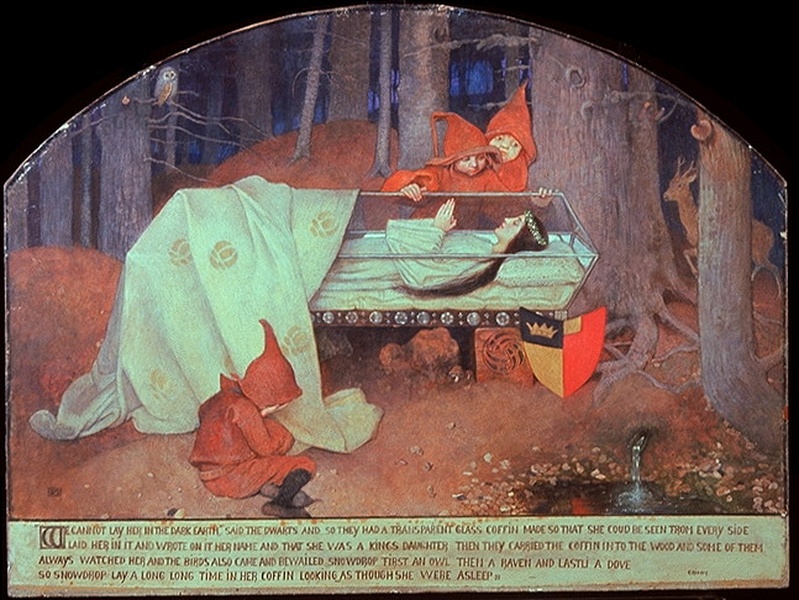
In Lithuanian, this is also the name for Snow White and it is the name for the snowdrop flower.

Its designated name-day is January 15.

Snae Names

Gender: Feminine
Origin: Icelandic/Faroese
Meaning: “snow.”

There are several Icelandic feminine names that carry the snae- element which is derived from the Icelandic word for snow. These are the following:

Snæbjörg

The name is composed of the elements, snae meaning “snow” and björg meaning either “rock” or “help; aid.”

As of 2007, 11 women in Iceland bore this as a first name and 8 had it as a middle name.

The Faroese version is Snæbjørg.

Snæbjört

Composed of the elements snae meaning “snow” and björt meaning “bright; clear; shining.”

As of 2007, only five women bore this as a first name and five women had it as a middle name.

Snæborg

Composed of the elements snae meaning “snow” and borg meaning either “town; city” or “castle” or “shelter” or “rocky hill.”

As of 2007, only 3 women in Iceland had this as a first name and one had it as a middle name.

Snæbrá

Composed of the elements snae meaning “snow” and brá meaning “brow; eyebrow” or “eyelash.”

As of 2007, only one person bore this as a first name and one had it as a middle name.

Snædís

Composed of the elements snae meaning “snow” and dís meaning “goddess; fairy; nymph.”

As of 2007, 169 women bore this as a first name, while 34 had it as a middle name.

Snæfríður

The name is composed of the elements snae meaning “snow” and fríður meaning “pretty.”

The Faroese form is Snæfríð.

As of 2007, 63 women in Iceland bore this as first name and 9 had it as a middle name.

Snælaug

The name is composed of the elements snae meaning “snow” and laug meaning “hot spring; bath.”

Its Faroese form is Snæleyg.

As of 2007, nobody in Iceland had this as a first name or as a middle name.

Snærós

The name is composed of the elements snae meaning “snow” and rós meaning “rose.”

As of 2007, 5 women bore this as a first name and 2 had it as a middle name.

Snærún

The name is composed of the elements snae meaning “snow” and rún meaning “rune.”

As of 2007, 4 women had this as a first name and one had it as a middle name.
Drífa

Gender: Feminine
Origin: Icelandic
Meaning: “heavy snow fall; snow drift.”

The name comes directly from the Icelandic word describing a heavy snow fall or snow drift.

As of 2007, there were approximately 155 women in Iceland who bore this as a first name, and 49 who had it as a middle name.

Eira, Eirwen, Gwyneira

Gender: Feminine
Origins: Welsh/Old Norse
Meaning: “snow; snow white; white as snow; or “protection; mercy; help.”
(Ay-rah South Wales; I-rah North Wales; AYR-wen South Wales; IRE-wen North Wales. Swedish/Finnish I-rah)

Eira can be of two different etymologies and origins, in Welsh, it is related to the word eir, meaning “snow”, the offshoot of Eirwen is composed of the elements eir and gwen, (which either means fair, blessed or white), in which case, Eirwen would roughly translate as “white as snow”, “snow white” or “white snow.” A reverse of Eirwen, is Gwyneira, which virtually means the same thing, pronounced (gwyn-AY-rah) South Wales, and (gwyn-EYE-rah) North Wales.

Eira can also be connected to an Old Norse element. It is believed to be a variation of the Old Norse female name, Eir, which was the name of the Norse goddess of healing. Eir means, “protection; mercy; help.”

It is also the name of a neighborhood in Helsinki which its name from a hospital. Its designated name-day in all Scandinavian countries, including Finland, is August 9. Other forms of this version include

  • Eiri (Faroese)
  • Eira (Finnish/Norwegian/Swedish)
  • Eir (Old Norse: used in Iceland and on the Faroe Islands)
  • Eirin (Norwegian: possibly also a Norwegian phonetic spelling of the English pronunciation for Irene).