Sadime, Sadeem

  • Origin: Arabic سديم
  • Meaning: “nebula; fog; mist.”
  • Gender: female

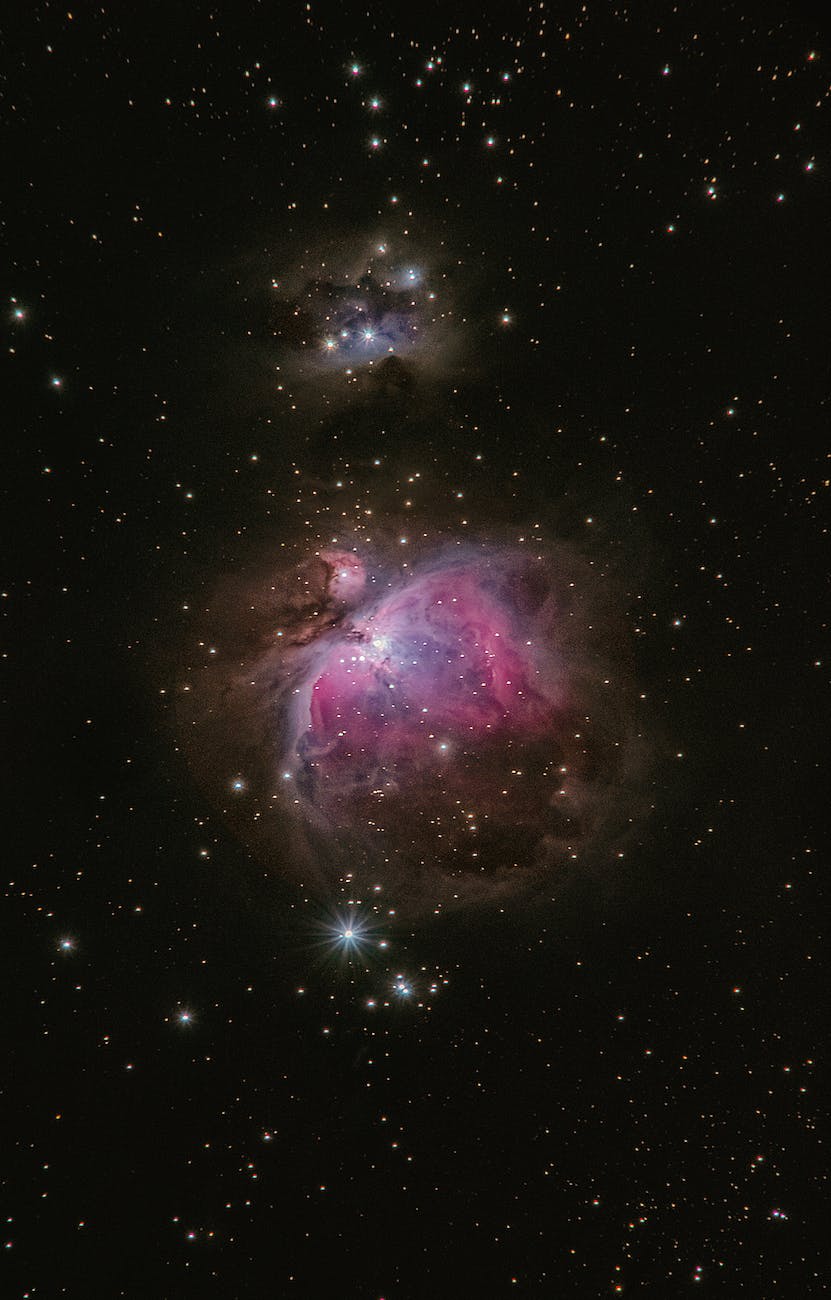
The name comes directly from the Arabic word سديم meaning “nebula, fog; mist.” The word itself is from the Arabic root s-d-m, which means “darkness” “obscurity.”

The word use is found in Arabic poetry to describe a mist or haze that obscures the view.

sources

Sariyah – meaning, origin & history of the first name

  • Origin: Arabic سارية
  • Urdu: سریا
  • Hindi:  सरिया
  • Bengla: সারিয়া
  • Meaning: “clouds at night.”
  • Gender: Female

Sariyah سارية is from an Arabic word that means “clouds at night.”

It is derived from the Arabic root S-R-A, and can be associated with “night rain” or “night travel.”

Saria and Sarya is the Urdu transliteration and is popular in Pakistan and India among Muslims.

Other forms include:

  • Sarija Сария (Abkhazian, Albanian, Azeri, Bashkir, Bosnian, Chechen, Circassian, Dagestani, Kazakh, Ossetian, Tajik)
  • Sәrija Сәрия (Tatar)

Sources

Megha

  • Origin: Sanskrit मेघ, Hindi मेघपुंज
  • Meaning: “cloud.”
  • Gender: feminine
  • MAY-gah

The name comes directly from the Sanskrit word for “cloud.”

It is also the name of a raga in the Hindustani classical music tradition.

Sources

Kólga, Kolka

  • Gender: Feminine
  • Origin: Old Norse/Icelandic
  • Meaning: “the cool; cool wave; heavy clouds.”
  • Swe/Nor. (KOOL-gah); O.N. (KOLE-gah); Ice. (KULL-kah)

The name is borne in Norse Mythology by one of the nine sea maidens born of the goddess Ran. In modern Iceland, the name has evolved into Kolka, its older rendition often used as a horse name and literally meaning heavy clouds, or overcast in modern Icelandic. The term Kólga was often used in Norse poems to describe the waves. It was a favorite term in kennings. With the revival of Old Norse names in Sweden and Norway, it is possible that Kolga could catch on. The other 3 sisters of whom I will not go into anymore detail are Hefring (Riser); Blodguhadda (Bloody-hair) and Udr (frothing wave) which in Modern Icelandic is Unnur (UN-nur). Hefring and Blodguhadda were never used as names outside the myths.

Pilvi

Gender: Feminine
Origin: Finnish/Estonian
Meaning: “cloud”
(PEEL-vee)

The name comes directly from the Finnish and Estonian word for cloud. If you would like to hear the name pronounced by a Finn, you can listen to it here: http://www.forvo.com/word/pilvi/

The designated name-days are April 19 (Finland), November 21 (Estonia).