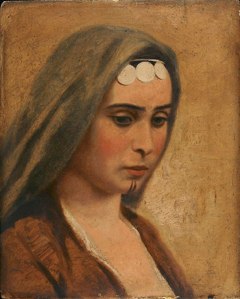
Ruwayda

  • Origin: Arabic رويدة
  • Meaning: “unhurrying; very gentle; forbearing.”
  • Gender: feminine

The name is from the Arabic root r-w-d meaning “gentle; slowly walking; forbearing.”

Other transliterations include: Rowaida, Ruwaida, Ruweyda & Ruayda.

Its Bosnian form is Ruvejda.

Sources


Tautvydas

lithuanian-musician-in-traditional-folkloric-costume-playing-zither-BXFMGT

  • Origin: Lithuanian
  • Meaning “to empathize with the people; to feel the nation.”
  • Gender: masculine
  • (tote-VEE-dahs)

The name is composed of the Lithuanian elements taut (tauta meaning “nation; people) and išgyventi (to see out; to feel; to empathize; to see out).

Tautvydas is currently the 87th most popular male name in Lithuania.

Another form is Tautvidas.

The designated nameday is September 28th.

Source

Gaelic Nature Names & Word Names

For St. Patrick’s Day, I compiled a list of hypothetical Gaelic nature names. This list is not exhaustive and will not include the typical Gaelic names such as Aisling, Fiadh, Aine, etc. Would you use any of these? Wdyt?

Female

  • Aibreán “April” (EH-br)
  • Aife “ebb tide” (AF-feh)
  • Aifreann “Catholic mass” (AFF-ren)
  • Aimser “era” (AM-sher; IME-sher)
  • Aiséirí “resurrection” (ASHE-sheh-REE)
  • Anamóine “anemone” (AH-nah-MOY-neh)
  • Anfa “storm” (AN-fah)
  • Aoibhneas “bliss; happiness” (EVE-nes)
  • Aoise “age” (EE-sheh)
  • Athbhreith “rebirth” (AV-ray)
  • Aonbheannach “unicorn” (EN-ven-NOKH)
  • Baile “home, place, village” (BAL-yeh)
  • Banphrionsa “princess” (bahn-FROON-sa)
  • Banríon “queen” (BAHN-ree-en)
  • Bealtaine “May” (BEL-te-neh)
  • Breicne “freckle” (BRECK-neh)
  • Brionglóid “reverie” (BRING-light; BRING-loyd)
  • Cailís “chalice” (KYE-leesh)
  • Caisearbhán “dandelion” (KAH-sher-VAHN)
  • Caora “ewe” (KWEE-rah)
  • Céile “queen consort” (KAY-leh)
  • Ciardhubh “raven black” (KEER-vuv)
  • Cíormheala “honeycomb” (keer-VAH-lah)
  • Cladach “seashore” (KLAH-dah)
  • Cláirseach “harp” (KLAR-shah)
  • Corcra “purple” (KORE-crah)
  • Coróineach “carnation” (kore-ROH-nah, kore-ROH-nakh)
  • Craorag “crimson” (KREER-rog)
  • Críonna “having wisdom” (KREE-en-nah)
  • Cruidín “kingfisher” (KRUH-deen)
  • Cuimhne “memory; remembrance” (KWEE-neh)
  • Draíocht “magic” (DREE-ahkt)
  • Dídean “haven” (DEE-den)
  • Dílis “loyal” (DEE-lish)
  • Dordéan “hummingbird” (DORE-day-en)
  • Dreoilín “wren” (DRAW-leen, DRO-leen)
  • Dris “briar” (DRISH)
  • Eala “swan” (AL-lah)
  • Eanáir “January” (ANN-ner)
  • Earrach “Spring season” (AIR-ra, AIR-rakh)
  • Éillín “brood” (AY-leen)
  • Eilit “doe” (EL-lit)
  • Éirígréine “dawn” (I-ree-GRAY-neh)
  • Fanaile “vanilla” (FAH-neh-leh)
  • Fáinne “resembling a halo; ring” (FAWN-neh)
  • Fearthainn “rain” (FARE-hen)
  • Feirdhris “dog rose” (FAY-drish)
  • Féirín “gift” (FEH-reen)
  • Féithleann “honeysuckle” (FAY-len)
  • Fíniúin “vine” (FEE-noon)
  • Fíon “wine” (FEE-un)
  • Fírinne “truth” (FEER-rin-neh)
  • Foinse “fountain, spring, souce” (FWIN-sheh)
  • Folláine “nourishment” (foh-LOY-neh)
  • Fonn “melody” (FAHN)
  • Gealán “aurora” (GEH-lawn)
  • Goirmín “pansy” (GOR-meen)
  • Grian “sun” (GREE-en)
  • Ionga “talon” (UN-gah)
  • Iora “squirrel” (ER-ruh)
  • Labhróg “bay tree” (LOW-rahg)
  • Láir “mare” (LORE, LARE)
  • Lasair “flame” (LAW-seer)
  • Leamhán “elm” (LEH-vawn)
  • Leoithne “breeze” (LAW-neh)
  • Liath “grey” (LEE-ah)
  • Liathchorcra “lilac colour” (lee-KHOR-krah)
  • Liodán “litany” (LID-dawn)
  • Líológ “lilac flower” (LEE-logue)
  • Lóma “diver-bird” (LOH-mah)
  • Loinnir “shimmer” (LIN-ner)
  • Lonraigh “to twinkle” (LUN-rig)
  • Lúcháir “joy” (LOO-hor)
  • Luibh “herb” (LUV, LIV)
  • Luisne “blush” (LISH-neh)
  • Lúnasa “August” (LOON-nes-sah)
  • Macalla “echo” (muh-CALL-lah)
  • Magairlín “orchid” (MAG-gur-LEEN)
  • Maorgacht “graceful” (MAIR-got)
  • Márta “March” (MORE-tah)
  • Meala “honey-like” (MAHL-lah)
  • Méaróg “pebble” (MAY-rogue)
  • Meitheamh “June” (MEH-hev)
  • Mian “wish” (MEE-en)
  • Míorúilt “miracle” (MEE-roolt)
  • Mirlín “marble” (MEER-leen)
  • Mismín “mint” (MISH-neen)
  • Mol “praise”
  • Móinéar “meadow” (MOY-nair)
  • Muinín “faith” (MOO-neen)
  • Murúch “mermaid” (MOO-rookh; MER-rukh)
  • Neamhaí “heavenly” (NAH-vwee)
  • Néamhann “mother-of-pearl” (NAY-ven)
  • Neamh “heaven” (NAHV)
  • Nóinín “daisy” (NOY-neen)
  • Oíche “night” (EE-heh)
  • Ómra “amber” (OME-rah)
  • Órdhonn “auburn” (OR-hahn)
  • Pilibín “lapwing” (PIL-e-BEEN)
  • Plúirín “indigo” (PLOO-reen)
  • Raithneach “fern” (RAH-heh-nah; RAN-yah)
  • Rálóg “rail bird” (RAW-logue)
  • Réalta “star” (RAIL-tah)
  • Réaltra “galaxy” (RAIL-trah)
  • Ré “moon” (RAY)
  • Riabhóg “pipit” (REE-vag, REE-vogue)
  • Ríoga “royal” (REE-gah)
  • Ríon “queen” (REE-un)
  • Rua “red hair” (ROO-a)
  • Sáiste “sage” (SOYSH-teh)
  • Samhain “November” (SOW-wen)
  • Samhradh “summer” (SOW-rah)
  • Sabhaircín “primrose” (SAR-keen)
  • Seamaide “sprig” (SHAH-meh-deh)
  • Seamair “clover” (SHAM-mer)
  • Séanmhar “blissful” (SHEN-ver)
  • Séasúr “season” (SAY-soor)
  • Seodra “jewelry” (SHOH-drah)
  • Siansa “symphony” (SHIN-sah)
  • Sinséar “ginger” (SHIN-sher; SHIN-sheer)
  • Síoraíocht “eternity” (SHARE-ee-ahkt)
  • Siorradh “breeze” (SHER-rah)
  • Spéirbhean “enchantress” (SPEER-vahn)
  • Tairbhe “virtue” (TAR-veh)
  • Taisce “treasure” (TASH-keh)
  • Teile “linden” (TEH-leh)
  • Tine “fire” (TIN-neh)
  • Toradh “fruit” (TOR-ah)

Male

  • Adhmad “wood” (I-med)
  • Aigéan “ocean” (AG-en)
  • Airgead “silver” (AR-got; AIR-got)
  • Anam “soul” (AH-nem)
  • Amhrán “song” (OR-ahn)
  • Aistear “journey” (ASH-ter)
  • Bain “to win” (BINE)
  • Bardal “drake” (BAR-del)
  • Blas “taste, flavor, accent” (BLOS)
  • Bonnán “bittern” (BONE-nahn)
  • Bradán “salmon” (BRAW-dawn)
  • Bradáin “salmon like” (BRAW-den)
  • Bran “freshwater fish” (BRAWN)
  • Bráthair “angelfish” (BRAW-her)
  • Bricín “freckle” (BRICK-en)
  • Broc “badger” (BROCK)
  • Bronntanas “gift” (BRON-teh-nahs)
  • Callánach “rowdy” (KEL-leh-nahk)
  • Caorthann “rowan” (KWARE-en)
  • Carraig “rock” (KARE-reg)
  • Ceol “music, song, vigour” (KYOL)
  • Coill “hazel tree” (KYLE)
  • Coll “hazel” (COLE)
  • Comhluadar “company, family” (KOO-loo-der)
  • Conriocht “werewolf” (KAHN-rockt)
  • Crann “tree” (KRAHN)
  • Croí “nature; character” (KREE)
  • Cuan “harbor” (KOO-en)
  • Cúr “kite” (KORE)
  • Dán “poem” (DON)
  • Dearcán “acorn” (DER-ken)
  • Donn “brown” (DAHN)
  • Droim “ridge” (DRIM)
  • Duilliúr “greenery” (DIL-ler)
  • Eidhneán “ivy” (I-en)
  • Éan “bird” (Ay-en)
  • Fadó “long ago” (FAH-do)
  • Féar “hay” (FARE)
  • Fearán “turtledove” (FARE-rawn)
  • Fómhar “autumn” (FORE, FOR-ver)
  • Garbh “stormy” (GAR-ev)
  • Garrán “grove” (gare-RAWN)
  • Gealbhan “sparrow” (GEL-lawn)
  • Glasán “finch” (GLAW-sawn)
  • Glas “green” (GLAHS)
  • Gliondar “delight” (GLUN-dar)
  • Gob “beak” (GAWB)
  • Gobadán “sandpiper” (GO-be-dawn)
  • Gorm “blue” (GOR-em)
  • Gradam “laurels” (GRAH-dam)
  • Gríobh “griffin” (GRIV)
  • Iolar “eagle” (OH-ler)
  • Íon “pure” (EE-un)
  • Iúil “July” (OOL)
  • Labhras “laurel” (LAV-rus)
  • Lachan “duck” (LAH-hahn)
  • Léaró “glimmer” (LAY-ro)
  • Luan “halo” (LOO-en)
  • Meantán “tit” (MOWN-ten)
  • Poc “buck” (PUCK)
  • Préachán “crow” (PRAY-hahn)
  • Rí “king” (REE)
  • Saor “free” (SEER)
  • Séad “jade” (SHAY)
  • Síol “seed” (SHEEL)
  • Sliogán “seashell” (SHLIG-gawn)
  • Sonas “felicty” (SOH-nes)
  • Spéir “sky” (SPARE)
  • Sruthán “brook” (Shruh-hahn)
  • Suaimhneas “serenity” (SOY-nes)
  • Sionnach “fox” (SHUN-nock)
  • Talamh “land” (TAL-ev)
  • Tearmann “haven” (TAR-men)
  • Torann “sound, noise” (TOR-en)
  • Torc “boar” (TARK)
  • Tréan “brawny” (TRAY-en)

Sabirah


  • Origin: Arabic صَابِرة
  • Meaning: “patient.”
  • Gender: female
  • (SAW-bee-ruh)

The name is derived from the Arabic صَابِر (ṣābir) meaning “patient.”

Other forms include: Sabeera, Sabira, Sabra and Sabrah.

Masculine forms are Sabeer, Sabir & Sabr.


Sources

Safwan, Safwana

photo-1507832321772-e86cc0452e9c


Safwan is an Arabic male name which is derived from the Arabic صَفْوَانٍ meaning “rock.” It is used in Quran verse 2:264: Such men are like a rock covered with earth: a shower falls upon it and leaves it hard and bare. (Quran 2:264). It also shares the same root with ‏ صاف؛ (cloudless).


The name was borne by 2 companions (sahabas) of the Prophet Muhammed, Safwan ibn Umayyah صفوان بن أمية‎) (died 661) and Ṣafwān ibn al-Muʿaṭṭal al-Sulamī (صفوان بن المعطل السلمي‎) (d. 638 or 679), the latter is attributed to founding the city of Safwan in Iraq.


A Turkish form is Safvan (Turkish) and it is sometimes transliterated as Safuan.

The feminine form is Safwana.


Sources

Tervel

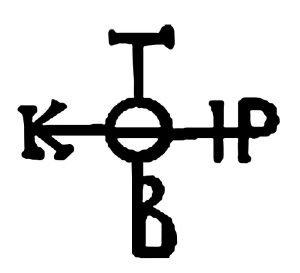
Tervel_of_Bulgaria_monogram

Полк. Дянко Марков [CC BY-SA (https://creativecommons.org/licenses/by-sa/3.0)]


  • Origin: Bulgarian Тервел
  • Meaning: unknown
  • Gender: masculine
  • (TAIR-vel)

The name is of unknown etymology. It was borne by an 8th-century Bulgarian khan of the Dulo Clan who was given the title of Caesar by Justinian II, the first known foreign ruler to receive such a distinction in Byzantine history.

Other forms include Tarvel, Terval, and the Greek Terbelis.


Sources

Varsha, Varshan


The name Varsha वर्षा is a Sanskrit female name meaning rain and refers to the varsha (rainy) season in the Hindu calendar.

The name is borne by Indian actress, Varsha Usgaonkar (b. 1968).

A masculine form is Varshan.


Sources

Daeira, Daira

download (8)


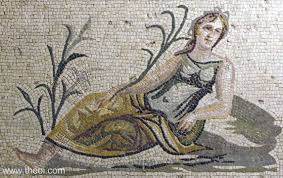
Daeira Δαιρα is Greek and is derived from the Greek δαο (dao), meaning “the knowing one; the teacher.” It was the name of an Oceanid nymph who was said to be the mother of Eleusis. She may have originally been a fertility goddess who was associated with the Eleusian mysteries. The name was also sometimes used as an epithet for Persephone, Aphrodite and Hera. Daira is the Latin translation and it has come into recent popular use in Latin America. It is also used in Latvia, but in this case it is not known if it is of Latvian origins or a borrowing from the same above Greek Source.


Sources

Samiha

Canzi_Arab_Girl_1844

A Young Arab Girl by August Alexius Canzi courtesy Wikimedia Commons


Origin: Arabic سميحة
Meaning: generous; forgiving
Gender: feminine
(suh-MEE-huh)


The name is derived from the Arabic verb سامح (smh), which means “to condone; excuse; forgive; overlook; pardon” and can also be translated as to mean “lenient, generous.”

Other transliterations include: Sameeha (Urdu) and Samihah.

A masculine more unusual form is Samih سامح.


Sources