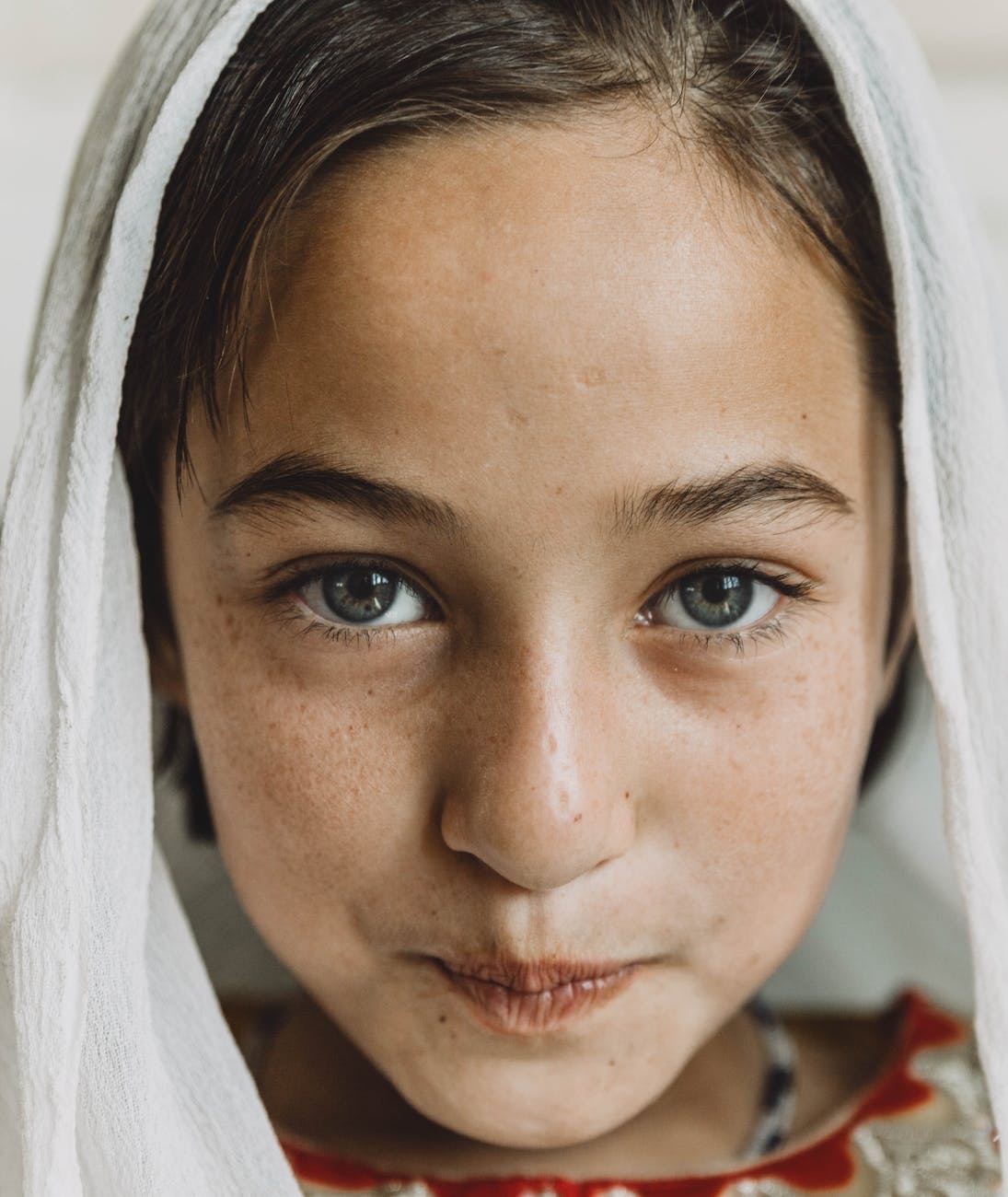
Villano, Villana

Photo by Helena Lopes on Pexels.com
  • Origin: Italian
  • Meaning: “farmhand, countryman, peasant”

From the Medieval Italian term, villano, meaning a farmhand, countryman, peasant, ultimately from the Latin villanus, of the same above meaning.

Both its masculine form of Villano and its feminine form of Villana were in common use in Medieval Italy. Its masculine form was born by two 12th-century Italian bishops, and its feminine form was born by Bl. Villana de Botti (1332-1360), an Italian nun and penitent who is currently up for canonization by the Catholic Church.

Both names fell out of use in Italy due to the term later taking on the meaning of a rude or crass person. Villano is however, also an Italian surname. Its gallicized forms of Villain and Villaine appear in sporadic use in France between the 11th-17th centuries.

Villanella is a type of Italian music, which later spun off the Villanelle (derived from pluralized of the former word), which is the name of a type of pastoral poem that became popular in 19th-century England.

Villanelle was used as the name of a character in the 1987 Jeannette Winterson novel, The Passion. It was then used as the name of a character in the Luke Jennings’ thriller novel, Codename Villanelle, which later spun off the BBC series, Killing Eve (2018-2022). Since 2018, the name has appeared in sporadic use in the U.K. being given to 5 baby girls a year.

Theoretically, Villanella could have been a Medieval diminutive form of Villana, and it would then be possible to gallicize the name to Villanelle, but I cannot find any records for either name being used prior to the 21st-century, and Villana’s French form was Villaine, which would more likely to have lend itself to the diminutive form of Villainette.

Masculine forms:

  • Villain (French, rare)
  • Villanus (Late Latin)
  • Willan (Polish, rare)

Feminine forms

  • Villaine (French)
  • Willana (Polish)

Sources

Zandile

  • Origin: Zulu
  • Meaning: “they have increased.”
  • Gender: feminine
  • Pronunciation: ZAN-dee-lee

The name comes directly from the Zulu phrase meaning, “they increased.”

The name is borne by Doja Cat, whose birth name is Amala Ratna Zandile Dlamini (b. 1995); South African activist and conservationist, Zandile Ndhlovu, and South African actress, Zandile Msutwana (b. 1979).

Sources

Amiri

Photo by Raydar on Pexels.com
  • Origin: Japanese
  • Meaning: various
  • Gender: feminine
  • Pronunciation: AH-mee-ree
  • あみり(Japanese Hiragana)

The name is a Japanese female name which can have several different meaning depending on the Kanji used. The following Kanji combinations include:

  • 愛 (to love, to adore); 実 (fruit; reality; truth); 理 (principle, logic, reason).
  • 愛 (to love, to adore); 実 (fruit; reality; truth); 璃 (glass, crystal, gemstone)
  • 愛 (to love, to adore); 実 (fruit; reality; truth); 里 (village, hometown, birthplace)
  • 愛 (to love, to adore); 美 (beautiful); 璃 (glass, crystal, gemstone)
  • 愛 (to love, to adore); 美 (beautiful); 里 (village, hometown, birthplace)
  • 亜 (sub; inferior; Asia); 実 (fruit; reality; truth); 里 (village, hometown, birthplace)
  • 亜 (sub; inferior; Asia); ‘心’ (heart; feeling; center); 里 (village, hometown, birthplace)
  • 亜 (sub; inferior; Asia); 未 (not yet, un, none); 莉 (jasmine, pear tree).

Other Kanji are possible.

It is also a Persian surname, meaning “of Amir.” It is the name of a American fashion designer, Mark Amiri, who founded the fashion house AMIRI. The latter may be the reason why this name suddenly appeared in the U.S. Top 1000. It has appeared in both the male and female charts, coming in at #521 for males and #876 in 2022.

Sources

Where I have been

Sorry I have not been keeping up with this site. I have been trying to turn this site into an actual database and website that can be easily used. I am not very computer savvy and I have not found a way to do that. I also work full time and sometimes it is just exhausting to update this page after a long days work.

I have decided to create a sister site that will focus on the non-legitimate names so to speak. I would be very grateful if you visit and subscribe: https://wordpress.com/page/postmodernbabynames.com/80

Tvisha, Twisha

Photo by Artem Saranin on Pexels.com
  • Origin: Sanskrit त्विषा
  • Gender: feminine
  • Meaning: “splendour; light”
  • (TWEE-shah)

The name comes directly from the Sanskrit word त्विषा meaning “splendour; light.” It can be transliterated as Tvisha or Twisha.

Sources

Potamiana, Butamina

Photo by Ismael Abdal Naby studio on Pexels.com
  • Origin: Egyptian/Coptic ⲡⲟⲧⲁⲙⲓⲁⲛⲁ
  • Gender: feminine
  • Meaning: “from the lake; from the sea.”

Potamiana is a latinized form of the Demotic Tꜣ-pꜣ-ym, ultimately derived from the Coptic Tapiam ⲧⲁⲡⲓⲁⲙ meaning “of the sea; of the lake.” It later evolved into the Greek Taphomis Ταπιωμις, and further hellenized as Potamiana.

Butamina and Butamiyana بُوطَامِيانَا‎ are it’s Arabized forms.

The name was borne by a 3rd-century AD Egyptian saint who was martyred for her Christianity.

Her feast day is June 28th.

Other forms of the name include:

  • Butamina بوتاميانا, Butamiyana بوتاميانا (Arabic)
  • Pwtmyana ܦܘܛܡܝܢܐ (Aramaic)
  • Potamiana Ποταμιανή Потамиана (Croatian, Czech, English, German, Greek, Polish, Portuguese, Romanian, Russian, Spanish)
  • Potamienne, Potamène, Potamine (French)
  • Potamiaina, Potamiöna (German)
  • Potamaena, Potamiaena (Late Latin)
  • Potamiena (Italian, Spanish)
  • Potamina (Italian)
  • Potamijana Потамијана (Serbian)
  • Potamiyana Потаміана (Ukrainian)

Sources

Awwal, Oula

Photo by Pixabay on Pexels.com
  • Origin: Arabic
  • Meaning: “first; foremost.”
  • masc (AHW-wahl); fem (OO-lah)

Awwal أوّل is an Arabic male name which comes directly from the Arabic word القائمة (first, foremost). It’s feminine form is Oula أولى. A unisex form is Awwalan أَوَّلاَن which is derived from the plural form of awwal.

In Islam, al-Awwal is one of the many names of God.

Sources

Sunaina

Photo by Aa Dil on Pexels.com
  • Origin: Hindi
  • Meaning: “beautiful eyes”
  • Gender: Feminine
  • (soo-NAY-nah)

The name is composed of the Hindi words सुंदर (sundar), meaning “beautiful” and aina ऐन “eyes; mirror.” The name is borne by several Indian actresses, including Sunaina Yella.

Sources

Vismaya

Photo by Simon Berger on Pexels.com
  • Origin: Sanskrit
  • Meaning: “wonder.”
  • Script: ವಿಸ್ಮಯ (Kannada); വിസ്മയ (Malayalam)
  • Gender: feminine
  • (VIS-mye-uh)

The name comes directly from the Sanskrit word विस्मय (vismaya) meaning, “wonder; amazement.”

Source