 Gender: Feminine
Origin: Latin Диана
Meaning: “sky.”
Eng (di-AHN-nah)
The name is derived from the Latin word, dius which refers to “divinity” but may also be traced to an earlier Indo-European root word deyew* meaning “sky.” It is believed to share the same etymology with the Greek Zeus, the Latin Deus (god), the Vedic Dyaus and the Latin dies (day, day light).
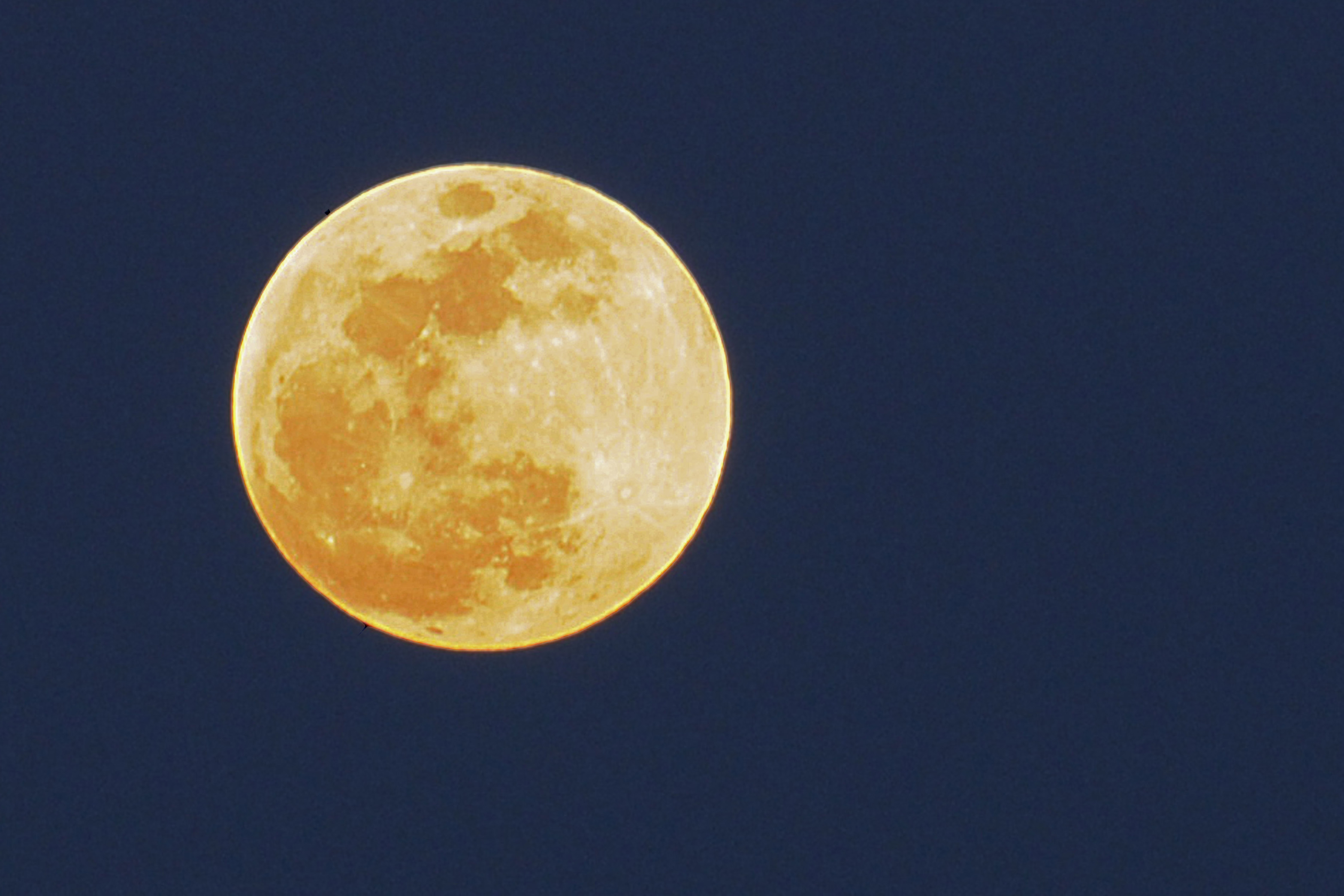
In Roman mythology the name was borne by the virgin goddess of the hunt and of the moon. She was most often associated with wild animals and the woodlands. She was considered the patroness of virgins and women and was one of the triad of maiden goddesses, Diana, Minerva & Vesta.
The name was borne by several early Greek saints and as a result, was always a common name in Southeastern Europe and frequently used among the Christians of the Middle East. It was possibly introduced into the English-speaking world via Sir Walter Scott’s 1817 novel Rob Roy, it may have been further popularized by George Meredith’s Diana of the Crossways (1885).
In modern history, the name was borne by the late Princess of Wales, Diana Spencer (1961-1997).
The name is currently the 190th most popular female name in the United States, (2010). The highest she ranked in the U.S. name charts was in 1946 when she ranked in as the # 42. Its French counterpart of Diane became exceedingly popular in the English-speaking world during the mid-20th-century. She currently does not rank in the U.S. top 1000, but at one time (1951) she was the 15th most popular female name.
Diana’s rankings in other countries are as follows:
- # 4 (Kazakhstan, 2010)
- # 83 (Hungary, 2010)
- # 84 (Spain, 2010)
Other forms of the name include:
- Dijana Дијана (Bosnian/Croatian/Macedonian/Serbian/Slovene)
- Diana Диана დიანა (Assyrian/Bulgarian/Coptic/Czech/Dutch/English/Estonian/German/Georgian/Greek/Hungarian/Italian/Kazakh/Latin/Latvian/Lebanese/Lithuanian/Polish/Portuguese/Romanian/Russian/Scandinavian/Spanish/Syrian/Ukrainian)
- Diane (French/English)
- Diána (Hungarian)
The designated name-days are: Janury 4 (Czech Republic), January 29 (Sweden), February 23, (Latvia), June 9 (France), July 1 (Slovakia), August 13 (Lithuanian/Poland) September 23 (Estonia).
Sources
- http://www.behindthename.com/php/find.php?name=diane
- http://www.askoxford.com/firstnames/diana?view=uk
 Gender: Feminine
 Gender: Feminine
 Gender: Masculine
 Gender: Masculine
 Gender: Masculine
 Gender: Masculine
 Gender: Masculine
 Gender: Masculine