Gender: Feminine
Origin: Estonian
Meaning: “flake.”
(HEL-vee)
The name is possibly derived from the Estonian, helves, meaning, “flake.”
Another form is Helve.
The designated name-day is February 27.
Gender: Feminine
Origin: Estonian
Meaning: “flake.”
(HEL-vee)
The name is possibly derived from the Estonian, helves, meaning, “flake.”
Another form is Helve.
The designated name-day is February 27.
Gender: Feminine
Origin: Finnish
Meaning: “winter.”
(TAHL-veek-kee)
The name is derived from the Finnish, talvi, meaning, “winter.”
Talvi is also used as a name in both Finland and Estonia, (see Talvi).
The designated name-day for Talvikki is February 11.
Sources
 Gender: Feminine
Origin: Lithuanian
Meaning: unknown
Lith (bih-ROO-tey); Pol (bee-ROO-tah).
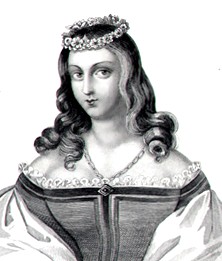
Birutė is a classic Lithuanian name. It’s meaning and origin is debated.
It may be a diminutive form of any Lithuanian name beginning in the Birė element.
Other sources suggest it is derived from the Lithuanian verb birti meaning “to scatter; strew” or “pour out.”
It has also been linked with the Lithuanian verb byrėti meaning “to crumble or to fall apart,” which is associated with the Lithuanian word, byrančiu, meaning, “falling snow.”
In Lithuanian history, the name was borne by the wife of Grand Duke Kęstutis of Lithuania and the mother of Vytautas the Great (d. 1382)
In Lithuania, Birutė is considered a sort of folk heroine, a lot of legends have been attributed to her, one being that Birutė was a vaidilutė or priestess of the gods who guarded the sacred fire. It is believed that Kęstutis kidnapped and married her against her will. After her death, she was made into a sort of pagan folk saint. In 1989, archeological evidence suggested that she had a sanctuary dedicated to her on a hill in Palanga, now named Birutė Hill, it is considered the highest dune in Palanga.
The form of Biruta was also ocassionally used in Poland and Latvia.
A Lithuanian masculine form is Birutis.
The designated name-days are February 5 (Lithuanian) and November 24 (Poland).
Possible translations in other languages could be
 Gender: Feminine
Origin: Finnish
Meaning: “snow.”
(LOO-mee)
The name comes directly from the Finnish word for “snow.”
Its designated name-day is February 2nd.
Another form is Lumikki, which is also the Finnish name for “Snow White.”
 Gender: Feminine
Origin: Latvian
Meaning: “flake”
The name comes directly from the Latvian word parsla meaning “flake” as in a snow flake.
The designated name-day in Latvia is January 30.
As of 2008, approximately 534 women in Latvia bore this name.
 Gender: Feminine
Origin: Lithuanian
Meaning: “snowdrop.” literally “little snow”
(snye-GWOH-lay)
The name is derived from the Lithuanian sniegas meaning “snow”/the suffix of uolė is a common Lithuanian feminine suffix denoting smallness.
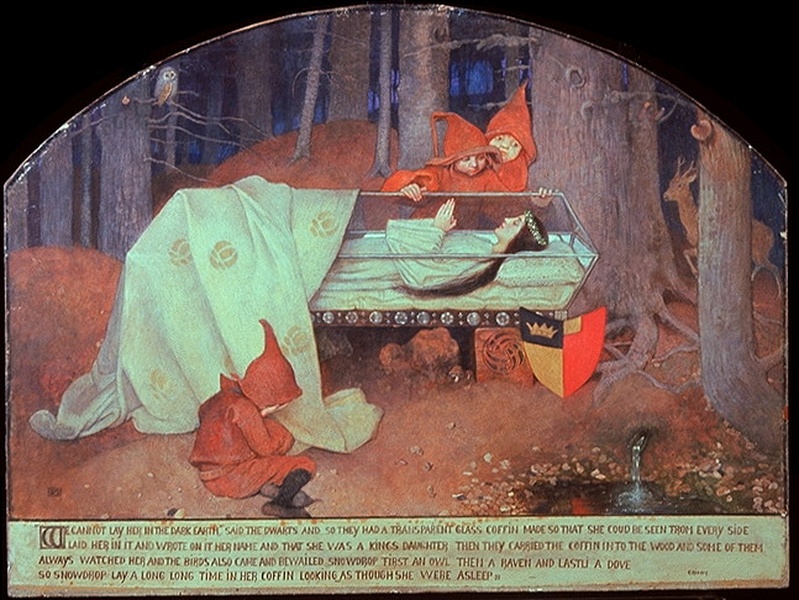
In Lithuanian, this is also the name for Snow White and it is the name for the snowdrop flower.
Its designated name-day is January 15.
 Gender: Feminine
Origin: Estonian
Meaning: “winter.”
(TAHL-vee)
The name comes directly from the Estonian word, talv, meaning “winter.” Talvi is also the word for “winter” in Finnish.
The designated name-day is January 10, other forms include Talva and Talve.
 Gender: Feminine
Origin: Latvian
Meaning: “ornament; adornment; trinket.”
The name comes directly from the Latvian word for ornament or adornment and its designated name-day is January 7th.
As of 2008, approximately 208 women in Latvia bore this name.
 Gender: Masculine
Origin: Debated
Meaning: Debated
The name is of uncertain origin or meaning, but may be related to the Phoenician deity name, Melqart, which means “king city” or possibly even to the Hebrew components, malki (my king) and or (light), which would roughly translate as “my king is light.”
According to Christian lore, it is the name of one of the Three Wise Men (Magi) who visited Christ.
Its designated name-day is January 6th.
Other forms of the name include:
an obscure feminine form is Melchiora.
 Gender: Masculine
Origin: Phoenician
Meaning: “Ba’al protects the king.”
Eng (Bel-the-Zar)
The name is believed to be a corruption of the Biblical Phoenician name, Belshazzar, which appears in the Book of Daniel as the name of a Babylonian king.
In Christian folklore, the name is attributed to one of the Three Wise Men, in both the Eastern and Western Christian Church, Balthazar is honored as a saint.
The designated name-day is January 6th.
Other forms of the name include:
As for nicknames, Bolt might make an interesting choice.