 Gender: Masculine
Origin: Basque
Meaning: “storm.”
Pronunciation: http://www.forvo.com/search/Ekaitz/
The name comes from the Basque word for storm.
Sources
Gender: Masculine
Origin: Basque
Meaning: “storm.”
Pronunciation: http://www.forvo.com/search/Ekaitz/
The name comes from the Basque word for storm.
Sources
 Gender: Feminine
Origin: Albanian
Meaning: “wind.”
The name is derived from the Albanian word, erë meaning “wind.”
Interestingly enough the name appeared in the U.S. top 1000 for the first quarter of the 20th-century.
Sources
 Gender: Feminine
Origin: Lithuanian
Meaning: “rainbow.”
(VYE-vah).
The name is derived from the Lithuanian word vaivorykštė meaning “rainbow.”
In Lithuanian mythology, the name is borne by a minor goddess of the rainbow.
According to one account, the lightning god, Perkunas, was suppose to marry the goddess Vaiva on a Thursday, but she was kidnapped by the evil Velnias and Perkunas has hunted down Velnias ever since.
Another form of the name is Vaivora.
The designated name-day is June 18.
Sources
 Gender: Feminine
Origin: Czech
Meaning: “flower.”
(KFYEH-tah)
The name comes directly from the Czech word kvet meaning “flower” and was originally used as a vernacular form of the Latin, Flora.
In the Czech Republic, the designated name-day is June 20.
Another form, albeit rare, is the Polish, Kwieta.
Sources
 Gender: Feminine
Origin: Finnish
Meaning: “lily of the valley.”
(KEE:eh-lo)
The name comes directly from the Finnish word for the lily of the valley.
The name is borne by Finnish actress Kielo Tommila (b. 1950).
To hear pronunciation by native speakers, listen to: http://www.forvo.com/word/kielo/.
The designated name-day is June 15.
Gender: Feminine
Origin: Swedish
Meaning: May defender; May careful.”
(MY-vor)
The name appeared in usage in Sweden around the 18th-century. It appears to be composed of the elements Maj (the month of May) and the suffix -vor, a common Norse element in many female names possibly being derived either from 1) vår (careful) or 2) warjar (defender).
The designated name-day in Sweden is June 8.
Sources
 Gender: Feminine
Origin: Estonian
Meaning: “violet; pansy.”
(KAHN-nee-ke)
The name comes directly from the Estonian word, kannike, meaning “pansy; violet.”
The designated name-day is June 2nd.
Another form is Kanni.
Sources
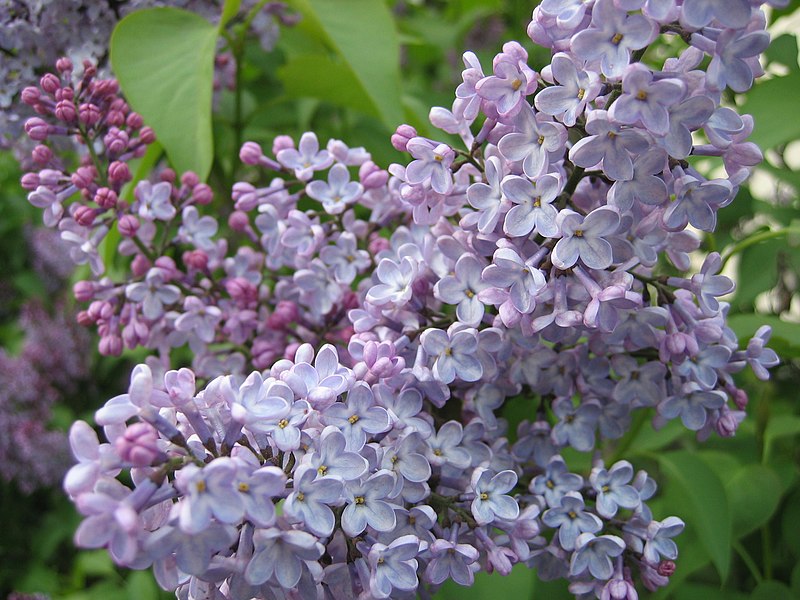 Gender: Feminine
Origin: Estonian
Meaning: “lilac”
(SEE-re-lee)
The name is possibly derived from the Estonian word sirel meaning, “lilac.”
It has also been connected to the Estonian, Sirje.
Other forms of the name include: Sirelin, Sirle and Sirli.
The designated name-day is June 1.
Sources
 Gender: Feminine
Origin: Estonian
Meaning: “catkin.”
(OOR-ve)
The name comes directly from the Lithuanian word for catkin.
A masculine derivative is Urves.
The designated name-day is May 25.
Sources
Gender: Masculine
Origin: Estonian
Meaning: “plant.”
(TAHEE-mo)
The name is derived from the Estonian, taim, meaning “plant.”
Another form is Taimar.
The designated name-day is May 17.
Sources
