Jason

Gender: Masculine

Origin: Greek

Meaning: “to heal”

Eng (JAY-sen)

The name is derived from the Greek ιασθαι (iasthai) meaning, “to heal.” In Greek mythology, the name was borne by one of the more important mythical heros. According to legend, Jason was the leader of the Argonauts and went on a long search for the Golden Fleece. He was later connected with the tragedy of Medea, (a sorceress and also his wife), when she tragically murdered their children in revenge of his unfaithfulness to her. He makes an appearance in both the epic poem, Argonautica and the play Medea. In Slovenian folklore, he is also attributed as the founder of Ljubljana.

The name also appears in the New Testament as the name of a man who sheltered Paul and Silas, (Acts 17:5–9; Romans 16:21).

The name has been popular in the English-speaking world since the Renaissance. Currently, he is the 60th most popular male name in the United States, (2008). Between 1974 and 1978, he ranked as high as # 2. His popularity in other countries is as follows:

  • # 80 (Canada, B.C., 2008)
  • #93 (the Netherlands, 2009)

Other forms of the name include:

  • Jasó (Catalan)
  • Jazon Јасон (Croatian/Polish/Serbian/Slovene)
  • Iásón (Czech)
  • Jason Ясо́н (Danish/Dutch/English/German/French/Icelandic/Norwegian/Russian/Swedish/Ukrainian)
  • Iason Ιασων (Finnish/German/Greek: Ancient/Biblical/Romanian)
  • Xasón (Galician: shah-SONE)
  • Iasoni იასონი (Georgian)
  • Iaszón (Hungarian)
  • Giasone (Italian)
  • Jasonas (Lithuanian)
  • Jasão (Portuguese)
  • Giasuni (Sicilian)
  • Jasón (Spanish)
  • İason (Turkish)

The designated name-day is July 12 (France).

A common English short form is Jay.

Sources

  1. http://www.behindthename.com/namedays/search.php?terms=jason\
  2. http://www.askoxford.com/firstnames/jason?view=uk
  3. Bulfinch’s Mythology, Medea and Aeson.
  4. Publius Ovidius Naso. Metamorphoses

Virva, Virve

Gender: Feminine
Origin: Estonian/Finnish
Meaning: “flicker; Will’o’wisp.”
(VEER-ve)

The name could either be derived from the Estonian word meaning, “flicker” or from the Finnish, virvatuli, meaning “will’o’the’wisp.” Virve and Virvi are Estonian while Virva is the Finnish counterpart.

The name is borne by a famous Estonian folk singer, Virve-Elfriide Köster (b.1928).

Its designated name-day is March 2nd in both Finland and Estonia.

Aaron

Gender: Masculine
Origin: Biblical
Meaning: debated

The name appears in the Old Testament as the name of the brother of Moses, (Exodus 6:16-20). Aaron was appointed by God to be the spokesperson for Moses and was also the first High Priest of the Israelites.

The name is of debated origin and meaning, many sources agree that it is of an unknown Egyptian source. It has also been linked with the Hebrew har-on meaning “exalted” or “mountain of strength” but this has often been debunked as a folk etymology.

In most of the Western World, its usage as a given name was exclusive among Jews until after the Protestant Reformation, when it became quite fashionable among Christians. Among Eastern Christians, the name has always been in usage.

The name is also popular among Muslims, in the forms of Haroun, Haron or Harun. It is borne by Harun al-Rashid, a 9th-century Caliph.

Currently, Aaron is the 50th most popular male name in the United States, (2008). His rankings in other countries are as follows:

  • # 69 (Australia, 2008)
  • # 65 (Belgium, 2008)
  • # 62 (Canada, B.C., 2008)
  • # 55  (England/Wales, 2008)
  • # 12 (Ireland, 2008)
  • # 158 (the Netherlands, 2009)
  • # 7 (Scotland, 2009)

Other forms of the name include:

  • Haroun/Haron/Harun هارون (Arabic)
  • Aaron/Aharon Аарон/Ахарон (Belarusian/Bulgarian)
  • Aihran (Breton)
  • Aaron Ααρών Ааро́н (Catalan/English/Estonian/Finnish/French/German/Greek/Romanian/Russian/Slovene/Ukrainian)
  • Aron Арон (Croatian/Danish/Norwegian/Polish/Serbian/Swedish)
  • Árón/Áron (Czech)
  • Aäron (Dutch)
  • Aharon אַהֲרֹן (Hebrew)
  • Áron (Hungarian/Slovak)
  • Aronne (Italian)
  • Aroni (Kiswahili)
  • Aaronas (Lithuanian)
  • Aarão/Arão (Portuguese)
  • Aarón (Spanish)
  • Áárọ́nì (Yoruba)

The name was borne by several Eastern Orthodox and Roman Catholic saints.

An obscure Spanish feminine form is Aárona.

The designated name-days are: July 1 (France/Poland).

Sources

  1. http://www.askoxford.com/firstnames/aaron?view=uk
  2. http://www.behindthename.com/php/find.php?name=aaron
  3. http://www.biblegateway.com/passage/?search=Exodus%206:16-20;&version=NIV;KJV;YLT
  4. http://en.wikisource.org/wiki/Catholic_Encyclopedia_(1913)/Aaron
  5. http://www.jewishencyclopedia.com/view.jsp?artid=4&letter=A&search=aaron#18
  6. Scofield Reference Bible, Proper Names

Robert, Robin

Gender: Masculine
Origin: German
Meaning: “bright fame.”

The name is composed of the Germanic elements, hrod (fame) and beraht meaning (bright). In Pre-Norman England, the name existed in the form of Hreodbeorht and was replaced by the now more favored Robert after the Norman Conquest.

The name has been consistently popular in the English-speaking world since. It has been worn by hundreds of notable bearers, including two French kings, three Scottish kings, (Robert the Bruce being one) and several saints.

Currently, Robert ranks in as the 49th most popular male name in the United States, (2008). His rankings in other countries are as follows:

  • # 80 (Canada, B.C., 2008)
  • # 89 (England/Wales, 2008)
  • # 44 (Hungary, 2008)
  • # 49 (Ireland, 2008)
  • # 56 (Scotland, 2009)

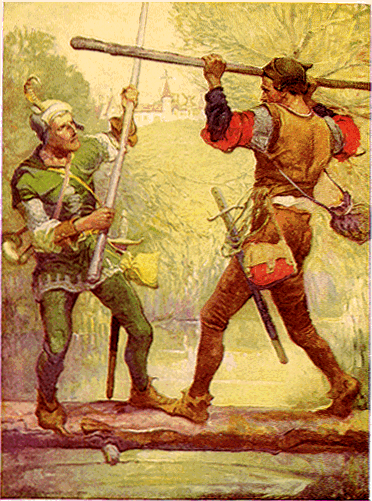
Robert has introduced several offshoots, the Medieval English diminutive form of Robin was the name of the protagonist of the legendary Robin Hood, Prince of Thieves. It is also used in Scandinavia and in German-speaking countries.

Its low Germanic counterpart of Rupert was popularized in Austria via an early Christian saint and was later introduced into England by Prince Rupert of the Rhine, a military commander and nephew of King Charles I. The name has enjoyed some usage in England ever since.

Other forms of the name include:

  • Hreodbeorht (Anglo-Saxon)
  • Roupen (Armenian)
  • Roparzh/Roperzh (Breton)
  • Robert Роберт (Catalan/Danish/Dutch/Croatian/Czech/English/Estonian/Finnish/French/German/Polish/Romanian/Russian/Serbian/Slovene)
  • Robrecht (Dutch/Afrikaans: rare, archaic)
  • Rupert (Dutch/English/German/Polish)
  • Robin (English/Finnish/Scandinavian)
  • Roobert (Finnish)
  • Roopertti (Finnish)
  • Robèrto (Fruilian)
  • Roberte (Galician)
  • Robrecht (German: rare, archaic)
  • Rodebrecht/Rotebert (German: rare, archaic)
  • Rudbert/Ruotbert (German: archaic)
  • Ruprecht (German: rare, archaic)
  • Rovēros/Rovértos Ροβῆρος Ροβέρτος (Greek)
  • Röpke (Frisian/Plattdeutsch)
  • Róbert (Hungarian/Icelandic/Slovak)
  • Roibeard (Irish-Gaelic)
  • Robertino (Italian: rare, originally a diminutive form)
  • Roberto (Italian/Portuguese/Spanish)
  • Robertus/Rupertus (Late Latin)
  • Roberts (Latvian)
  • Robertu (Leonese/Sardinian)
  • Robertas (Lithuanian)
  • Raibeart (Scottish Gaelic)
  • Robbetto (Sicilian)
  • Ruperto (Spanish)
  • Ropati (Tahitian)
  • Hopkin/Hopcyn (Welsh: originally a Medieval Welsh diminutive, occasionally used as an independent given name and now more associated with the surname).
  • Robat/Rhobert (Welsh)

Diminutives forms abound, which include: Bob, Bobbie, Rob and Robbie (English), Hob, Dob and Dobby (Medieval English diminutive forms no longer in usage), Rab/Rabbie (Scottish), Robbi (Icelandic), Röbi Swiss German, Robban (Swedish), Robercik/Robuś (Polish), and Roope/Pertti (Finnish).

A common feminine form is Roberta, which is used in English, German, Polish, Italian and Spanish. Common English short forms are Bobbie and Bertie.

A more obscure Italian/Spanish feminine form is Robertina.

Robina is a Renaissance Scots feminine form of Robin.

Name-days are: April 29 (Czech Republic/Germany/Poland), April 30 (France), June 7 (Estonia/Hungary/Poland/Slovakia/Sweden), July 18 (Poland).

Sources

  1. http://www.behindthename.com/name/robert
  2. http://www.askoxford.com/firstnames/robert?view=uk

Tuuli, Tuulikki

Gender: Feminine
Origin: Estonian/Finnish
Meaning: “wind.”
Fin (TOO-lee; TOO-leek-kee)

The name is derived from the Finnic element, tuul, which means, “wind” in both Finnish and Estonian.

Other Finnish forms include: Tuula, Tuulia and Tuulikki.

Finnish pet forms are Tupu and Tutu.

Other Estonian forms include: Tuule and Tuulike.

The designated name-day in Finland is February 22 and in Estonia, February 26.

Justin, Justine

Gender: Masculine
Origin: Latin
Meaning: “just.”
Eng (JUST-in); zhoo-STEN (French).

The name is derived from the Latin male name, Iustinus, which is derived from Iustus, meaning, “just.”

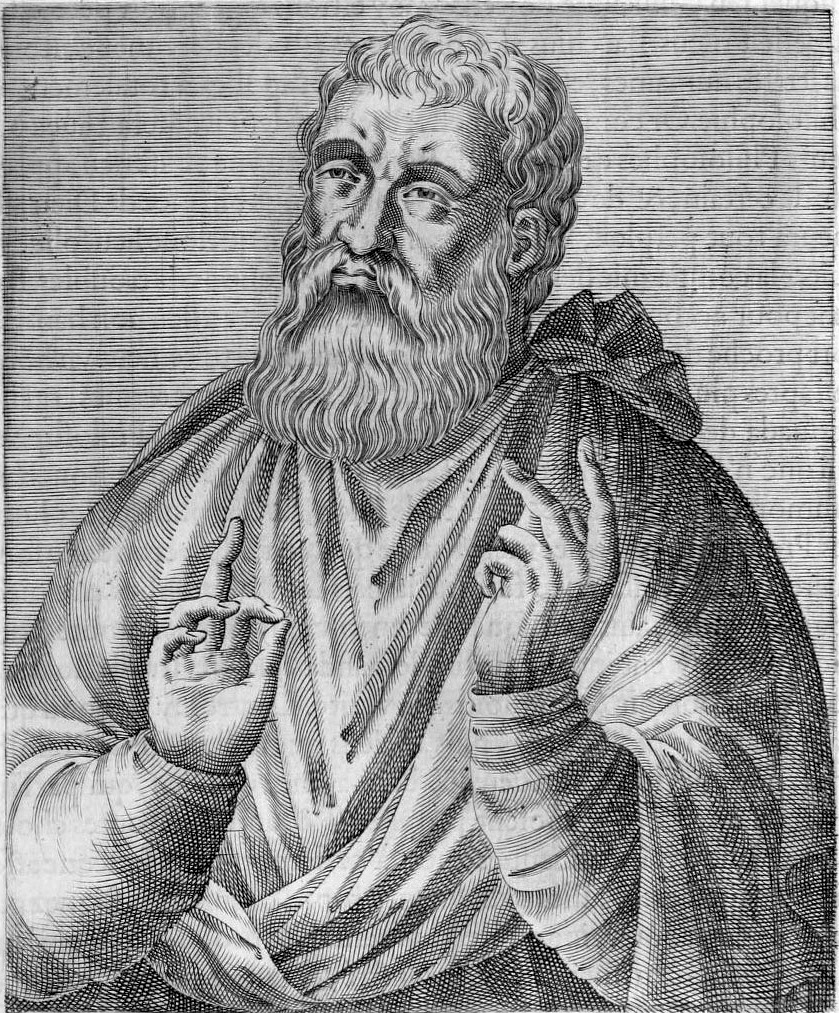
Justus and Justin were borne by several early Christian saints, including Justin Marytr, a 2nd century Christian philosopher who was beheaded for his faith. It was also borne by a 3rd century Roman historian and two Byzantine emperors.

In the English speaking world, the name was occasionally used in the Middle Ages, but did not hit big till the late 20th-century. Currently, Justin ranks in as the 45th most popular male name, (2008). His rankings in other countries are as follows:

  • # 94 (Australia, 2008)
  • # 40 (the Netherlands, 2009)
  • # 32 (Canada, B.C., 2008)

Other forms of the name include:

  • Justini (Albanian)
  • Jostin Юстин (Bulgarian)
  • Justí (Catalan)
  • Yestin (Cornish)
  • Justin Јустин (Croatian/Czech/English/Dutch/French/German/Serbian/Slovene)
  • Justinus (Danish/Dutch/English/German/Norwegian/Swedish)
  • Justinian (English)
  • Xustino (Galician)
  • Ioustinos Ιουστίνος (Greek)
  • Jusztin (Hungarian)
  • Jusztinosz (Hungarian)
  • Yustinus (Indonesian)
  • Giustiniano (Italian)
  • Giustino (Italian)
  • Iustinius/Iustinus (Latin)
  • Justinas (Lithuanian)
  • Ġustinu (Maltese)
  • Justyn (Polish)
  • Justino (Portuguese/Spanish)
  • Iustin (Romanian)
  • Yustin Иустин (Russian)
  • Giustinu (Sardinian/Sicilian)
  • Iestyn (Welsh)

Other forms of Justus include:

  • Justus (Danish/Dutch/Finnish/English/German/Norwegian/Swedish)
  • Joos/Joost (Dutch)
  • Juust (Dutch)
  • Juste (French)
  • Jusztusz (Hungarian)
  • Giusto (Italian)
  • Iustus (Latin)
  • Justas (Lithuanian)
  • Just (Polish)

Its French feminine form has received some usage in the English speaking world. In French literature, the name is borne by the protagonist of the Marquis de Sade’s novel of the same name, (1791), which was banned in France when it was first published.

In early Christian Church history, the name was borne by a saint and martyr, considered the patron saint of Padua and attributed as being a disciple of the Apostle Peter in life.

In 2006, Justine was the 37th most  popular female name in France.

Other feminine forms include:

  • Justina (Czech/English/German/Latvian/Lithuanian/Portuguese/Slovene/Spanish)
  • Justýna (Czech)
  • Justine (English/French)
  • Justiina (Finnish)
  • Jusztina (Hungarian)
  • Giusta/Giustina (Italian)
  • Iustina (Latin)
  • Justa (Polish)
  • Justyna (Polish: a common diminutive is Justynka)
  • Justína (Slovak)
  • Ustinya/Yustina Устинья (Russian)

The designated name-days are: March 12 (France), June 1 (France) and June 16 (Latvia).

The name is currently borne by pop singer, Justin Timberlake (b.1978) and American actress, Justine Bateman (b.1966).

Sources

  1. Ladó János, Bíró ÁgnesMagyar utónévkönyv. Budapest: Vince Kiadó.(2005)
  2. http://www.askoxford.com/firstnames/justin?view=uk
  3. http://www.askoxford.com/firstnames/justina?view=uk
  4. http://www.askoxford.com/firstnames/justine?view=uk
  5. http://www.behindthename.com/php/related.php?name=justine

Olaf

Gender: Masculine
Origin: Old Norse
Meaning: “ancestor’s descendant.”
(OH-lahf)

The name is derived from the Old Norse Áleifr, which is composed of the elements, anu meaning, “ancestor” and leifr meaning, “heir; descendant.”

The name was extremely common throughout Scandinavia in the early Middle Ages, and its popularity was sparked due to the fame of King Olaf II, who was canonized a saint. He is believed to be responsible for Norway’s conversion to Christianity. He is still regarded as a sort of national folk hero and is considered the patron saint of Norway.

The name was borne by a few other Norwegian kings.

Currently, its offshoot of Ola, is the 65th most popular male name in Norway, (2009). His other forms are ranked as follows:

  • Olav # 77 (Norway, 2009)
  • Ole # 33 (Norway, 2009)
  • Olle # 35 (Sweden, 2009)

Other forms of the name include:

  • Olaf (Danish/German/Polish/Norwegian/Swedish)
  • Olai/Olaj (Danish/Norwegian)
  • Olau (Danish)
  • Olav (Danish/Norwegian)
  • Oluf (Danish)
  • Lávus (Faroese)
  • Ólavur (Faroese)
  • Olev (Estonian)
  • Olavi (Finnish/Estonian)
  • Olli (Finnish)
  • Oola (Finnish)
  • Uolevi (Finnish)
  • Ólafur (Icelandic)
  • Óli (Icelandic)
  • Amhlaoibh (Irish-Gaelic)
  • Olaus/Olavus (Latin)
  • Olafs/Olavs (Latvian)
  • Ulafs (Latvian)
  • Ola (Norwegian/Swedish)
  • Olavius/Olavus (Norwegian)
  • Ole (Norwegian/Swedish)
  • Áleifr/Óláfr (Old Norse)
  • Olavo (Portuguese)
  • Olá (Sami)
  • Olen (Sami)
  • Olet (Sami)
  • Ovlá/Ovllá (Sami)
  • Ovlin (Sami)
  • Amhlaidh (Scots-Gaelic)
  • Aulay (Scottish)
  • Olagus (Swedish)
  • Olle (Swedish)
  • Olof (Swedish)
  • Olov (Swedish)

Feminine forms include:

  • Olava (Danish/Norwegian/Swedish)
  • Olea (Danish/Norwegian)
  • Oluffa/Olufine (Danish/Norwegian/Swedish)
  • Óluva (Faroese)
  • Óla (Icelandic)
  • Ólafía (Icelandic)
  • Ólafína (Icelandic)
  • Ólavía (Icelandic)
  • Lava (Norwegian)
  • Lavine (Norwegian)
  • Olafine (Norwegian)
  • Olave (Norwegian)
  • Olavia (Norwegian)
  • Olavine/Olevine (Norwegian)
  • Olemine (Norwegian)
  • Oletta/Olette (Norwegian)
  • Olia (Norwegian)
  • Olsine (Norwegian)
  • Olávia (Portuguese)
  • Olova/Oluva (Swedish)

Common Finnish diminutives are Laaku, Lavi, Olkki, Olkku, Uokke and Uokki.

The designated name-days are February 15 and July 29.

Sources

  1. http://www.behindthename.com/name/olaf
  2. http://www.nordicnames.de/wiki/Olaf_m
  3. http://www.scb.se/
  4. http://www.dst.dk/Statistik/Navne.aspx
  5. http://www.ssb.no/navn/

Voitto

Gender: Masculine
Origin: Finnish
Meaning: “victory”

The name comes directly from the Finnish word meaning, “victory.”

The designated name-day is February 14.

Sources

  1. Lempiäinen, Pentti: Suuri etunimikirja. WSOY, 2004.
  2. Vilkuna, Kustaa (toim. Mikkonen, Pirjo): Etunimet. Otava, 2005.
  3. http://www.nordicnames.de/wiki/Voitto
  4. http://www.behindthename.com/name/voitt

Other forms are: Vote and Voti.