Tariq

Gender: Masculine
Origin: Arabic طارق
Meaning: “morning star; messenger; the knocking one; traveller, path finder.”
طارق

The name is of Arabic origins and can have several different interpretations, one is that it is from the Arabic verb ṭaraqa meaning “to knock” or “to pound.” In this case, the name would take on the meaning of “messenger” or “bringer of news.”

In the Qu’ran, the morning star is named ṭāriq and is described as something that shines and leads the way and in this case, the name can take on the meaning of “someone who leads the way” “traveller” or “pathfinder.”

As of 2010, Tarik was the 2nd most popular male name in Bosnia & Herzegovina, while Tareq is the 8th most popular male name in Libya.

The name was most notably borne by Tariq ibn Ziyad, the Islamic general who helped conquer Spain in the 8th-century.

The name is used by both Muslim and Christian Arabs.

Other forms of the name include:

  • Tarik (Albanian/Bosnian)
  • Tarak/Tarek (Algerian/Lebanese/Moroccan/Tunisian: these are usually the way the name is transcribed in French and hence is most often used in the Francophone world)
  • Tarık (Azeri/Kurdish/Turkish)

The name is also transliterated as Tareq and Tareeq.

Leila, Layla

Gender: Feminine
Origin: Arabic לילה‎ ليلى
Meaning: “night.”
(LAY-la)

The name is derived from the Arabic and has a variety of different meanings depending on its spelling, the most popular etymology is that it is from a Semitic root, l-y-l, meaning, “night” and shares the same etymology as the name Lilith.

The name has always been popular in the Middle East and is found in the 7th-century romantic poem, Qays & Layla also known as Layla & Majnun (written by Persian poet, Nizami Ganjavi). The legend trickled down to throughout the Middle East, Near East, Central Asia and South Eastern Europe, making the name a long time classic in all those regions.

It was introduced into the English-speaking world via Lord Byron in which the name appears in two of his works, The Gaiour (1813) and Don Juan (1819). It was further popularized in the 1970s when the name was the subject of two songs, one being the famous Eric Clapton song and the other being “Layla” by Derek and the Dominos.

Her Bosnian form of Lejla is the 7th most popular female name in Bosnia & Herzegovina, (2010). Her rankings in other countries are as follows:

  • # 3 (Leyla, Azerbaijan, 2010)
  • # 36 (Layla, Australia, 2010)
  • # 37 (Layla, United States, 2010)
  • # 44 (Layla, England/Wales, 2010)
  • # 50 (Layla, Ireland, 2010)
  • # 50 (Layla, Scotland, 2010)
  • # 71 (Leila, Hungary, 2010)
  • # 76 (Layla, Canada, BC, 2010)
  • # 95 (Laila, England/Wales, 2010)
  • # 138 (Laila, United States, 2010)
  • # 143 (Leila, France, 2009)
  • # 204 (Leila, United States, 2010)
  • # 304 (Layla, Netherlands, 2010)
  • # 478 (Laila, Netherlands, 2010)
  • # 747 (Leyla, United States, 2010)

The name is also common in Iran, Israel, the Balkans and in the Turkic world.

In the Middle East, the name was popularized by a 7th-century poet by the name of Qays, whose lady love was named Layla. His story became a popular Medieval Arabic romance.

Other forms of the name include:

  • Lejla Лейла (Albanian/Bosnian/Dagestani/Kazakh/Maltese/Tatar)
  • Laïla (Algerian/Moroccan/Tunisian)
  • Leïla (Algerian/Moroccan/Tunisian)
  • Leyli Լեյլի (Armenian)
  • Leyla (Azeri/English/Kurdish/Turkish)
  • Lajla Лайла (Chechen)
  • Leila ლეილა (Circassian/English/Ethiopian/French/Georgian/Hungarian)
  • Laila (Dutch/English/Estonian/Finnish/Hindi/German/Latvian/Scandinavian/Urdu)
  • Layla (English/Italian/Uzbek)
  • Lejli Лейли (Kazakh)
  • Ljajlim Ляйлим (Kazakh)
Laila can also be a Sami form of Helga.

Amram

Gender: Masculine
Origin: Biblical Hebrew  עַמְרָם
Meaning: “exalted one.”

The name is found in the Old Testament as the name of the husband of Jochebed and the father of Moses, Aaron and Miriam. In the Qu’ran, the name appears in its Arabic form of Imran عمران as the name of both the father of Moses and the father of the Virgin Mary, (analogous to the Catholic Joachim).

As of 2010, Imran was the 17th most popular male name in Bosnia & Herzegovina. His rankings in other countries are as follows:

  • # 243 (Netherlands, 2010)
  • # 365 (France, 2009)

Other forms of the name include:

  • Imram عمرام (Arabic)
  • Ambram Αμβραμ (Greek)
  • ‘Îmran (Kurdish)
A Bosnian feminine form is Amra, which is currently the 27th most popular female name in Bosnia & Herzegovina, (2010).

Adnan

Gender: Masculine
Origin: Arabic  عدنان‎
Meaning: “settler.”
(AHD-nahn)

The name is derived from the Semitic root ‘adn meaning, “to stay; to abide.”

This is the traditional name of the progenitor of the Adnani Arabs, they are believed to be the direct descendants of Ismael and this is the tribe from which the Prophet Mohammed came.

As of 2010, Adnan was the 18th most popular male name in Bosnia & Herzegovina.

The name is used throughout the Islamic world.

Bosnian feminine forms include Adna and Adnana.

Iman

Gender: Feminine
Origin: Arabic  إيمان Иман
Meaning: “faith.”
(ee-MAHN)

The name comes directly from the Arabic word for faith.

The name is used throughout the Islamic world and as of 2010, it was the 30th most popular female name in Bosnia & Herzegovina, (2010).

Its North African form of Imane is currently the 80th most popular female name in Belgium, (2009), the 163rd most popular in France, (2009) and the 411th most popular in the Netherlands, (2010).

Iman was brought to attention in the Western World by Somali-born model, Iman (b.1955)

The name is also borne by two Jordanian princesses and Persian Princess Iman Pahlavi, daughter of Reza Pahlavi, the deposed Crown Prince of Iran.

Other forms include:

  • Imane (Algerian/Moroccan/Tunisian)
  • İman (Azeri/Turkish)
  • Îmân (Kurdish)
  • Imaan (Somali)
  • Imani (Swahili) 

Omar

Gender: Masculine
Origin: Arabic عمر
Meaning: “populous; flourishing; life.”

or

Gender: Masculine
Origin: Biblical Hebrew
Meaning: “speaker.”

The name can be of multiple origins and meanings, in Arabic, the name is derived from the word, عمر (umr) meaning, “life.”

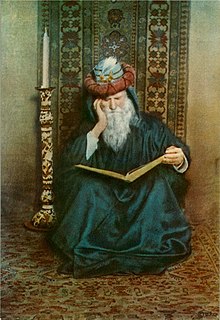
The name was borne by the second caliphe of the Muslims as well as by a 12th-century Persian poet, Umar Khayyam.

In Hebrew, the name means “speaker” and is found Genesis 36:11 as the name of the son of Eliphaz.

The name may also be possibly related to the Hebrew, Omer, which means “sheaf of wheat” but was also the name of a unit of measuring in ancient times.

Omar is a popular name in Spanish-speaking countries, whether this is a leftover from Moorish occupied Spain or in reference to the Biblical Hebrew character is unknown.

As of 2010, Omar was the 54th most popular male name in Bosnia & Herzegovina. His rankings in other countries are as follows:

  • # 4 (Arab world (2011) (BabyCenter Arabia members)
  • # 4 (Pakistan)
  • # 6 (Iraq, 2007)
  • # 7 (Israel, Muslim boys, 2009)
  • # 7 (Umar, Malaysia, 2011)
  • # 8 (United Arab Emirates)
  • # 9 (Omer, Israel, Jewish intersex names (given to both boys and girls) 2008)
  • # 77 (Catalonia, 2010)
  • # 87 (Spain, 2010)
  • # 175 (United States, 2010)
  • # 252 (Netherlands, 2010)
  • # 289 (France, 2009)

Other forms include:

  • Omeri (Albanian)
  • Omer (Amharic/Kurdish)
  • Umar عمر (Arabic)
  • Omar Ома́р (Albanian/Arabic/Bosnian/Chechen/Dagestani/Kazakh/Kyrgyz/Persian/Russian/Spanish/Tajik/Tatar/Turkmen/Uzbek)
  • Ömər (Azeri)
  • Amar (Berber)
  • Úmar (Catalan)
  • Oumar/Oumarou (Sub-Saharan African)
  • Ömer (Turkish)

In France, the designated name-day for Omer is September 9.

Other notable bearers include: Egyptian born actor Omar Sharif (b.1932); Omar al-Bashir (b.1944) the president of Sudan; and American actor, Omar Epps (b. 1973).

Source

  1. http://www.behindthename.com/php/search.php?nmd=n&terms=Omar
  2. http://www.askoxford.com/firstnames/omar

Amin

Gender: Masculine
Origin: Arabic أمين
Meaning: “truthful.”
(AH-MEEN)

The name comes directly from the Arabic word امين (amin) meaning, “truthful.”

al-Amin was an epithet for the Prophet Mohammed and it was also borne by the sixth Abbasid Caliph.

As of 2010, Amin was the 76th most popular male name in Bosnia & Herzegovina, while in Belgium, his franconized form of Amine was the 93rd most popular male name, (2009). He is the 209th most popular male name in the Netherlands, (2010).

The name is prevalent throughout the Islamic world.

The feminine form is of course, Amina.

Ansar

Gender: Masculine
Origin: Arabic
Meaning: “helpers.”
(AHN-SAHR)

The name is derived from the Arabic plural and Islamic term, al-Ansar (the helpers), which refers to a group of Medinian citizens who helped the Prophet Mohammed settle into the city of Medina.

Its Balkan and Turkish form of Ensar is currently the 33rd most popular male name in Bosnia & Herzegovina, (2010).

The name is used throughout the Islamic world.

Other forms include:

  • Anshar (Achinese, Javanese)
  • Ensar (Albanian, Bosnian, Turkish)
  • Ənsar (Azeri)
  • Ansor Ансор (Tajik, Uzbek)
  • Ansaar (Urdu)
  • Anzar (Uyghur)

Bilal

Gender: Masculine
Origin: Arabic بلال
Meaning: “moistening.”
(bee-LAHL)

The name is derived from the Arabic meaning, “moistening.”

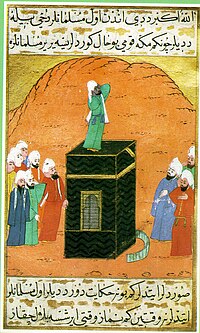
It was borne by the first Muezzin (Caller to Prayer) and a disciple of the Prophet Mohammed. He was an Ethiopian slave who had been emancipated by Mohammed.

As of 2010, Bilal was the 37th most popular male name in Bosnia & Herzegovina. His rankings in other countries are as follows:

  • # 90 (Catalonia, 2010)
  • # 147 (France, 2009)
  • # 217 (Netherlands, 2010)

The name is used throughout the Islamic world.

Another notable bearer was Bilal Xhaferri (1935–1986), an Albanian poet, novelist and political dissident against the Albanian communist regime.

Naila

Gender: Feminine
Origin: Arabic نائلة
Meaning: “attainer.”

The name is derived from the Arabic male name, Nail, which comes directly from the Arabic word for “attainer.”

The name was borne by the wife of Caliph Uthman I, an Iraqi Christian convert, who tried to defend her husband while a mob was killing him and in the process, ended up getting her fingers cut off.

It is also the name of a town in Bavaria.

As of 2010, its Bosnian form of Najla was the 70th most popular female name in Bosnia & Herzegovina. Another Bosnian form is Naijla.

A Bosnian diminutive form is Naja (NYE-yah)