
- Origin: Mordvin Эйзюраль
- Meaning: “born in the season of icicles.”
- Gender: Female
A Pre-Christian Mordvin female name, meaning, “born in the season of icicles.”
Source
A Pre-Christian Mordvin female name, meaning, “born in the season of icicles.”
Source

The name is derived from the Mordvin word tele (winter).
Sources
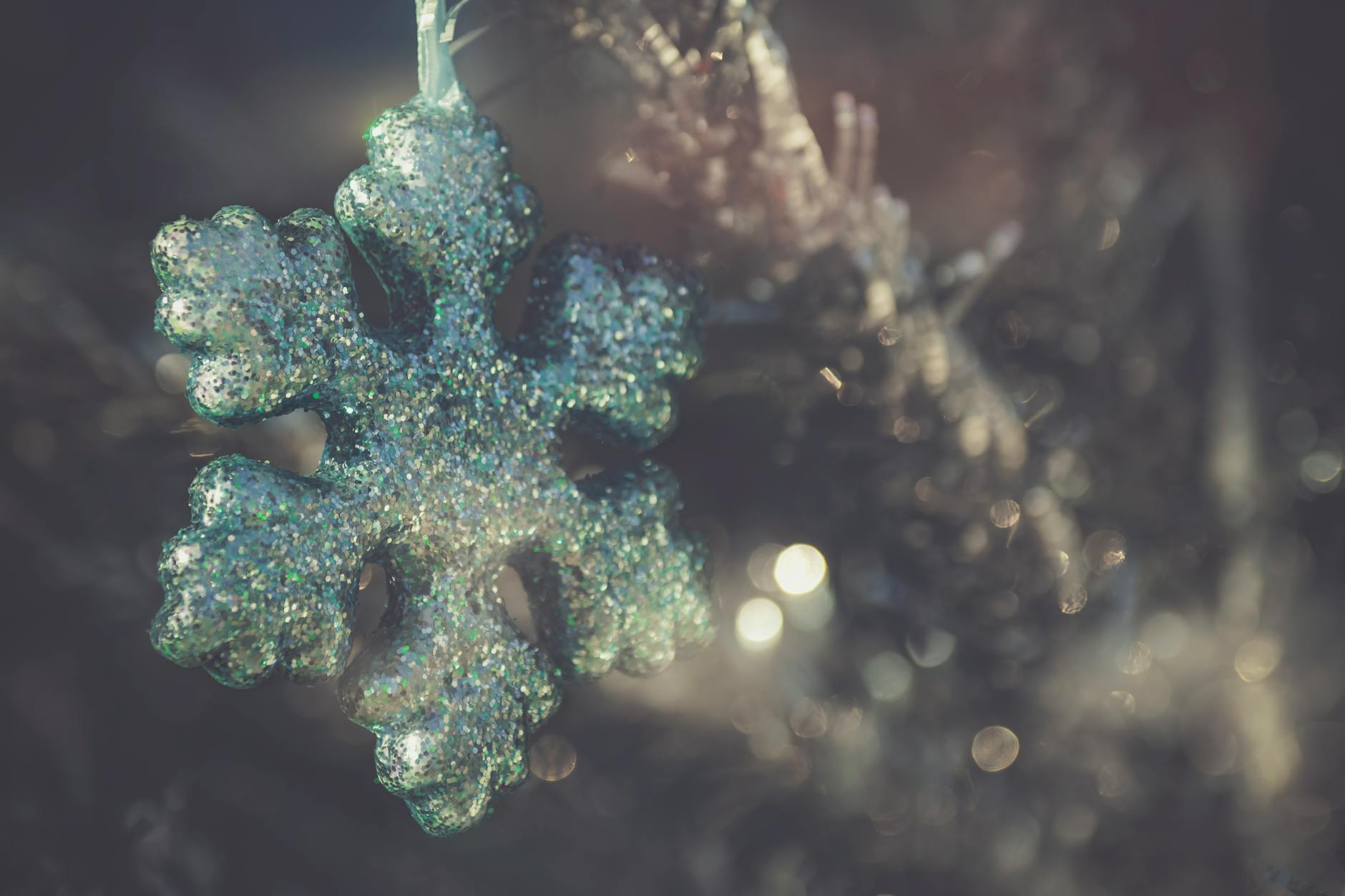
From the Faroese word for “flake,” referring to a snowflake.
Source

The name comes from the Greenlandic masaut (wet snow), a long with the suffix – na on the end.
Other forms include: Masaatsiaq and Masaitsiaq.
Feminine forms are Masaana, Masaani, Masâne, Masáuna and Masaune.
Sources

From the Sino-Vietnamese 雪 (tuyết), meaning, “snow.”
Sources
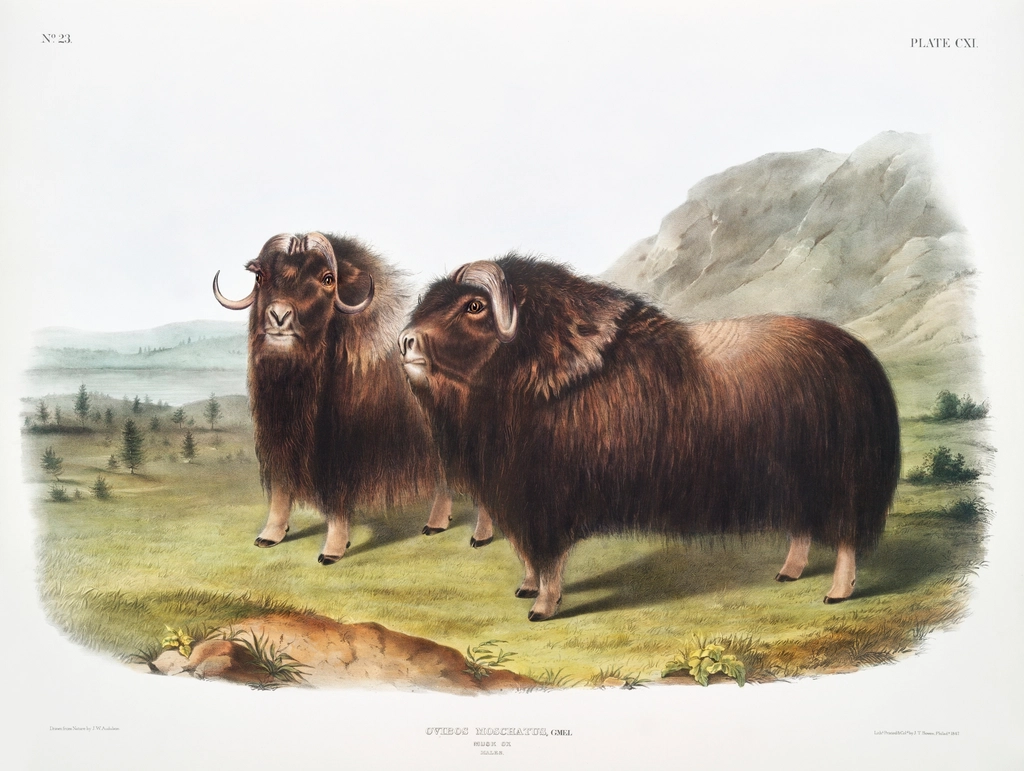
The name is derived from the Arabic لأًى (laʾan) “wild ox,” which can also have the euphemism of a shield or protector. Interestingly enough, it may share the same etymological root as the Hebrew female name, Leah.
The name is borne by Lu’ayy ibn Ghalib (3rd-century C.E.) who was the ancestor of the Islamic prophet Muhammed.
Other forms of the name include:
Sources

The name comes directly from the Hmong word for a pumpkin or gourd.
Sources

Derived from the Shona makatipa, meaning, “you have given us.”
Sources

The name comes directly from the Manipuri word ꯃꯥꯏꯔꯦꯟ (mairen), meaning “pumpkin.”
Sources

The name comes from the Greenlandic word for snowflake or ice crystal.
An older form is Aputsiak.
Sources