Theodore

Gender: Masculine
Origin: Greek
Meaning: “god’s gift.”

The name is derived from the Greek Theodoros (Θεοδωρος) which is composed of the elements θεος (theos) meaning “god” and δωρον (doron) “gift.” The name was borne by several early saints, two popes and three tsars of Russia.

In recent American history the name was borne by President Theodore Roosevelt (1858-1919) of whom the Teddy Bear was named for.

It is currently the 263rd most popular male name in the United States, (2010).

An interesting fact: Dorothy is derived from the same Greek roots but in reverse order.

Other forms of the name include:

  • Tewodros ተውዶሮስ (Amharic)
  • Tadros تادرس (Arabic: used among Arab Christians)
  • Todos ܛܘܕܘܫ (Aramaic: used among Assyrian and Chaldean Christians)
  • Hvejdar Хведар (Belarusian)
  • Teodor Теодор (Bulgarian/Catalan/Croatian/Czech/Danish/Estonian/Finnish/Hungarian/Polish/Romanian/Scandinavian/Slovakian/Slovene/Ukrainian)
  • Todor (Bulgarian/Serbiab/Northern Greek)
  • Theirn (Cajun)
  • Theodoor (Dutch)
  • Theodorus (Dutch/Latin)
  • Theodore თევდორე (English/Georgian)
  • Tuudor (Estonian)
  • Teuvo (Finnish)
  • Théodore (French)
  • Theodor (German)
  • Theodoros Θεόδωρος (Greek)
  • Thodoros Θόδωρος (Greek)
  • Fedor (Hungarian)
  • Tivadar (Hungarian)
  • Tódor (Hungarian)
  • Téodóir (Irish)
  • Teodoro (Italian/Portuguese/Spanish)
  • Todaro (Italian)
  • Teodors (Latvian)
  • Thei (Limburgish)
  • Teodoras (Lithuanian)
  • Toše Тоше (Macedonian)
  • Tiodore (Occitanian)
  • Toader (Romanian)
  • Tudor (Romanian/Welsh)
  • Fedor Федор (Russian/Slovene)
  • Fjodor Фёдор (Russian)
  • Teodoru (Sicilian)
  • Fedja (Slovene)
  • Todor (Slovene)
  • Fedir Федір (Ukrainian)
  • Tewdwr/Tudur (Welsh)
Common diminutives include:
  • Tosho Тошо (Bulgarian)
  • Toshko Тошко(Bulgarian)
  • Ted/Teddy (English)
  • Tedo თედო (Georgian)
  • Fedja Федя (Russian)

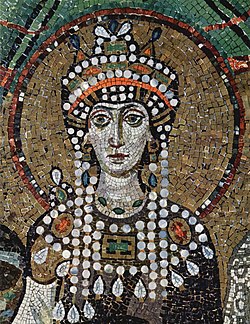
Its feminine form of Theodora was very popular in Byzantium, it was borne by at least five Byzantine Empresses including Empress Theodora who is also revered as a saint.

Other feminine forms include:

  • Teodora Теодора თეოდორა (Bulgarian/Catalan/Crotian/Georgian/Italian/Macedonian/Polish/Portuguese/Romanian/Serbian/Slovene/Spanish/Swedish)
  • Todorka Тодорка (Bulgarian/Macedonian)
  • Theodora Θεοδώρα (Czech/English/German/Greek)
  • Theda (English/German)
  • Théodora (French)
  • Teodóra (Hungarian)
  • Fedora Федора (Russian/Slovene)
  • Feodora Феодора (Russian)

Daria, Darius

Gender: Masculine
Origin: Persian
Meaning: “riches, he possesses.”
ENG də-RIE-əs, DER-ee-əs, DAR-ee-əs.

The name is derived from the ancient Persian male name Dārayavahush which is composed of the elements dâraya (to possess) and vahu (good). The name was borne by several early Persian kings including Darius the Great. The name also appears in the Old Testament.

As a given name it was never popular in the English-speaking world but a very common one on Continental Europe, especially Eastern Europe due to the fact that it was borne by several Greek saints, both male and female (in the form of Daria).

Currently, Darius is the 341st most popular male name in the United States, (2010).

Other forms of the name include:

  • Daryj Дарый (Belarusian)
  • Darij Дарий (Bulgarian/Ukrainian)
  • Darios (Catalan)
  • Darijo (Croatian)
  • Darius (Czech/English/French/German)
  • Dareius (German)
  • Dareios Δαρείος (Greek)
  • Dárius (Hungarian/Slovakian)
  • Dariush/Daryush  داریوش (Iranian)
  • Dario (Italian/Portuguese)
  • Darijus (Lithuanian)
  • Dariusz (Polish. DAHR-yoosh)
  • Dа́rij Да́рий (Russian)
  • Darío (Spanish) 

A Polish diminutive form is Darek.

Its feminine counterpart of Daria is extremely popular in Eastern Europe, she is currently the 36th most popular female name in Poland (2010).

Her rankings in other countries are as follows:

  • # 1 (Belarus, 2010)
  • # 2 (Moscow, Russia, 2010)
  • # 4 (Estonia among Russian-speakers, 2010)
  • # 5 (Ukraine, 2010)
  • # 10 (Romanian, 2010)

It was borne by an early Greek Christian saint and martyr.
Other forms of the name include:

  • Darja (Belarusian/Czech/Estonian/Latvian/Slovene)
  • Dària (Catalan)
  • Tárie Та́рие (Chuvash)
  • Daria Дарья (Croatian/Italian/Macedonian/Polish/Romanian/Russian)
  • Darija Дарія (Croatian/Lithuanian/Serbian/Ukrainian)
  • Darinka (Croatian/Slovene)
  • Tarja (Finnish)
  • Darie (French)
  • Dareia Δαρεια (Greek)
  • Dária (Hungarian)
  • Dariella (Italian)
  • Taira Тайра́ (Mari)
  • Darjana (Slovene)
  • Darjanka (Slovene)
  • Darjenka (Slovene)
  • Daría (Spanish)

Diminutive forms include:

  • Daruška (Czech)
  • Dasia (Polish. DAH-shah)
  • Dasha (Russian/Ukrainian)
  • Darijna  Дарина (Ukrainian)
Source

Walter

Gender: Masculine
Origin: German
Meaning: “ruler of an army.”

The name is composed of the Old High German elements, wald (ruler) and hari (army). The name was used in England pre-Norman invasion in the Anglo-Saxon form of Wealdhere but was soon replaced with the Normanized Walter. It was borne by a legendary Visigothic king who appears in several Medieval poems and epics.

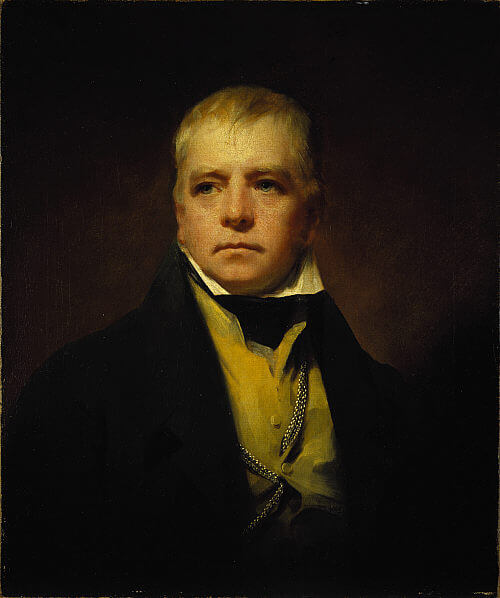
There have been several other notable bearers throughout history, one of the most famous being Sir Walter Scott (1771-1832).

Currently it is the 332nd most popular male name in the United States, (2010).

Other forms include:

  • Wealdhere (Anglo-Saxon)
  • Valter (Czech/Finnish/Italian/Hungarian/Norwegian/Russian/Slovak/Slovene/Swedish)
  • Valder (Danish/Norwegian)
  • Wouter (Dutch)
  • Walter (English/German/Italian/Polish/Scandinavian)
  • Valterri (Finnish)
  • Gauthier/Gautier (French)
  • Wolter (Frisian)
  • Waldhar (German: archaic)
  • Walther (German)
  • Valtier (Hungarian)
  • Gaulterio (Italian)
  • Gaultero (Italian)
  • Gaultiero (Italian)
  • Gaulterius (Late Latin)
  • Valters (Latvian)
  • Valtare (Norwegian)
  • Walthari (Old High German)
  • Wöltje (Plattdeutsch)
  • Guálter (Portuguese)
  • Gualtério (Portuguese)
  • Bhaltair (Scottish)
  • Bhàtair (Scottish)
  • Volter (Swedish)
  • Gwallter (Welsh)

Diminutives include:

  • Woidda (Bavarian)
  • Valte (Danish)
  • Wout (Dutch)
  • Wally (English/German)
  • Walt (English)
  • Wat (English)
  • Wate (Frisian)
  • Watse (Frisian)
  • Valkó (Hungarian)
  • Valtika (Hungarian)
  • Valle (Swedish)
  • Wale/Wali/Walo (Swiss-German)
  • Walti (Swiss-German)
  • Wädi/Wädu (Swiss-German)

Feminine forms include:

  • Woutera (Dutch)
  • Wouterina (Dutch)
  • Waltera (German)
  • Gaultiera (Italian)
  • Gaultierina (Italian)
  • Valterina (Italian)

Source

  1. http://www.behindthename.com/name/walter

Reginald, Ronald

Gender: Masculine
Origin: Old Norse
Meaning: “advice ruler.”

The name is derived from the Old Norse Ragnvaldr which is composed of the elements ragn (advice, council) and valdr (ruler). The name was introduced into Scotland and England via Viking settlers.

In recent history it was borne by former American President and actor Ronald Reagan (1911-2004).

Currently, Ronald is the 342nd most popular male name in the United States, (2010).

Other forms of the name include:

  • Reinout (Dutch)
  • Reginald (English)
  • Ronald (English/Scottish)
  • Reino (Finnish)
  • Renaud/Reynaud (French)
  • Réginald (French)
  • Raghnall (Gaelic)
  • Reinald (German: archaic)
  • Reinhald (German)
  • Rajnald (Hungarian)
  • Rinaldo (Italian)
  • Reinaldo (Portuguese/Spanish)
  • Reynaldo (Portuguese/Spanish)
  • Ronaldo (Portuguese)
  • Ragnvald (Scandinavian: archaic)
  • Ranald (Scottish)
  • Rheinallt (Welsh)

Common English nicknames are Reg, Reggie, Ron and Ronnie.

Feminine forms include:

  • Rinalda (Italian)
  • Rinaldina (Italian)
  • Ronalda (Portuguese/Scottish)
Source

Aria

Gender: Feminine
Origin: Italian
Meaning: “air.”
It (AHR-ee-ə)

The name comes from the Italian word for air and has been used as a feminine given name in Italy since Medieval times. Its usage as a given name in the United States may have caught on due to its musical associations, an aria is an elaborate vocal solo.

The name was borne by an early Roman Christian martyr.

Currently, Aria is the 356th most popular female name in the United States, (2010).

Source

  1. http://www.behindthename.com/name/aria

Lawrence

Gender: Masculine
Origin: Latin
Meaning: “from Laurentum.”
Eng (LAW-rents)

The name is derived from the Latin cognomen Laurentius meaning “from Laurentum.” It was popularized by an early Roman deacon, martyr and saint who was roasted alive when he refused to turn over church property to the Roman authorities. According to legend, he is the patron saint of comedians because when he was being roasted he told his torturers “turn me over, I am done on this side.”

It was borne by several other saints.

Lawrence has been a popular given name since Medieval times and it consistently appeared in the U.S. top 100 from 1880-1971. By 1972 it mysteriously and suddenly fell completely out of popularity and it has been so since. It is currently only the 457th most popular male name, (2010).

Other forms include:

  • Nadja/Nadjeh (Arabic: used among Arab Christians)
  • Toufiq  لورنس (Arabic: used among Arab Christians)
  • Loren (Aragonese)
  • Lorient (Aragonese)
  • Lari (Basque)
  • Lawrencij Лаўрэнцій (Belarusian)
  • Laorañs (Breton)
  • Llorenç (Catalan)
  • Larenzu (Corsican)
  • Lovrenco (Croatian)
  • Lovre (Croatian. Currently the 58th most popular name in Croatia, 2010)
  • Lovro (Croatian)
  • Vavřinec (Czech/Slovak: literally from the Czech word for laurel, it has been used as the proper cognate for Lawrence since Christianity was introduced to the area)
  • Laurits/Lauritz (Danish/Estonian/Icelandic/Norwegian)
  • Lasse (Dutch/Norwegian/Swedish. LAHS-se)
  • Laurens (Dutch)
  • Loris (Dutch/French/German/Italian. Currently the 100th most popular male name in France, 2009)
  • Rens (Dutch. Currently the 79th most popular male name in the Netherlands)
  • Larkin (English: a Medieval diminutive form of Lawrence)
  • Lauri (Estonian/Finnish)
  • Lars (Finnish/Norwegian/Swedish. Currently the 14th most popular male name in the Netherlands, the 23rd most popular in Belgium and the 57th most popular in Norway)
  • Lassi (Finnish)
  • Laurent (French)
  • Laurentin (French)
  • Lourens (Frisian)
  • Labhrás (Gaelic) 
  • Loenso (Genovese)
  • Laurenzius (German: archaic)
  • Lenz (German)
  • Lorenz (German)
  • Lavrentios Λαυρεντιος (Greek)
  • Lőrinc (Hungarian)
  • Lárus (Icelandic)
  • Lorenzo (Italian/Spanish. Currently the 5th most popular male name in Italy and 52nd most popular in France (2009). It is also the 187th most popular in the Netherlands and the 322nd most popular in the United States, 2010)
  • Laurentius (Latin)
  • Lau (Limburgish)
  • Lor (Limburgish)
  • Laurynas (Lithuanian)
  • Lawrenz (Maltese)
  • Laurys (Manx)
  • Louothains (Norman)
  • Lavrans (Norwegian)
  • Laurenç (Occitanian)
  • Lleurant (Occitanian)
  • Laurencjusz (Polish)
  • Laurenty (Polish)
  • Wawrzyniec (Polish: literally from the Polish word for laurel, it has been used as the proper cognate for Lawrence since Christianity was introduced to the area)
  • Lourenço (Portuguese)
  • Laurențiu (Romanian)
  • Lavrentie (Romanian)
  • Lurintg (Romansch)
  • Lavrenti Лаврентий ლავრენტი (Russian/Georgian)
  • Larentu (Sardinian)
  • Labhrainn (Scottish)
  • Lovrenc (Slovene)
  • Laurisch (Sorbian)
  • Lorencio (Spanish: Medieval)
  • Lorens (Swedish)
  • Lavrentij Лаврентій (Ukrainian)
  • Lorenso (Venetian)
A common English diminutive is Larry a less common one Laurie
  • Toufiqia (Arabic)
  • Laurendia (Basque)
  • Laurenza (Corsican)
  • Laurenzia (Corsican)
  • Laurentien (Dutch)
  • Renske (Dutch)
  • Laurence (French)
  • Laurentine (French)
  • Lavrentia Λαυρεντία (Greek)
  • Lorentina (Italian)
  • Lorenza (Italian/Spanish)
  • Lorenzina (Italian)
  • Larentia (Latin)
  • Laurentina (Latin)
  • Laurencja (Polish)
  • Laurentyna (Polish)
Source

Evangeline

Gender: Feminine
Origin: Greek
Meaning: “good news.”
Eng (ee-VAN-je-LEEN)

The name is derived from the Greek ευ (good) and αγγελμα (news; message). Evangelos (masculine) and Evangelina (feminine) have always been popular names in Greece. Evangeline seems to be particularly common among French-Canadians and the Acadians of Louisiana since the 16th-century. The name was used for the title character in Henry Longfellow’s 1847 poem Evangeline, which recounts the trials and tribulations of the Acadians after their expulsion from Canada.

A parish in Louisiana was named in the character’s honour.

Currently, Evangeline is 333rd most popular female name in the United States, (2010).

Other forms of the name include:

  • Evangeliya Евангелия (Bulgarian)
  • Evangeline/Evangéline (Cajun/Franco-English)
  • Evangelina (Croatian/Hungarian/Italian/Portuguese/Romanian/Serbian/Spanish)
  • Évangéline (French)
  • Evangelia Ευαγγελία (Greek)
  • Vangelia Βαγγελιώ (Greek)
  • Evangelija Евангелија (Macedonian)
  • Vangelija Вангелија (Macedonian)
  • Evangelica (Romanian)

Masculine forms include:

  • Evangelis Ευαγγέλης (Greek)
  • Evangelos Ευάγγελος (Greek)
  • Vangelis Βαγγέλης (Greek)
  • Evangelo (Italian)

Source

  1. http://www.behindthename.com/name/evangeline

Cynthia

Gender: Feminine
Origin: Greek Κυνθια
Meaning: “of mount Cynthos.”
(SIN-thee-ə)

The name was used in ancient Greece as an epithet for the goddess Artemis as she was said to be born on Mount Cynthos in Greece. In the English-speaking world, this was not used as a given name until after the Renaissance when many Greek mythological names were brought to the forefront as proper English given names.

Currently, Cynthia is the 380th most popular female name in the United States, (2010).

Other forms of the name include:

  • Cynthia (Dutch/English/French/German)
  • Cynthie (French)
  • Kynthia Κυνθία (Greek)
  • Cinzia (Italian)
  • Zinta (Latvian)
  • Cyntia (Polish)
  • Cíntia (Portuguese)
  • Ciniza (Slovene)
  • Cintija (Slovene)
  • Cintia (Spanish/Italian)

In English, Dutch and German, Cindy or Cindi are the default nicknames.

Source

  1. http://www.behindthename.com/name/cynthia

Salvador

Gender: Masculine
Origin: Spanish
Meaning: “savior.”

The name is derived from the Spanish word for Savior and is used in honour of Christ. It is currently the 457th most popular male name in the United States, (2010). Its Italian cognate of Salvatore is the 895th most popular male name in the United States, (2010).

Other forms of the name include:

  • Sotir (Albanian)
  • Gaizka (Basque)
  • Salbatore (Basque)
  • Xalbador/Xalba (Basque)
  • Salvador (Catalan/Spanish)
  • Saveur (French: archaic)
  • Salvatore (Italian)
  • Salvator (German/Latin)
  • Sotirios  Σωτήριος (Greek)
  • Sauvaire (Occitanian)
  • Salwator (Polish)
  • Sarbadore (Sardinian)
  • Sarbaturi (Sicilian)
Common diminutives used especially among Italian-Americans are: Sal and Tory.

Feminine forms include:

  • Salvatrice (Italian)
  • Salvatorica (Italian)
  • Salvatorina (Italian)
  • Torella (Italian)
  • Torina (Italian)
  • Salvatrix (Latin)
  • Salvadora (Spanish)
Source


Dulce

Gender: Feminine
Origin: Spanish/Portuguese
Meaning: “sweet; candy.”
DOOL-the (Spanish), DOOL-se (Latin American Spanish)

The name comes directly from the Spanish and Portuguese word for “sweet; candy” and has been used in the Iberian peninsula since the early Middle Ages. It was borne by Douce I of Provence (1090-1129), Douce II of Provenece (b.1166) Dulce of Barcelona (1160-1198) and Dulce I of Léon (b.1195).

Currently it is the 409th most popular female name in the United States, (2010).

It was commonly bestowed among Jews and Christians. Other forms of the name include:

  • Dulcía (Aragonese)
  • Dulze (Basque)
  • Esti (Basque)
  • Estinñe (Basque)
  • Dolça (Catalan/Ladino/Occitanian/Provençal)
  • Dowse (English: archaic)
  • Duce (English: archaic)
  • Dulcie (English)
  • Dulcinea (English/Spanish)
  • Douce (French: archaic)
  • Aldonza/Aldonça (Galician)
  • Dolce (Italian: archaic. DOLE-chay)
  • Zusa (Yiddish. A direct translation of Dolça, this was used among Spanish-Jews who had been expelled from Spain and had settled in Germany and Poland introducing it to Yiddish-speakers, thus creating a Yiddish cognate. A masculine cognate is Zusman)
Source