 Gender: Masculine
Origin: Old German
Meaning: “brave as a bear; hardy as a bear.”
(Am. Eng) (ber-NARD); (Brit. Eng) (BER-nerd)
The name is composed of the Old High Germanic elements, bern (bear) and hard (brave; hardy).
The name was introduced into England by the conquering Normans in the 10th-century, replacing the more Anglo-Saxon version of Beornheard.
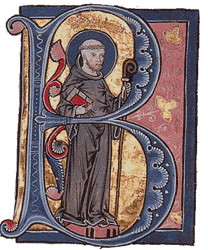
It became quite prevalent throughout Western Europe during the middle ages due to the associations with St. Bernard of Menthon, a Swiss monastic credited to building hospices in the Alps, (it is from him that the breed of dog, the St. Bernard, takes its name) and St. Bernard of Clairvaux, an influential 12th-century French theologian who is revered as both a saint and Doctor of the Church by the Catholic Church.
As of 2009, the name fell out of the U.S. top 1000 most popular male names. The highest he ever ranked in U.S. naming history was at # 45 in 1919 and again in 1921.
Its more popular feminine version of Bernadette became prevalent, especially among Catholics throughout the Western World, after the Canonization of St. Bernadette Soubirous (née Marie-Bernarde Soubirous). St. Bernadette was a 19th-century French peasant girl credited to seeing visions of the Virgin Mary in Lourdes, France.
Before her recognition throughout the world, Bernadette was primarily a diminutive, used as an affectionate form of the French feminine name, Bernarde.
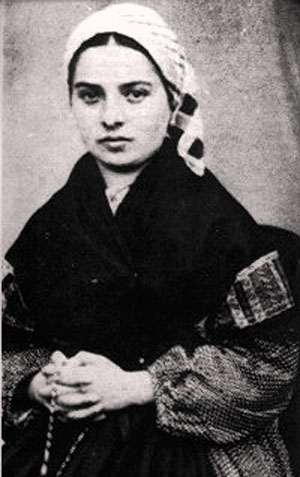 The last time Bernadette ranked in the U.S. top 1000 was in 1993, coming in at # 891. The highest she ever ranked in U.S. naming history was in 1946, coming in as the 188th most popular female name. Its Hungarian cognate of Bernadett currently ranks in as the 76th most popular female name in Hungary (2009).
Variations
Bernard
Bernardi (Albanian)
Bernal (Aragonese/Galician)
Beñat (Basque)
Bernarta (Basque)
Bernez (Breton)
Bernat (Catalan)
Bernardu (Corsican/Sardinian)
Bernard (Croatian/Czech/English/French/German/Polish/Romanian/Romansch/Slovenian/Swedish)
Bernhardt/Bernhart (Danish/Finnish/German/Norwegian/Swedish)
Berend (Dutch)
Bernaard (Dutch)
Bernhard (Dutch/Estonian/German)
Päärn/Pärn/Pärno (Estonian)
Pääro (Estonian)
Pearn/Pearu (Estonian)
Bernardin (French/Romansch)
Bent (Frisian)
Bernaldo (Galician)
Bernaldino (Galician)
Berendt (German)
Berinhard (German: archaic)
Bernd/Berndt (German/Swedish)
Bernárd (Hungarian)
Bernát (Hungarian)
Bennardo/Bennardino (Italian)
Berardo (Italian)
Bernadetto (Italian)
Bernardino (Italian)
Bernardo (Italian/Portuguese/Spanish)
Bernoardo (Italian)
Bearnárd (Irish-Gaelic)
Bernardus (Late Latin)
Bernards (Latvian)
Bierants (Latvian)
Biernis (Latvian)
Bernardas (Lithuanian)
Beurnard (Poitevin)
Bernadette
Bernardete (Albanian/Portuguese)
Bernada (Catalan/Occitanian)
Bernadeta (Catalan/Occitanian/Polish)
Bernarda (Croatian/German/Italian/Slovene/Spanish/Polish/Portuguese)
Bernadette (English/French)
Bernarde (French)
Bernardine (French)
Bernadett (Hungarian)
Bernadetta/Bernardetta (Italian)
Bernardina (Italian)
Bernadetė (Lithuanian)
Bernardka (Slovenian)
Bernardita (Spanish)
Common English diminutives for both names are Bernie & Benny.
In French it is Bébère, Nanard and Bernie for males.
A Polish female diminutive is Bernardetka.
The designated name-day is August 20.
Source
 Gender: Feminine
 Gender: Masculine
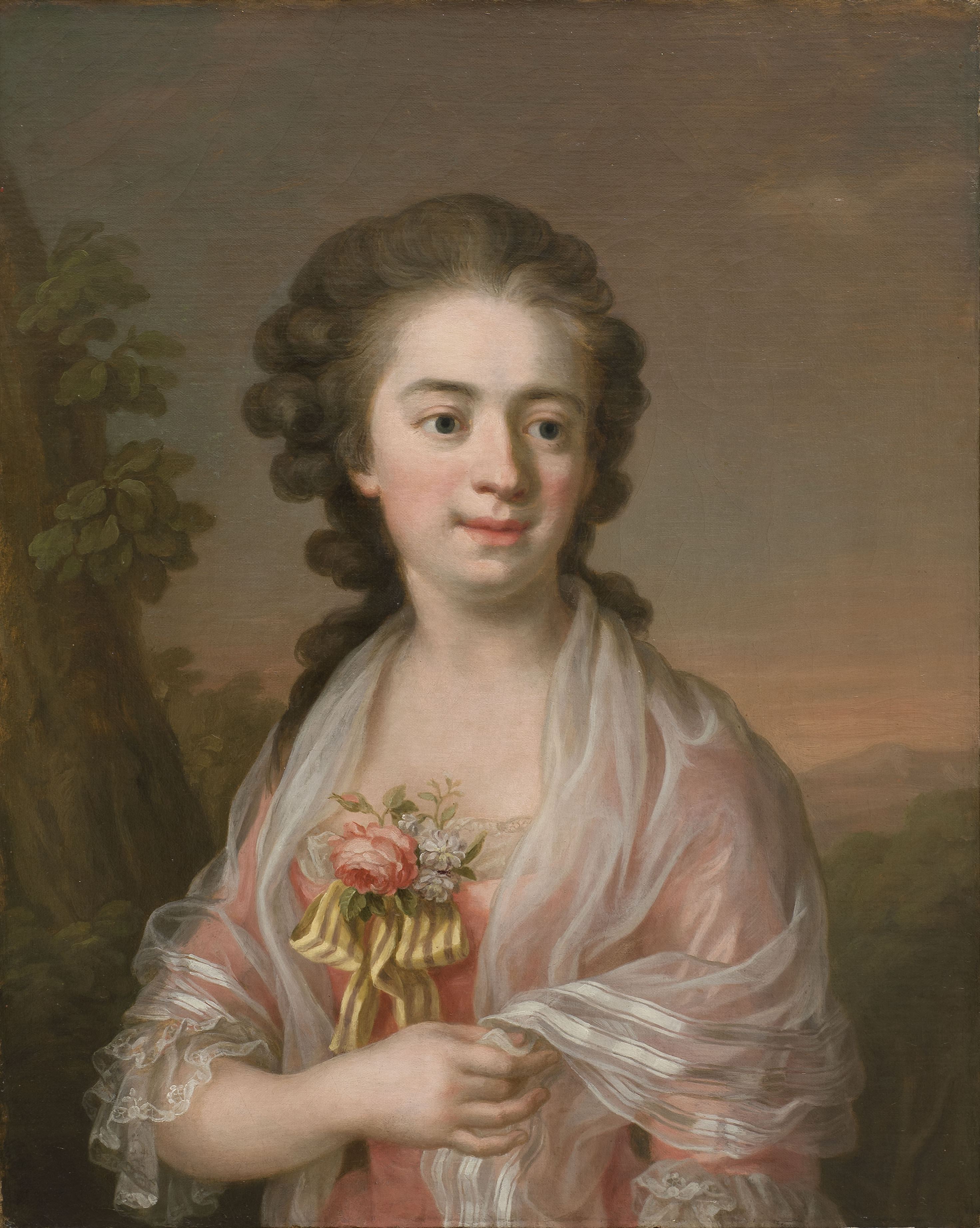 Its feminine counterpart has been borne by at least one Swedish princess, a fictional character in Walter Scott’s 1819 novel, Ivanhoe and Ulrika Pasch, an 18th-century female Swedish painter.
 Gender: Masculine
 Gender: Masculine
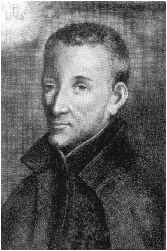 Gender: Masculine
 Origin: French/Latin
 Gender: Masculine
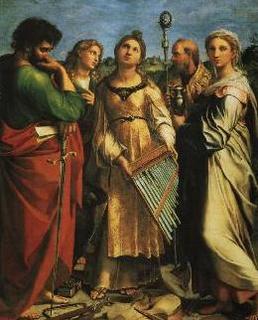 Since I have been behind in my posts, I thought my readers deserved an extra feature this weekend. Saints names. Sure, we are all familiar with Bernadette, Margaret Mary, Theresa, Peter and Luke, but the Catholic Church’s Calender of Saints offers us a huge variety of unique names, whether you are Catholic, Orthodox or just looking for an interesting name to bestow upon your child, the below list offers a wide range of unique yet very legitimate names.