Joachim, Joaquin

Gender: Masculine
Origin: Hebrew
Meaning: “Yahweh has established.”
Eng (JOKE-im); Sp (wah-KEEN)

The name is possibly derived from the Biblical Hebrew male name, Jehoiachin, which is found in the Old Testament as the name of king of Judah imprisoned during the Babylonian exile.

Joachim appears in the apocryphal Gospel of James as the name of the husband of St. Anne and the father of the Virgin Mary. In the Qu’ran the father of Mary is named Imran, though Joachim and Imran are not etymological related. The Catholic Church, Eastern Orthodox Churches and the Anglican Church has traditionally revered this legendary character as a saint and as a result, the name became extremely popular across Europe, especially in Catholic countries.

The name was never very common in the English-speaking world but was occasionally used by Irish-Catholics and American-Catholics.

Currently Joachim is the 319th most popular male name in France, (2009) and the 496th most popular in the Netherlands (2010). Its Spanish form of Joaquin, however, ranks even higher in a couple of countries. His rankings are as follows:

  • # 5 (Chile, 2010)
  • # 99 (Spain, 2010)
  • # 306 (United States, 2010).

Other forms of the name include:

  • Iyakem (Amharic/Ethiopian)
  • Chuaquín (Aragonese)
  • Xuaco/Xuacu (Aragonese)
  • Jokin (Basque)
  • Chaosum (Breton)
  • Joasim (Breton)
  • Jechim (Breton)
  • Joasin (Breton)
  • Jaouas (Breton)
  • Yoakim Йоаким (Bulgarian)
  • Yakim Яким (Bulgarian)
  • Yokim Йоким (Bulgarian)
  • Joaquim (Catalan/Portuguese)
  • Quim (Catalan/Portuguese)
  • Ximo (Catalan/Valencian)
  • Youakim (Coptic/Syrian)
  • Jáchym (Czech)
  • Jokum (Danish)
  • Jochem (Dutch/German)
  • Aki (Finnish)
  • Jaakkima (Finnish)
  • Joachim (English/French/German/Hungarian/Polish)
  • Kim (Finnish/Scandinavian)
  • Kimi (Finnish)
  • Xaquín (Galician)
  • Xoaquin (Galician)
  • Xocas (Galician)
  • Ioa’kime იოაკიმე (Georgian)
  • Achim (German)
  • Jochen (German)
  • Jochim (German)
  • Jóakim (Icelandic)
  • Gioacchino/Gioachino (Italian)
  • Giovacchino (Italian)
  • Yoakima (Lingala)
  • Joakim Јоаким (Macedonian/Serbian/Scandinavian) 
  • Akimka (Maldovan)
  • Iacin (Murcian)
  • Juaqui (Murcian)
  • Quino (Murcian)
  • Ioachim (Romanian)
  • Giuachin (Romansch)
  • Akim АкимЯким (Russian)
  • Yakim (Russian)
  • Joaquín (Spanish)
  • Joakym Йоаким (Ukrainian)

Feminine forms include:

  • Gioacchina (Italian)
  • Gioachina (Italian)
  • Giovacchina (Italian)
  • Joachima (Polish)


Paloma

Gender: Feminine
Origin: Spanish
Meaning: “dove; pigeon.”
(pah-LOH-mah)

The name comes directly from the Spanish word for a dove or pigeon.

As a given name its usage may go as far back as the Middle Ages, however  there is a cult to the Virgin Mary which started in Madrid during the 18th-century, known as La Virgen de la Paloma (Our Lady of the Dove).

The dove is a symbol of peace and of the Holy Spirit among Christians since early Medieval times and this in fact may have sparked the name’s popularity.

Currently, Paloma is the 48th most popular female name in Chile, (2010). She also ranked in as the 140th most popular female name in France, (2009) and the 698th most popular in the United States, (2010).

Other forms of the name include:

  • Uxue (Basque)
  • Coloma (Catalan)
In recent years it has been most popularly associated with Paloma Picasso (b.1949) the daughter of Pablo Picasso.

Amparo

Gender: Feminine
Origin: Spanish/Portuguese
Meaning: “protection.”
(ahm-PAH-roh)

The name comes directly from the Spanish word for protection and is used in reference to an epithet of the Virgin Mary, Nuestra Señora de los Desamparados (Our Lady of the Forsaken or the Helpless).

In Spain, it is a very common name in the region of Valencia as Nuestra Señora de los Desamparados is considered the patron saint of the city.

It is currently the 93rd most popular female name in Chile, (2010).

Other forms of the name include:

  • Itzal (Basque)
  • Empar (Catalan)

Rosario

Gender: Feminine (in Spanish and Portuguese but masculine in Italian)
Origin: Spanish/Portuguese/Italian
Meaning: “rosary.”

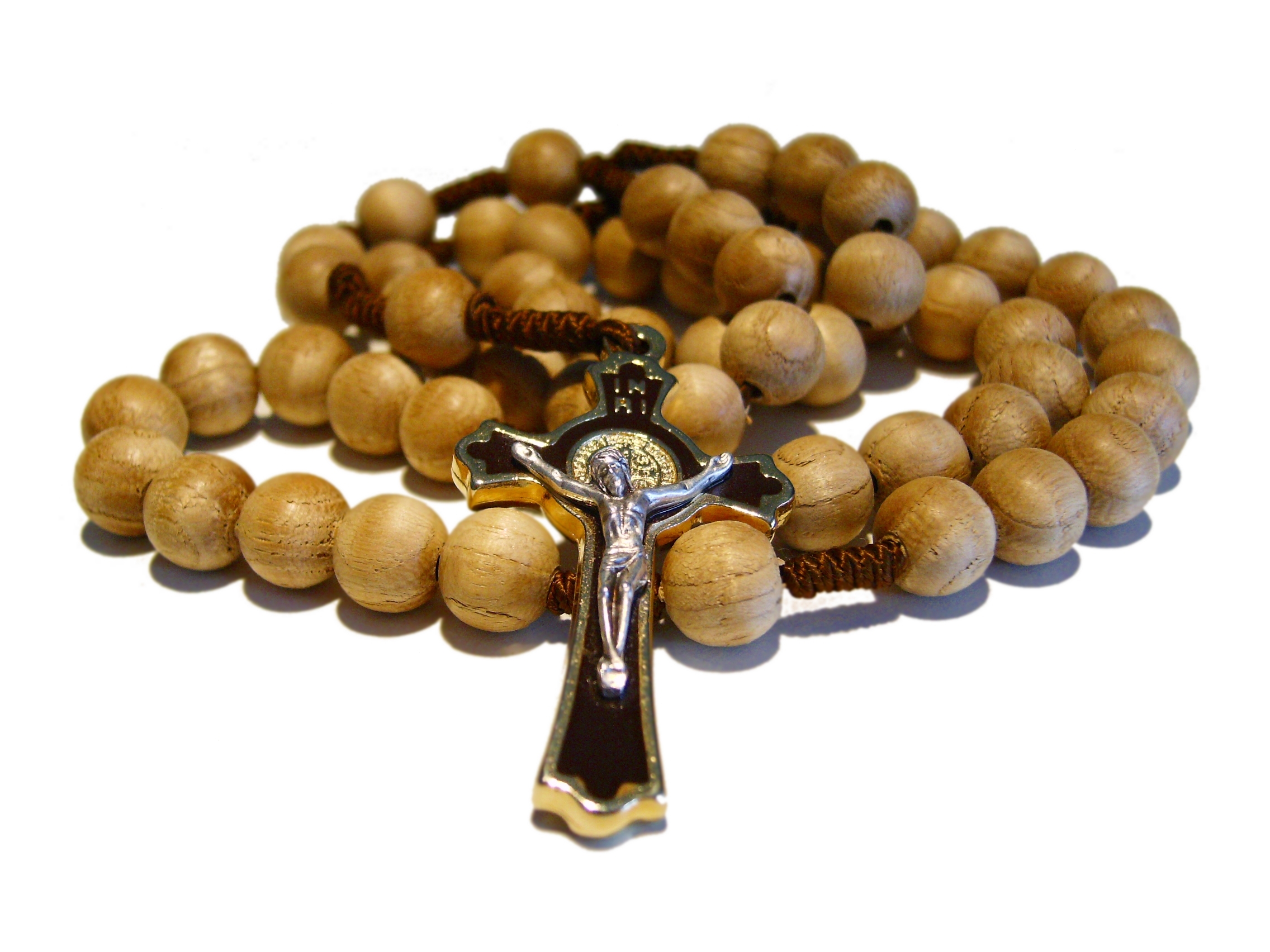
In Spanish and Portuguese the name has always been a strictly feminine name. It comes directly from the word for the rosary, prayer beads used in Catholic tradition and is usually used in reference to Our Lady of the Rosary.

In Italian the feminine form is Rosaria while Rosario is strictly masculine.

Currently, Rosario is the 83rd most popular female name in Chile, (2010).

Other forms of the name include:

  • Roser (Catalan)
  • Marie-Rosaire (French)
  • Maria Rosaria (Italian)
  • Rosaria (Italian)
  • Rosarietta (Italian)
  • Rosarina (Italian)
  • Saria (Italian)
  • Maria do Rosário (Portuguese)
  • Rosário (Portuguese)
  • Maria del Rosario (Spanish)

A common Spanish diminutive is Charo.

Masculine forms include:

  • Rosaire (French)
  • Rosario (Italian)

It is borne by actress Rosario Dawson.

Constance

Gender: Feminine
Origin: Latin
Meaning: “constant; steadfast.”
Eng (KAHN-stənts); Fre (kawn-STAWNS)

The name is an anglicized form of the Late Latin female name Constantia which is a feminine form of Constantius derived from the Latin constans meaning “steadfast; constant.”

The name was very common throughout Medieval Europe and was borne by several European royals. In the English-speaking world it was notably the daughter of William the Conqueror who actually introduced the name to England.

Its Spanish form of Constanza is currently the 11th most popular female name in Chile, (2010), while Constance was the 131st most popular female name in France, (2009).

Other forms of the name include:

  • Konstantza (Basque)
  • Constança (Catalan/Occitanian/Portuguese)
  • Konstanca (Croatian)
  • Konstance (Czech)
  • Konstancie (Czech)
  • Constance (Dutch/English/French)
  • Constanze (German)
  • Konstanze (German)
  • Konstancia (Hungarian)
  • Costanza (Italian)
  • Constantia (Latin)
  • Konstanse (Norwegian)
  • Constància (Occitanian)
  • Konstancja (Polish)
  • Constanta (Romanian)
  • Konstantia (Scandinavian)
  • Constanza (Spanish)
  • Konstans (Turkish: obscure)
  • Konstancija Констанція (Ukrainian)

Diminutives include:

  • Kony (Czech)
  • Stanka (Czech)
  • Connie (English/German)
  • Stanzi (German)

Masculine forms include:

  • Constant (English)
  • Costanzo (Italian)
  • Costante (Italian)
  • Constans (Latin)
  • Constantius (Latin)


Paz

Gender: Feminine
Origin: Spanish
Meaning: “peace”
Sp (PAHTH); Latin American Sp (PAHZ)

The name comes directly from the Spanish word for peace and is usually used in reference to an epithet of the Virgin Mary Maria del Paz (Our Lady of Peace).

It can also be a Hebrew name derived from the word for gold פָּז.

Currently, Paz is the 28th most popular female name in Chile, (2010).


Saul

Gender: Masculine
Origin: Hebrew שָׁאוּל
Meaning: “asked for; prayed for.”
Eng (SAWL); Sp (sah-OOL); Heb (shah-OOL)

The name appears several times in the Old Testament, the most notable of all being King Saul, the first king of the ancient Kingdom of Israel as recorded in the Book of Samuel. It appears again in the New Testament as the Hebrew name for Paul of Tarsus.

The name has always been common among Jews and Spanish-speaking Christians. In Mexico, it is currently the 94th most popular male name, while in Spain it is the 95th most popular, (2010). In the United States, however, it only ranks in as the 376th most popular male name, (2010).

Other forms of the name include:

  • Saül (Catalan/French)
  • Šaul (Croatian)
  • Saul (Czech/Dutch/English/German/Hungarian/Italian/Polish/Portuguese/Scandinavian)
  • Sauli საული (Finnish/Georgian)
  • Saoul Σαουλ (Greek)
  • Sha’ul שָׁאוּל (Hebrew)
  • Sauls (Latin)
  • Saulius (Lithuanian)
  • Szaul (Polish)
  • Saúl Сау́л (Belarusian/Bulgarian/Russian/Spanish)
Sources

María de los Ángeles

Gender: Feminine
Origin: Spanish
Meaning: “Mary of the Angels.”

The name is used in reference to an epithet of the Virgin Mary,  María de los Ángeles in English (Mary of the Angels). It is often abbreviated to Ángeles.

It is currently the 62nd most popular female name in Mexico, (2010).

Source

  1. http://www.babycenter.com.mx/pregnancy/nombres/nombres_populares_2010/


Montserrat

Gender: Feminine
Origin: Catalan
Meaning: “jagged mountain.”
SP (munsəˈrat)

Montserrat comes from a name of a mountain in Barcelona and is used in reference to a monastery which houses a shrine to the Virgin Mary known as Santa Maria de Montserrat. The same mountain is legendarily believed to be the home of the Holy Grail.

The name literally means “jagged mountain” or “serrated mountain” in Catalan.

As of 2006, Monserrat was the 27th most popular female name in Chile and it is currently the 86th most popular in Mexico, (2010).

Another form of the name is Monserrat.

Common Spanish diminutives include: Mont, Montse, Muntsa, Serrat or Rat.

Sources

  1. http://www.behindthename.com/name/montserrat
  2. http://www.babycenter.com.mx/pregnancy/nombres/nombres_populares_2010/