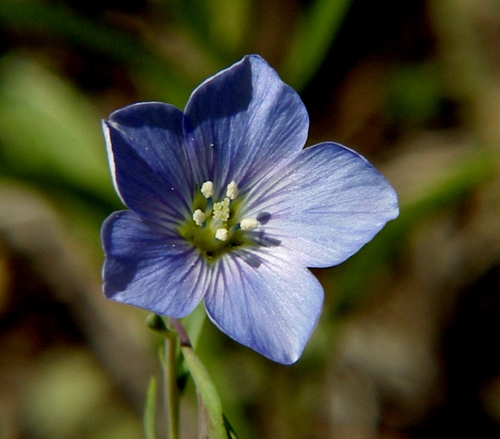
 The name is of several different origins and meanings. It could be a German and Swedish short form of any name ending in –lina.
In Lithuanian, it is the feminine form of Linas, meaning, “flax.” It is also the Estonian and Finnish word for flax, and is used as a given name in both countries.
It could also be from the Arabic لينا meaning “palm tree” or “tender.”
In Sanskrit लीना it means “absorbed; united.”
The name is also used in Chinese, being a composition of the words 丽 (Li) meaning “pretty” and 娜 (Na), meaning “elegant.”
Currently, Lina is the 7th most popular female name in Germany, (2011). Her rankings in other countries are as follows:
- # 15 (German-speaking, Switzerland, 2010)
- # 19 (France, 2009)
- # 20 (Slovenia, 2010)
- # 25 (Belgium, 2009)
- # 36 (Austria, 2010)
- # 61 (Netherlands, 2010)
- # 84 (Norway, 2010)
- # 91 (Sweden, 2010)
- # 848 (United States, 2010)
 Gender: Masculine
 Gender: Masculine
 Gender: Feminine
 Gender: Masculine
 Gender: Feminine
 The name is of a few different etymology depending on the source of the bearer. In Slavic-speaking countries, the name is a short form of any name containing the element dan meaning, “gift.” It could also be used as a diminutive form of