- Origin: Germanic
- Meaning: “wealth, fortune; fame.”
- Gender: Masculine
The root name is the Frankish Audomar, which is composed of the elements aud (wealth, fortune), and mari (fame).
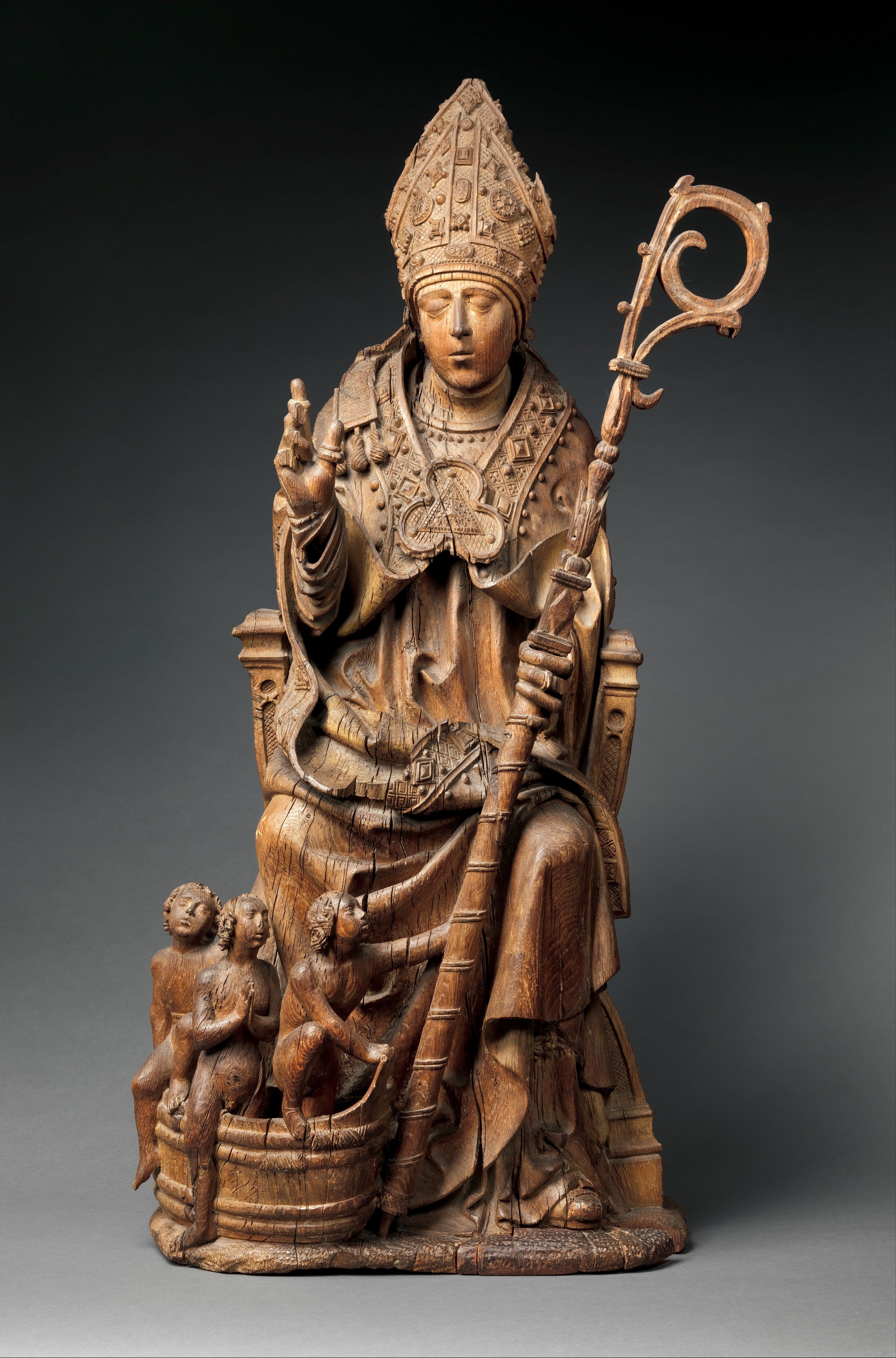
It was borne by an 8th-century saint and monk, an abbot of St. Gall, Switzerland and a 7th-century Frankish saint, after whom the French commune of St-Omer was named.
The designated name-day is September 8th.
Other forms include:
- Otmar (Alemmanish, Catalan, Czech, German, Polish, Romansh)
- Eadmær (Anglo-Saxon)
- Audomarus (Dutch, Late Latin)
- Odomar (Dutch)
- Edmar (English, Swedish)
- Ottomar (Estonian, German, Scandinavian)
- Audomar (French, Frankish, Polish)
- Adémar, Adhémar (French)
- Audomar (French, German)
- Omer (French)
- Ottmar (German)
- Otmár (Hungarian)
- Ómar (Icelandic)
- Ademaro (Italian)
- Ödhmar (Old Norse)
- Onmé (Picard)
- Ademar, Adhemar (Portuguese)
- Ademir (Portuguese – Brazilian)
- Omeru (Sicilian)
- Otmaro (Spanish)
French feminine forms which had some use in the 19th-century are Amérine, Omère and Omérine
Sources